
Berlin: Landmarks, Nazi Era Sites & Cold War Borderlands
Berlin, Deutschland
Audio Preview
Listen to a sample of this audio tour to get a feel for the experience.
What You'll Experience
On this Berlin: Landmarks, Nazi Era Sites & Cold War Borderlands audio tour in Berlin, you'll discover 12 carefully selected points of interest, each with its own story. The tour is designed to be completed at your own pace, with GPS navigation guiding you from one location to the next. As you approach each stop, the audio narration automatically begins, bringing history, culture, and local insights to life.
About This Tour
This central Berlin route links the Brandenburg Gate, Reichstag, Potsdamer Platz, Gendarmenmarkt, and Unter den Linden with key 20th‑century sites. It examines Prussian architecture, Nazi dictatorship and terror institutions, the Holocaust memorial, Soviet war remembrance, and Cold War border crossings, showing how Berlin’s cityscape reflects German and European history.
Points of Interest
Brandenburg Gate
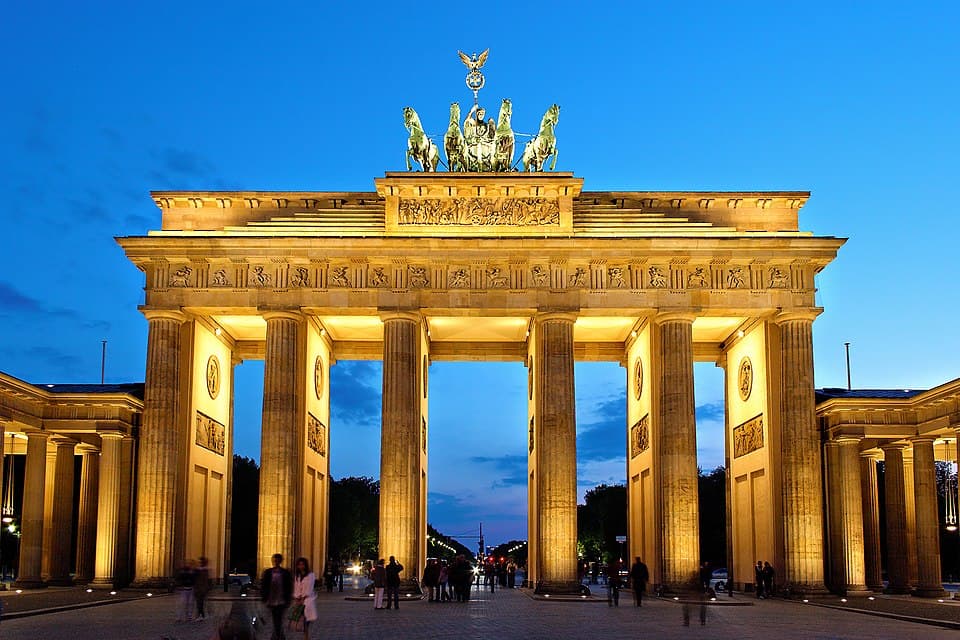
Prussian city gate turned national symbol
This stop introduces the Brandenburg Gate as an 18th‑century Prussian city gate that evolved into a central symbol of German history and unity. The script should cover its classical architecture, the Quadriga sculpture, and its role in royal processions, imperial ceremonies, and modern protests. It should explain the gate’s position at the former city wall and as the start of Unter den Linden, and how it later stood isolated in the Berlin Wall’s no‑man’s‑land. Include an anecdote about the Quadriga being taken to Paris by Napoleon and later returned to Berlin, and another about the televised images of people climbing the gate during the 1989 fall of the Wall, while stressing conservation concerns at the time.
Pariser Platz
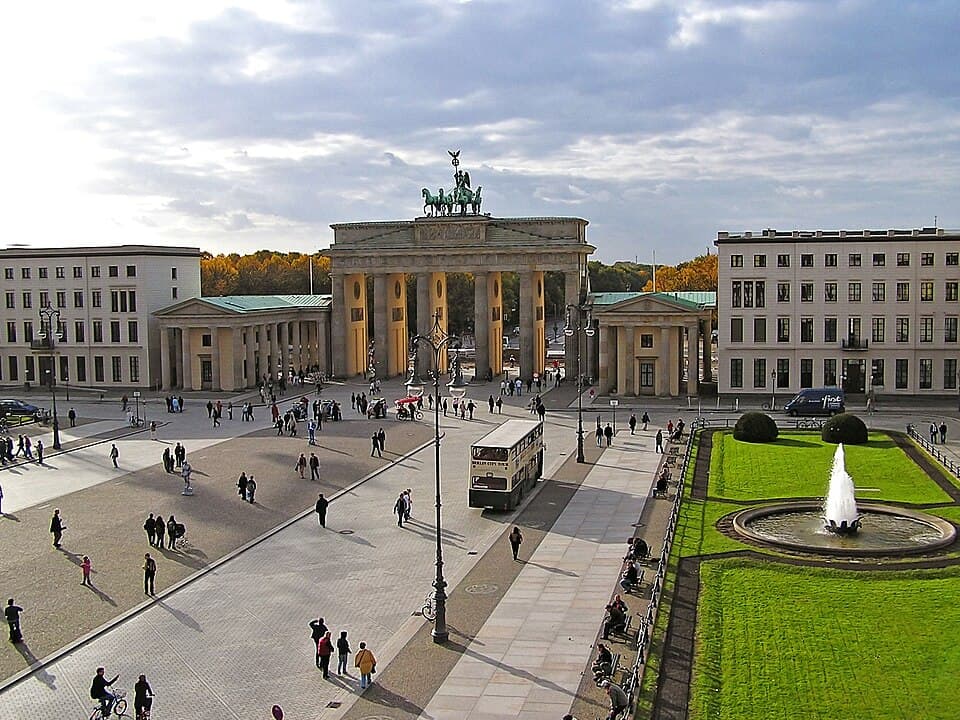
Prestige square beside Berlin’s iconic gate
Here the focus is on Pariser Platz as the formal urban space framing the Brandenburg Gate, rebuilt after near total wartime destruction. The script should describe the square’s geometry, paving, and landmark buildings like the Hotel Adlon, embassies, and cultural institutions. Historically, it should trace its development as a prestigious address in the 18th–19th centuries, its naming after the Prussian victory over Napoleon, and its desolation during the divided city period. Include an anecdote about famous guests of the pre‑war Hotel Adlon, such as international film stars or political leaders, and a separate one about the intense post‑reunification debates over strict building height and facade guidelines designed to recreate a dignified framing for the gate.
Holocaust Memorial
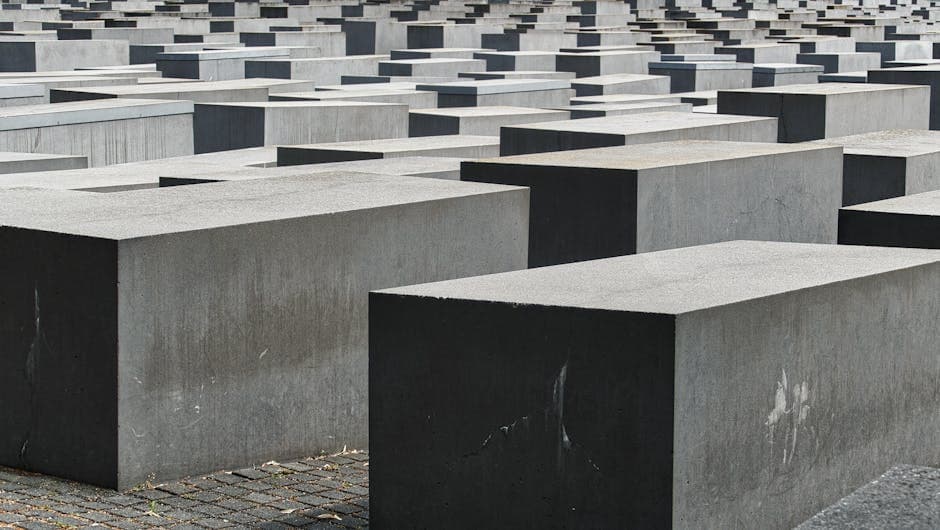
Stark field of stelae remembering murdered Jews
This stop explores the Memorial to the Murdered Jews of Europe as a central site of Holocaust remembrance near the government quarter. The script should describe the grid of concrete stelae, the undulating ground, and the underground information center, emphasizing the abstract, non‑figurative approach. It should explain the decision to focus this memorial specifically on Jewish victims and mention the broader landscape of memorials for other victim groups elsewhere in Berlin. Include an anecdote about early public controversies over the design and location, and another about visitor debates regarding appropriate behavior among the stelae, touching cautiously on how Berlin manages remembrance, tourism, and everyday urban life around such a site.
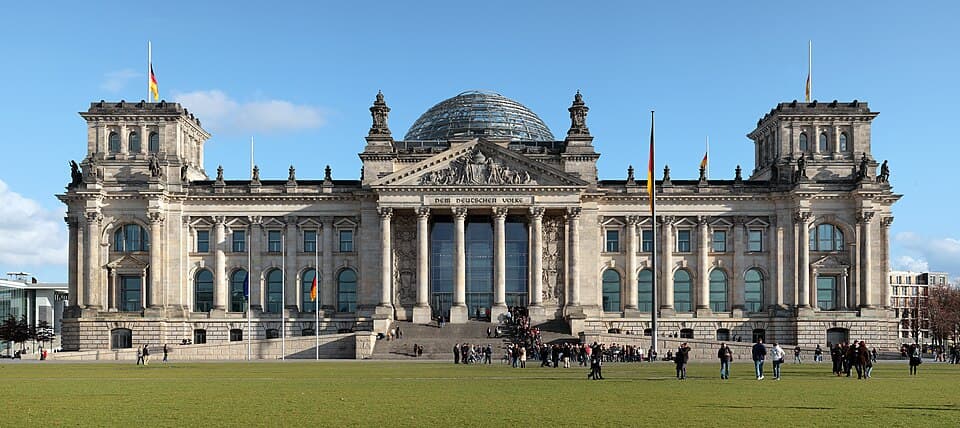
Reichstag Building
Parliament building scarred and reinvented
This stop presents the Reichstag Building as a key symbol of German parliamentary history, destruction, and democratic renewal. The script should cover its late‑19th‑century origins, the famous fire that weakened the Weimar Republic, wartime damage, and its later role after reunification as the seat of the Bundestag. Architecturally, it should explain the reconstruction by Norman Foster, particularly the glass dome as a metaphor for transparent democracy. Include an anecdote about soldiers raising the Soviet flag over the ruined Reichstag in 1945 and how that image circulated worldwide, and another about the post‑reunification decision to move the capital back from Bonn to Berlin, with heated debates about what the building should look like and represent.
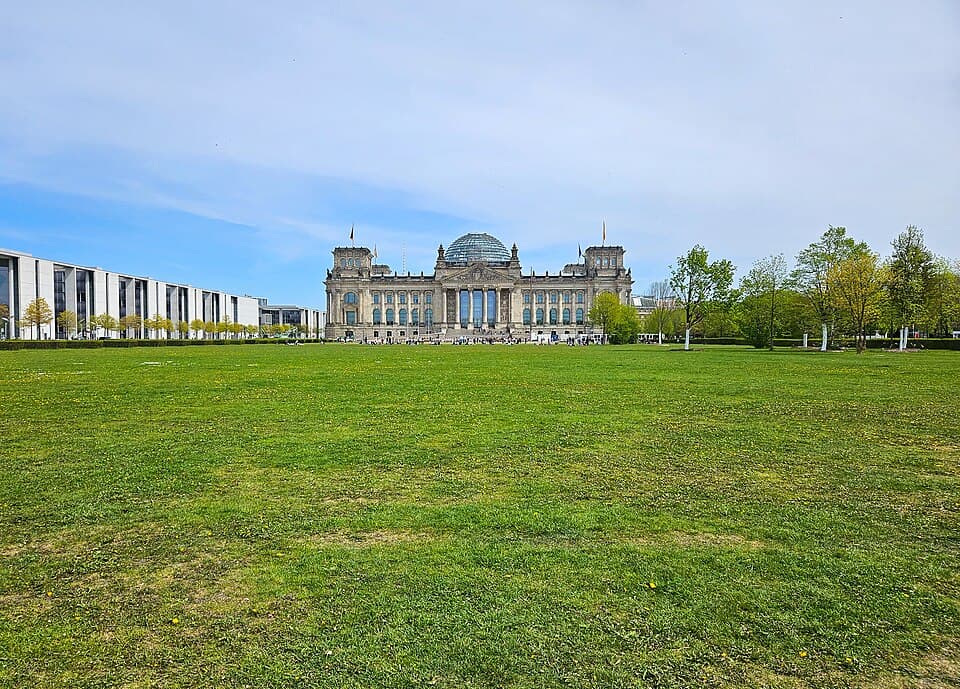
Platz der Republik
Open lawn before Germany’s parliament building
At this stop, the focus is on Platz der Republik as the large open space in front of the Reichstag that has hosted ceremonies, demonstrations, and everyday leisure. The script should describe the lawn, surrounding trees, and views toward the Reichstag and Tiergarten, explaining its transformation from an imperial parade ground to a site of democratic gatherings. It should mention the old Kaiserreich monuments that once stood here and their removal after 1945. Include an anecdote about large peace demonstrations or anti‑nuclear protests here during the Cold War, and another about the giant German flag that flies nearby and its symbolic role during reunification‑era events and parliamentary ceremonies.
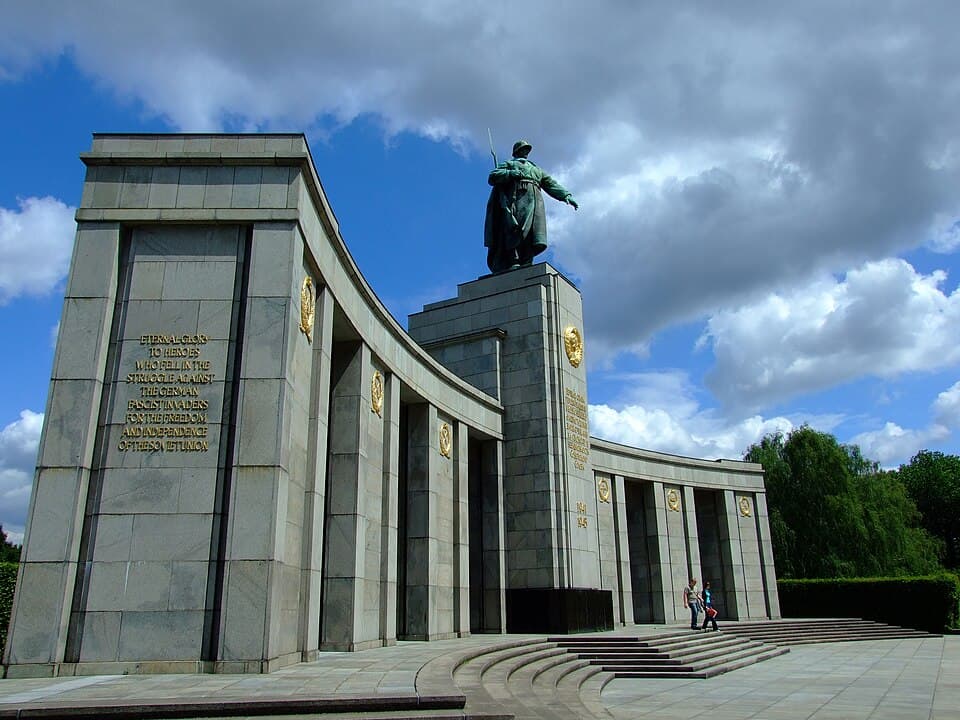
Soviet War Memorial Tiergarten
Red Army memorial in former British sector
This stop examines the Soviet War Memorial in Tiergarten as both a gravesite for Soviet soldiers and a political monument built shortly after Berlin’s capture. The script should describe the central statue of a Soviet soldier, the curved colonnade, tanks and artillery pieces, and the alignment toward the Brandenburg Gate. It should explain that the memorial ended up in the British occupation sector, requiring Allied guards during the Cold War. Include an anecdote about tensions surrounding Soviet ceremonies here on Victory Day while the Wall still stood, and another about later acts of vandalism or protests that triggered debates over how to protect, reinterpret, or contextualize Soviet monuments in a reunited Germany.
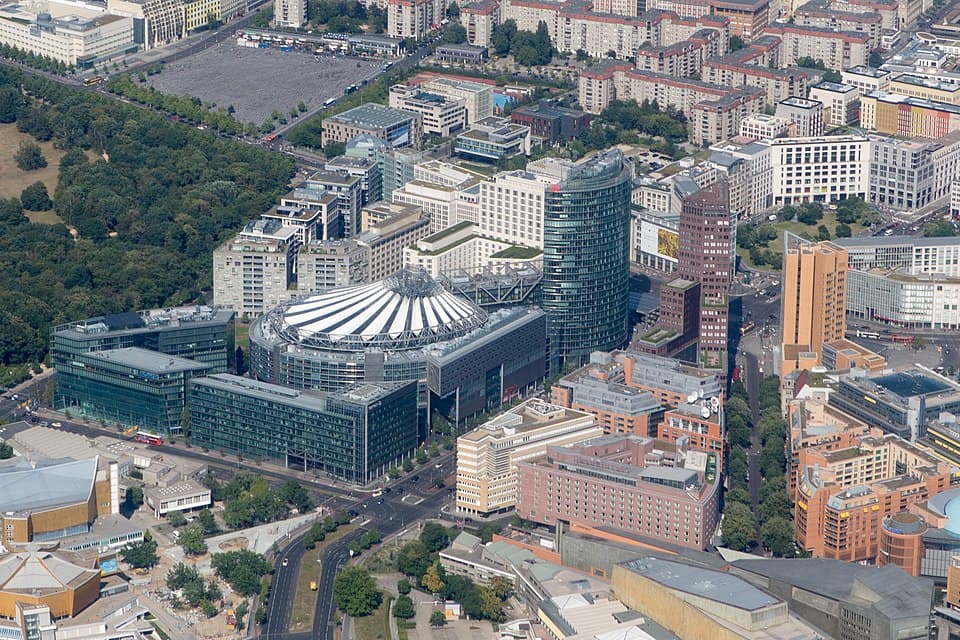
Potsdamer Platz
From bustling crossroads to Wall wasteland
This stop traces Potsdamer Platz’s transformation from one of Europe’s busiest squares before 1945 to a site of devastation, border fortifications, and then ambitious redevelopment. The script should evoke the pre‑war energy of traffic, cafes, and cinemas, then explain wartime destruction and the Berlin Wall slicing through the area, creating a barren no‑man’s‑land. It should then describe the 1990s–2000s architecture, including high‑rise offices, the Sony Center canopy, and preserved Wall segments. Include an anecdote about the famous pre‑war traffic tower with one of Europe’s earliest traffic lights, and another about the competition among global corporations to secure plots here after reunification, symbolizing Berlin’s push to reinvent itself as a modern capital.
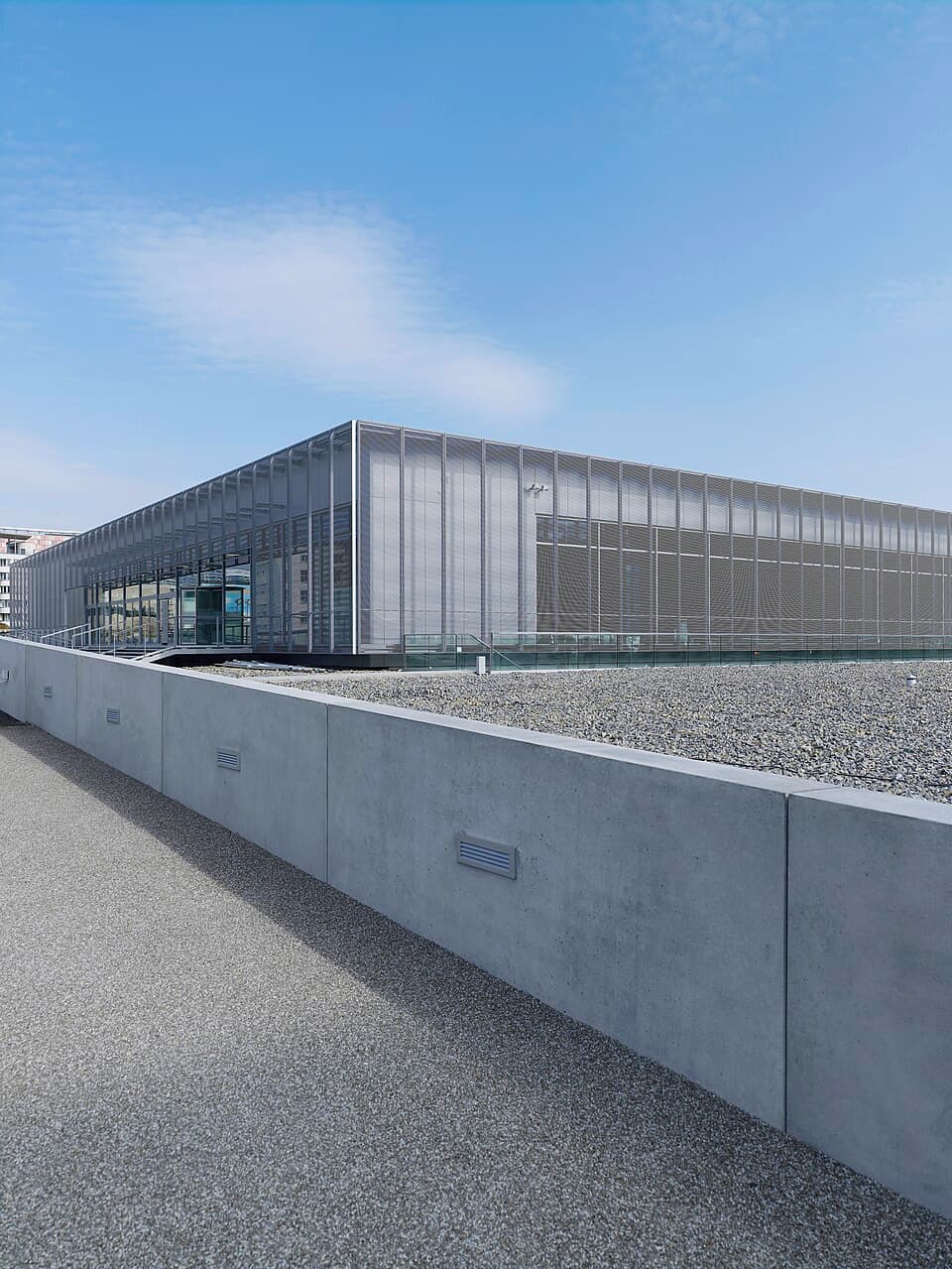
Topography of Terror
On the former Gestapo and SS headquarters site
Here the focus is on the Topography of Terror Documentation Center, situated on the former grounds of the Gestapo, SS, and Reich Security Main Office. The script should describe the exposed cellar foundations, outdoor exhibition panels, and modern pavilion, emphasizing the decision to leave much of the site open and raw. Historically, it should explain the role of these institutions in persecution, torture, and coordination of occupied Europe’s terror apparatus. Include an anecdote about the post‑war neglect of the site as a rubble field and parking lot before documentation began, and another about the discovery and excavation of the cellar remains in the 1980s, which catalyzed public pressure to create a permanent educational center.
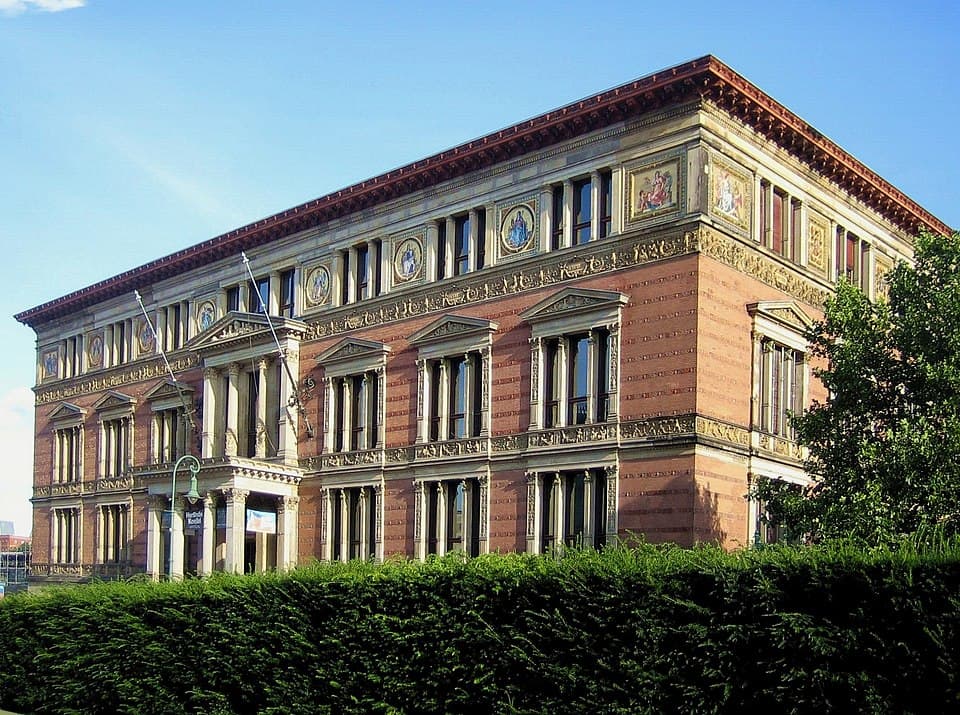
Niederkirchnerstraße and Martin-Gropius-Bau
Border street and historic exhibition hall exterior
This stop looks at Niederkirchnerstraße as a once‑unremarkable street that became a key border line, and at the exterior of the Martin‑Gropius‑Bau, a richly decorated 19th‑century exhibition hall. The script should point out remnants of the Berlin Wall along the street and explain how this stretch marked the divide between East and West Berlin. It should describe the Martin‑Gropius‑Bau’s neo‑Renaissance facade and original purpose for arts and crafts exhibitions. Include an anecdote about how the Wall here cut off access to the building and left it damaged and neglected for years in the GDR, and another about the post‑reunification restoration that turned it into a major cultural venue, symbolizing the reclaiming of historic architecture on the former border.
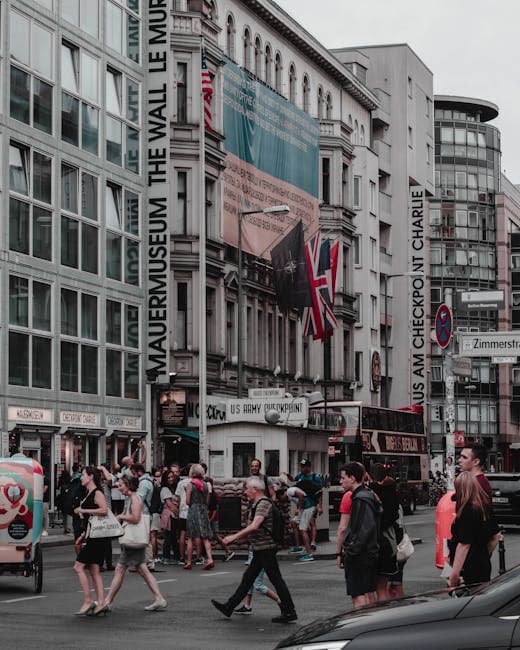
Checkpoint Charlie
Iconic Cold War border crossing point
At this stop, the emphasis is on Checkpoint Charlie as the best‑known border crossing between Soviet and American sectors during the Cold War. The script should describe the small guardhouse replica, signage, and surrounding museums and displays, and explain the checkpoint’s role in regulating military and diplomatic traffic. Historically, it should recall tense tank stand‑offs and high‑profile escapes or failed escape attempts nearby. Include an anecdote about the 1961 confrontation when American and Soviet tanks faced each other at close range, and another about a specific daring escape story involving modified vehicles or disguises that captured global media attention, illustrating individual courage amid geopolitical standoff.
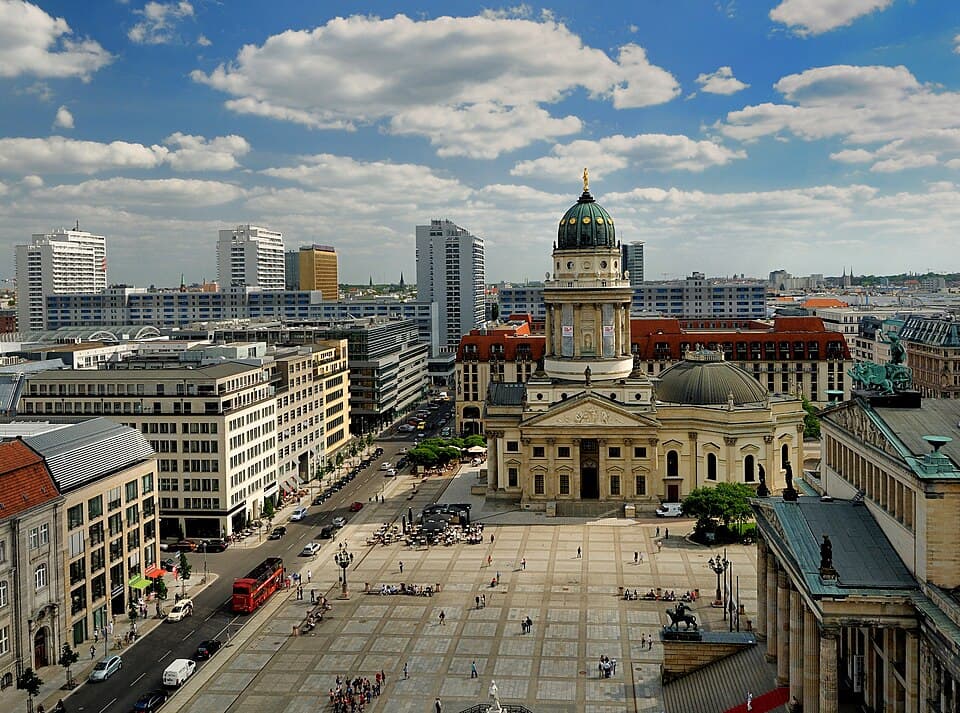
Gendarmenmarkt
Elegant square with twin churches and concert hall
This stop presents Gendarmenmarkt as one of Berlin’s most harmonious classical squares, framed by the German and French Cathedrals and the Konzerthaus. The script should describe the layout, the steps and statues, and the visual symmetry between the two church towers, while explaining the square’s origins and links to Huguenot refugees. It should cover wartime destruction and careful post‑war reconstruction of the ensemble. Include an anecdote about 18th‑ or 19th‑century public life here, such as open‑air markets or festivals that animated the square, and another about how it has hosted major cultural events and open‑air concerts in recent decades, reflecting Berlin’s shift from militarized space to civic and artistic use.
Unter den Linden
Historic boulevard ending near Bebelplatz square
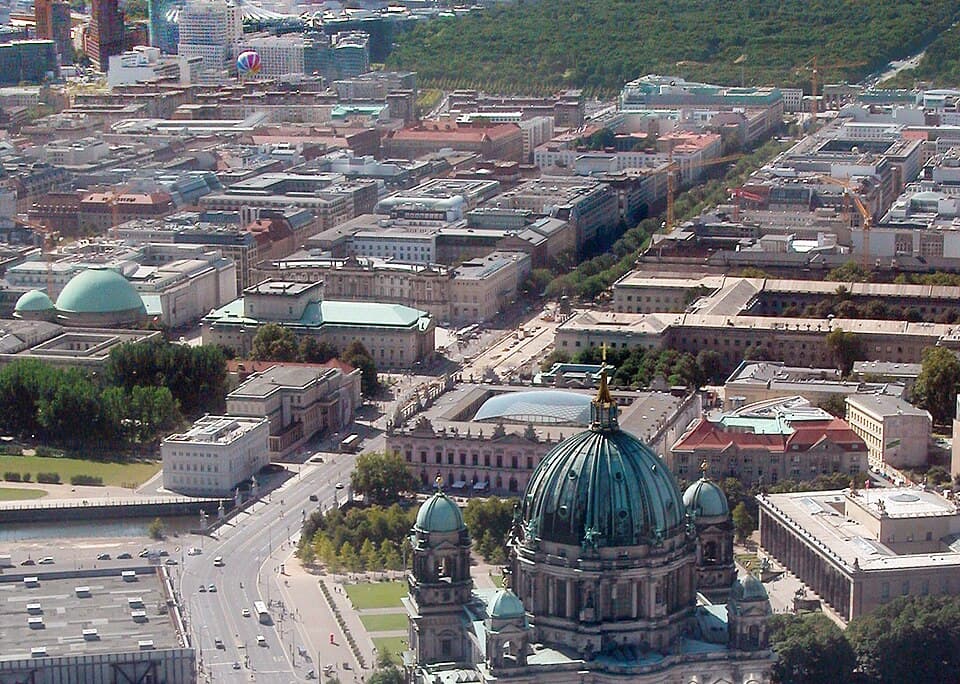
The final stop uses Unter den Linden as a lens on Berlin’s long history from Prussian court avenue to modern capital boulevard. The script should describe the tree‑lined street, key facades visible near Bebelplatz (such as the opera house, university, and former royal buildings), and its role linking Brandenburg Gate to the city center. It should mention Enlightenment‑era promenading and intellectual life as well as darker episodes like the 1933 Nazi book burning at Bebelplatz. Include an anecdote about a famous thinker or composer associated with institutions along the boulevard, and a separate one about the post‑war and GDR‑era reconstructions that altered its appearance, allowing a reflection on how the tour’s themes converge in this final vista.
Start This Tour
Download Roamway to experience this audio tour
Tour Details
Access
Free
Stops
12 points of interest
Languages
GermanEnglishSpanishFrench
More tours in Berlin
View all tours in BerlinOther tours you might enjoy:
Berlin Kreuzberg: Street Art, Canals and Counterculture
This tour explores Kreuzberg’s Görlitzer Bahnhof area, Görlitzer Park, and the canal paths along the Landwehrkanal between Lohmühlenbrücke and Admiralbrücke. It focuses on street art, migrant histories, punk and club culture, and everyday life around Kottbusser Tor, Oranienstraße, Maybachufer, and the former hospital complex at Mariannenplatz.
Berlin: Monuments, Memory and Museum Island Classics
This central Berlin tour focuses on Unter den Linden, Bebelplatz, and Museum Island, featuring monuments, churches, and cultural institutions. It examines Prussian and imperial architecture, war and Cold War legacies, and contemporary reconstruction debates. Key sites include Brandenburg Gate, Bebelplatz, Neue Wache, Berliner Dom, Humboldt Forum, and the major Museum Island façades.
Berlin: Bernauer Straße Wall History & Mauerpark Culture
This tour follows the former Berlin Wall along Bernauer Straße and into Mauerpark, tracing key sites of division, escape attempts, and remembrance. It includes the Berlin Wall Memorial, preserved border installations, the Chapel of Reconciliation, and Wall history plaques, then continues through Mauerpark, the flea market area, and nearby streets to explore everyday GDR life and post-reunification change.
Frequently Asked Questions
How do I start this audio tour?
Download the Roamway app, search for this tour, and tap 'Start Tour'. The app will guide you to the starting point using GPS. Once you're there, the audio narration begins automatically.
Do I need an internet connection?
No! Once you've downloaded the tour in the Roamway app, it works completely offline. The GPS navigation and audio narration function without an internet connection.
Can I pause and resume the tour?
Yes! You can pause the tour at any time and resume later. Your progress is automatically saved, so you can complete the tour over multiple sessions if needed.