
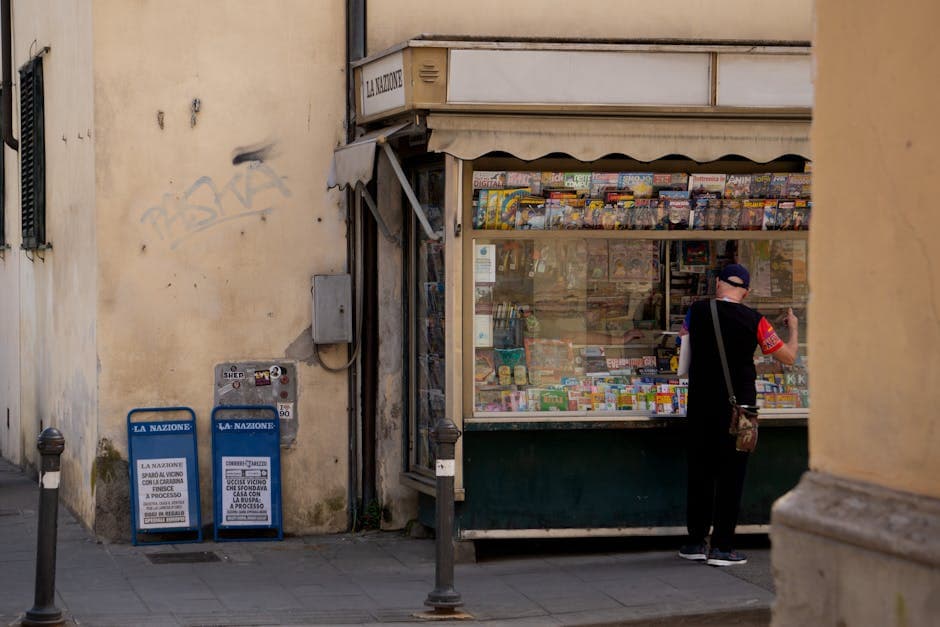
Florence Oltrarno: Riverside Views, Artisans and Local Life
Firenze, Italia
Audio Preview
Listen to a sample of this audio tour to get a feel for the experience.
What You'll Experience
On this Florence Oltrarno: Riverside Views, Artisans and Local Life audio tour in Firenze, you'll discover 12 carefully selected points of interest, each with its own story. The tour is designed to be completed at your own pace, with GPS navigation guiding you from one location to the next. As you approach each stop, the audio narration automatically begins, bringing history, culture, and local insights to life.
About This Tour
This tour explores Florence’s Oltrarno district, from Ponte Santa Trinita and riverside views of the Arno and Ponte Vecchio to historic palaces, churches, and medieval gates. It includes artisan streets like Via Maggio and Via Romana, key sites such as Santo Spirito and the Brancacci Chapel, and the San Niccolò neighborhood beneath Piazzale Michelangelo. History, Renaissance art, daily markets, and traditional crafts are examined along the route.
Points of Interest
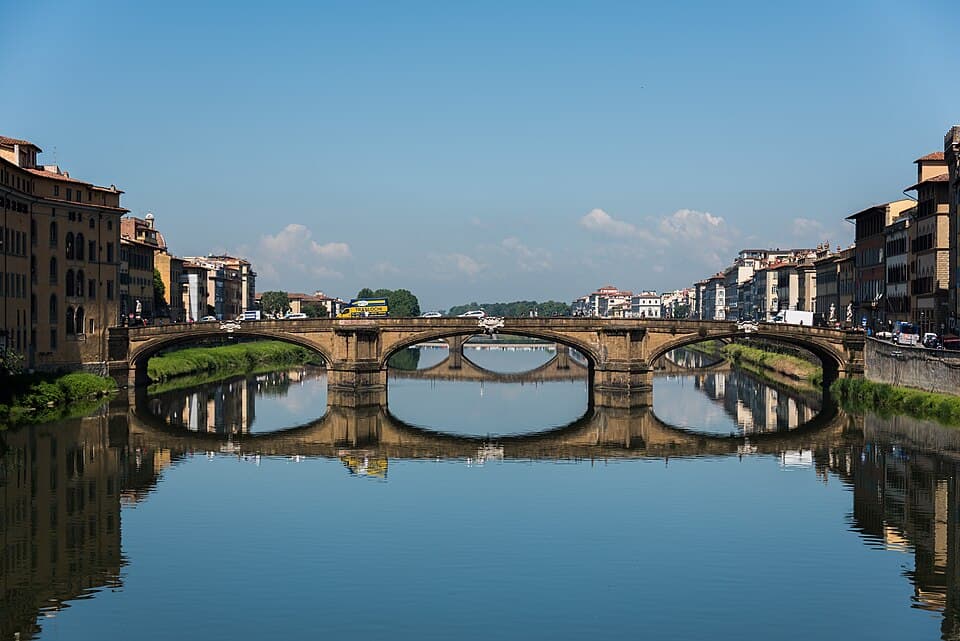
Ponte Santa Trinita
Elegant bridge with sweeping views of Arno
This stop introduces the Arno River and Oltrarno from the vantage of Ponte Santa Trinita, one of Florence’s most graceful bridges. The narration should describe the bridge’s elegant arches, its history of destruction and reconstruction, and its role as a visual balcony over the river. The guide can contrast the more formal north bank with the artisans’ Oltrarno side, visible ahead. An anecdote might cover how locals salvaged the bridge’s statues from the river after wartime damage, or how everyday life plays out along the riverbanks at different times of day.
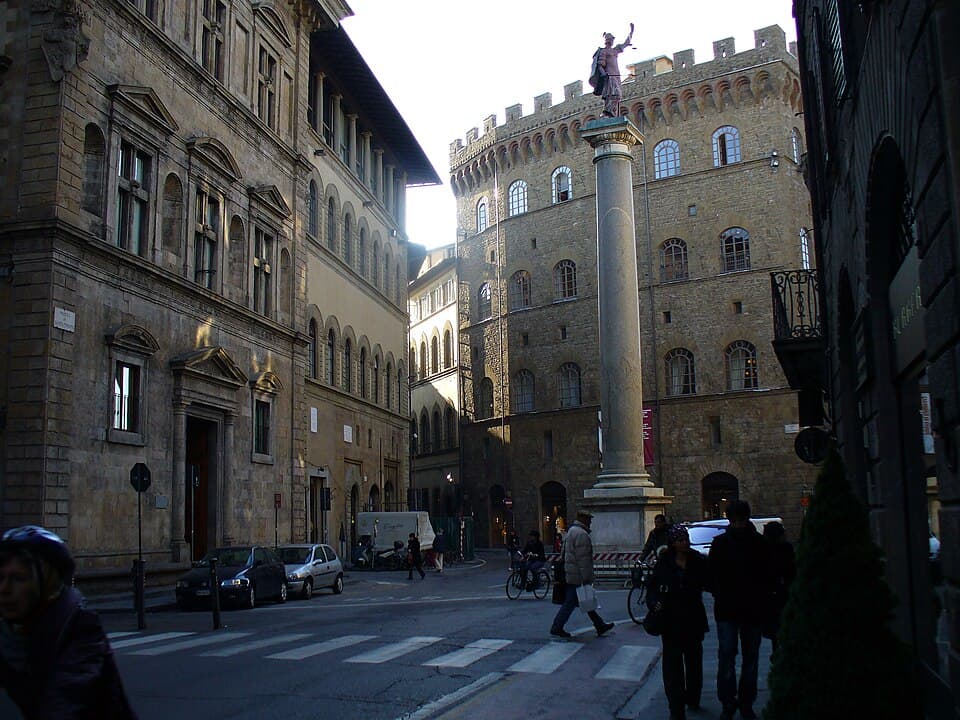
Piazza Santa Trinita
Square of merchant palaces and river gateway
This stop focuses on Piazza Santa Trinita as a north-bank threshold that points directly toward Oltrarno. The script should describe the surrounding palaces, especially Palazzo Strozzi and Palazzo Spini Ferroni, noting their stone facades, rustication, and association with powerful merchant-banking families. The central column and church of Santa Trinita can be briefly mentioned as part of the square’s layered history. An anecdote might involve rivalries between elite families who commissioned these palaces or how the square functioned during public celebrations and processions leading toward the bridge.

Via Maggio
Grand Oltrarno street of palaces and antiques
Here the tour steps into Oltrarno via Via Maggio, known for its historic palaces and today’s antique shops. The guide should describe the long, straight perspective of the street, the facades of noble residences, and how aristocratic families gradually moved across the river. Attention can be given to carved stone portals, coats of arms, and varied window styles. An anecdote might highlight how antique dealers repurposed ground-floor spaces of these palaces in the 19th or 20th century, or recall a notable resident or salon associated with one of the grand houses along the street.
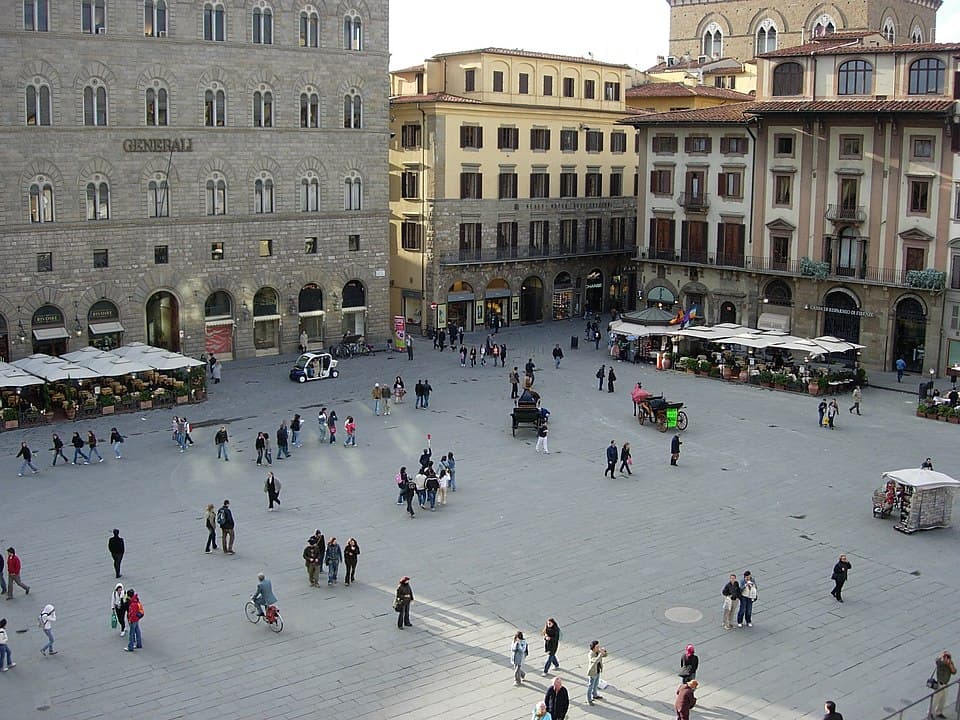
Piazza della Passera
Tiny Oltrarno square with intimate neighborhood feel
This stop centers on the small, irregular Piazza della Passera and its immediate surroundings. The narration should evoke the sense of a tucked-away neighborhood square, with cafes, bars, and small workshops nearby, contrasting it with the grand avenues just a few minutes away. Historically, the area’s more popular and sometimes rough reputation can be mentioned, in contrast to patrician zones. An anecdote might explain theories about the square’s unusual name or refer to a local tradition or gathering that shows its role as a social hub for residents rather than formal ceremonies.
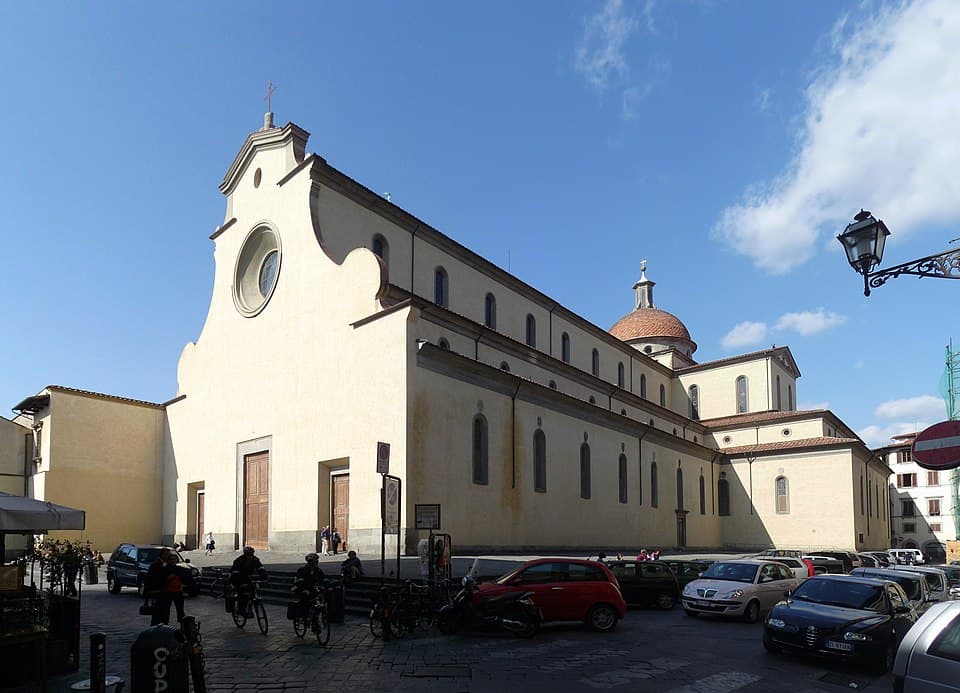
Basilica di Santo Spirito
Renaissance church of Brunelleschi’s harmonious design
This stop explores Santo Spirito’s exterior and, if accessible, its interior. The guide should discuss the church’s smooth, pale facade, its location close to the river, and its reputation as one of the purest expressions of Renaissance architectural proportion, associated with Filippo Brunelleschi. Inside, the focus can be on the orderly nave, side chapels, and notable artworks, including a crucifix attributed to Michelangelo, if appropriate to mention cautiously. An anecdote might mention how the austere facade was long debated or how the adjoining convent once shaped the life of the surrounding quarter, with processions spilling into the streets.
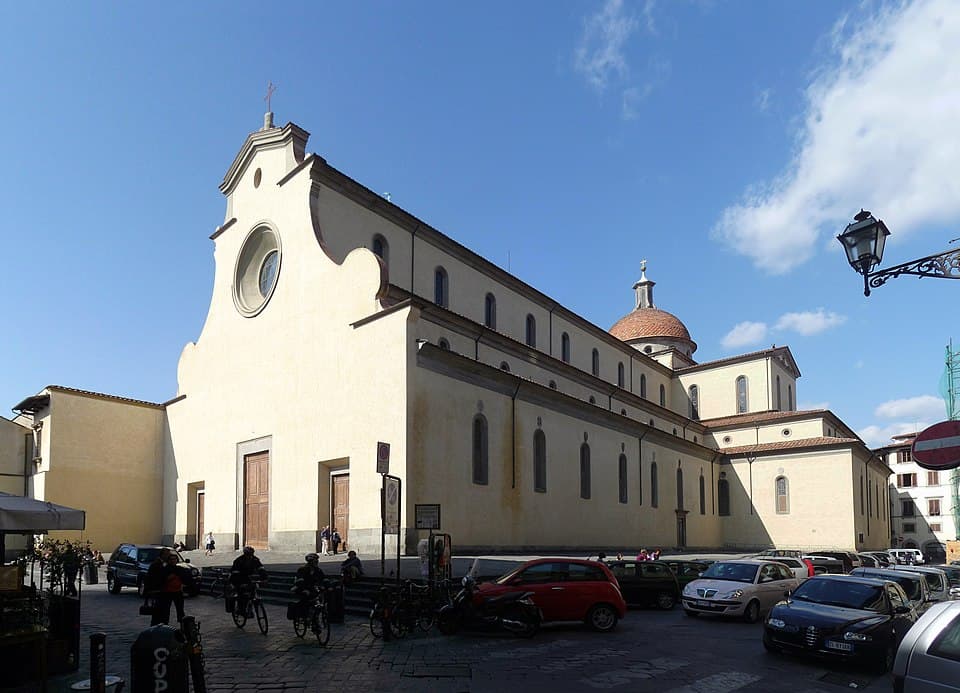
Piazza Santo Spirito
Lively square with markets and neighborhood life
This stop uses Piazza Santo Spirito to illustrate Oltrarno’s daily rhythms. The narration should describe the broad, rectangular space, its trees, cafes, and regular market stalls, and how it functions as a social and commercial heart for locals. The relationship between the square and the church facade should be emphasized, including how processions, markets, and evening gatherings animate the space. An anecdote might recount a recurring neighborhood festival, a story about how residents have defended the square’s character over time, or a remembered scene of early-morning market setup contrasting with late-night bar life.
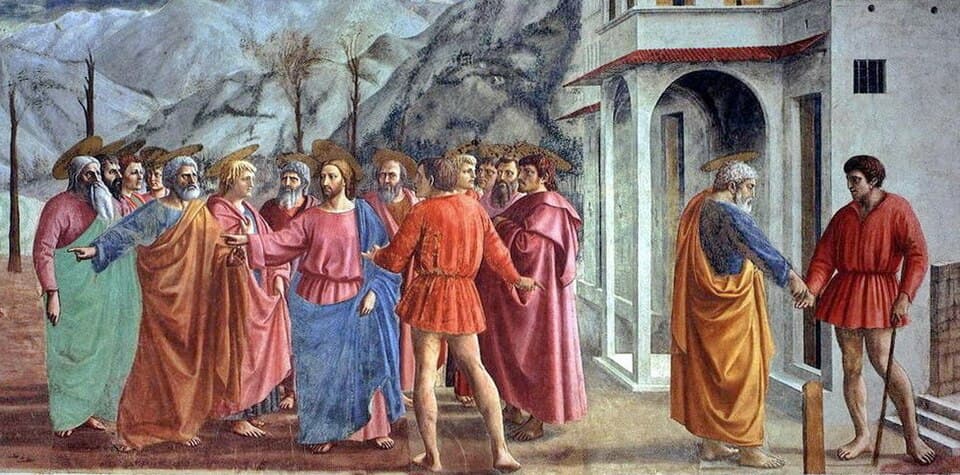
Brancacci Chapel
Masaccio’s groundbreaking frescoes in Carmine church
This stop is dedicated to the Brancacci Chapel within Santa Maria del Carmine and the surrounding exterior. The guide should explain the chapel’s significance for early Renaissance painting, focusing on Masaccio’s innovative use of light, perspective, and human emotion. If the visitor has access inside, the narration can outline key scenes like the Expulsion from Eden and the Tribute Money, and the later contributions of other artists. Outside, the Carmine’s facade and cloister area can set context as a mendicant church in a working neighborhood. An anecdote might reference how young artists once came here to study the frescoes as a “school of the world” for painting.
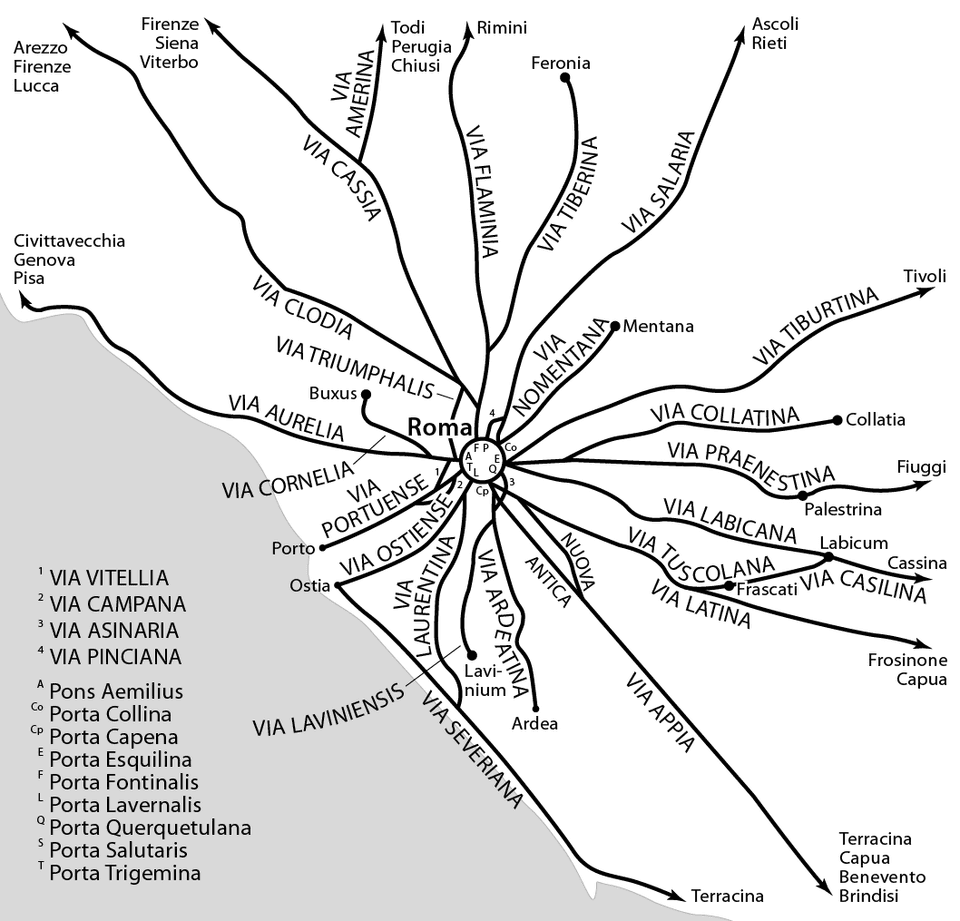
Via Romana
Artisan street linking Oltrarno to city gate
This stop follows Via Romana as a corridor of artisans and small workshops leading toward Porta Romana. The narration should highlight typical Oltrarno crafts found here today—leatherwork, restoration, frame-making, goldsmithing—and connect them to the historical guild system of Florence. Visual cues include modest shopfronts, open doors revealing workbenches, and signs referencing traditional trades. An anecdote might focus on a multi-generation workshop that maintained its craft through changing times, or on how certain skills, like intricate gilded frames, support the city’s museums and collectors behind the scenes.
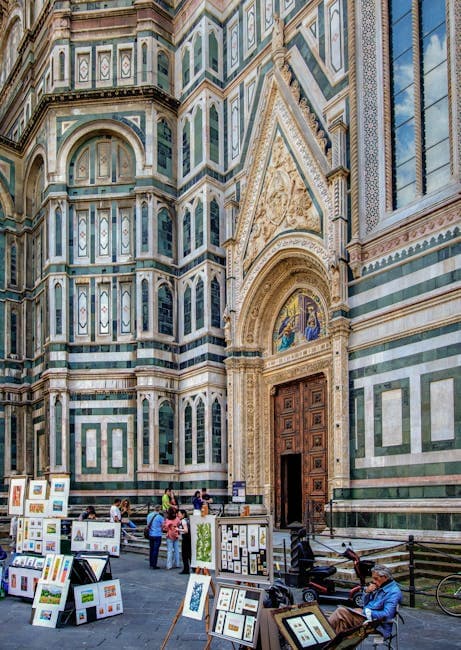
Porta Romana
Surviving city gate and fragment of old walls
This stop centers on Porta Romana as one of Florence’s remaining city gates, marking the boundary of the historic walls. The narration should describe the gate’s massive stone arch, flanking walls, and any visible remnants of defensive structures, explaining their role in controlling access toward Rome. It can link back to the idea of Oltrarno as both threshold and protective zone. An anecdote might recall ceremonial entries of important visitors passing through this gate, or how the walls were partially demolished in the 19th century, leaving this section as a tangible reminder of the walled city.
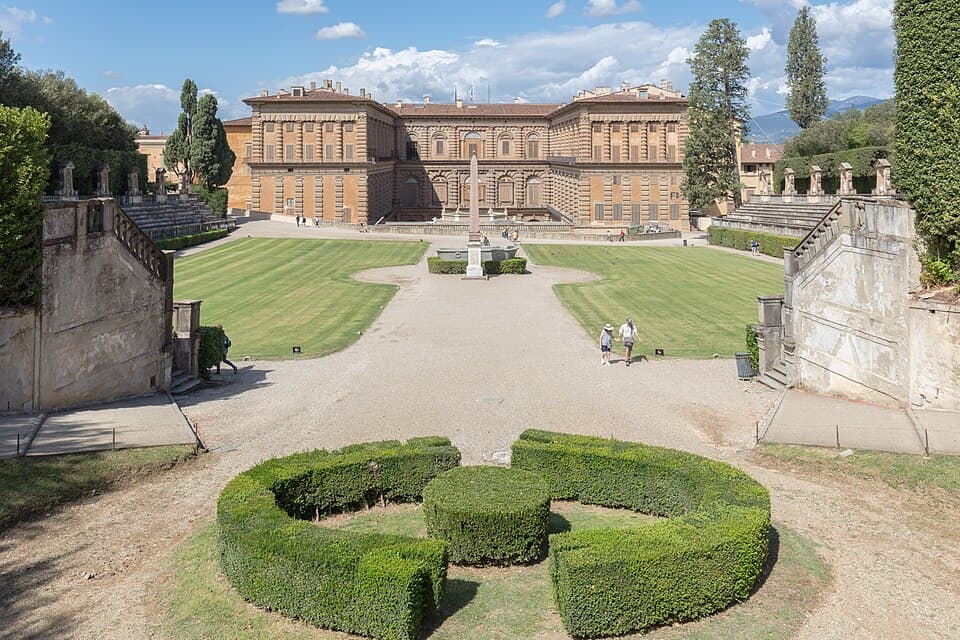
Boboli Gardens Edge
Green hillside backdrop by Annalena entrance
This stop uses the Annalena/Boboli edge area to talk about the gardens as a symbol of Medici power and hillside planning, without requiring a full visit. The guide should describe the elevated greenery behind walls, the sense of a hidden world of terraces, fountains, and sculptures, and how such gardens expressed courtly life. The nearby streets can be discussed as quieter, with fewer shops and more walls and gateways. An anecdote might mention how the gardens opened to the public in later centuries, changing from private ducal space to shared urban park, or recall a notable event or gathering that took place in this leafy setting.
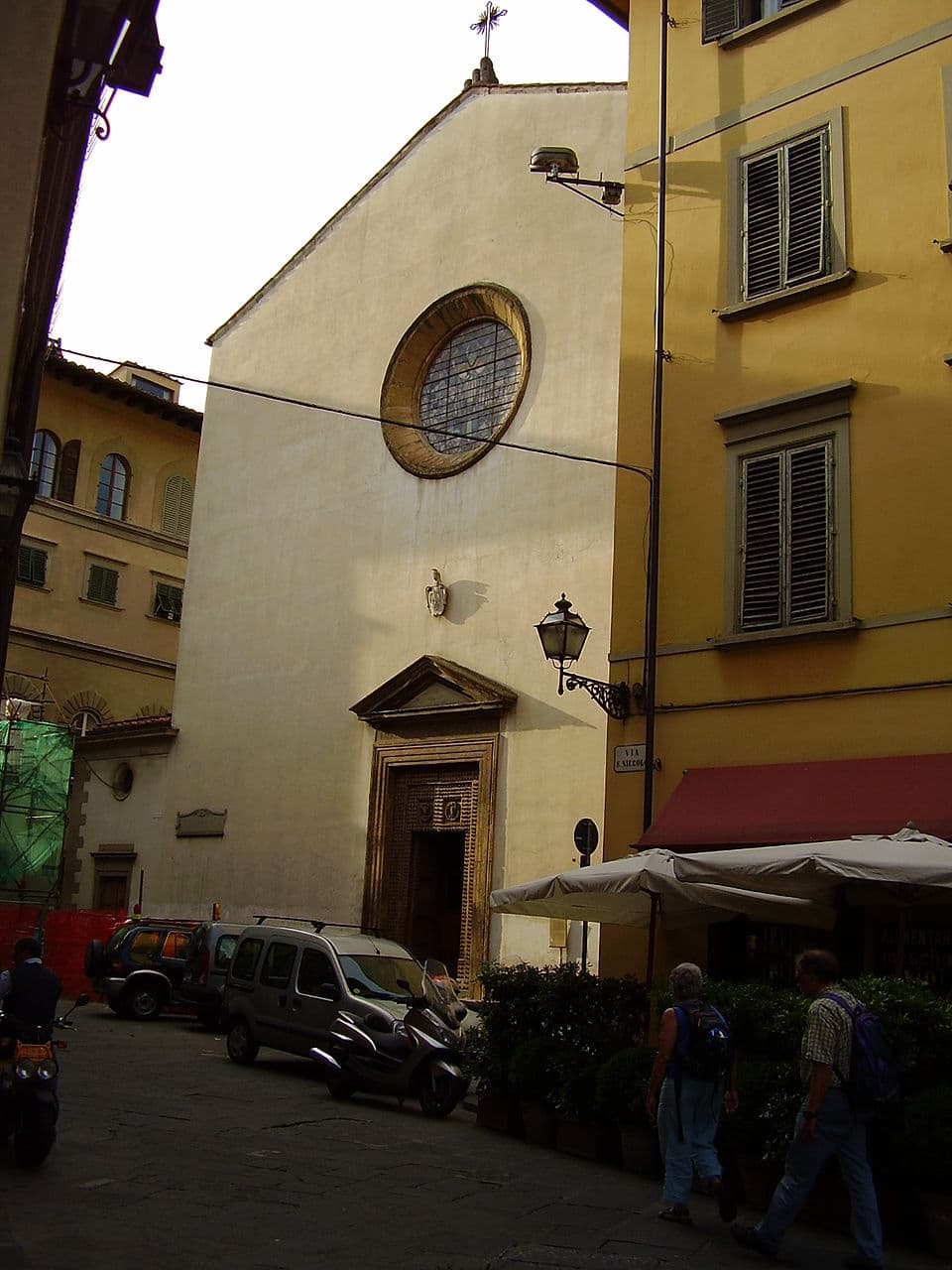
San Niccolò Neighborhood
Village-like quarter beneath Piazzale Michelangelo
This stop introduces the San Niccolò neighborhood at the foot of the hills, combining river proximity with a village atmosphere. The narration should describe its narrow streets, low houses, studios, and bars, and how it feels tucked between the Arno and the slope up to Piazzale Michelangelo. Historically, its role as a semi-rural riverside suburb can be contrasted with denser central Oltrarno. An anecdote might highlight a local studio tradition, such as artists using the light from hillside-facing windows, or a story about how residents marked seasonal events with small neighborhood celebrations in streets and courtyards.
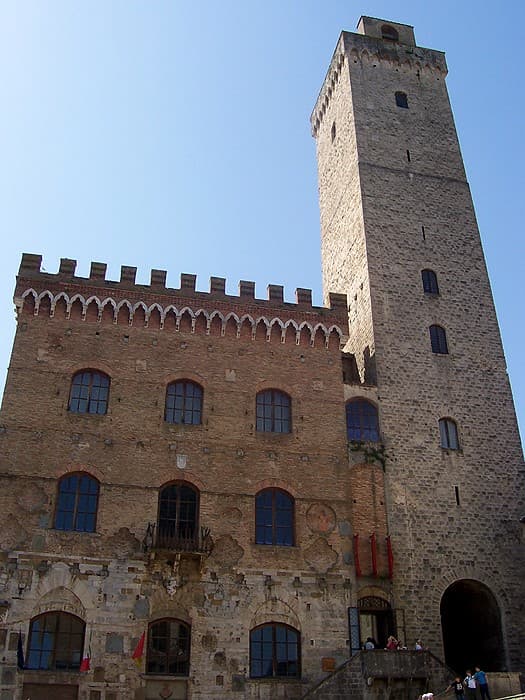
Torre San Niccolò
Medieval tower guarding Arno crossing
This final stop focuses on Torre San Niccolò as a surviving tower of the old city walls that once guarded the approach along the Arno. The narration should describe its tall, rectangular profile, visible stair openings, and relationship to the line of former walls climbing toward Piazzale Michelangelo. The guide can explain how such towers worked with gates to defend the city and observe river traffic. An anecdote might mention the tower’s seasonal opening for visitors today or how its elevated viewpoints echo the watch duties of medieval guards, closing the tour with a reflection on Florence’s layered defenses and river landscape.
Start This Tour
Download Roamway to experience this audio tour
Tour Details
Access
Free
Stops
12 points of interest
Languages
GermanEnglishSpanishFrench
More tours in Firenze
View all tours in FirenzeOther tours you might enjoy:
Florence: Medici Power, Palaces and Churches
This tour explores central Florence through key Medici sites, from San Lorenzo and its basilica, chapels, and palace to San Marco, Piazza Santissima Annunziata, and the political center around Palazzo Vecchio and Piazza della Signoria. It examines Medici patronage, art, architecture, religion, and government, including the Uffizi courtyard, Vasari Corridor exterior, and Pitti Palace.
Florence: Markets, Street Food and Wine Culture
This tour explores Florence’s food culture through historic markets, street food areas, and traditional wine bars on both sides of the Arno. It includes Mercato Centrale, Sant’Ambrogio, Via dei Neri, and the Santa Croce and Oltrarno districts. Themes include everyday Florentine life, local products, wine traditions, and artisan gelato.
Florence: Duomo Complex and Renaissance Churches Highlights
This tour focuses on Florence’s historic center, from the Piazza del Duomo and its cathedral complex to Orsanmichele, Badia Fiorentina, Santa Croce, and Santa Maria Novella. It examines medieval and Renaissance architecture, religious art, funerary monuments, and civic history, including key façades, sculptural programs, and interior highlights where accessible.
Frequently Asked Questions
How do I start this audio tour?
Download the Roamway app, search for this tour, and tap 'Start Tour'. The app will guide you to the starting point using GPS. Once you're there, the audio narration begins automatically.
Do I need an internet connection?
No! Once you've downloaded the tour in the Roamway app, it works completely offline. The GPS navigation and audio narration function without an internet connection.
Can I pause and resume the tour?
Yes! You can pause the tour at any time and resume later. Your progress is automatically saved, so you can complete the tour over multiple sessions if needed.