
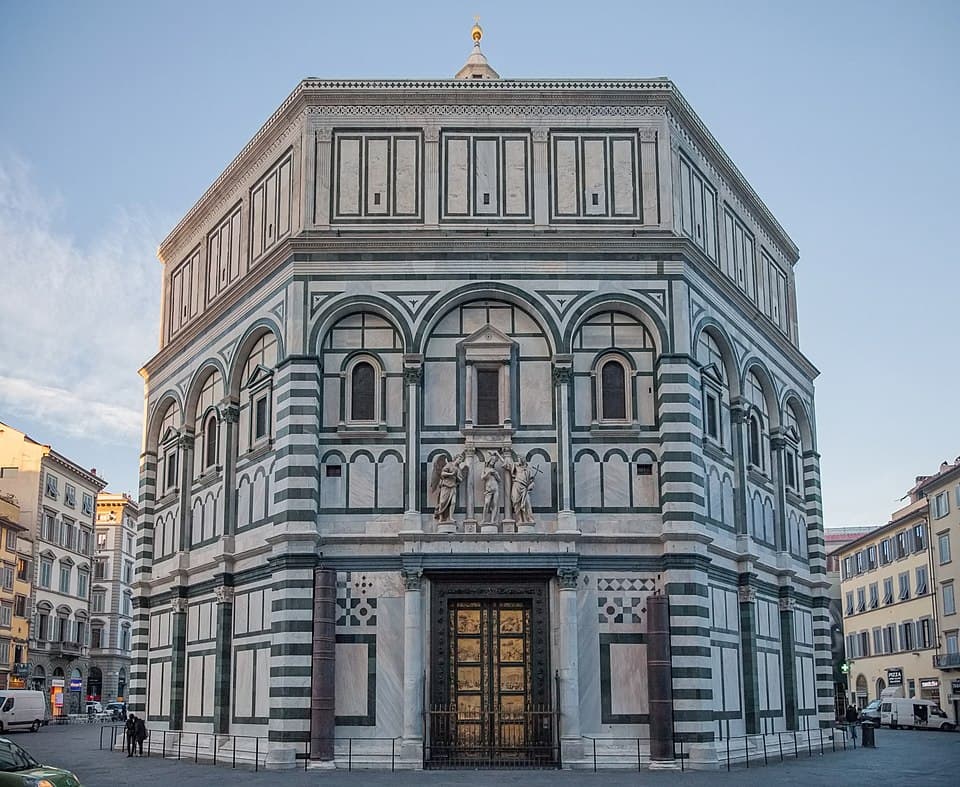
Florence: Medieval Center, Dante Sites and Civic Power
Firenze, Italia
Audio Preview
Listen to a sample of this audio tour to get a feel for the experience.
What You'll Experience
On this Florence: Medieval Center, Dante Sites and Civic Power audio tour in Firenze, you'll discover 12 carefully selected points of interest, each with its own story. The tour is designed to be completed at your own pace, with GPS navigation guiding you from one location to the next. As you approach each stop, the audio narration automatically begins, bringing history, culture, and local insights to life.
About This Tour
This tour explores Florence’s medieval core from Piazza della Repubblica to Piazza Santa Croce, following streets like Via Calzaiuoli and key civic spaces. It examines guild power, religious institutions, and Dante-related locations while highlighting architecture, former markets, towers, churches, and palaces that illustrate Florence’s political and cultural history.
Points of Interest
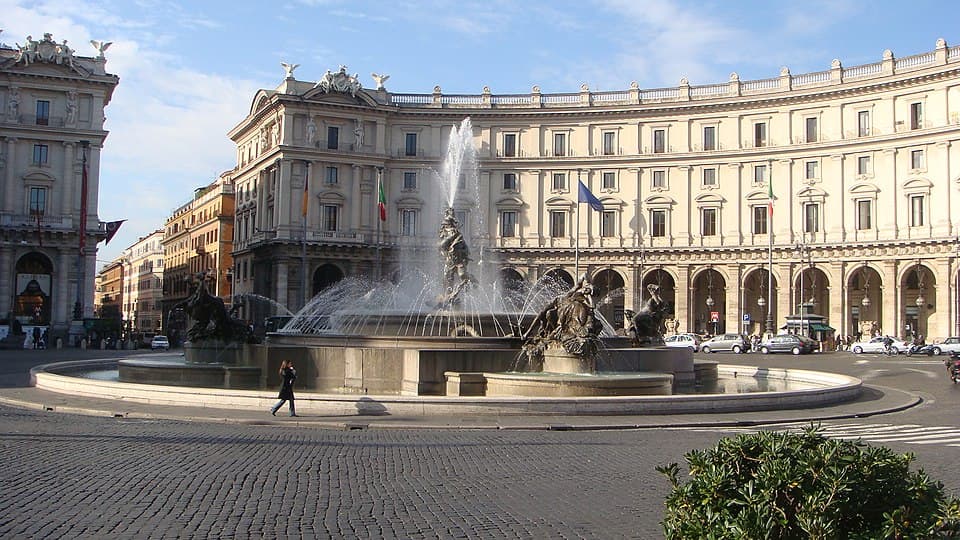
Piazza della Repubblica
From Roman forum to vanished medieval market
This stop introduces Florence’s historical layers by focusing on Piazza della Repubblica as the site of the Roman forum, the medieval Mercato Vecchio, and the 19th‑century urban reshaping. The narration should explain how dense medieval streets, markets, and the former Jewish ghetto were demolished during the so‑called Risanamento to create this regular, elegant square. Architecturally, it should note the triumphal arch and uniform 19th‑century facades that contrast with older areas nearby. One anecdote to highlight is the inscription on the arch celebrating the “ancient centre of the city” despite having just erased much of that old centre, raising questions about memory and identity.
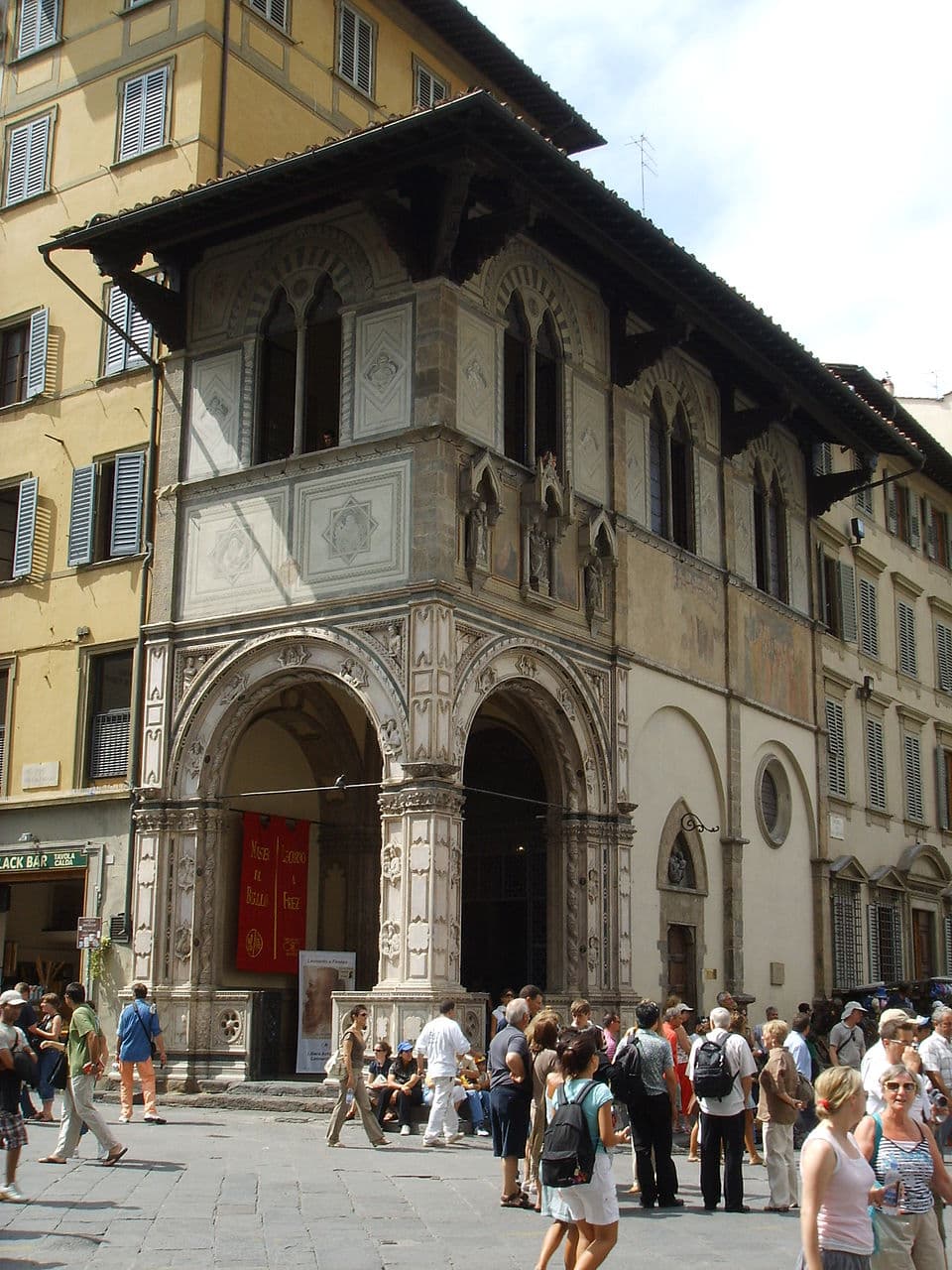
Loggia del Bigallo
Charity, confraternities, and Duomo corner life
At the Loggia del Bigallo, the focus is on medieval charity, confraternities, and their visibility next to the cathedral complex. The script should describe the small Gothic loggia, its delicate arches and statues, and its relation to the Baptistery and Duomo across the street. Historically, it can explain how a lay confraternity managed the Bigallo as a place where abandoned children and the poor were presented and assisted, blending piety with social control. A distinctive anecdote is the public display of foundlings here, where infants were sometimes shown on the loggia so patrons could see the results of charitable giving, a practice that could be both compassionate and performative.
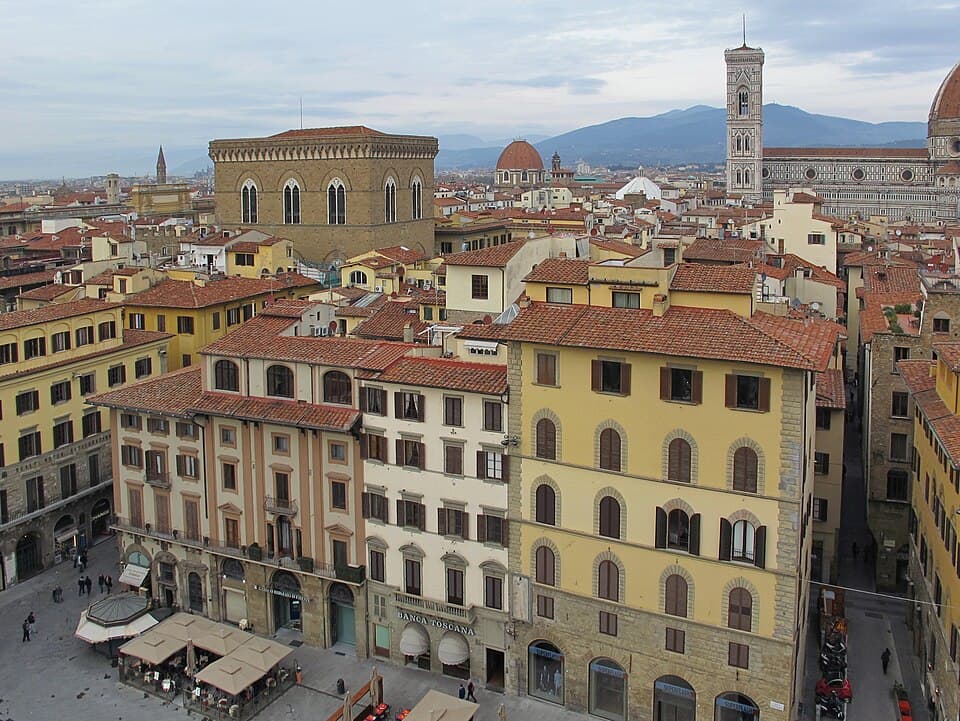
Via Calzaiuoli
Medieval spine linking church and city hall
Via Calzaiuoli represents Florence’s principal medieval artery connecting religious and civic power, running from the cathedral area toward Piazza della Signoria. The narration should highlight its straight, busy character today while explaining that its name comes from the shoemakers’ guild, one of several guilds that once lined the street. Visually, it can point out the mix of later palaces, shopfronts, and occasional older fragments that hint at the denser medieval fabric. A unique anecdote to include is that in the Middle Ages, processions regularly moved along this axis between the Baptistery and the seat of government, turning the street into a ceremonial route as well as a commercial one.
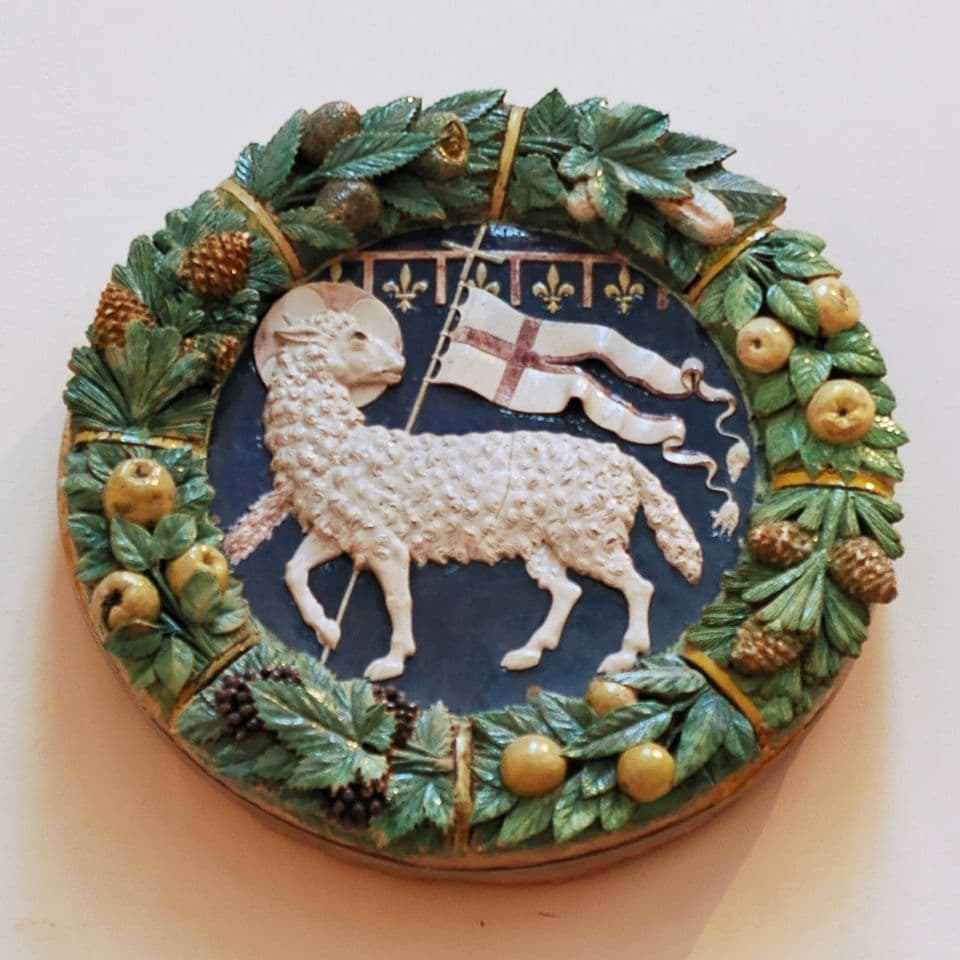
Church of Orsanmichele
Guild church born from a grain market
At Orsanmichele, the story centers on how a practical grain market evolved into a richly decorated guild church, symbolizing the intertwining of commerce and devotion. The narration should describe the robust, almost fortress-like exterior with its large arched openings (once open loggias) and the niches containing statues commissioned by major guilds. Inside, it can mention the elaborate tabernacle and the revered image of the Virgin that drew pilgrims and donations. A distinctive anecdote is that after fires and reconstructions, the city decided to enclose the former open market, moving grain trade elsewhere and turning this space into a church where guilds competed through increasingly lavish sculptures to display their prestige.
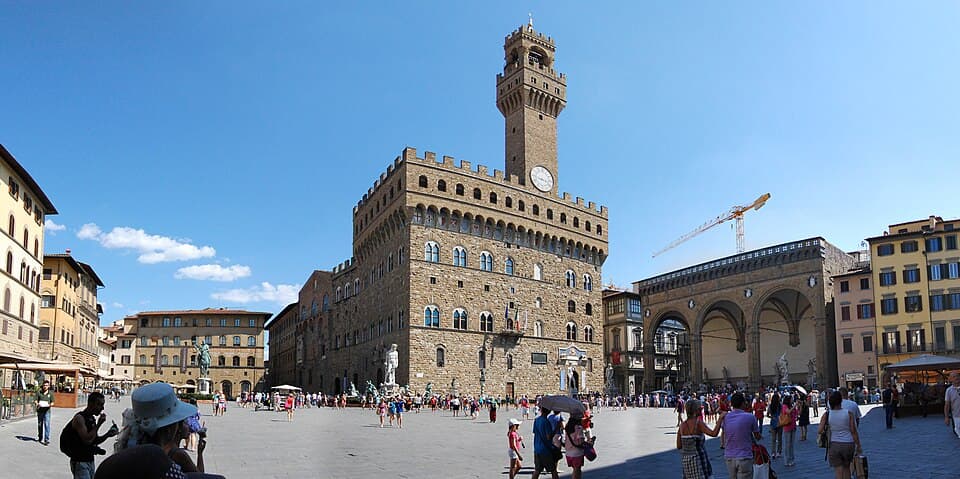
Piazza della Signoria
Stage of Florentine civic power struggles
Piazza della Signoria is the core of Florence’s medieval and Renaissance civic life, dominated by Palazzo Vecchio and an array of statues. The script should explore its role as the seat of the republic’s government, a place for assemblies, proclamations, and public punishments. Key visual elements include Palazzo Vecchio’s crenellated tower, the Loggia dei Lanzi, fountain, and sculptural groupings that narrate civic virtues and political messages. A unique anecdote to include is the execution and hanging of Girolamo Savonarola here after his theocratic experiment, with his body burned on the square—an event still marked by a small plaque on the pavement.
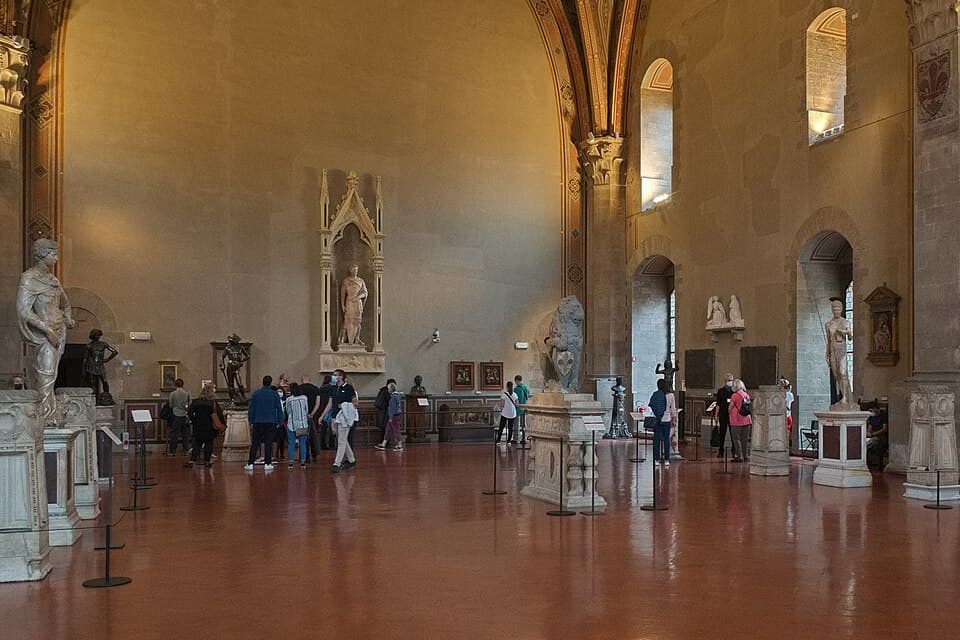
Bargello Museum Exterior
Fortress of the people turned grim prison
The exterior of the Bargello allows a focus on Florence’s early communal institutions and later penal history. The narration should explain that this massive, crenellated building first served as the Palazzo del Podestà and a residence for early magistrates, before becoming the seat of the city’s chief of police and a prison. Listeners should be invited to notice its tall, irregular tower, austere stone walls, and internal courtyard glimpsed through the entrance. A distinctive anecdote is that death sentences were once carried out in or near this complex, with condemned prisoners reportedly spending their final hours in its cells, giving the palace a fearsome reputation long before its conversion into a museum.
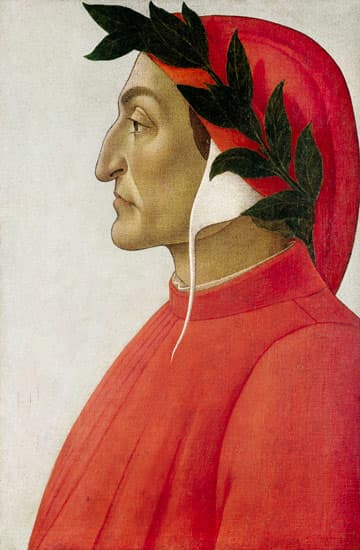
Dante’s House Museum Exterior
Recreated setting of Dante’s family neighborhood
At the exterior of Dante’s House Museum, the emphasis is on the medieval neighborhood fabric and the idea of Dante’s domestic world rather than the authenticity of the building itself. The script should clarify that the current house is a 20th‑century reconstruction evoking the style of a 13th‑century dwelling, using stone walls and narrow windows to suggest the period. It should describe the tight network of alleys, nearby towers, and parish churches that would have formed Dante’s early environment. A unique anecdote to highlight is that the reconstruction was part of a wider project to celebrate Dante as a national icon around the time of Italian unification and beyond, reshaping this area to match an idealized vision of his Florence.
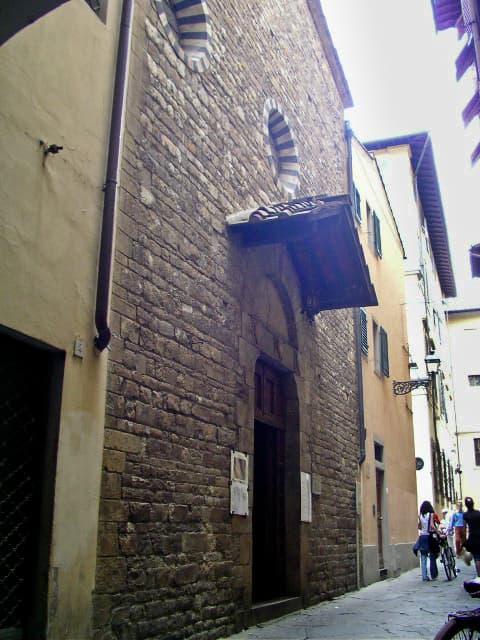
Santa Margherita dei Cerchi
Intimate parish tied to Beatrice tradition
At Santa Margherita dei Cerchi, the narration should focus on the intersection of Dante’s life, local parish life, and enduring literary pilgrimage. The small church can be described with its modest facade and intimate interior, associated with the Portinari family and traditionally linked to Beatrice, Dante’s muse. Historically, it served as a parish for nearby residents, including noble families sharing this crowded quarter. A distinctive anecdote is the modern habit of visitors leaving handwritten notes and letters near the supposed tomb of Beatrice, asking for help in love or honoring her story, which shows how a medieval literary figure continues to inspire personal devotion today.
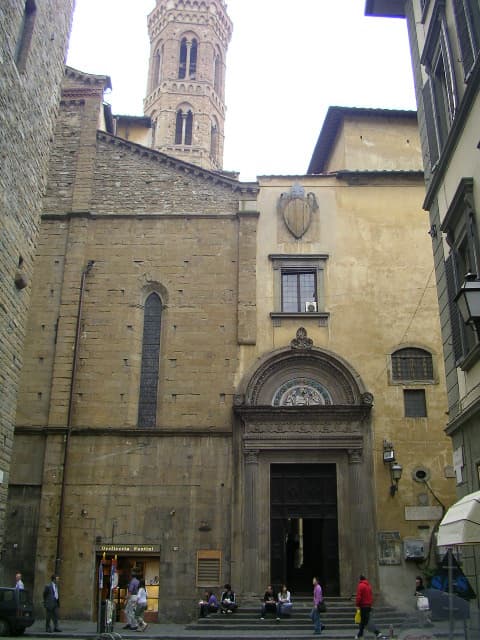
Badia Fiorentina
Monastic heart with Dante connections
Badia Fiorentina introduces a monastic and intellectual dimension to medieval Florence, with its distinctive bell tower rising over the area. The script should describe the mixture of medieval and later Baroque elements, noting the tall, slender campanile and the church’s position near both civic buildings and Dante-related streets. Historically, this Benedictine abbey played a role in city governance and spiritual life, hosting notable figures and offering a setting for preaching and study. A unique anecdote to include is the tradition that the humanist Giovanni Boccaccio delivered public readings of Dante’s works here in the 14th century, helping to cement Dante’s status and bringing his vernacular poetry into a quasi‑academic setting.
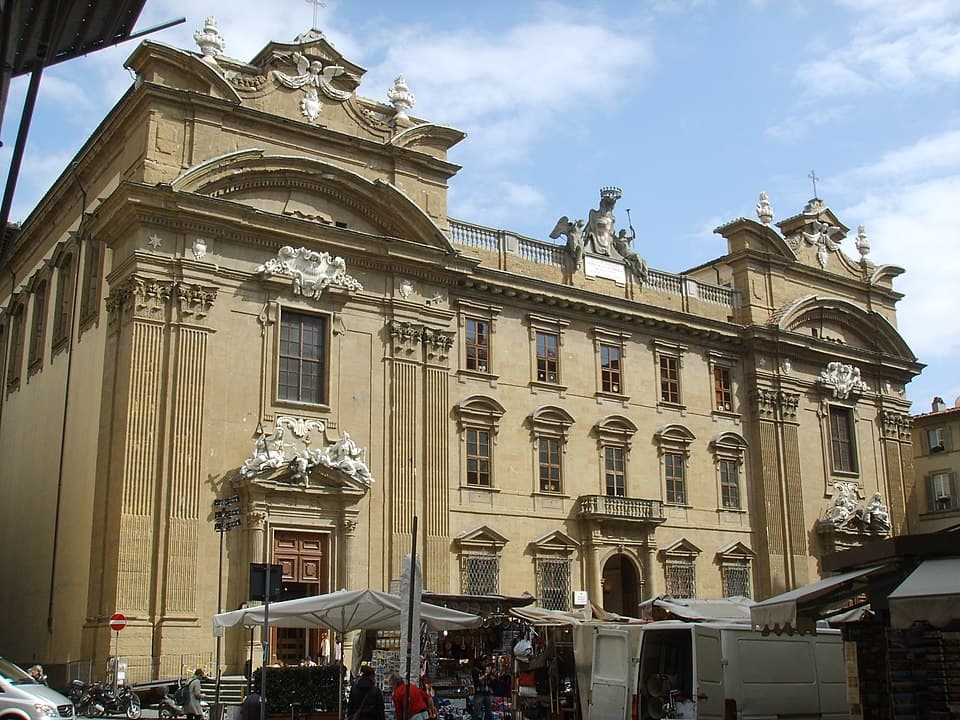
Piazza San Firenze
From religious complex to legal quarter
Piazza San Firenze shows how spaces can shift from religious to administrative uses over time. The narration should describe the Baroque complex of San Filippo Neri, originally home to the Oratorians, with its articulated stone facade and deep windows, contrasting with older medieval surroundings. Over later centuries, parts of the complex were adapted for legal and administrative functions, including courts and offices tied to the justice system. A unique anecdote to mention is that the reuse of this religious building for judicial purposes became a symbol, for some locals, of how the modern state was reclaiming prime urban space once dominated by the Church, even while the sacred architecture remained visible.
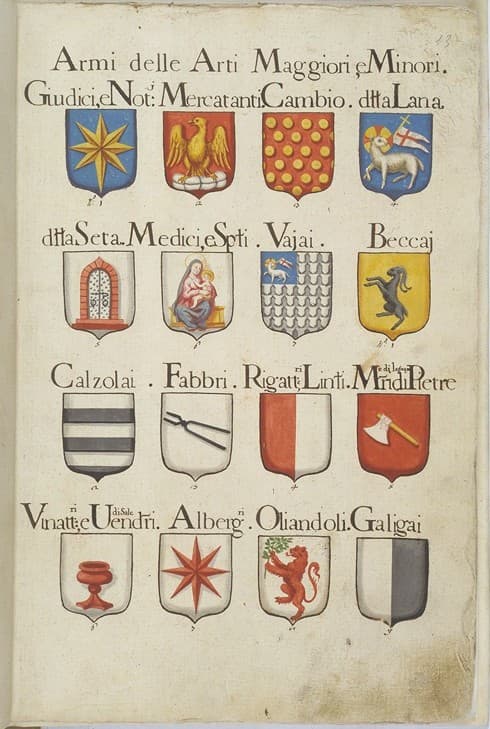
Torre della Castagna
Surviving tower amid lost medieval skyline
The Torre della Castagna stop highlights Florence’s once-forested skyline of family towers and the political role some towers played. The script should describe this relatively squat but clearly tower-like structure, with its rough stone, narrow openings, and position on a small square near other medieval remnants. Historically, it is associated with early communal institutions, and it recalls the time when powerful families maintained tall towers as symbols of status and as refuges in street fighting. A distinctive anecdote is the tradition that early priors of the republic met in this tower and even locked themselves inside with supplies—reportedly including sacks of chestnuts, from which the tower’s name is said to derive—while making difficult political decisions.
Piazza Santa Croce
Franciscan church and Italy’s secular pantheon
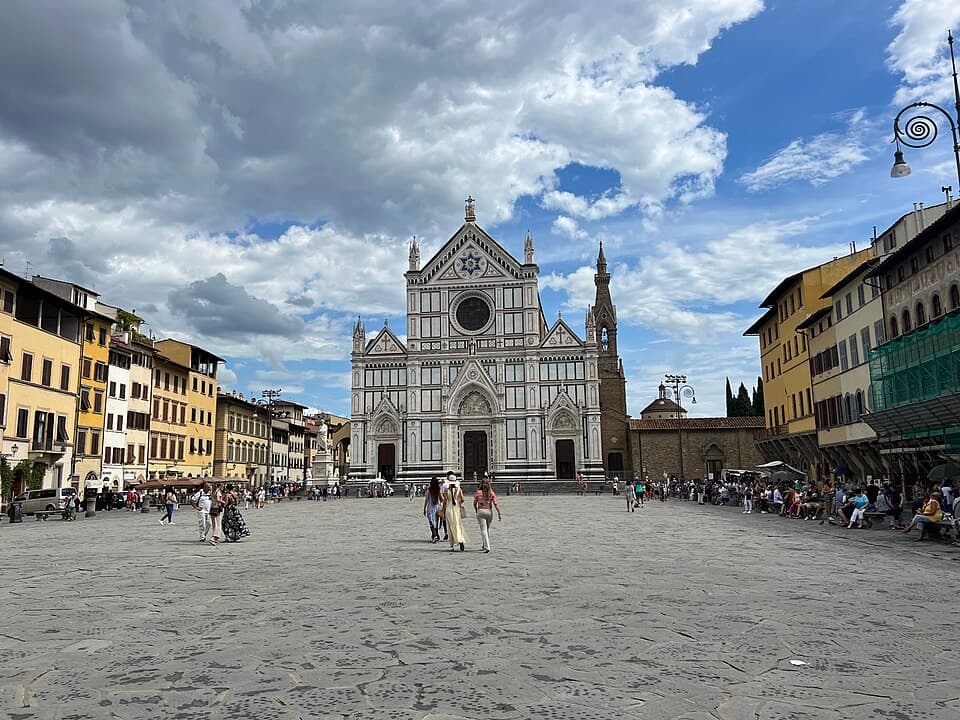
Piazza Santa Croce concludes the tour by linking medieval religious life with later national commemoration. The narration should describe the broad open square, the Gothic Franciscan basilica facade with its star of David motif, and the prominent statue of Dante in front. Inside the church lie the tombs and monuments of figures like Michelangelo and Galileo, transforming the space into a kind of secular pantheon. A distinctive anecdote is that the Dante monument was placed here in the 19th century, at a time when Florence and the new Italian state were eager to celebrate Dante as a national poet, even though his body remains in Ravenna after his exile from Florence.
Start This Tour
Download Roamway to experience this audio tour
Tour Details
Access
Free
Stops
12 points of interest
Languages
GermanEnglishSpanishFrench
More tours in Firenze
View all tours in FirenzeOther tours you might enjoy:
Florence: Medici Power, Palaces and Churches
This tour explores central Florence through key Medici sites, from San Lorenzo and its basilica, chapels, and palace to San Marco, Piazza Santissima Annunziata, and the political center around Palazzo Vecchio and Piazza della Signoria. It examines Medici patronage, art, architecture, religion, and government, including the Uffizi courtyard, Vasari Corridor exterior, and Pitti Palace.
Florence: Markets, Street Food and Wine Culture
This tour explores Florence’s food culture through historic markets, street food areas, and traditional wine bars on both sides of the Arno. It includes Mercato Centrale, Sant’Ambrogio, Via dei Neri, and the Santa Croce and Oltrarno districts. Themes include everyday Florentine life, local products, wine traditions, and artisan gelato.
Florence: Duomo Complex and Renaissance Churches Highlights
This tour focuses on Florence’s historic center, from the Piazza del Duomo and its cathedral complex to Orsanmichele, Badia Fiorentina, Santa Croce, and Santa Maria Novella. It examines medieval and Renaissance architecture, religious art, funerary monuments, and civic history, including key façades, sculptural programs, and interior highlights where accessible.
Frequently Asked Questions
How do I start this audio tour?
Download the Roamway app, search for this tour, and tap 'Start Tour'. The app will guide you to the starting point using GPS. Once you're there, the audio narration begins automatically.
Do I need an internet connection?
No! Once you've downloaded the tour in the Roamway app, it works completely offline. The GPS navigation and audio narration function without an internet connection.
Can I pause and resume the tour?
Yes! You can pause the tour at any time and resume later. Your progress is automatically saved, so you can complete the tour over multiple sessions if needed.