
Munich: Historic Breweries, Beer Culture & City Landmarks
München, Deutschland
Audio Preview
Listen to a sample of this audio tour to get a feel for the experience.
What You'll Experience
On this Munich: Historic Breweries, Beer Culture & City Landmarks audio tour in München, you'll discover 10 carefully selected points of interest, each with its own story. The tour is designed to be completed at your own pace, with GPS navigation guiding you from one location to the next. As you approach each stop, the audio narration automatically begins, bringing history, culture, and local insights to life.
About This Tour
This tour explores Munich’s historic beer culture through traditional breweries, major beer gardens, and the Beer and Oktoberfest Museum. It includes central sites such as Hofbräuhaus, Viktualienmarkt, Marienplatz, and Theresienwiese. The route traces brewing history, Oktoberfest traditions, and the role of beer in Munich’s social and urban development.
Points of Interest
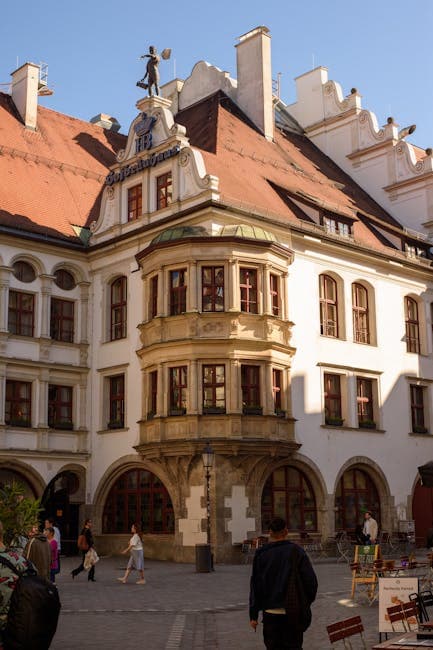
Hofbräuhaus
Royal brewery turned symbol of Munich beer culture
This stop introduces Hofbräuhaus as both royal brewery and global beer icon, opening the tour’s core themes. The script should cover its origins as a ducal/royal brewery, the move to its current site, and how it evolved from court supply into a public beer hall. It should describe the vaulted halls, painted ceilings, long wooden tables, and oompah‑band atmosphere, while separating myth from reality. Key points include royal patronage, the link with the Bavarian Purity Law, famous visitors, and the darker episode of political gatherings in the early 20th century. Use this POI to frame beer as a tool of power, prestige, and popular identity in Munich.
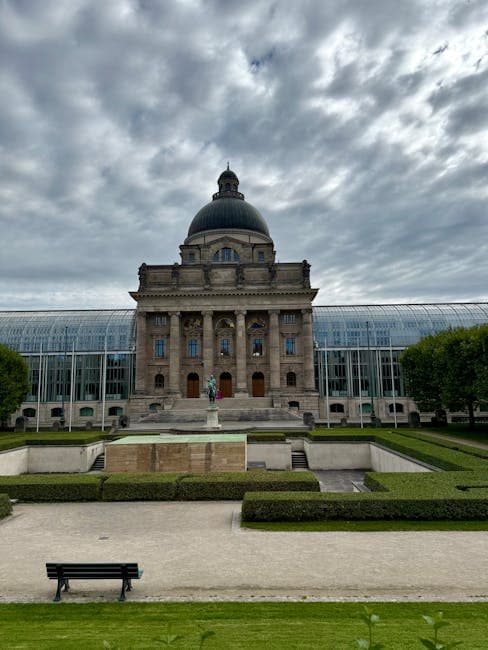
Viktualienmarkt Beer Garden
Open‑air drinking in Munich’s historic market square
This stop shifts from royal grandeur to everyday beer life in the Viktualienmarkt beer garden. The narration should set the scene of food stalls, seasonal produce, and the central maypole, with the shaded beer garden as a social hub. Explain the rotation of Munich’s major breweries on tap here and the Bavarian tradition of bringing one’s own food to beer gardens. Touch on the market’s history as Munich’s main food market and its reconstruction after wartime damage. Highlight how locals and visitors mix here, showing beer as part of daily routines rather than just festivals.

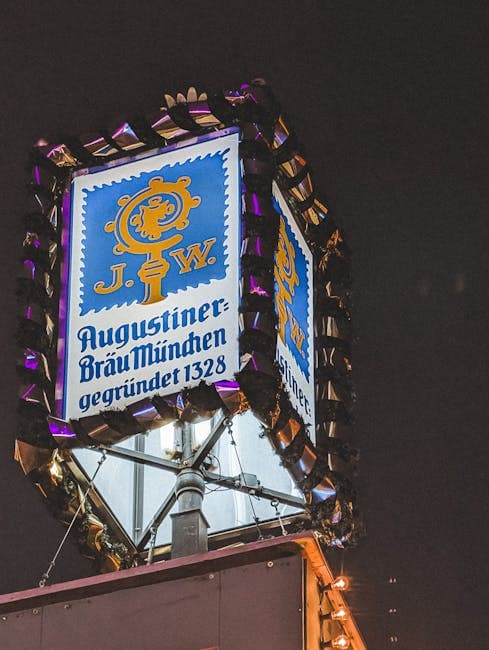
Augustiner-Bräu
Munich’s oldest brewery brand and its traditions
Here, the focus is on Augustiner as Munich’s oldest surviving brewery brand and a symbol of tradition. The script should explain its monastic origins with the Augustinian friars, later secularization, and growth as a respected city brewery. Describe recognizable features like wooden barrels, traditional serving methods in some halls, and the brand’s reputation for being particularly beloved by locals. Mention its role in local beer cellars and at Oktoberfest, and how it navigated industrialization without losing its "old‑Munich" image. Use this stop to discuss continuity versus modernization in Munich’s brewing industry.
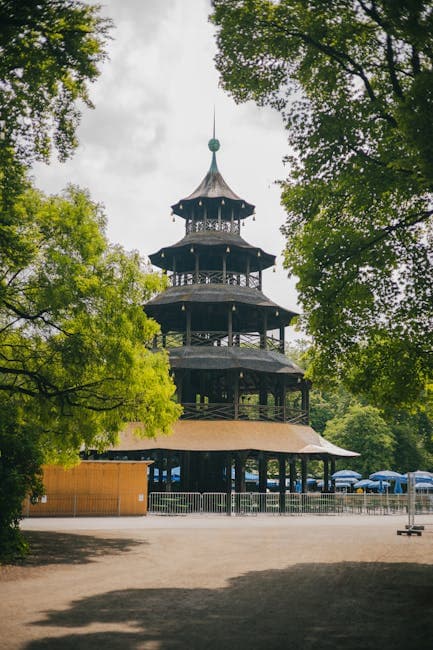
Chinesischer Turm Biergarten
Historic beer garden beside a wooden Chinese tower
This stop transports listeners into the Englischer Garten and the Chinesischer Turm beer garden, one of Munich’s most famous outdoor drinking spots. The narration should describe the wooden pagoda‑style tower, brass bands playing on the structure, and the huge, tree‑shaded beer garden below. Include the park’s 18th‑century origins as a public landscape and the later addition of the Chinese Tower as part of a fashion for exotic architecture. Explain how the beer garden became a classic meeting place for students, families, and tourists, and how it reflects the more relaxed, pastoral side of Munich beer culture compared with inner‑city beer halls.

Löwenbräukeller
Industrial‑age brewery hall with political overtones
This stop examines Löwenbräukeller as a grand beer hall linked to the Löwenbräu brewery and to Munich’s industrial expansion. The script should outline how Löwenbräu grew into a major 19th‑century brewery, exporting beer and adopting modern brewing technology early. Describe the imposing facade near Stiglmaierplatz and the hall’s capacity for large gatherings, including rallies and political events in turbulent periods. Mention war damage and postwar rebuilding, and how the name “Löwenbräu” became internationally known. Use this location to show how Munich’s beer spaces sometimes doubled as stages for politics, not just leisure.
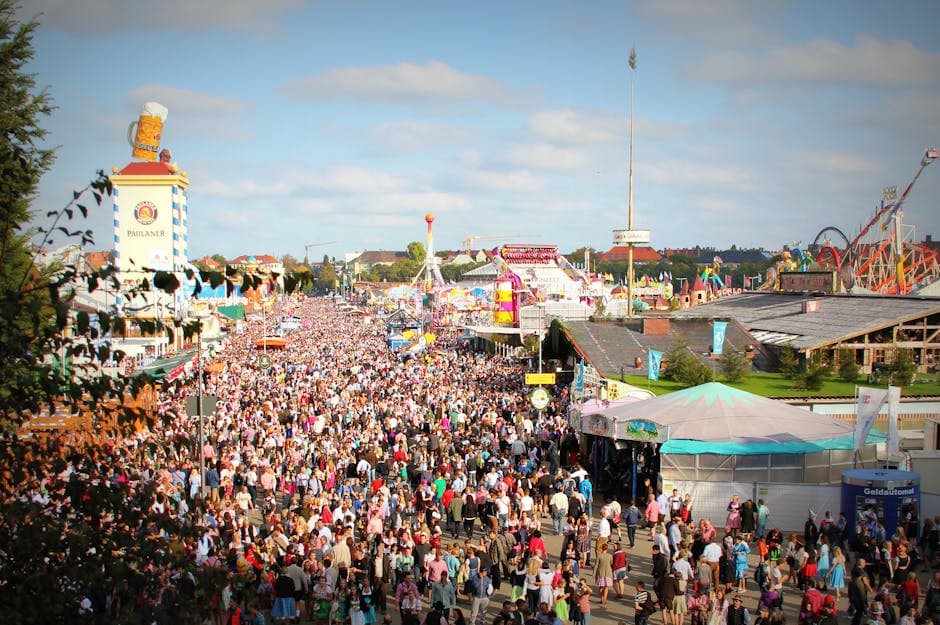
Paulaner am Nockherberg
Monastic beer, strong brews, and Starkbierfest
Here the focus shifts to Paulaner and its association with Nockherberg, strong beer, and Lenten traditions. The narration should cover the brewery’s origins with friars brewing nourishing beer for fasting periods and the later development of Salvator, the famous strong lager. Describe the hilltop setting above the Isar, the modern beer hall and garden, and the annual Starkbierfest with its political “Derblecken” roast. This stop should highlight how religious customs, seasonal rhythms, and satire all intersect with beer. It also illustrates how Munich brands developed distinct personalities and signature styles.
Spaten-Brauerei
Pioneers of modern lager and export brewing
This stop introduces Spaten as an innovator in Munich’s brewing history. The script should explain Spaten’s role in adopting cold‑fermentation techniques, contributing to the spread of pale lagers and industrial brewing methods. Describe the brewery’s historic complexes and their chimneys or tanks as symbols of 19th‑ and 20th‑century beer production. Mention its later association with Franziskaner and its place among the six big Oktoberfest breweries. Use this POI to talk about refrigeration, rail transport, and how Munich beer shifted from a local staple to an international commodity.
Beer and Oktoberfest Museum
Tracing Munich’s brewing past in an old townhouse
At this stop, the narration becomes more explicitly educational, using the museum’s setting to tie together earlier themes. The script should describe the narrow, historic townhouse, creaking stairs, and exhibits that cover brewing techniques, the Bavarian Purity Law, and the evolution of beer styles. It should also recount the origins of Oktoberfest as a royal wedding celebration and its growth into a vast folk festival. Include stories about beer tents, traditional dress, and how the six Munich breweries anchor the event. This stop functions as a hinge, connecting monastic, court, and industrial brewing histories to modern festival culture.
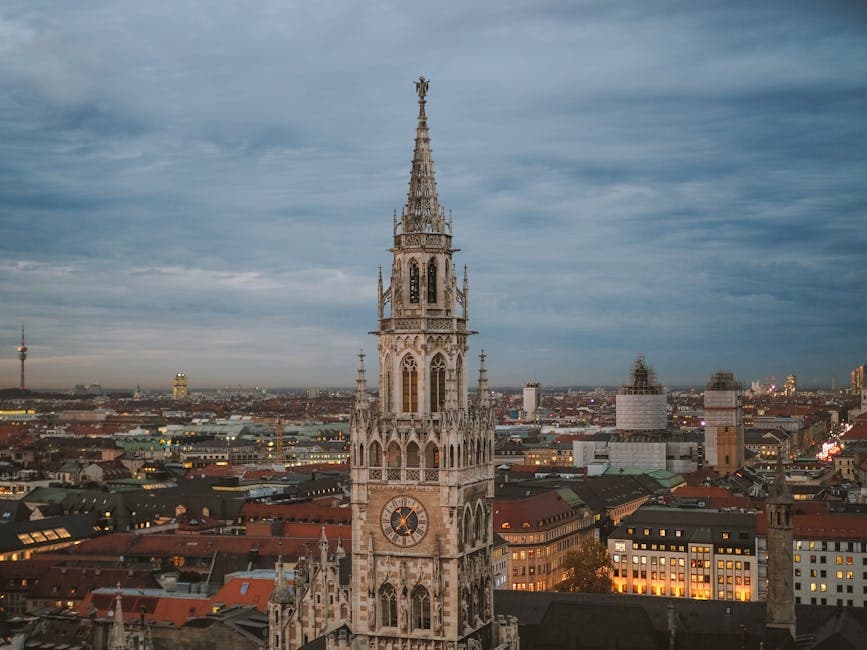
Marienplatz
Civic heart where beer, power, and pageantry meet
This stop places Munich’s beer culture in the broader civic context of Marienplatz. The narration should describe the New Town Hall, its neo‑Gothic facade, and the Glockenspiel scenes, some of which relate to festivity and civic ceremony. Explain how the square has long been a stage for proclamations, markets, and processions that often ended in nearby beer halls. Touch on medieval and early modern city governance, urban growth, and how beer taxes supported municipal finances. Use this POI to connect the everyday act of drinking beer with questions of power, identity, and public space in Munich.
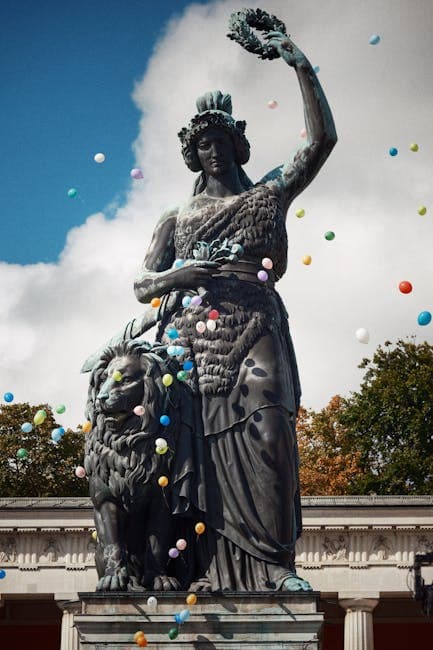
Theresienwiese (Oktoberfest Grounds)
Expansive field hosting Munich’s world‑famous beer festival
The final stop brings listeners onto Theresienwiese, the open field that hosts Oktoberfest and other large fairs. The script should recount the festival’s origin as celebrations for a royal wedding and its transformation into a recurring folk festival centered on beer. Describe the vast grounds, views towards the Bavaria statue, and the temporary city of beer tents, rides, and food stalls that rises here each autumn. Discuss issues such as crowd management, changing consumption habits, and local attitudes towards Oktoberfest. Use this conclusion to reflect on how Munich’s long brewing history culminates in this spectacular yet contested modern festival, then gently wrap up the tour.
Start This Tour
Download Roamway to experience this audio tour
Tour Details
Access
Free
Stops
10 points of interest
Languages
GermanEnglishSpanishFrench
More tours in München
View all tours in MünchenFrequently Asked Questions
How do I start this audio tour?
Download the Roamway app, search for this tour, and tap 'Start Tour'. The app will guide you to the starting point using GPS. Once you're there, the audio narration begins automatically.
Do I need an internet connection?
No! Once you've downloaded the tour in the Roamway app, it works completely offline. The GPS navigation and audio narration function without an internet connection.
Can I pause and resume the tour?
Yes! You can pause the tour at any time and resume later. Your progress is automatically saved, so you can complete the tour over multiple sessions if needed.