
Audiotours in Paris — Explore at your own pace
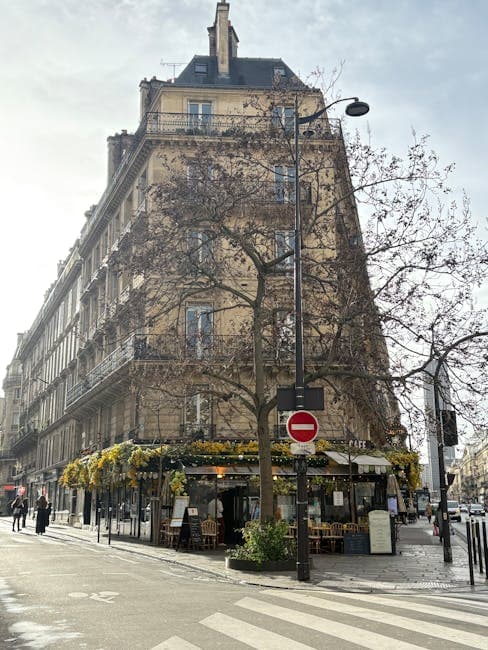
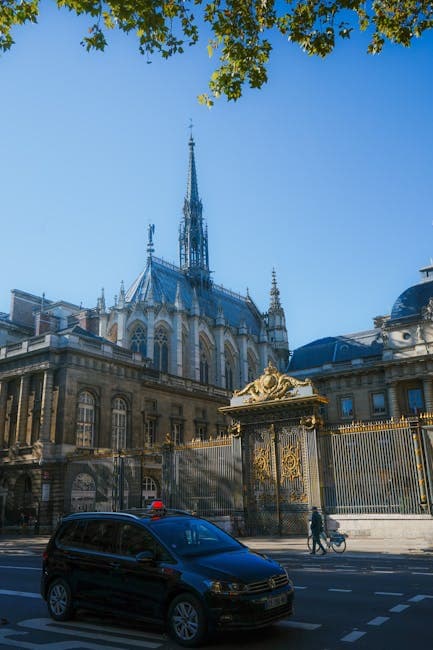
Paris, France is a city where grand boulevards, medieval islands, and riverside bookstalls all share the same stage. Our audio-guided tours lead you through its historic heart and atmospheric Left Bank streets, uncovering stories of kings, cathedrals, and writers. Explore at your own pace with self-guided tours that adapt effortlessly to your schedule.
About Paris
Top Attractions
Square du Vert-Galant (view of Seine and Pont Neuf)
Island tip with sweeping Seine and bridge views
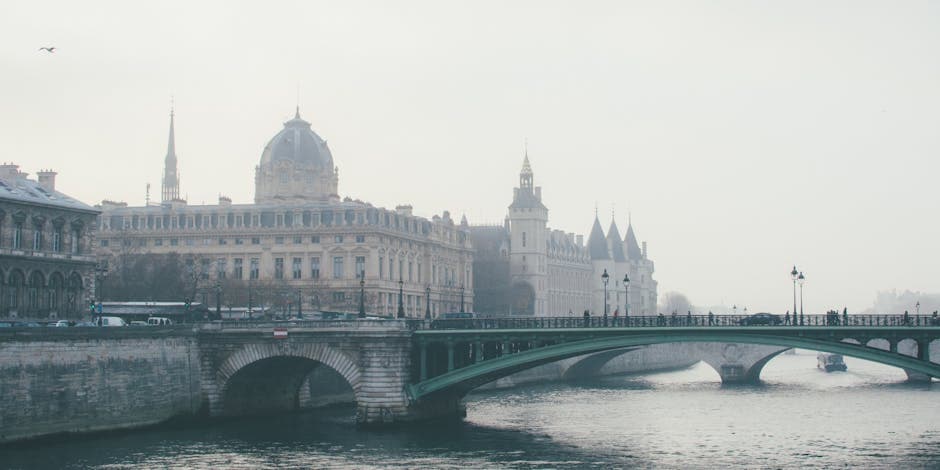
This stop orients visitors at the western tip of the Île de la Cité, with open views over the Seine and the Pont Neuf. The script should explain how the island once looked smaller and more fortified, and how river traffic and bridges shaped medieval Paris’s growth. It should introduce Henri IV’s Pont Neuf as a turning point in Parisian urban life, contrasting it with earlier, crowded bridge streets. An anecdote can explore the park’s name, linked to Henri IV’s amorous reputation, and a brief story about river floods or ice events that dramatically transformed this quiet spot.
View Tour
Place Dauphine (early 17th‑century royal square)
Early royal square behind Pont Neuf
This stop presents Place Dauphine as one of Paris’s first planned royal squares, commissioned under Henri IV after Pont Neuf’s construction. The narration should describe its original triangular layout, once fully enclosed by uniform façades, and its role in signaling a more ordered, classical city. It should contrast this planned geometry with the organic medieval streets nearby. An anecdote might cover the square’s early residents, such as magistrates or royal officers, and a second one can touch on how its buildings were partially destroyed or altered during 19th‑ and 20th‑century changes, affecting the symmetry visitors see today.
View Tour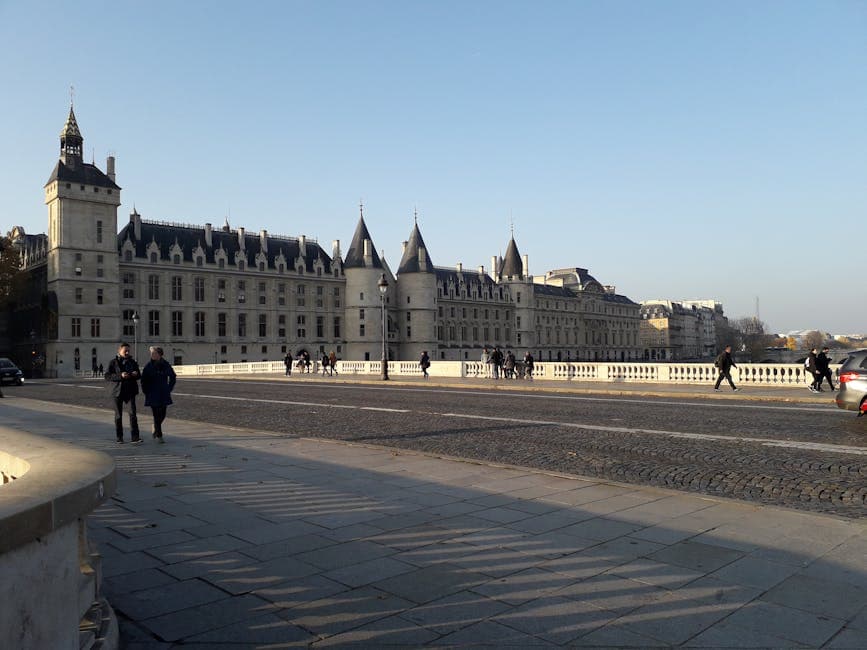
Conciergerie exterior (medieval royal palace remains)
Medieval palace remnant turned prison fortress
Here, visitors encounter the riverfront towers and façade of the former royal palace, later known as the Conciergerie. The narration should explain how this was once the main residence of the Capetian and early Valois kings before the court moved to the Louvre, then gradually transformed into law courts and a prison. It should highlight the gothic towers, the clock tower, and the building’s relation to the surrounding Palais de la Cité complex. Anecdotes can include the story of a notable prisoner held here during the French Revolution, and an earlier medieval episode involving a royal ceremony or trial, showing the site’s long association with justice and punishment.
View Tour
Sainte-Chapelle courtyard and exterior
Royal Gothic chapel in former palace courtyard
This stop focuses on the exterior and courtyard of Sainte-Chapelle, the royal chapel built by Louis IX within the Palais de la Cité. The guide should explain the chapel’s two-level structure, its role in housing Christ’s Crown of Thorns and other relics, and how its architecture epitomizes the Rayonnant phase of Gothic with soaring windows and delicate stonework. Visitors should be helped to visualize the original polychromy and stained glass from outside. Anecdotes might include the dramatic acquisition and transport of the relics to Paris, and a later episode when the chapel’s function changed during the Revolution, illustrating the shifting fate of sacred spaces.
View Tour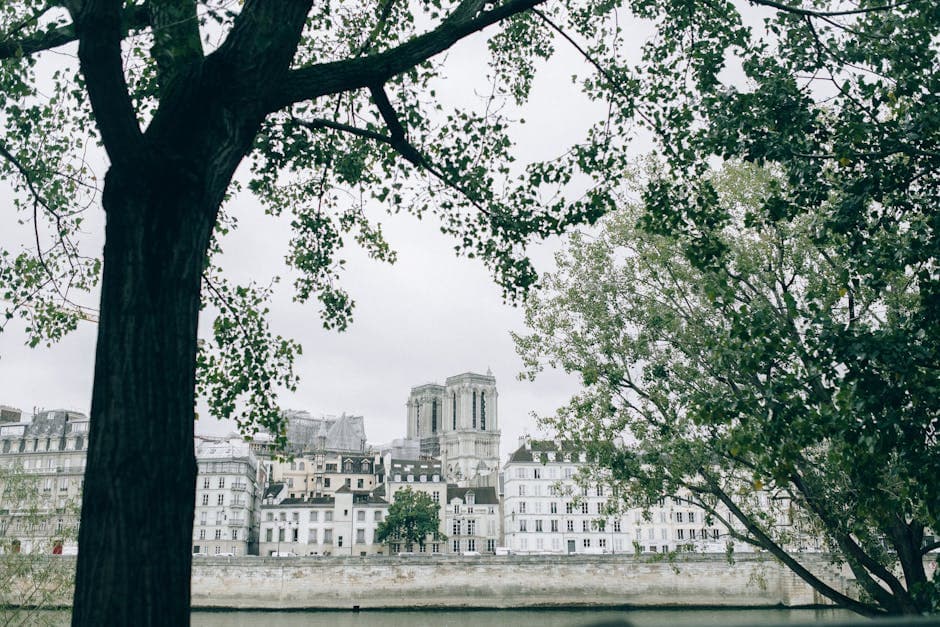
Parvis de Notre-Dame and Notre-Dame Cathedral exterior viewpoints
Cathedral forecourt and evolving Gothic landmark
On the parvis, the focus is Notre-Dame’s exterior and its urban setting. The narration should chart the cathedral’s long construction in the Gothic age, its multiple phases of sculptural decoration, and its role as the seat of the bishop and a stage for royal and civic ceremonies. It should explain how the parvis was reshaped in the 19th century, with medieval streets cleared under Haussmann and later restorations altering the building’s silhouette. Unique anecdotes might examine a particular portal’s sculpture program that commented on medieval society, and a modern story about the cathedral’s restoration or a public ceremony held here, underlining its continued symbolic power.
View Tour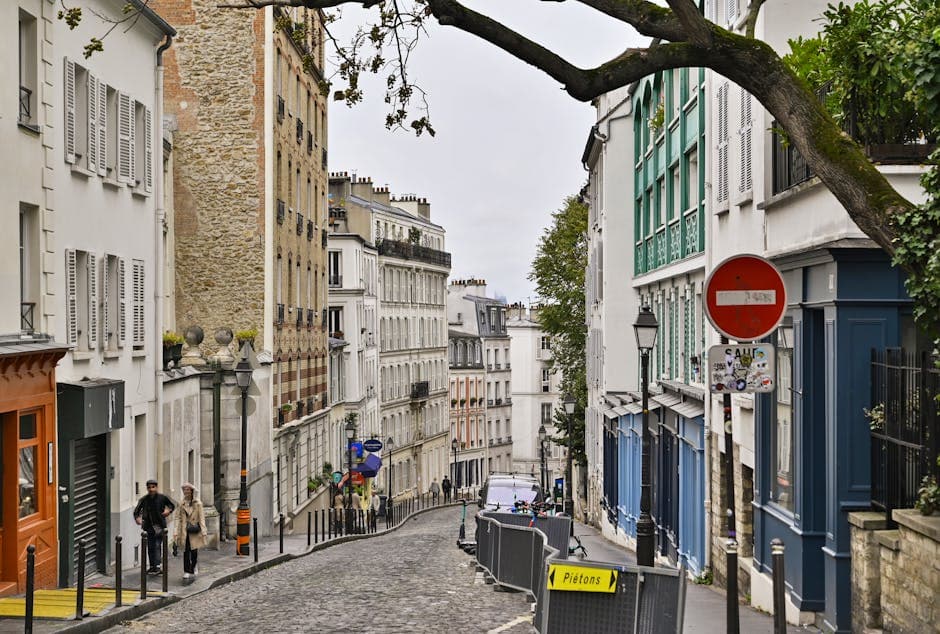
Rue Chanoinesse and Rue de la Colombe (medieval street traces)
Quiet lanes echoing the canons’ medieval quarter
These narrow streets behind Notre-Dame preserve traces of the medieval canons’ district. The narration should focus on how property lines, irregular building plots, and hidden courtyards hint at older urban fabric despite later façades. It should describe the life of cathedral clergy who once lived here and their relationship to the bustling parvis nearby. An anecdote could involve a discovered fragment of medieval masonry or inscription reused in a later building, and another can recount the legend of a buried Roman or early Christian structure beneath Rue de la Colombe, emphasizing how layers of history lie underfoot even if not always visible.
View Tour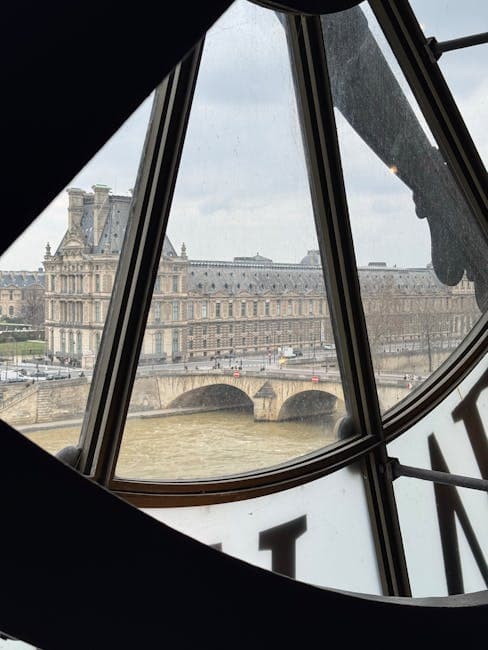
Pont de l’Archevêché crossing toward Left Bank
Bridge link from cathedral island to Left Bank
This transitional stop uses the Pont de l’Archevêché to shift from the ecclesiastical island to the university-dominated Left Bank. The narration should highlight perspectives: looking back to the chevet of Notre-Dame, across to the Île Saint-Louis, and forward to the Latin Quarter. Historically, it can mention how bridges multiplied as Paris expanded and how this particular crossing connected episcopal precincts with scholarly neighborhoods. A unique anecdote may touch on a past flood or structural change that affected this bridge’s appearance or access, or a historical regulation about bridge traffic, illustrating how controlling crossings meant controlling the city’s flow.
View Tour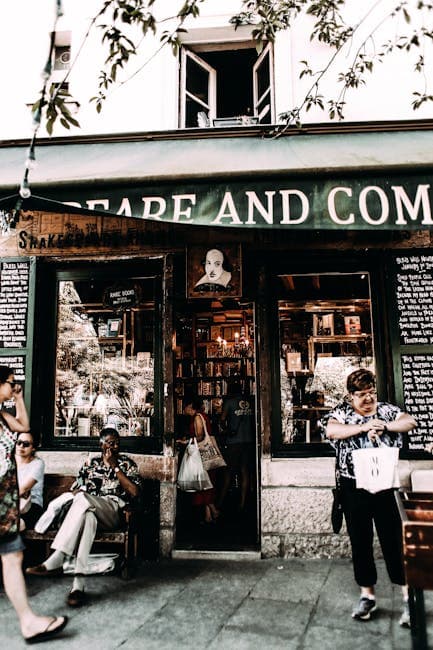
Shakespeare and Company bookshop area
Anglophone literary bookshop facing Notre-Dame
Here, the focus is the area around the current Shakespeare and Company bookshop and its role in 20th‑century literary culture. The narration should clarify the distinction between the original interwar shop founded elsewhere on the Left Bank and this later incarnation facing the Seine. It should explore how English‑speaking writers and travelers gravitated to such spaces in the Latin Quarter. Anecdotes can include the story of the original shop’s role in supporting a controversial modernist novel, and a separate tale about the post‑war store’s tradition of letting young writers sleep among the bookshelves in exchange for work, embodying the quarter’s bohemian ethos.
View Tour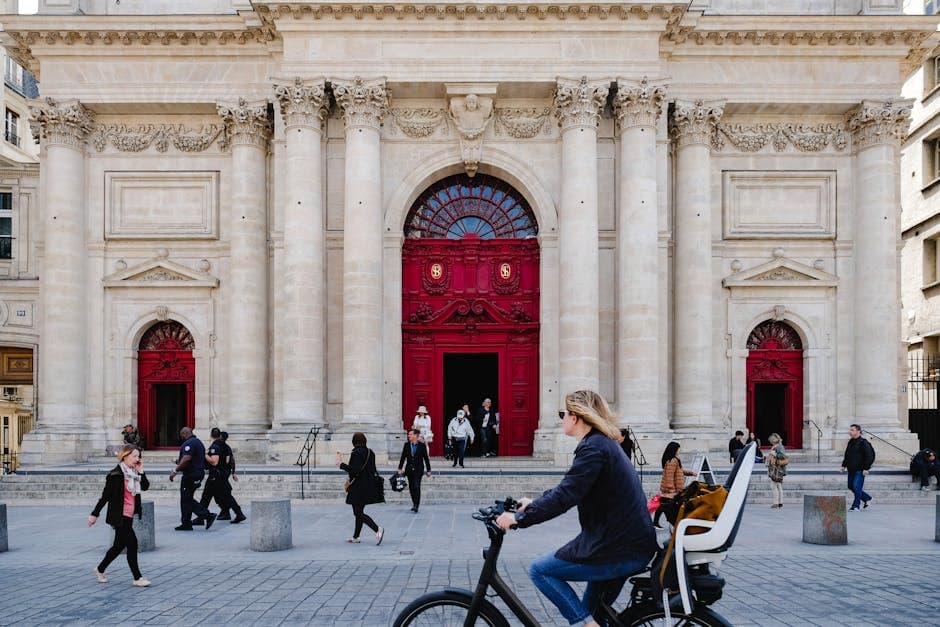
Square René Viviani and Church of Saint-Julien-le-Pauvre
Park with views and ancient church remains
This stop brings visitors into a small park overlooking Notre-Dame and beside the Church of Saint‑Julien‑le‑Pauvre, one of Paris’s oldest religious sites. The narration should describe the church’s Romanesque and Gothic elements, its later use by a Greek Melkite community, and the sense of antiquity it carries compared to nearby traffic. It should explain the square’s creation and mention the famously old tree, contextualizing it within urban greenery. Anecdotes might include a medieval reference to the hospice or pilgrims associated with the church, and a modern story about the tree surviving storms or changes to the riverfront, demonstrating resilience across centuries.
View Tour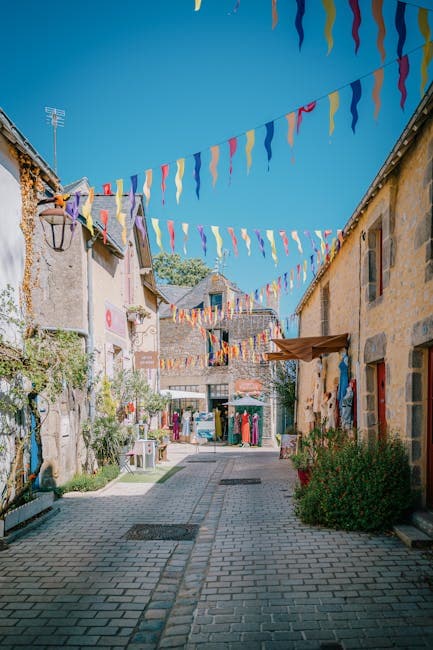
Rue Galande and Rue de la Huchette medieval lanes
Dense medieval lanes turned busy Latin Quarter streets
These intertwined streets offer a glimpse of the cramped, lively character of medieval Paris near the river and university. The narration should emphasize surviving plot widths, irregular alignments, and vestiges of older façades behind modern signage. Historically, it can evoke taverns, student lodgings, and small theaters that once animated the area, contrasted with today’s restaurant and nightlife scene. One anecdote could recall a famous cabaret or performance venue that operated here in the 19th or 20th century, while another focuses on a particular surviving house or carved sign that hints at an earlier craft or trade in the quarter.
View Tour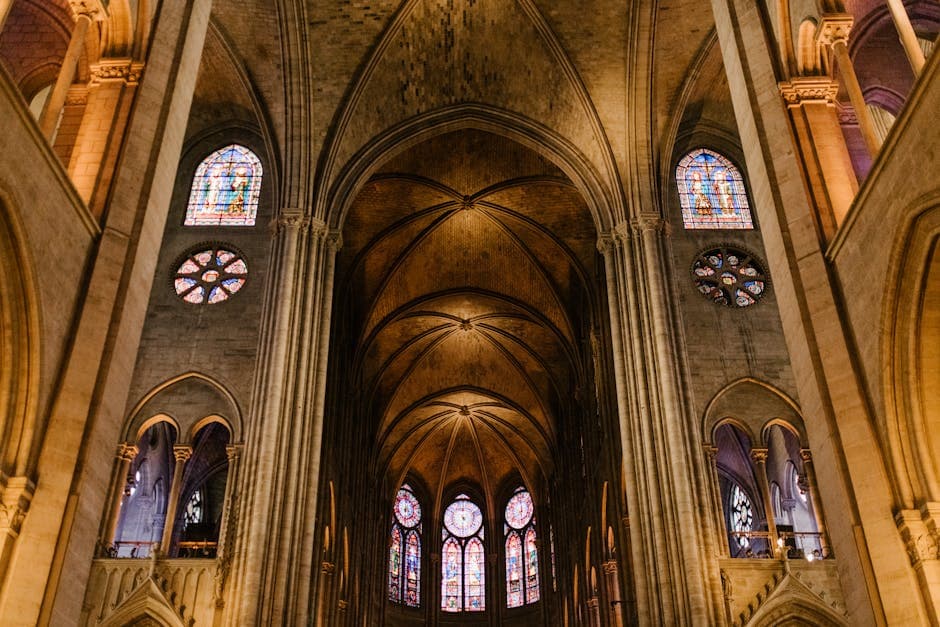
Saint-Séverin Church (Flamboyant Gothic)
Flamboyant Gothic parish in the Latin Quarter
At Saint‑Séverin, the emphasis is on a parish church that reflects the Latin Quarter’s growth outside the cathedral’s shadow. The narration should explain its complex construction history, pointing out Flamboyant Gothic features like intricate window tracery and the remarkable ambulatory with its twisting column. It should situate the church within a student and artisan neighborhood, contrasting its more intimate scale with Notre‑Dame’s monumental presence. Anecdotes may include a story about a notable relic or parish procession associated with this church, and another about wartime or revolutionary damage and subsequent repairs, revealing how local communities preserved their place of worship.
View Tour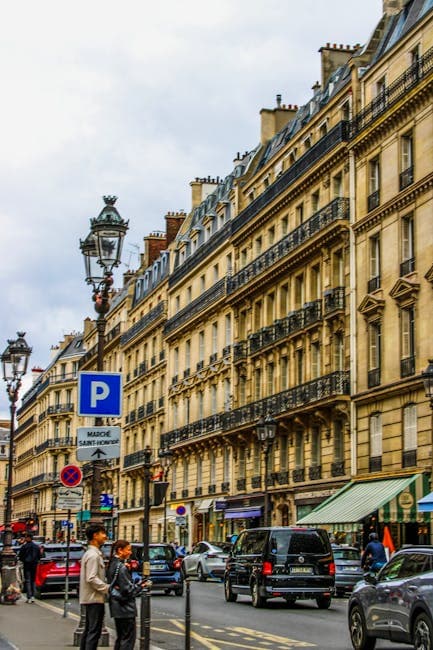
Rue Saint-Jacques section toward the Sorbonne
Ancient north–south route into university Paris
The final stop follows a section of Rue Saint‑Jacques, one of Paris’s oldest north–south arteries and a key axis of the Latin Quarter. The narration should trace its Roman origins as a road leading south from the island and its later role as a route for pilgrims heading toward Santiago de Compostela. It should also highlight its connection to the medieval university and nearby Sorbonne, with colleges and printing houses once lining the street. Anecdotes might include a reference to a historic inn or college that stood on this route, and a brief story about early book printers or scholars who helped make this axis synonymous with learning, providing a fitting close to the tour’s themes.
View TourFrequently Asked Questions
How do audio walking tours work in Paris?
Our audio walking tours in Paris are self-guided experiences that you can start anytime. Simply download the Roamway app, select a tour, and follow the GPS-guided route. The audio narration automatically plays as you approach each point of interest, allowing you to explore at your own pace.
Are self-guided tours better than guided tours?
Self-guided audio tours offer flexibility that traditional guided tours can't match. You can pause, rewind, or skip sections, explore at your own pace, and start whenever you're ready. Plus, our tours are available in multiple languages and work offline once downloaded.
Do I need an internet connection during the tour?
No! Once you've downloaded a tour in the Roamway app, it works completely offline. The GPS navigation and audio narration function without an internet connection, making it perfect for international travelers who want to avoid data charges.
How long do the audio tours take?
Tour durations vary, but most of our audio tours in Paris range from 1 to 3 hours, depending on your pace and how much time you spend at each point of interest. You can complete them in one go or split them across multiple visits.
Ready to explore Paris?
Download Roamway and start your audio-guided adventure today.