
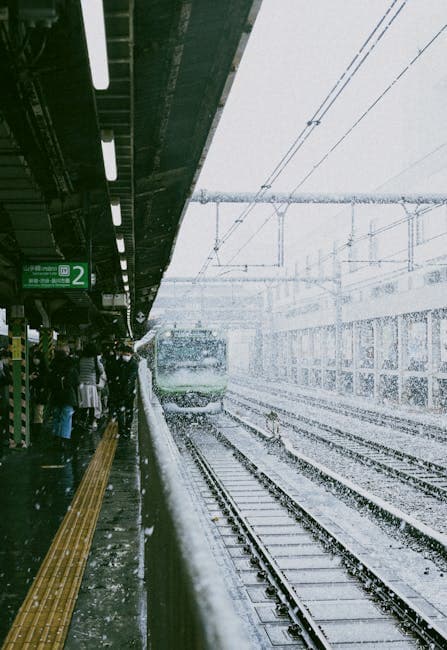
Audiotours in Tokio — Explore at your own pace
Tokio, Japon is a city where centuries‑old temples, samurai legacies, and imperial gardens coexist with soaring towers and neon streets. Our audio-guided tours lead you through some of Tokyo’s most atmospheric districts, from palace moats to lantern-lit alleys and riverside promenades. Explore at your own pace with self-guided stories that adapt seamlessly to your schedule.
Free Tours
2 tours available
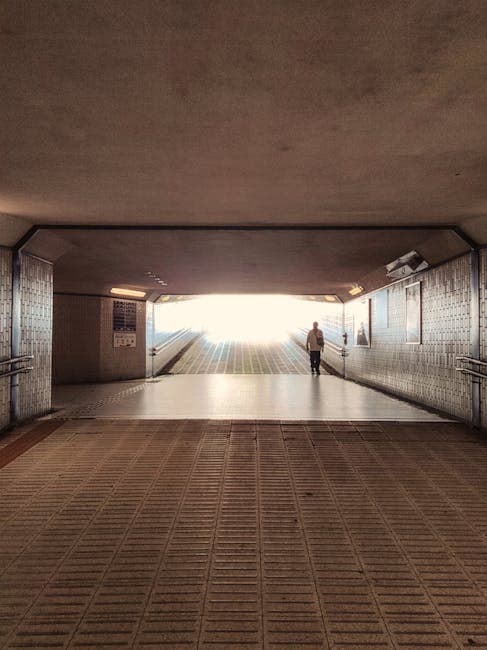
Tokyo Asakusa: Senso-ji, Backstreets and Riverside Views
This tour explores Asakusa in Tokyo, from panoramic views over Senso-ji at the Asakusa Culture Tourist Information Center through Kaminarimon Gate, Nakamise Street, Hozomon Gate, and the main hall and shrine complex. It continues into retro shopping lanes, traditional backstreets, and riverside areas near Sumida Park, ending with an exterior view of the Asahi Beer Hall.
Tokyo Imperial District: Station, Gardens & Samurai Legacy
This tour explores central Tokyo from Tokyo Station’s Marunouchi side through the red‑brick business district toward the Imperial Palace Outer Gardens and East Gardens. It examines Meiji-era modernization, palace defenses, Edo-period samurai guardhouses, and postwar cultural sites including Kitanomaru Park, Nippon Budokan, Yasukuni Shrine grounds, and viewpoints over the palace moats.
About Tokio
Top Attractions
Tokyo Station (Marunouchi Side)
Red-brick gateway to Japan’s modern capital
This stop introduces Tokyo Station’s Marunouchi façade as the symbolic gateway to the capital and the starting point of the tour. The narration should cover its early 20th‑century construction in a Western-influenced red-brick style, its association with Meiji and Taishō modernization, and later wartime damage and careful restoration. It should highlight architect Tatsuno Kingo, the station’s dome roofs, and the contrast between the historic low-rise frontage and the surrounding skyscrapers. An engaging anecdote could describe how the station became a ceremonial arrival point for emperors and dignitaries, or mention the assassination attempt on Prime Minister Hara Takashi here in the early 20th century, as a way to underline its political significance.
View Tour
Asakusa Culture Tourist Information Center (view over Senso-ji)
Panoramic starting point over Senso-ji and Asakusa
This stop uses the observation deck of the Asakusa Culture Tourist Information Center as an introduction to the area. The narrator should describe the contrast between the sleek modern building and the historic temple district below, including clear orientation points like Senso-ji, Kaminarimon, Tokyo Skytree, and the Sumida River. Historical context should cover Asakusa’s role as an Edo-period entertainment and pilgrimage district, and how the neighborhood has rebuilt after fires and wartime damage. An anecdote can highlight how the center’s design, by a prominent contemporary architect, intentionally echoes stacked traditional wooden houses, and another can note that locals often use the free rooftop view as an everyday meeting spot rather than just a tourist facility.
View Tour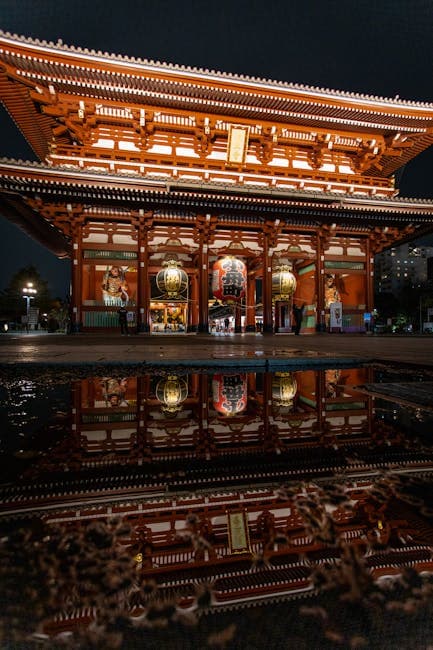
Kaminarimon Gate
Iconic Thunder Gate at Senso-ji’s entrance
At Kaminarimon, focus on the gate as the symbolic entrance to Senso-ji and one of Tokyo’s most photographed landmarks. The narration should explain the meaning of the name “Thunder Gate,” the large red lantern, and the guardian figures associated with thunder, wind, and protection. Historical background can mention that earlier incarnations of the gate stood in different locations and that fire and reconstruction have shaped its current appearance. One anecdote might describe how the giant lantern is periodically replaced and ceremoniously donated, while another might note that many visitors search for the carved dragon underneath the lantern for good luck photos, even if they do not know the full mythology.
View Tour
Mitsubishi Ichigokan Museum / Marunouchi Brick District (exterior focus)
Meiji red-brick business district and Mitsubishi legacy
This stop situates visitors in the Marunouchi business district, focusing on the reconstructed Mitsubishi Ichigokan building and surrounding red‑brick streetscapes. The narration should explain how Mitsubishi acquired and developed the area from former daimyo estates into Japan’s first modern business center, sometimes nicknamed a “London of the East” for its Western-style architecture. It should note the building’s original late 19th‑century design by British architect Josiah Conder and its later demolition and faithful reconstruction as a museum. A vivid anecdote might describe early salarymen in bowler hats walking these streets, or how the district’s new offices symbolized ex‑samurai elites reinventing themselves as corporate managers.
View TourTokyo Gyoko-dori Avenue (toward the palace)
Ceremonial boulevard linking station and palace
Here the focus is on the broad Gyoko-dori Avenue stretching from Tokyo Station toward the Imperial Palace. The narration should emphasize the deliberate sightline from the station’s Marunouchi façade to the palace area, and how the avenue serves as a symbolic approach route for imperial ceremonies and public events. It should note the change in atmosphere from dense business district to increasingly open space, framed by trees, paving, and water. An anecdote could describe a specific imperial parade or postwar national celebration that used this route, or the impressive transformation of the avenue’s plaza area before the 2020s as part of central Tokyo’s renewal.
View Tour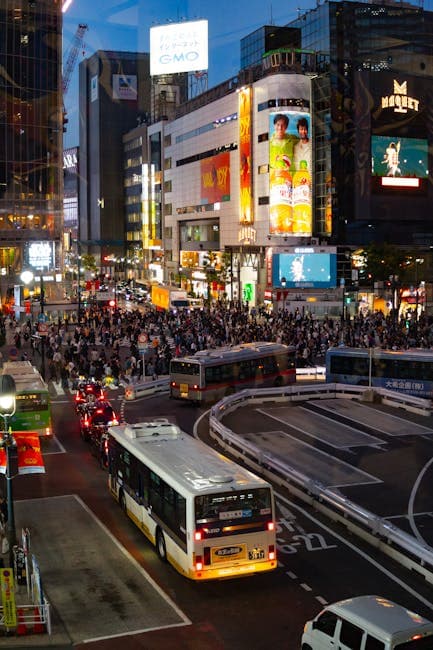
Nakamise Shopping Street
Historic temple approach lined with small shops
Nakamise Shopping Street should be presented as one of Tokyo’s oldest shopping streets, historically serving pilgrims on their way to Senso-ji. The narrator should describe the narrow lane, low shopfronts, and mixture of traditional snacks, sweets, and souvenir items, as well as the rhythm of shutters painted with seasonal scenes. Historical context can reference that shop rights have been passed down through families and have sometimes been regulated or reorganized by temple authorities and the city. One anecdote can touch on the origins of a classic Asakusa snack, such as a rice cracker stall believed to have served visitors for generations, and another can describe how, early in the morning or late at night, the closed street feels like a painted gallery rather than a bustling market.
View Tour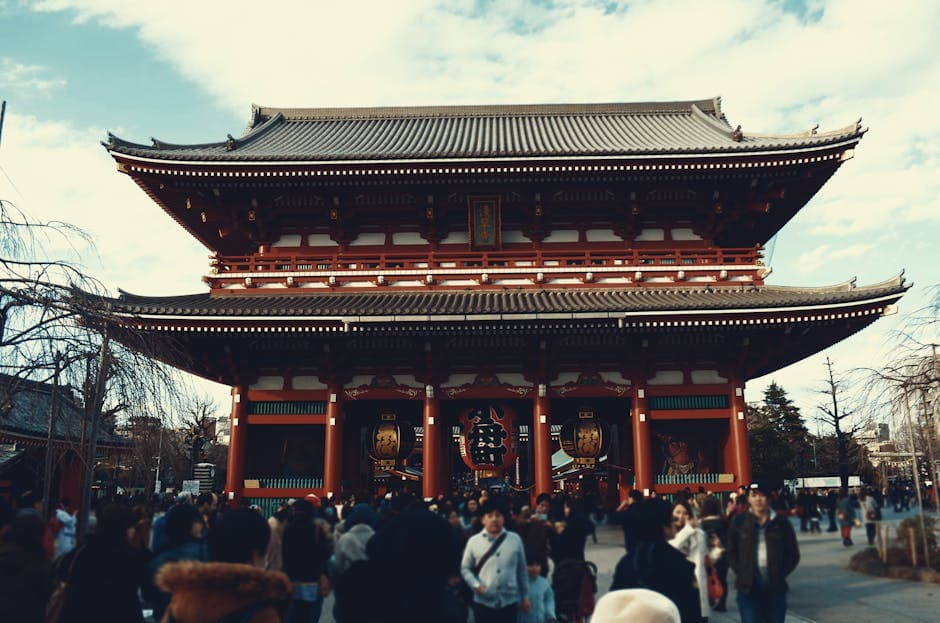
Hozomon Gate
Inner gate guarding Senso-ji’s treasures
Hozomon Gate marks the transition from the commercial approach into the sacred core of Senso-ji. The narration should describe its massive scale, layered roof structure, and imposing lanterns, as well as the giant straw sandals hung as offerings symbolizing protection by powerful guardians. Historically, the gate has functioned both as an entrance and as a kind of treasure storehouse for important temple objects, with several reconstructions over time due to fire and war. One anecdote could recount how a distant region donates the oversized straw sandals as a display of strength and devotion, while another might mention how the gate’s upper floors, usually unseen by visitors, are said to hold images and artifacts that only appear during special occasions.
View Tour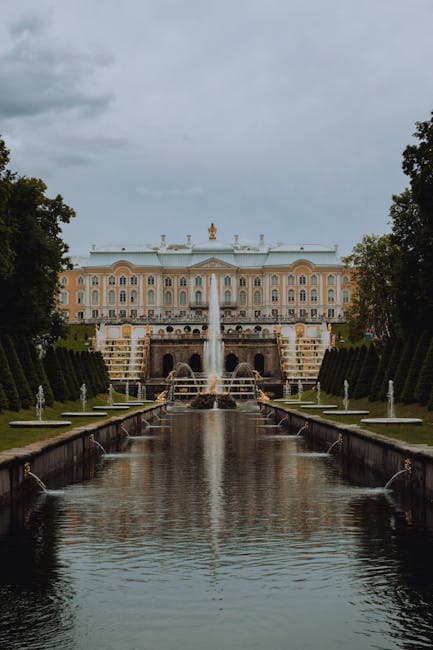
Imperial Palace Outer Gardens (Kokyo Gaien)
Open gravel plain of the former Edo Castle
This stop covers the vast Kokyo Gaien, the Imperial Palace Outer Gardens, which occupy part of the former Edo Castle grounds. The narration should explain that the original multi-story tenshu (main keep) no longer stands, leaving an open expanse used for ceremonies, views, and as a symbolic buffer around the palace. It should describe surviving stone bases, distant views of Nijubashi Bridge, and the contrast between the minimalist gravel plain and surrounding office towers. A unique anecdote might recall how enormous crowds have gathered here for imperial enthronements or New Year greetings, or tell the story of the old castle keep burning in the 17th century and never being rebuilt, changing the skyline permanently.
View Tour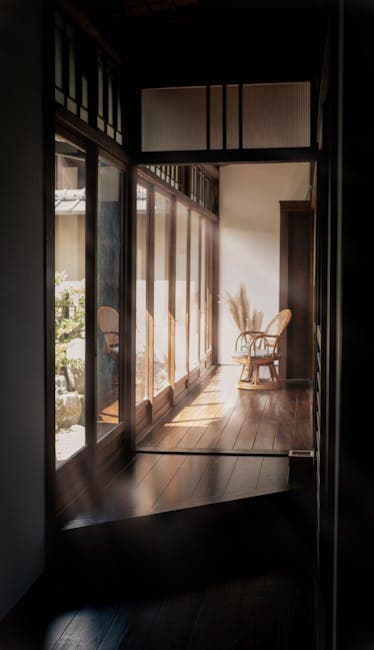
Senso-ji Main Hall
Asakusa’s ancient Buddhist temple center
This stop centers on the main hall of Senso-ji, one of Tokyo’s most venerable Buddhist temples. The narrator should recount the legend of the Kannon statue believed to have been fished from the nearby Sumida River and enshrined here, while clarifying that the original image is hidden from public view. Architectural details like the broad steps, sweeping roof, and large incense burner in front should be described, along with the practice of drawing omikuji fortunes and making offerings. Historical context can mention repeated rebuildings after fires and wartime bombing. One anecdote could explore the custom of visitors wafting incense smoke onto parts of their body for healing or good luck, and another might describe how the hidden main image has inspired centuries of artists and pilgrims despite almost never being seen.
View Tour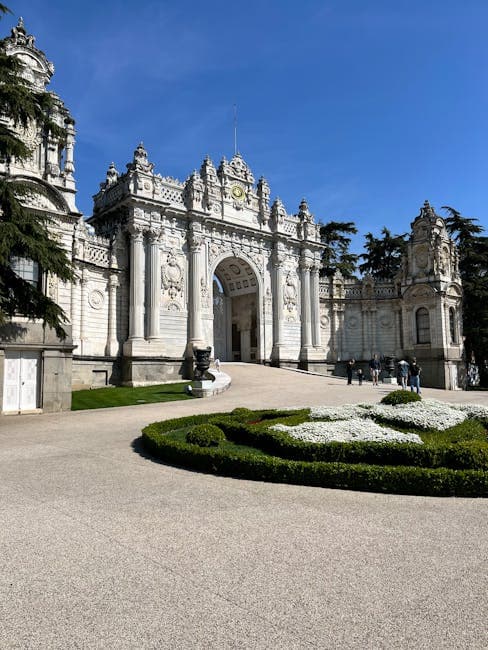
Otemon Gate and Imperial Palace East Garden Entrance
Defensive gate into Edo Castle’s inner precincts
This stop focuses on Otemon Gate as a key entrance to the former Edo Castle and the present-day way into the Imperial Palace East Gardens. The narration should explain its role in the castle’s defensive system, including moats, stone walls, and the characteristic ‘masugata’ box-like gate layout that forced entrants to turn and slow down. It should trace how the gate area changed function from shogunal stronghold to imperial precinct open to the public on certain days. A distinctive anecdote could describe how high-ranking samurai processions would have passed through here under strict protocol, or recount an episode when the gate area was damaged by earthquake or wartime bombing and later reconstructed.
View Tour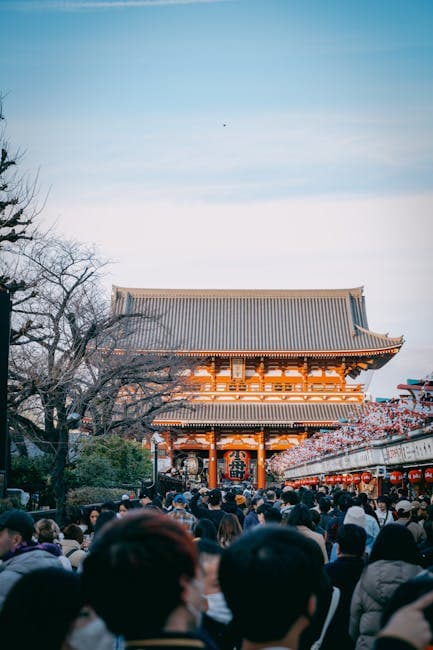
Asakusa Shrine
Shinto shrine honoring Senso-ji’s founders
At Asakusa Shrine, emphasize that this is a Shinto shrine standing beside a major Buddhist temple, illustrating Japan’s historical blending of religious traditions. The narration should introduce the three men enshrined here as kami, associated with founding Senso-ji and shaping the area’s early community. Architectural elements to describe include the honden (main hall), stone lanterns, and guardian animals that differ in style from the Buddhist structures nearby. Historical context should touch on the important Sanja Matsuri festival, when portable shrines carrying the deities are paraded through the streets. One anecdote might recall how locals see the festival’s sometimes rowdy energy as a release valve blessed by the deities, and another can mention how the shrine miraculously escaped some wartime damage that struck the temple complex around it.
View TourImperial Palace East Gardens (Honmaru and Ninomaru areas)
Terraced remains of Edo Castle’s inner compounds
This stop explores the East Gardens’ main zones, especially the Honmaru and Ninomaru areas where the shogun’s core residence and halls once stood. The narration should help visitors visualize vanished palaces and turrets using surviving stone foundations, ramparts, and changes in elevation, while also noting the modern landscaping, lawns, and seasonal plantings. It should cover the transition from Tokugawa shogunate seat to Imperial Palace grounds after 1868, and later opening as a public garden. A unique anecdote might describe how the huge stone base of the former main keep was once planned for an even larger tower that never materialized, or mention archaeological work uncovering remnants of Edo-period buildings beneath the grass.
View TourFrequently Asked Questions
How do audio walking tours work in Tokio?
Our audio walking tours in Tokio are self-guided experiences that you can start anytime. Simply download the Roamway app, select a tour, and follow the GPS-guided route. The audio narration automatically plays as you approach each point of interest, allowing you to explore at your own pace.
Are self-guided tours better than guided tours?
Self-guided audio tours offer flexibility that traditional guided tours can't match. You can pause, rewind, or skip sections, explore at your own pace, and start whenever you're ready. Plus, our tours are available in multiple languages and work offline once downloaded.
Do I need an internet connection during the tour?
No! Once you've downloaded a tour in the Roamway app, it works completely offline. The GPS navigation and audio narration function without an internet connection, making it perfect for international travelers who want to avoid data charges.
How long do the audio tours take?
Tour durations vary, but most of our audio tours in Tokio range from 1 to 3 hours, depending on your pace and how much time you spend at each point of interest. You can complete them in one go or split them across multiple visits.
Ready to explore Tokio?
Download Roamway and start your audio-guided adventure today.