
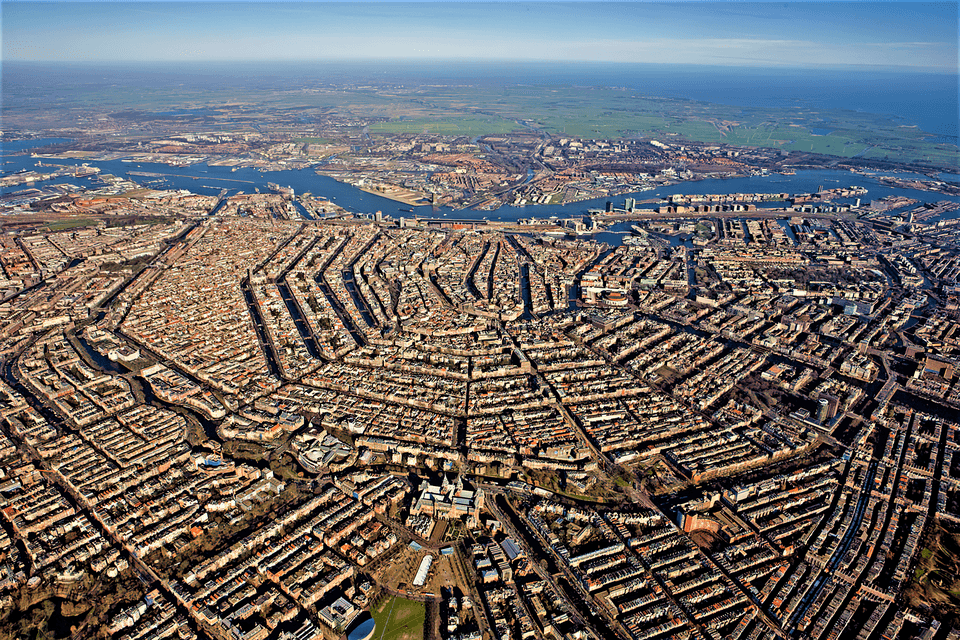
Amsterdam: Canals, Golden Age History and Hidden Courtyards
Amsterdam, Nederland
Audio Preview
Listen to a sample of this audio tour to get a feel for the experience.
What You'll Experience
On this Amsterdam: Canals, Golden Age History and Hidden Courtyards audio tour in Amsterdam, you'll discover 12 carefully selected points of interest, each with its own story. The tour is designed to be completed at your own pace, with GPS navigation guiding you from one location to the next. As you approach each stop, the audio narration automatically begins, bringing history, culture, and local insights to life.
About This Tour
This tour follows central Amsterdam from Dam Square through historic churches, the former stock exchange, and early canals to the grand Golden Bend. It includes Begijnhof, Spui, canal house museums, and classic bridge views. Themes include Dutch Golden Age trade, canal architecture, religious history, photography, and everyday life along the Amstel.
Points of Interest
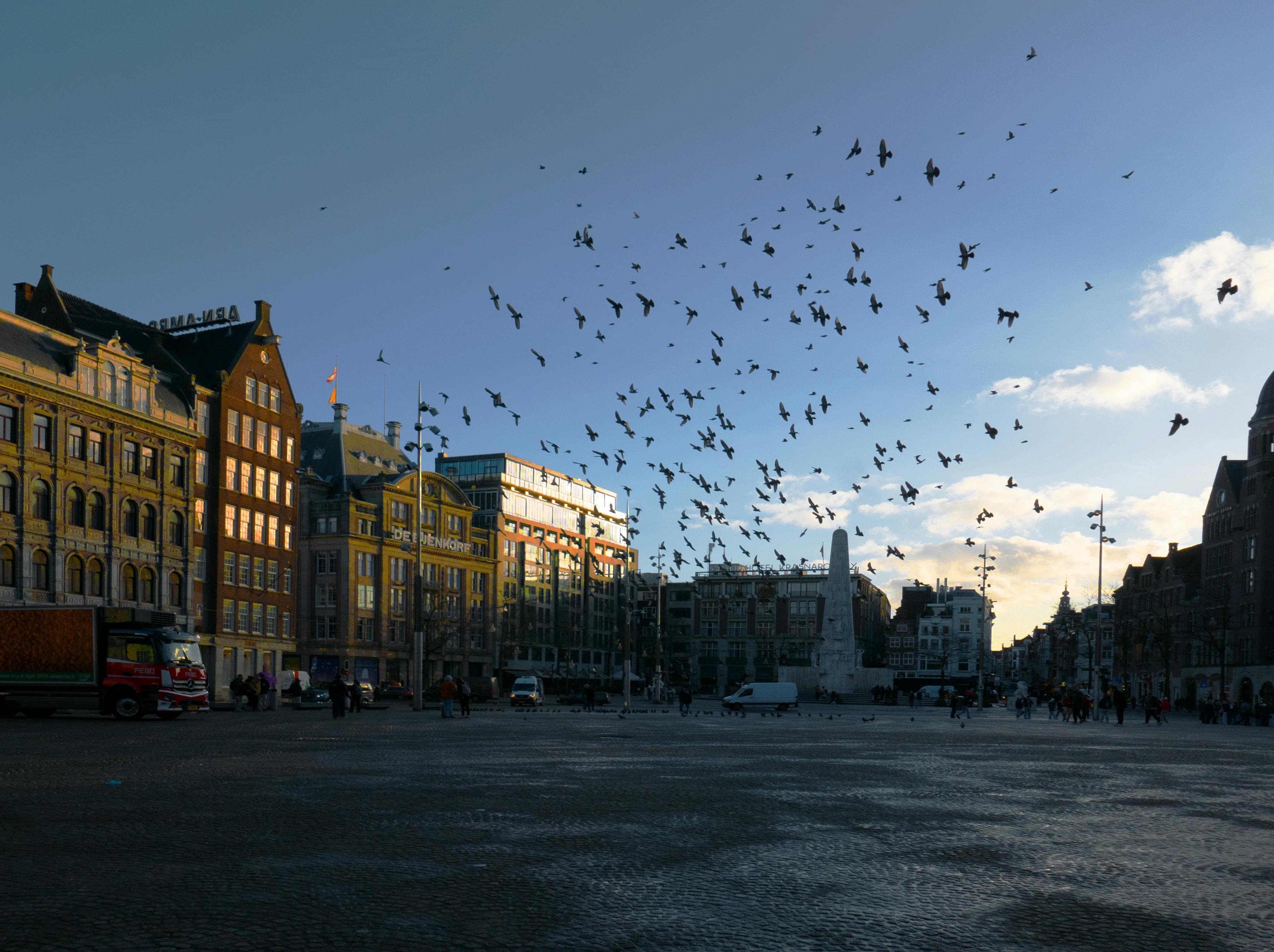
Dam Square
Royal Palace, war memorial, and civic heart
This stop introduces Dam Square as Amsterdam’s historic heart, framed by the Royal Palace, Nieuwe Kerk, and the National Monument. The narration should cover its origins as a medieval dam in the Amstel, its role in trade and civic life, and its later transformation into a royal and symbolic space. It should describe the Royal Palace’s sober classicist façade, the contrast with surrounding commercial buildings, and the vertical presence of the National Monument. One anecdote can recount post‑war debates about the monument’s design and symbolism, and another can highlight a specific moment of protest or celebration that filled the square, illustrating its role as a stage for public emotion. The square also serves as the conceptual launchpad for themes of water, trade, and power that will recur along the tour.
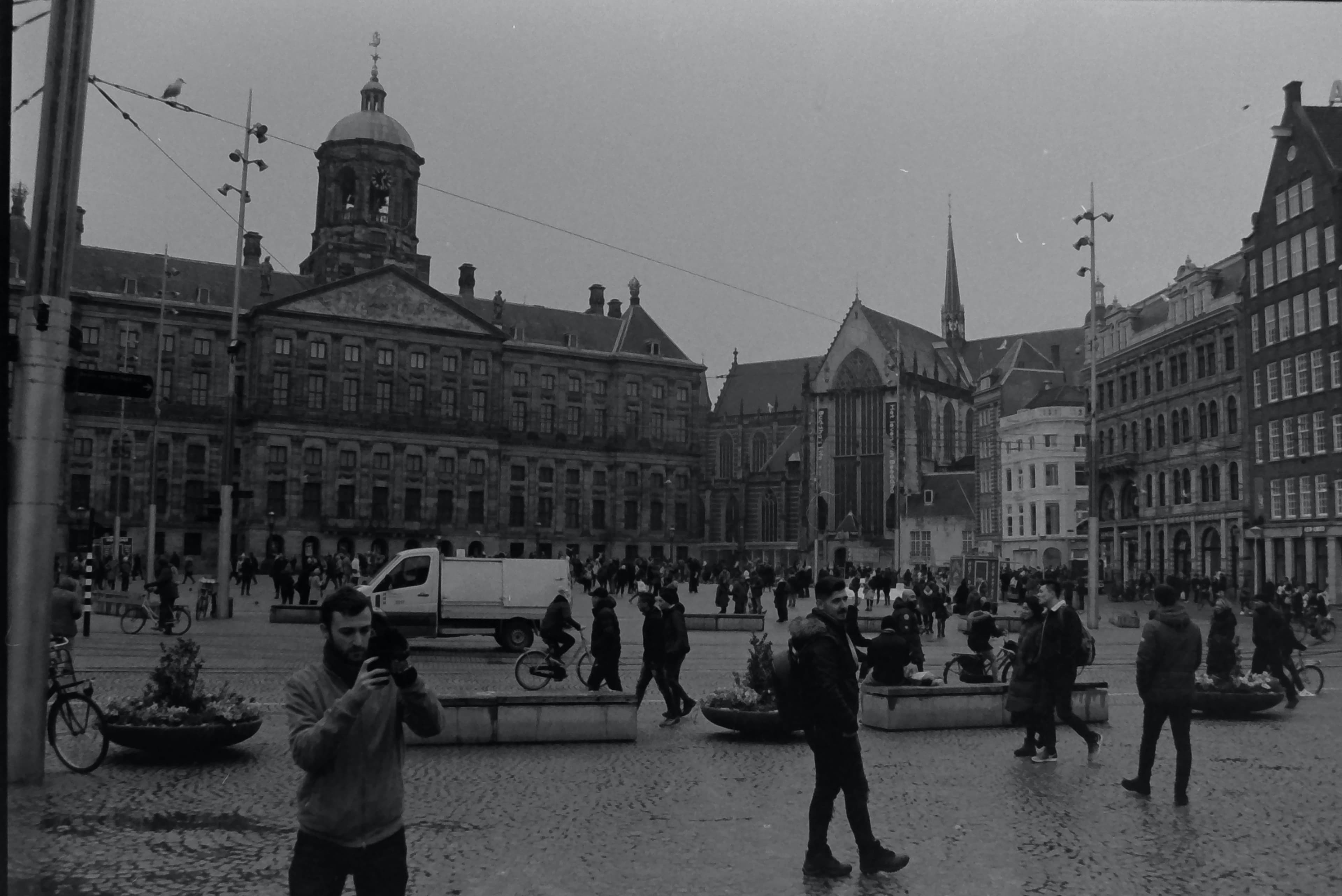
Nieuwe Kerk
Ceremonial church beside the Royal Palace
At Nieuwe Kerk, the script should explain why this “New Church” is actually centuries old and how it grew as Amsterdam expanded beyond its first parish church. It should describe the Gothic architecture, tall windows, and the way the church sits tightly against the Royal Palace, symbolically linking religion and civic power. The narration can highlight its role in royal inaugurations and important state ceremonies rather than regular parish life today. One anecdote might focus on the impressive tomb of a famous naval hero inside, illustrating Dutch maritime pride, while another could describe a notable exhibition that temporarily transformed the church’s interior. This stop also reinforces the tension between sacred spaces and the city’s increasingly worldly, commercial character.
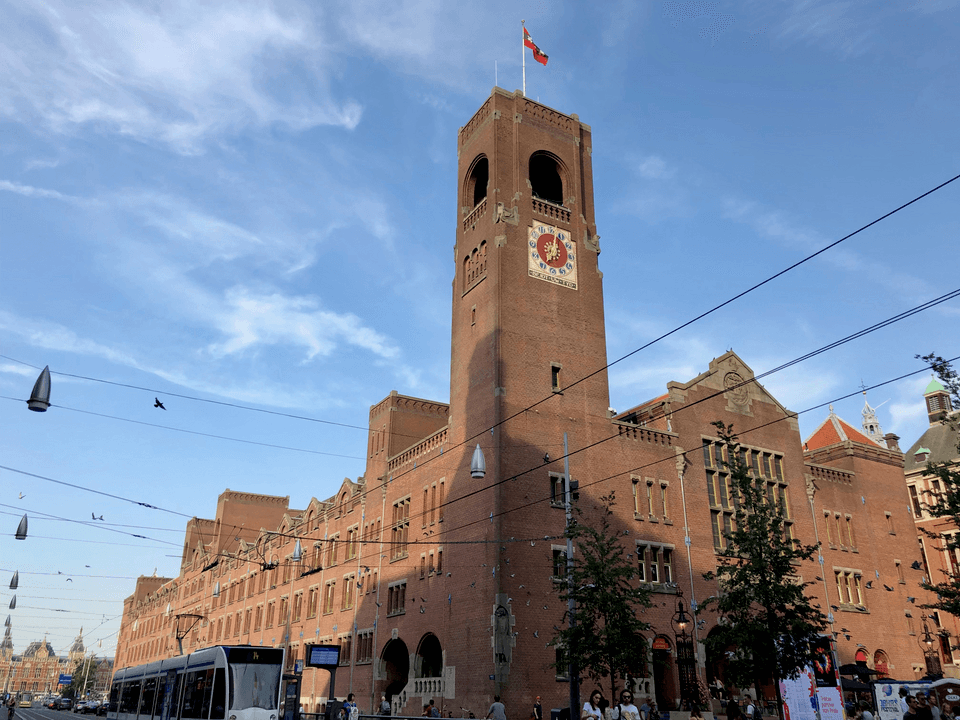
Beurs van Berlage
Brick stock exchange of trade and labor
This stop presents the Beurs van Berlage as a landmark of Amsterdam’s commercial and architectural history. The narration should explain how it was built as a new stock exchange in the late 19th–early 20th century, replacing cramped earlier trading spaces and symbolising the city’s modern financial ambitions. It should analyse the building’s robust brick architecture, tower, and restrained ornament as a reaction against 19th‑century eclecticism. One anecdote can explore the building’s later use as a venue for political congresses or cultural events, signaling its shift from pure finance to public life. Another could mention how traders once used hand signals and shouted bids in the exchange hall, giving a sense of the building’s former sonic atmosphere. This connects Golden Age trade roots to industrial‑era capitalism.
Damrak Canal Frontage
Former harbour canal and trading front
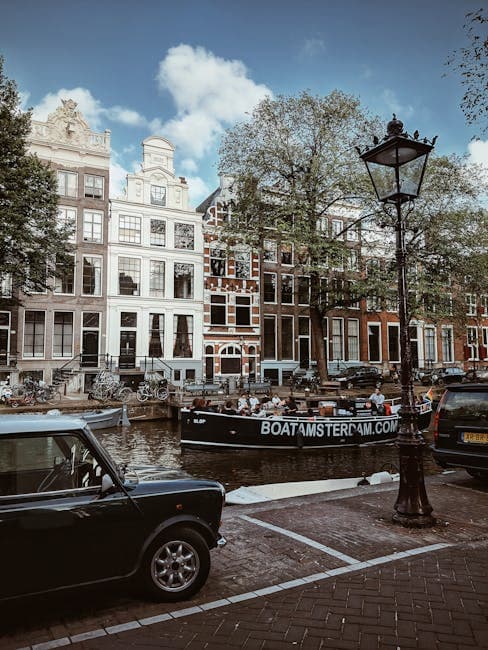
Here the focus is the Damrak as the historic watery approach from the IJ into Amsterdam’s core and the visual gateway to Dam Square. The script should describe how ships once sailed directly along this canal to the city’s commercial heart, and how parts were later filled and reshaped. It should highlight the leaning, narrow canal houses along the east side, noting their gables, varying colours, and sometimes tilted foundations, as a product of wooden piles and soft ground. One anecdote can recall how ship cargoes were hoisted directly into warehouses via gable hooks, while another can evoke the sight and smell of goods from distant colonies arriving here. This stop bridges the city’s maritime orientation with its canal‑ring development.
Begijnhof
Secluded Beguine courtyard and hidden chapels
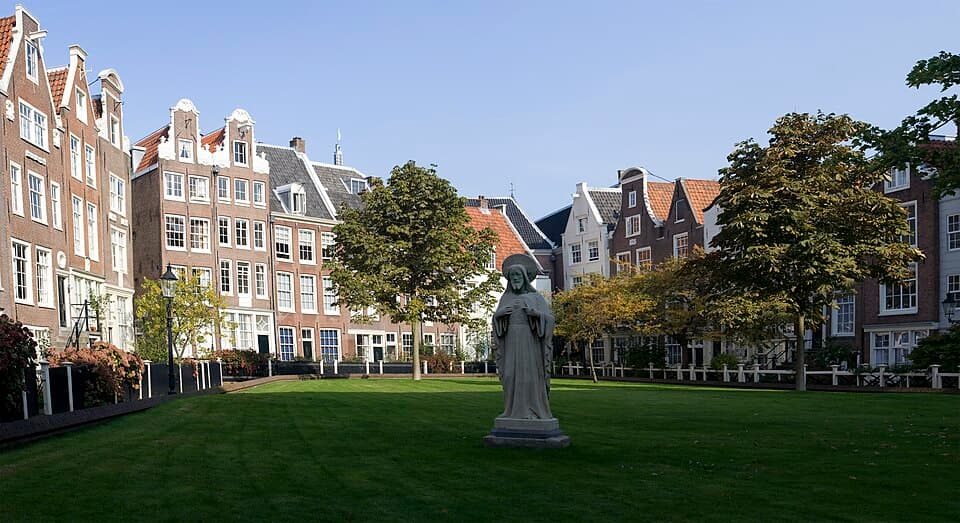
At Begijnhof, the focus shifts to a quiet, semi‑monastic female community in the heart of commercial Amsterdam. The narration should explain who the Beguines were—lay religious women living in community without taking full vows—and how this courtyard survived religious upheavals and urban development. It should describe the enclosed green, the variety of gabled houses, and the presence of both a small chapel and a hidden Catholic church behind plain façades. One anecdote might highlight the story of a particular Beguine remembered for her charity or reputed sanctity, illustrating the community’s social role. Another could mention how, during periods of official Protestant dominance, discreet Catholic worship continued here under the guise of ordinary houses. This stop deepens themes of tolerance, tension, and hidden faith.
Spui Square
Book market, student life, and quiet square
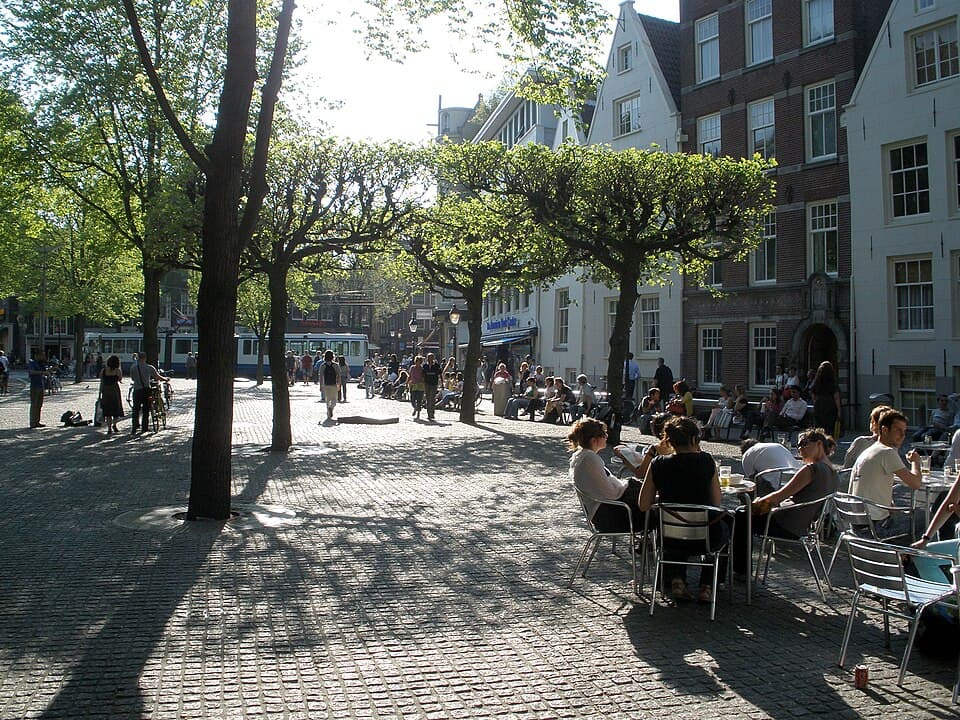
This stop treats Spui and its surroundings as a gentler, more intimate urban space compared to Dam Square. The script should describe the square’s human scale, paving, trees, and how it sits close to university buildings, bookshops, and cultural institutions. It should cover the weekly book market tradition and Amsterdam’s reputation for printing, free thought, and literary culture. One anecdote can recall a particular controversial book or publisher associated with nearby presses, suggesting how ideas once circulated here as energetically as goods on Damrak. Another could describe a student protest or gathering that unfolded around Spui, tying the area to modern civic debate. This stop connects written culture and academic life to the city’s broader history of trade and tolerance.
Herengracht Golden Bend
Grandest curve of Amsterdam’s canal belt
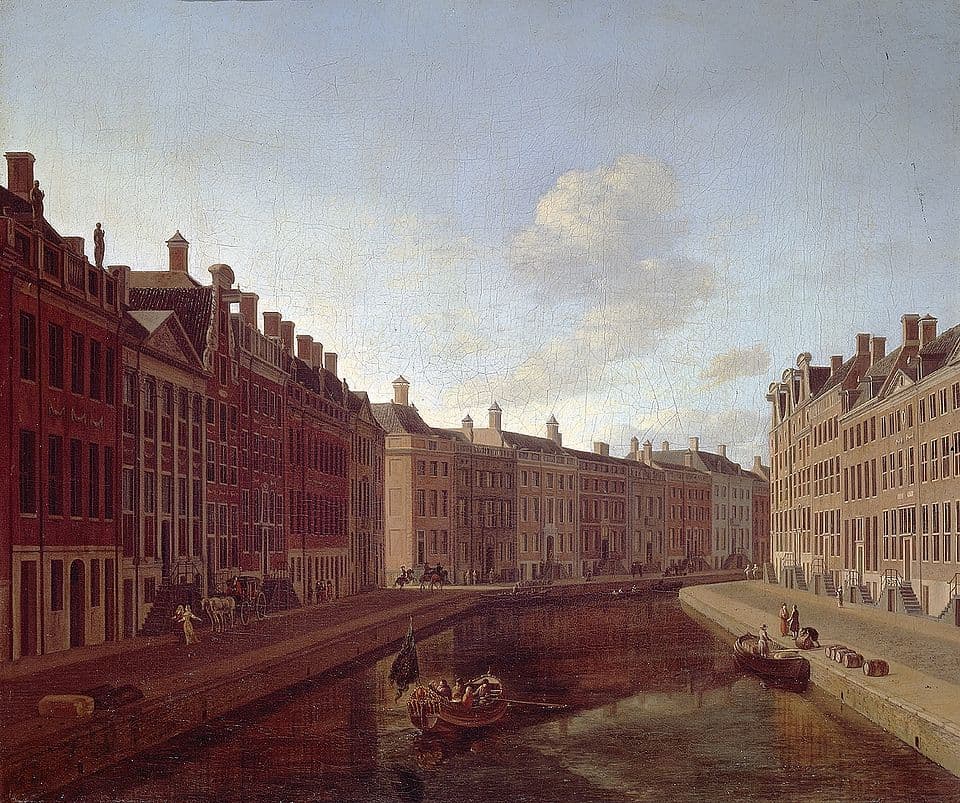
At Herengracht’s Gouden Bocht, the narration should present this stretch as the pinnacle of 17th‑century Amsterdam wealth and status. It should explain how the canal belt was planned and how the most prestigious plots clustered here, where wide, double‑plot houses with richly decorated façades face the water. The script can draw attention to different gable types, tall windows, and coach houses behind, illustrating how merchants displayed success while integrating work and domestic life. One anecdote may focus on a specific wealthy family who commissioned a lavish house here, hinting at their role in trade or city politics. Another could evoke a historical canal‑side reception or party, showing how these façades were also social stages. This stop crystallises the Golden Age theme architecturally.
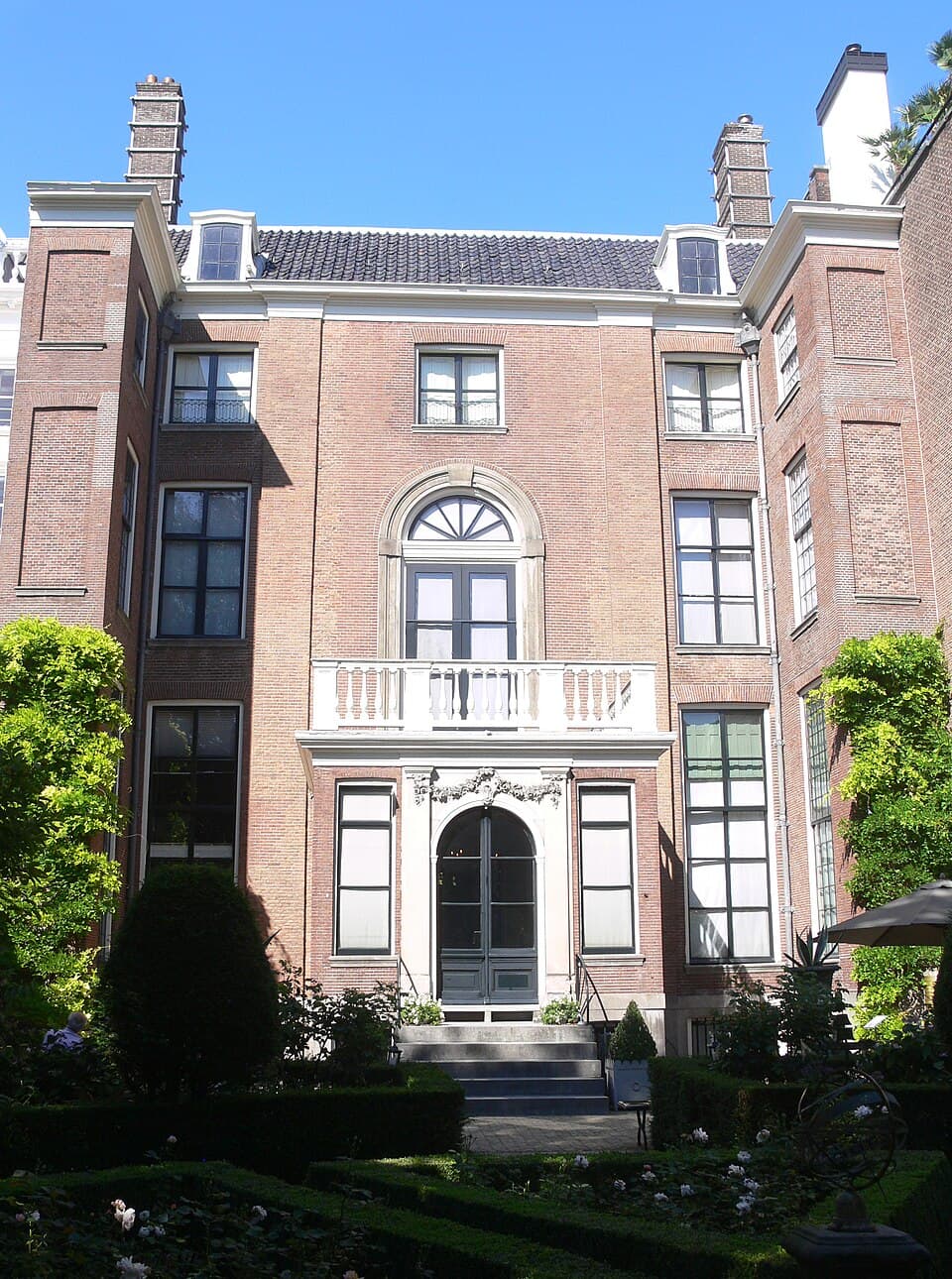
Museum Van Loon
Canal house interior of a patrician family
Here the museum serves as a concrete example of how a Golden Age canal house functioned inside. The narration should outline the Van Loon family’s status and the house’s 17th‑century origins, then describe the enfilade of front rooms, richly decorated interiors, garden, and coach house. It should contrast the polished public spaces with the more modest service areas and explain how household staff, trade connections, and family life were woven together in one property. One anecdote could recount the story of a particular portrait or object in the collection that hints at global trade links. Another might describe a notable social event once held in the house, giving life to the formal rooms. This stop personalises the grand façades seen at the Golden Bend.
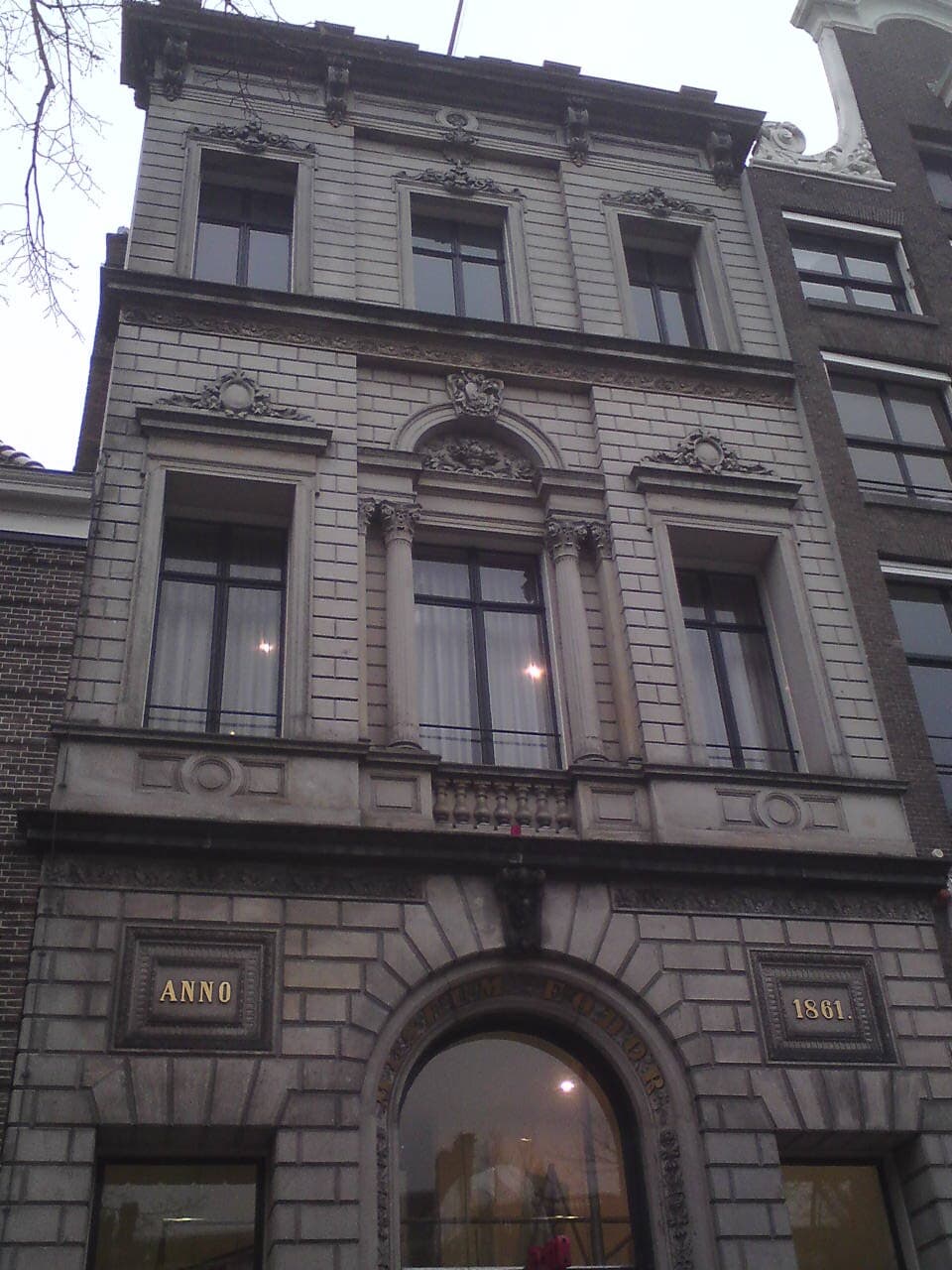
FOAM Photography Museum
Photography museum in a historic canal house
FOAM is used here to show how old canal houses are repurposed for contemporary culture, and to bring photography into the tour’s theme of seeing Amsterdam. The script should mention the building’s canal‑house origins—narrow frontage, deep floorplan, possibly a modest gable—before noting its current role as a photography museum. It should touch on Amsterdam’s tradition of visual experimentation and how photographers document the canals, bridges, and everyday city life. One anecdote might recall a particularly influential exhibition that shifted public debate about photography or public space. Another could mention how visitors sometimes discover original architectural elements—like beams or staircases—while moving between galleries, underscoring the blend of old and new. This stop links built heritage with modern visual storytelling.
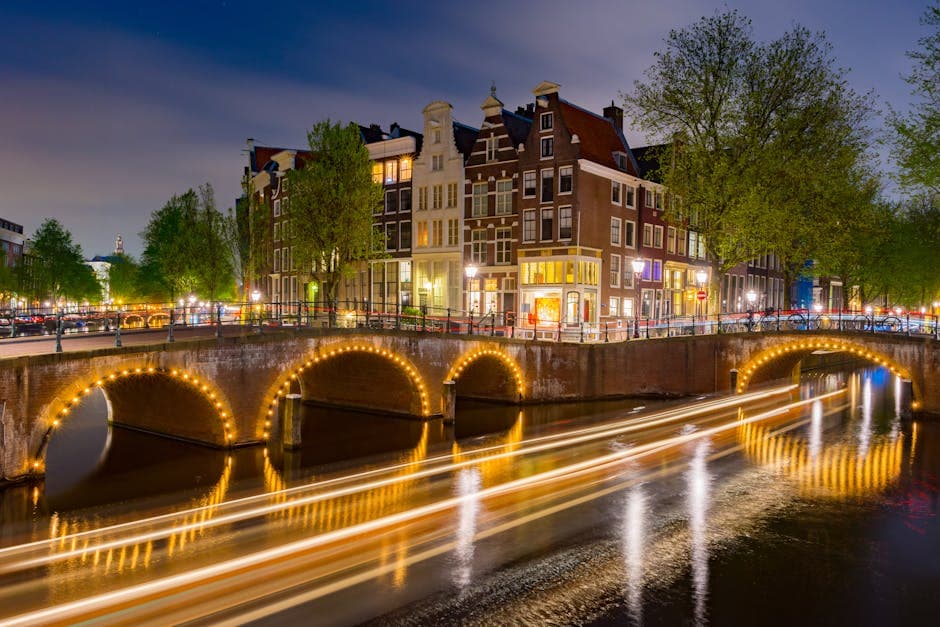
Keizersgracht-Reguliersgracht Bridge
Intersecting canals and classic postcard views
This stop focuses on the intersection of Keizersgracht and Reguliersgracht, famous for its aligned bridges and atmospheric canal views. The narration should invite listeners to notice how the canals curve and intersect, creating repeating arches and reflections that photographers love, especially at night when lights trace the bridges. It should briefly explain the logic of Amsterdam’s concentric canals and cross‑canals, and how this geometry helped manage water and traffic. One anecdote might describe how 19th‑ or 20th‑century painters and photographers used this viewpoint to define the city’s image. Another could note a local tradition or seasonal moment here, such as winter ice skating when canals occasionally freeze, to show how residents interact with this landscape. This stop highlights the city’s visual rhythm and engineered beauty.
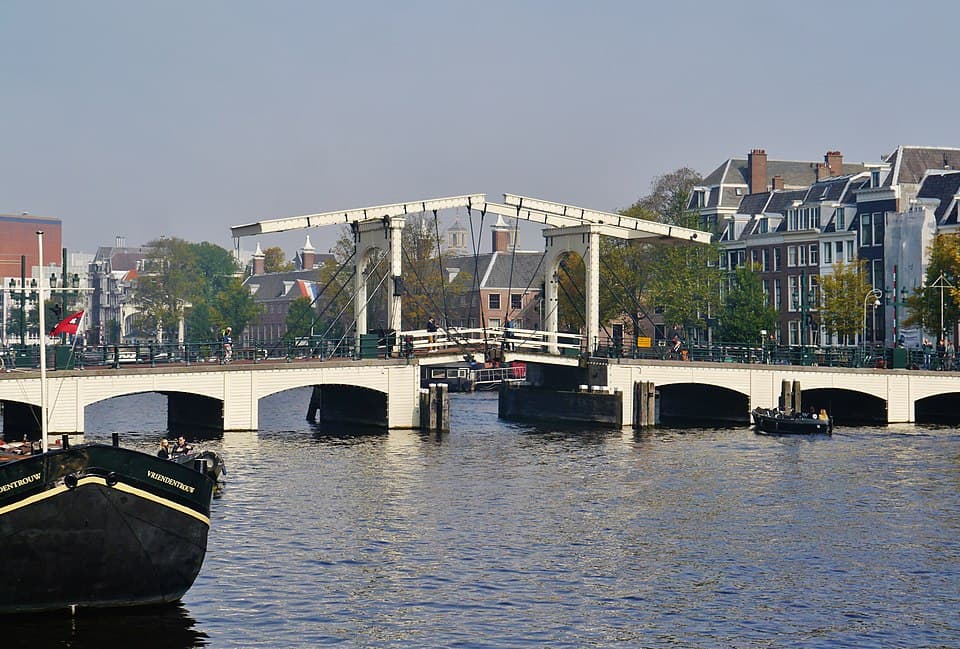
Magere Brug
Wooden "Skinny Bridge" over the Amstel
At Magere Brug, the narration should describe the elegant white wooden drawbridge spanning the Amstel and how its relatively narrow form earned it the nickname “Skinny Bridge.” It should explain the function of such bascule bridges in allowing boat traffic and how this bridge has been rebuilt or altered over time while retaining a traditional look. One anecdote can explore the popular legend about two sisters who struggled to afford a bridge between their houses, giving a romantic or familial origin to the name. Another might mention how the bridge has appeared in films or artworks, cementing its status as a city icon. This stop broadens the story from inner canals to the wider Amstel and its traffic.
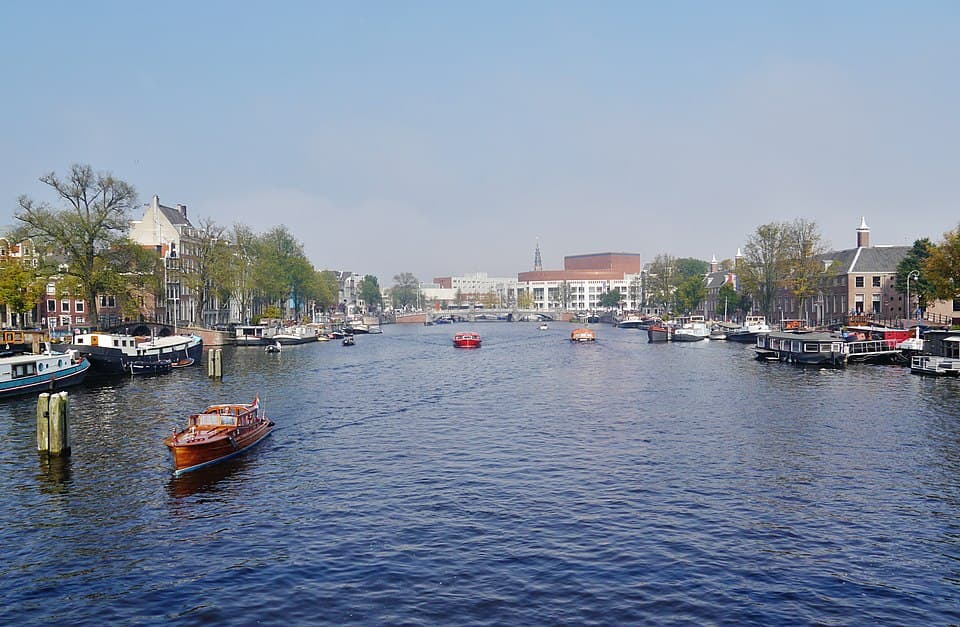
Amstel by Stopera
Riverfront, city hall, and modern opera
The final stop looks at the Amstel river frontage near the Stopera complex, combining water, civic power, and culture. The script should describe the broad river, embankments, and how this area developed from working quays and edge‑of‑town neighborhoods into a more formal civic riverfront. It should outline the Stopera’s combined function as city hall and opera house, and its controversial reception when built, especially regarding demolition of older buildings and modern architecture in a historic cityscape. One anecdote may recall a notable protest or public debate held here about urban planning or the complex itself. Another could evoke an evening when opera spectators spill out onto the riverside terraces, linking high culture to the working river. This stop should wrap up the tour, reflecting on how Amsterdam’s identity is still shaped along the Amstel.
Start This Tour
Download Roamway to experience this audio tour
Tour Details
Access
Free
Stops
12 points of interest
Languages
English
More tours in Amsterdam
View all tours in AmsterdamFrequently Asked Questions
How do I start this audio tour?
Download the Roamway app, search for this tour, and tap 'Start Tour'. The app will guide you to the starting point using GPS. Once you're there, the audio narration begins automatically.
Do I need an internet connection?
No! Once you've downloaded the tour in the Roamway app, it works completely offline. The GPS navigation and audio narration function without an internet connection.
Can I pause and resume the tour?
Yes! You can pause the tour at any time and resume later. Your progress is automatically saved, so you can complete the tour over multiple sessions if needed.