
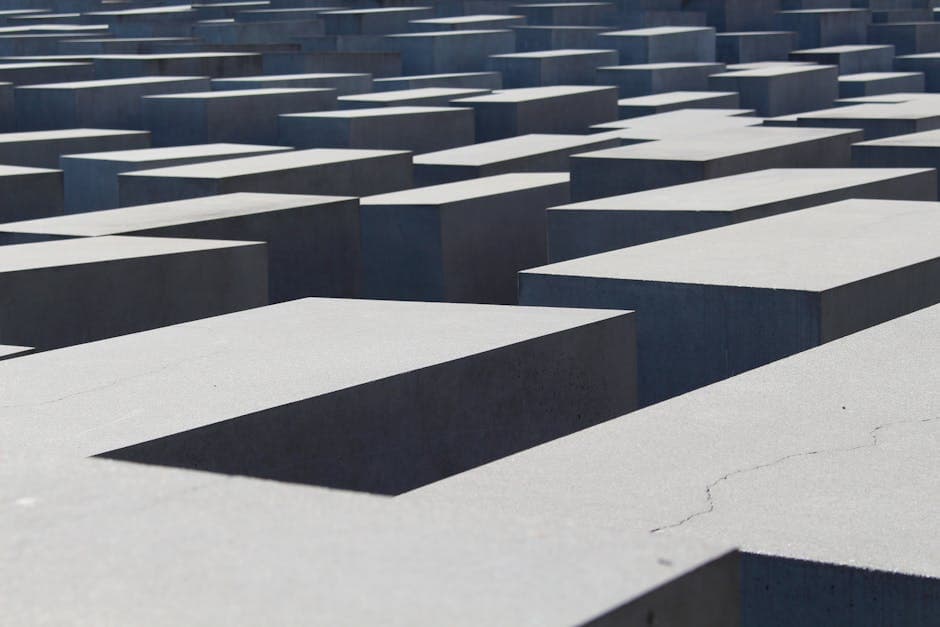
Berlin: Holocaust Memorials, Jewish History and Memory
Berlin, Deutschland
Audio Preview
Listen to a sample of this audio tour to get a feel for the experience.
What You'll Experience
On this Berlin: Holocaust Memorials, Jewish History and Memory audio tour in Berlin, you'll discover 12 carefully selected points of interest, each with its own story. The tour is designed to be completed at your own pace, with GPS navigation guiding you from one location to the next. As you approach each stop, the audio narration automatically begins, bringing history, culture, and local insights to life.
About This Tour
This tour explores central Berlin sites related to the Holocaust, Nazi persecution, and Jewish life before and after 1945. It visits major memorials, Stolpersteine, Bebelplatz, the Hackesche Höfe courtyards, the Neue Synagoge, and the Anne Frank Zentrum exterior. Themes include remembrance culture, urban history, and changing memorial practices along the Spree.
Points of Interest
Memorial to the Murdered Jews
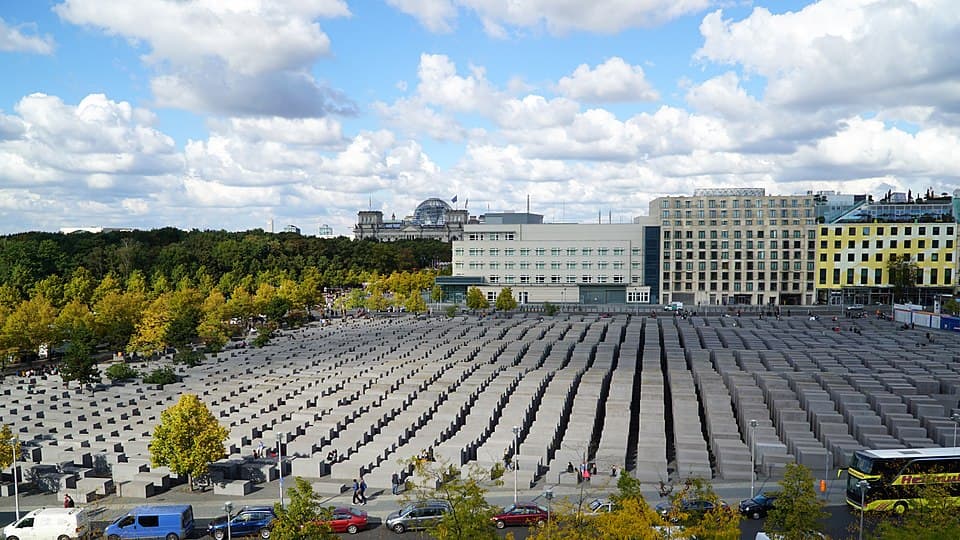
Concrete field confronting the scale of the Holocaust
This stop introduces the Memorial to the Murdered Jews of Europe, a vast field of concrete stelae near the Brandenburg Gate, and frames the entire tour’s themes of Holocaust remembrance and urban memory. The summary should cover its post‑reunification origins, the public debates about design and location, and architect Peter Eisenman’s concept of disorientation and instability. It should touch on how visitors move through the grid, how the memorial interacts with Berlin’s government quarter, and how critics questioned whether abstraction can do justice to the victims. One unique anecdote to include is how, during planning, nearby residents expressed concern about children playing or people sunbathing on the stelae, anticipating the ongoing tension between everyday life and solemn memory in this busy area.
Holocaust Memorial Information Centre
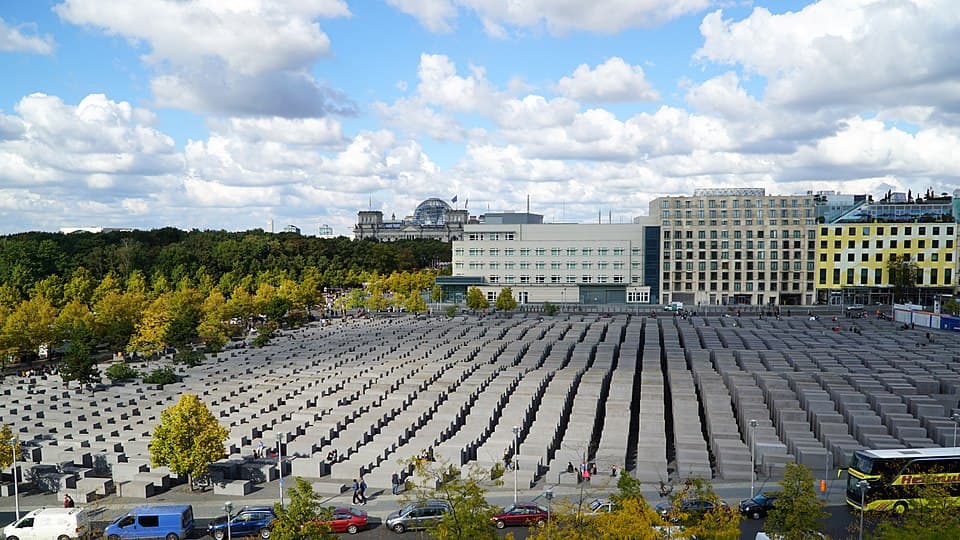
Entrance to underground exhibition and documentation
This stop focuses on the entrance area to the underground Information Centre beneath the Holocaust Memorial, treating it as a context point rather than an invitation to enter. The script should explain that below lies a documentation space with personal stories, family photographs, and lists of names, designed to complement the abstract stelae above. It should outline the basic structure of the exhibition rooms and the idea of moving from anonymous mass to individual biographies. A unique anecdote to highlight is how the designers collected family stories from across Europe, sometimes receiving boxes of letters and photographs from descendants who had never before shared them publicly, illustrating the memorial’s role in gathering dispersed memories.
Memorial to Persecuted Homosexuals
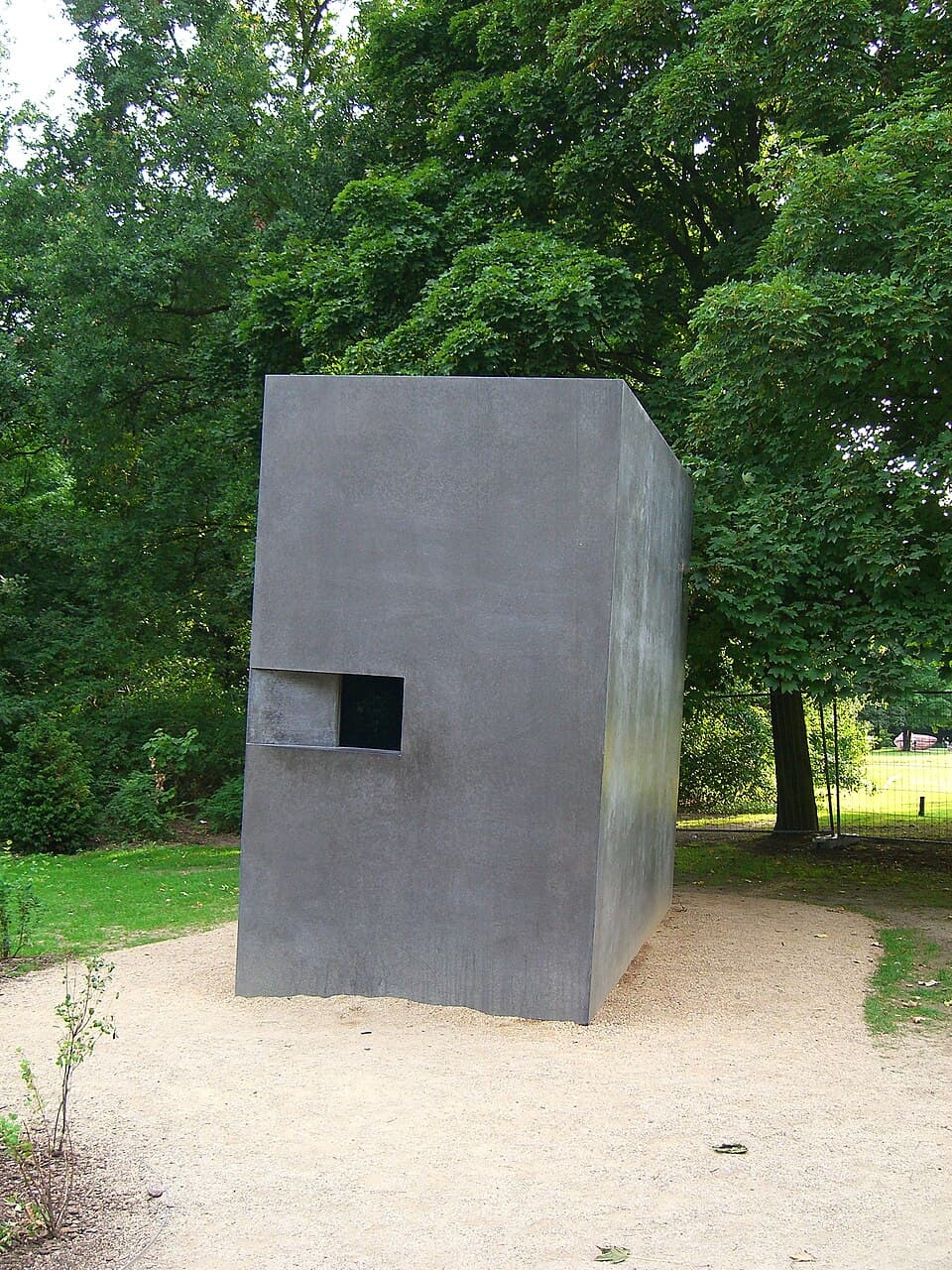
Secluded concrete cube for queer Nazi victims
This stop presents the memorial to homosexuals persecuted under National Socialism, located across the street from the main Holocaust Memorial in the Tiergarten edge. The narration should describe the simple concrete cube with a window showing a video, and explain the criminalization of male homosexuality under Paragraph 175 and the persecution of queer people in camps and prisons. It should discuss why this memorial was created later than the central Holocaust Memorial and how debates over its design reflected ongoing struggles over queer visibility. A unique anecdote to include is the early plan to periodically change the video inside the cube, shifting from a same‑sex couple kissing to other scenes, which sparked discussion about how to represent queer love and suffering in public space.
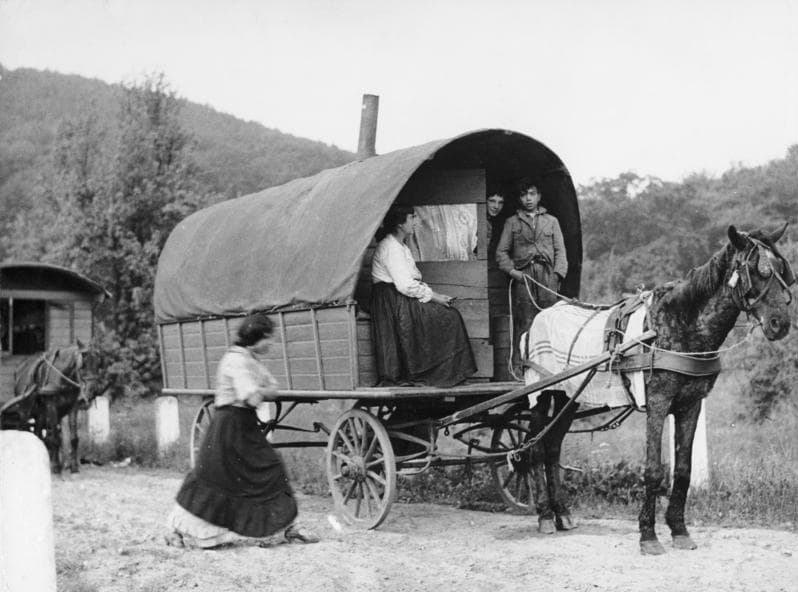
Sinti and Roma Memorial
Reflective pool honoring murdered Sinti and Roma
Here the focus is the memorial to the Sinti and Roma of Europe murdered under National Socialism, in a quieter part of the Tiergarten near the Reichstag. The summary should describe the circular dark pool, the triangular stone that sinks and rises, and the engraved poem around the edge. It should explain who the Sinti and Roma are, outline the long history of their persecution in Europe, and note how their genocide, sometimes called the Porajmos, was long neglected in public discourse. A unique anecdote to include is how some Sinti and Roma survivors and activists insisted that the memorial be placed near the Reichstag to symbolize their claim to full citizenship and recognition at Germany’s political heart, after decades of discrimination even post‑1945.
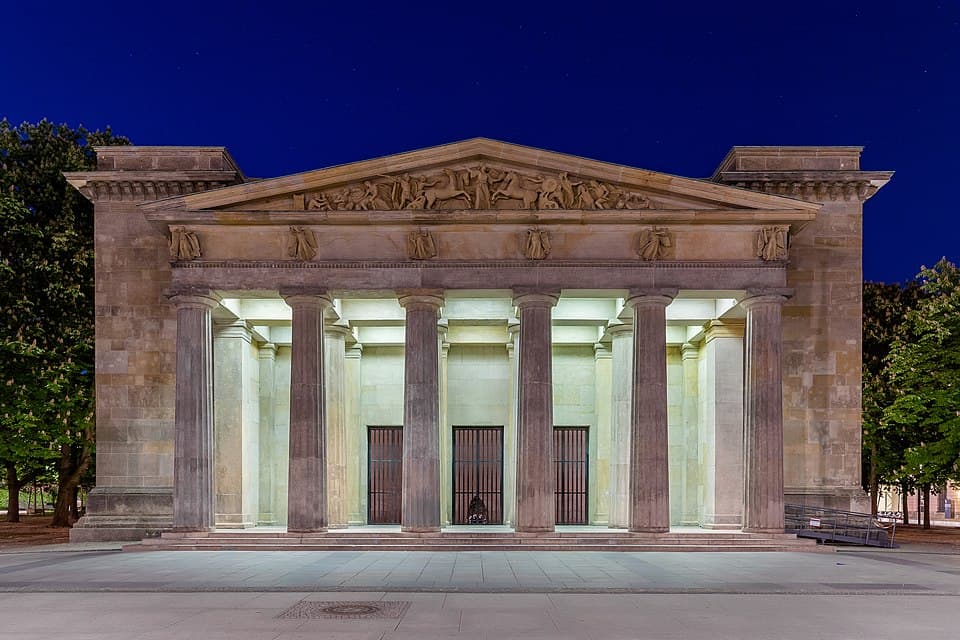
Neue Wache Memorial
Guardhouse turned memorial for war and dictatorship victims
This stop covers the Neue Wache on Unter den Linden, a former Prussian guardhouse now serving as Germany’s central memorial for the victims of war and dictatorship. The narration should describe the neoclassical exterior, the stark interior with a single enlarged version of Käthe Kollwitz’s sculpture of a mourning mother and her dead son, and the open oculus exposing the figures to the elements. It should explain the building’s shifting meanings: from royal guardhouse, to Memorial to the Victims of Fascism and Militarism in the GDR, to its current function in the reunited Federal Republic. A unique anecdote to include is how, during the GDR period, soldiers stood ceremonial guard here and official wreath‑laying rituals often coexisted uneasily with private acts of mourning that did not fit the state’s anti‑fascist narrative.
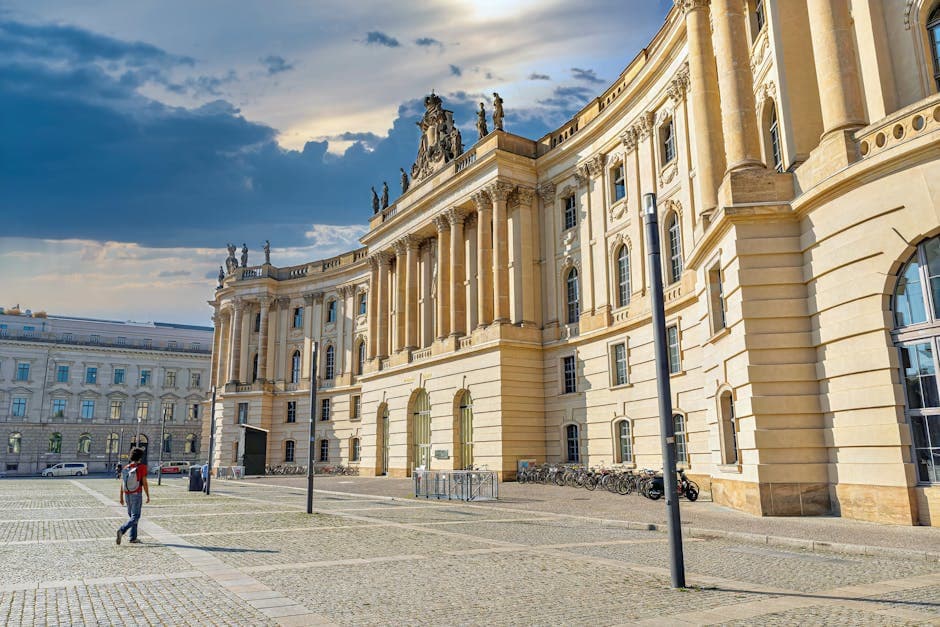
Bebelplatz Stolpersteine
Stumbling stones near square of book burning
This stop shifts focus to smaller Stolpersteine in the streets around Bebelplatz, linking the well‑known site of the 1933 book burning to individualized remembrance at former homes. The script should briefly evoke Bebelplatz and the burning of “un‑German” books, then guide attention to brass plaques in nearby pavements that mark deported or murdered residents. It should explain artist Gunter Demnig’s Stolpersteine project and how each stone is laid for a specific person, often at their last voluntary address. A unique anecdote to include is the story of a building here where, after research by local schoolchildren, multiple Stolpersteine were installed for a Jewish family and their non‑Jewish neighbor who had tried to help them, revealing hidden layers of solidarity as well as persecution.
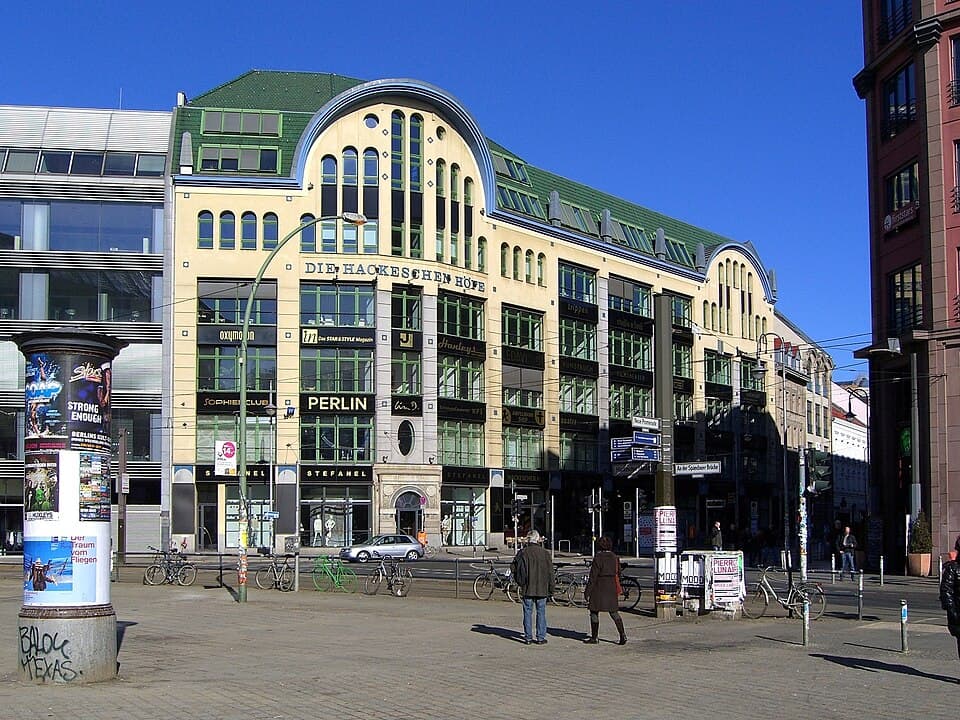
Hackescher Markt Area
Former Jewish commercial hub turned nightlife district
This stop introduces the wider Hackescher Markt area as a former center of Jewish commerce and everyday life, now a busy nightlife and shopping district. The narration should sketch how, before 1933, Jewish‑owned shops, workshops, and cultural venues clustered here, benefiting from proximity to the S‑Bahn and central markets. It should touch on the impact of Nazi boycotts, Aryanization policies, and the deportation of residents on these streets. A unique anecdote to include is the story of a once‑popular Jewish‑owned fashion store near the station that was forcibly transferred to a “Aryan” owner in the 1930s, whose postwar descendants later agreed to add a plaque acknowledging the original family after restitution negotiations, symbolizing slowly changing attitudes toward historical responsibility.
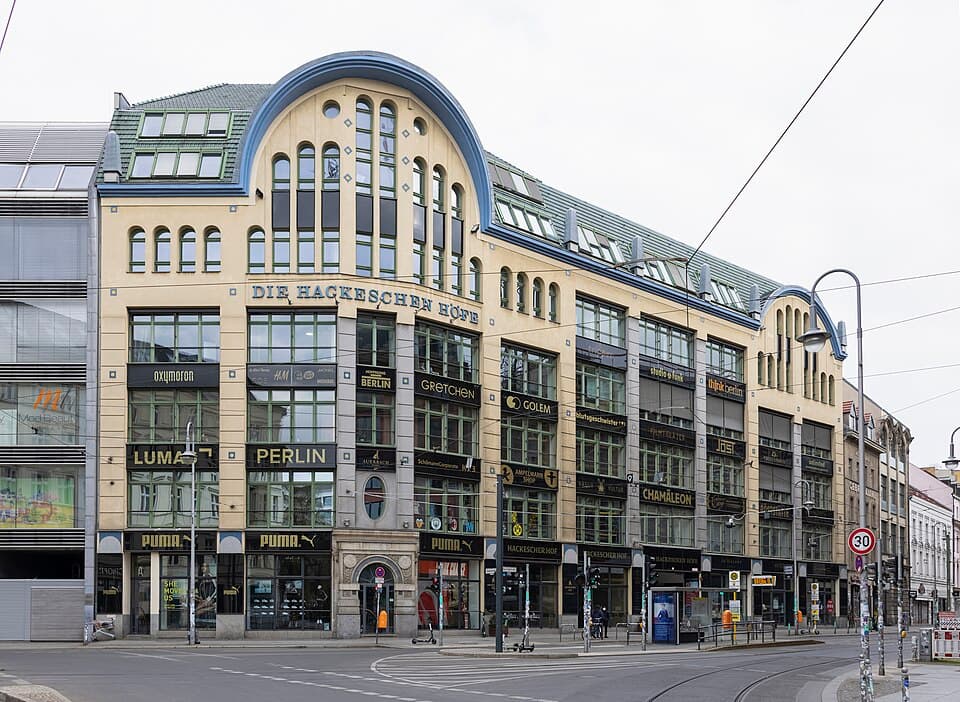
Hackesche Höfe Courtyards
Art Nouveau courtyards with layered Jewish histories
This stop zooms into the Hackesche Höfe complex, a series of interlinked courtyards with decorated façades and a mix of workshops, apartments, and cultural spaces. The script should describe the Jugendstil (Art Nouveau) tiles, the sequence of courtyards, and how this was once a mixed residential and commercial complex where several Jewish businesses and institutions operated. It should address how Nazi policies disrupted this fabric, followed by GDR neglect and later post‑1990 renovation and gentrification. A unique anecdote to include is the story of a Jewish‑owned cinema or cabaret venue in one of the courtyards that hosted experimental performances in the late 1920s, later shut down by the Nazis, with traces of its signage rediscovered under layers of paint during restoration work decades later.
Anne Frank Zentrum Exterior
Courtyard entrance to exhibition on Anne Frank
This stop focuses on the exterior of the Anne Frank Zentrum located in one of the Hackesche Höfe courtyards, without requiring entry. The narration should explain that this center hosts an exhibition about Anne Frank’s life, her diary, and the persecution of Jews in Europe, connecting Amsterdam’s hiding place to wider histories also visible in Berlin. It should mention the choice of location in a former Jewish neighborhood and how the center works with schools and youth groups. A unique anecdote to include is how, when the exhibition first opened, visitors were invited to leave handwritten notes about what Anne’s story meant to them, and the resulting wall of messages from teenagers in many languages became an informal memorial in its own right, influencing later exhibition design.
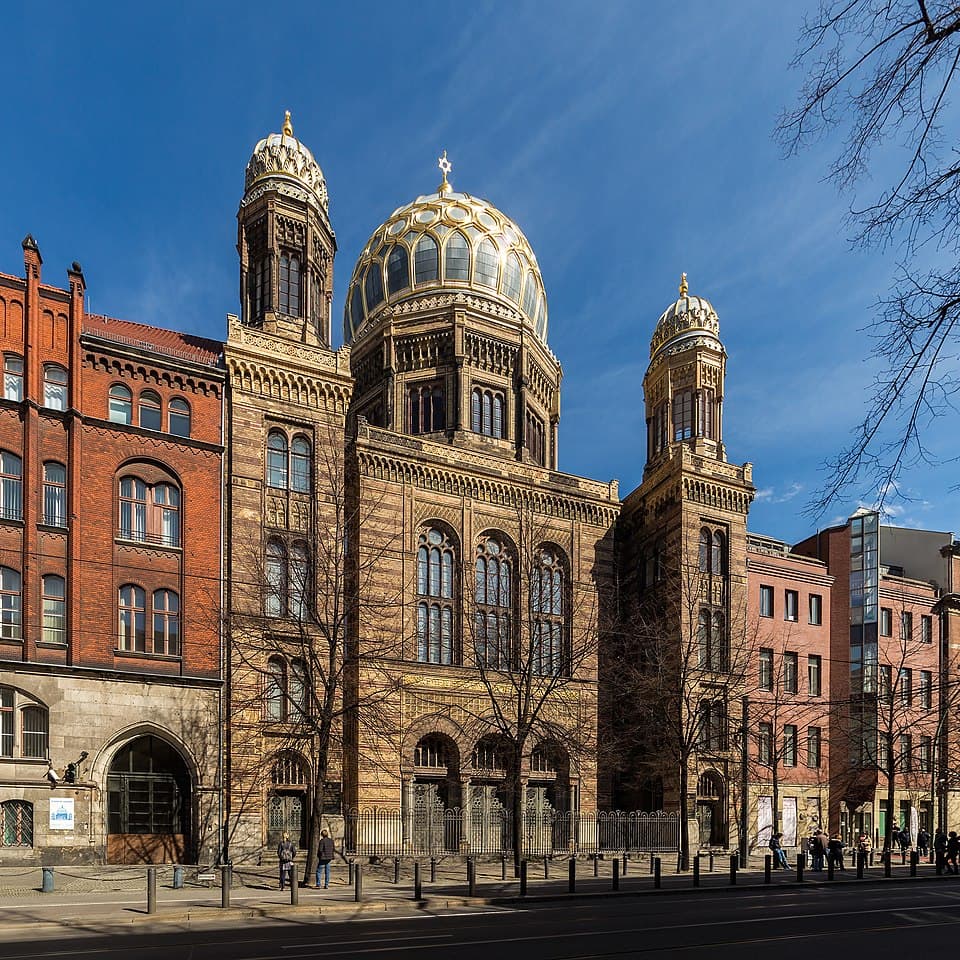
Neue Synagoge Oranienburger
Golden‑domed synagogue and Jewish museum center
This stop presents the Neue Synagoge on Oranienburger Straße, with its striking golden dome and reconstructed façade, as a symbol of both destroyed and revived Jewish life in Berlin. The narration should recount its late 19th‑century construction for a large liberal Jewish community, the partial damage during the November 1938 pogrom and later wartime bombing, and the decision in the 1980s–1990s to rebuild parts as the Centrum Judaicum. It should note that only some sections are original and that today the building houses both a museum center and a place of worship. A unique anecdote to include is how, during the 1938 pogrom, a local police officer is reported to have intervened to halt the arson attack here, citing building regulations and the danger of fire spreading, an unusual act of limited protection that later drew public attention when his story resurfaced.
Oranienburger Straße Stolpersteine
Individual brass stones commemorating former residents
This stop highlights Stolpersteine along Oranienburger Straße and nearby side streets, connecting the imposing Neue Synagoge to the personal histories of residents who once lived here. The script should describe how the stones are placed flush in the pavement, each bearing a name, birth year, fate, and place of deportation or murder. It should encourage listeners to read specific names and imagine these as neighbors, shopkeepers, or children on this very street. A unique anecdote to include is the example of a Stolperstein laid for a Jewish doctor who had his practice nearby and who, according to local research, continued treating both Jewish and non‑Jewish patients as long as he was allowed, with some former patients later attending the stone’s installation ceremony with flowers and photographs.
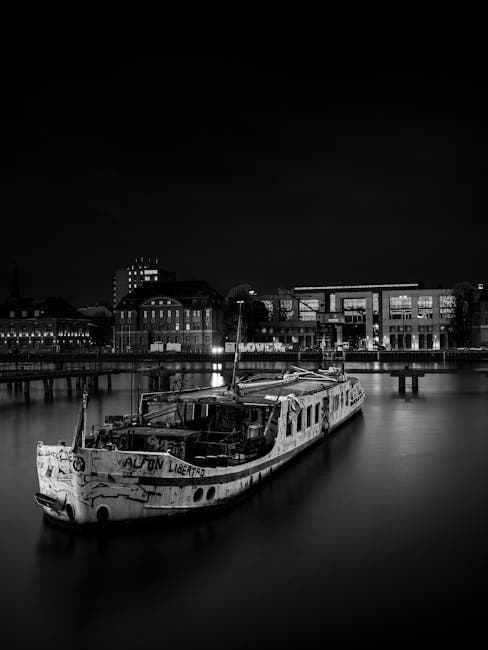
Monbijoupark Spree Riverbank
Quiet riverside spot for remembrance and reflection
The final stop brings the group to the Spree riverbank near Monbijoupark, offering a calmer environment to reflect on the tour’s themes within sight of Museum Island and the former Jewish districts. The narration should summarize the journey from large national memorials to intimate Stolpersteine, and connect this to Berlin’s broader landscape of memory and postwar rebuilding. It can briefly mention how this riverside area was once edged by dense housing and later by the Berlin Wall, reminding listeners of multiple layers of loss and division. A unique anecdote to include is how, after reunification, local initiatives organized small candle‑lit gatherings along the Spree on Holocaust Remembrance Day, choosing the flowing river as a symbol of continuity and the passing on of memory through generations.
Start This Tour
Download Roamway to experience this audio tour
Tour Details
Access
Free
Stops
12 points of interest
Languages
GermanEnglishSpanishFrench
More tours in Berlin
View all tours in BerlinOther tours you might enjoy:
Berlin: Landmarks, Nazi Era Sites & Cold War Borderlands
This central Berlin route links the Brandenburg Gate, Reichstag, Potsdamer Platz, Gendarmenmarkt, and Unter den Linden with key 20th‑century sites. It examines Prussian architecture, Nazi dictatorship and terror institutions, the Holocaust memorial, Soviet war remembrance, and Cold War border crossings, showing how Berlin’s cityscape reflects German and European history.
Berlin Kreuzberg: Street Art, Canals and Counterculture
This tour explores Kreuzberg’s Görlitzer Bahnhof area, Görlitzer Park, and the canal paths along the Landwehrkanal between Lohmühlenbrücke and Admiralbrücke. It focuses on street art, migrant histories, punk and club culture, and everyday life around Kottbusser Tor, Oranienstraße, Maybachufer, and the former hospital complex at Mariannenplatz.
Berlin: Monuments, Memory and Museum Island Classics
This central Berlin tour focuses on Unter den Linden, Bebelplatz, and Museum Island, featuring monuments, churches, and cultural institutions. It examines Prussian and imperial architecture, war and Cold War legacies, and contemporary reconstruction debates. Key sites include Brandenburg Gate, Bebelplatz, Neue Wache, Berliner Dom, Humboldt Forum, and the major Museum Island façades.
Frequently Asked Questions
How do I start this audio tour?
Download the Roamway app, search for this tour, and tap 'Start Tour'. The app will guide you to the starting point using GPS. Once you're there, the audio narration begins automatically.
Do I need an internet connection?
No! Once you've downloaded the tour in the Roamway app, it works completely offline. The GPS navigation and audio narration function without an internet connection.
Can I pause and resume the tour?
Yes! You can pause the tour at any time and resume later. Your progress is automatically saved, so you can complete the tour over multiple sessions if needed.