
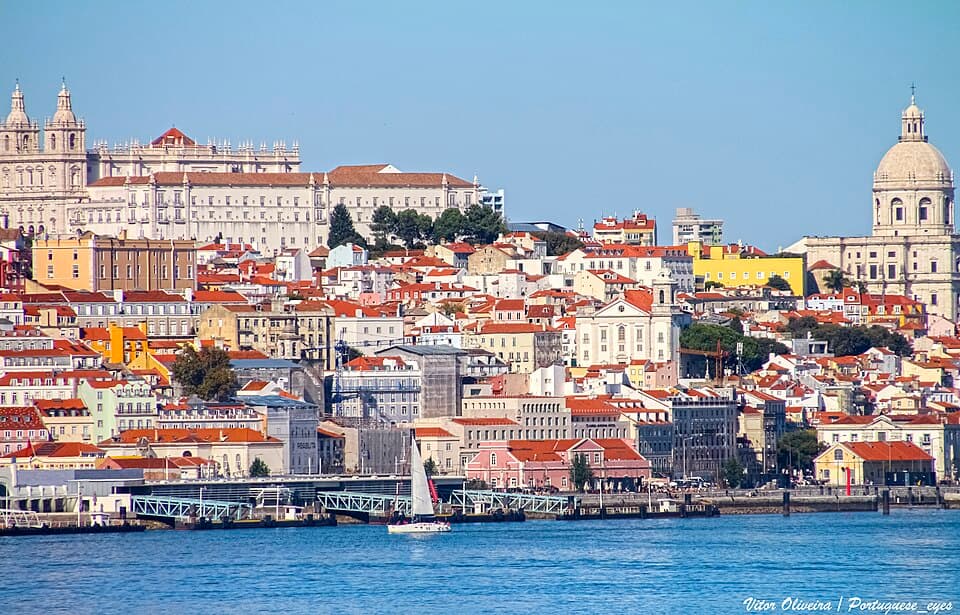
Lisbon Baixa & Chiado: Pombaline Center and City Life
Lisboa, Portugal
Audio Preview
Listen to a sample of this audio tour to get a feel for the experience.
What You'll Experience
On this Lisbon Baixa & Chiado: Pombaline Center and City Life audio tour in Lisboa, you'll discover 12 carefully selected points of interest, each with its own story. The tour is designed to be completed at your own pace, with GPS navigation guiding you from one location to the next. As you approach each stop, the audio narration automatically begins, bringing history, culture, and local insights to life.
About This Tour
This tour explores Lisbon’s Baixa and Chiado districts, from Praça do Comércio and Rua Augusta to Rossio, Figueira, and Largo do Chiado. It examines post-1755 Pombaline urban planning, neoclassical and iron architecture, religious and civic spaces, and daily commercial life, highlighting contrasts between riverfront, downtown grid, and upper town areas.
Points of Interest
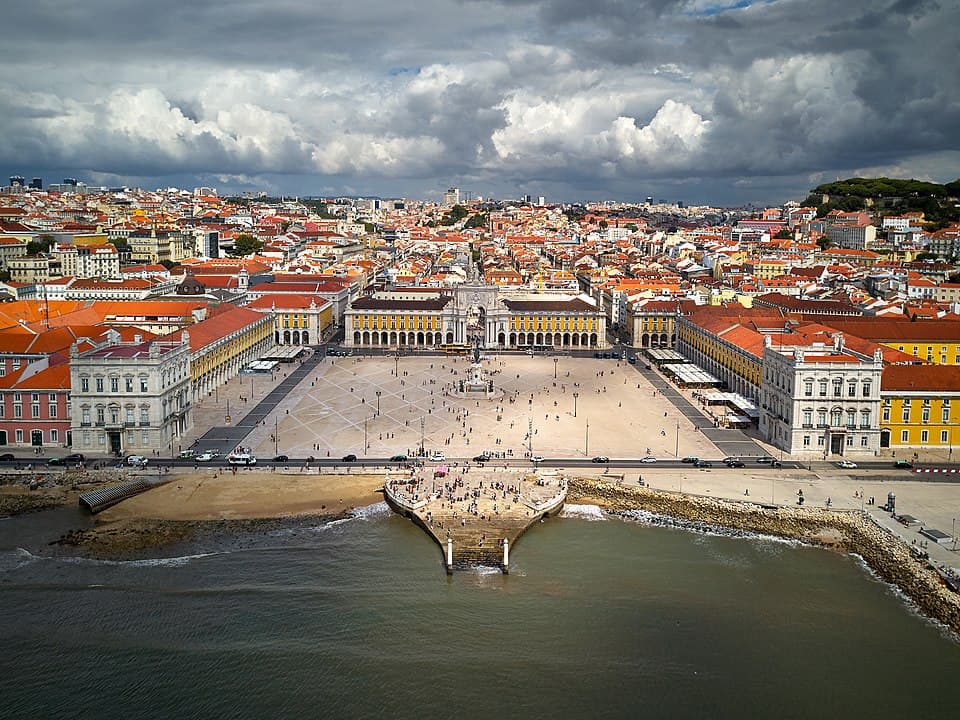
Praça do Comércio
Riverfront square of power and rebirth
This stop introduces Praça do Comércio as Lisbon’s grand riverfront square and symbolic gateway to the city. The narration should explain how the 1755 earthquake and tsunami destroyed the royal palace that once stood here and how the Marquis of Pombal oversaw its transformation into an open, U‑shaped commercial square. Architecturally, it should highlight the arcaded yellow façades, symmetry, and relationship to the Tagus River and Rua Augusta. It should also mention royal ceremonies and departures for overseas colonies that once took place along this waterfront. One anecdote could describe how Pombal is said to have organized the city’s immediate post‑earthquake response from this area, signaling a new, more centralized state power.
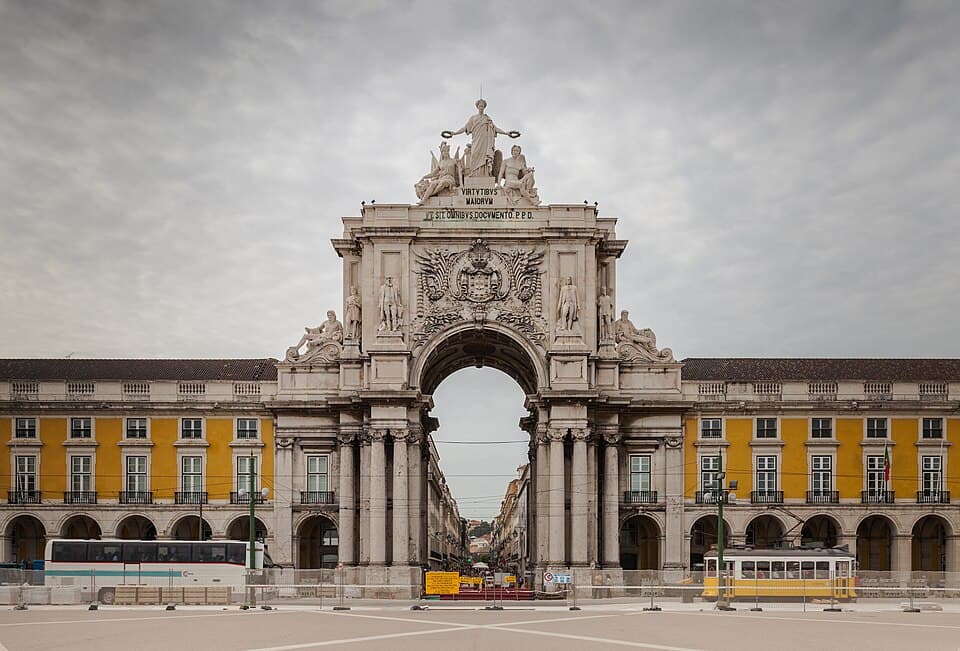
Arco da Rua Augusta
Triumphal gateway into the rebuilt Baixa
This stop focuses on the Arco da Rua Augusta as a monumental entrance from Praça do Comércio into the Pombaline grid. The narration should cover its 19th‑century completion as a commemoration of Lisbon’s reconstruction after the earthquake, pointing out its clock, columns, and rooftop statues representing Glory, Genius, and allegorical figures of the Tagus and Douro rivers. It should name key historical figures depicted, such as the Marquis of Pombal, Vasco da Gama, or Nuno Álvares Pereira, as relevant. One anecdote could explain how the arch was initially conceived more modestly and only later transformed into the elaborate triumphal form seen today, reflecting changing tastes and a desire to celebrate national heroes.
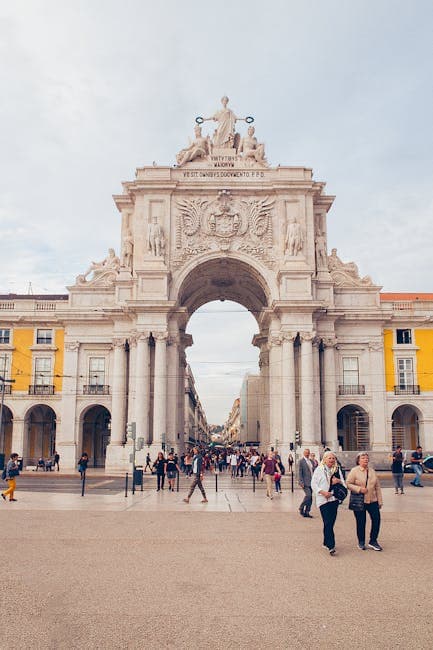
Rua Augusta
Pombaline spine of shops and crowds
This stop uses Rua Augusta to illustrate Baixa’s Pombaline urban grid and everyday city life. Narration should describe the straight, wide axis lined with uniform façades, ground‑floor shops, balconies, and patterned calçada paving, emphasizing how standardized building types were meant to be fire‑safer and more rational after 1755. It should evoke the sensory atmosphere: outdoor cafés, buskers, tourists, and local errands coexisting. A noteworthy point is the tradition of specialized trades historically concentrating here, with shop signs, cafés, and jewelry or fabric stores anchoring family businesses across generations. An anecdote might recall how Rua Augusta became one of Lisbon’s first streets with intense window‑shopping culture, where strolling up and down the promenade turned into a social ritual.
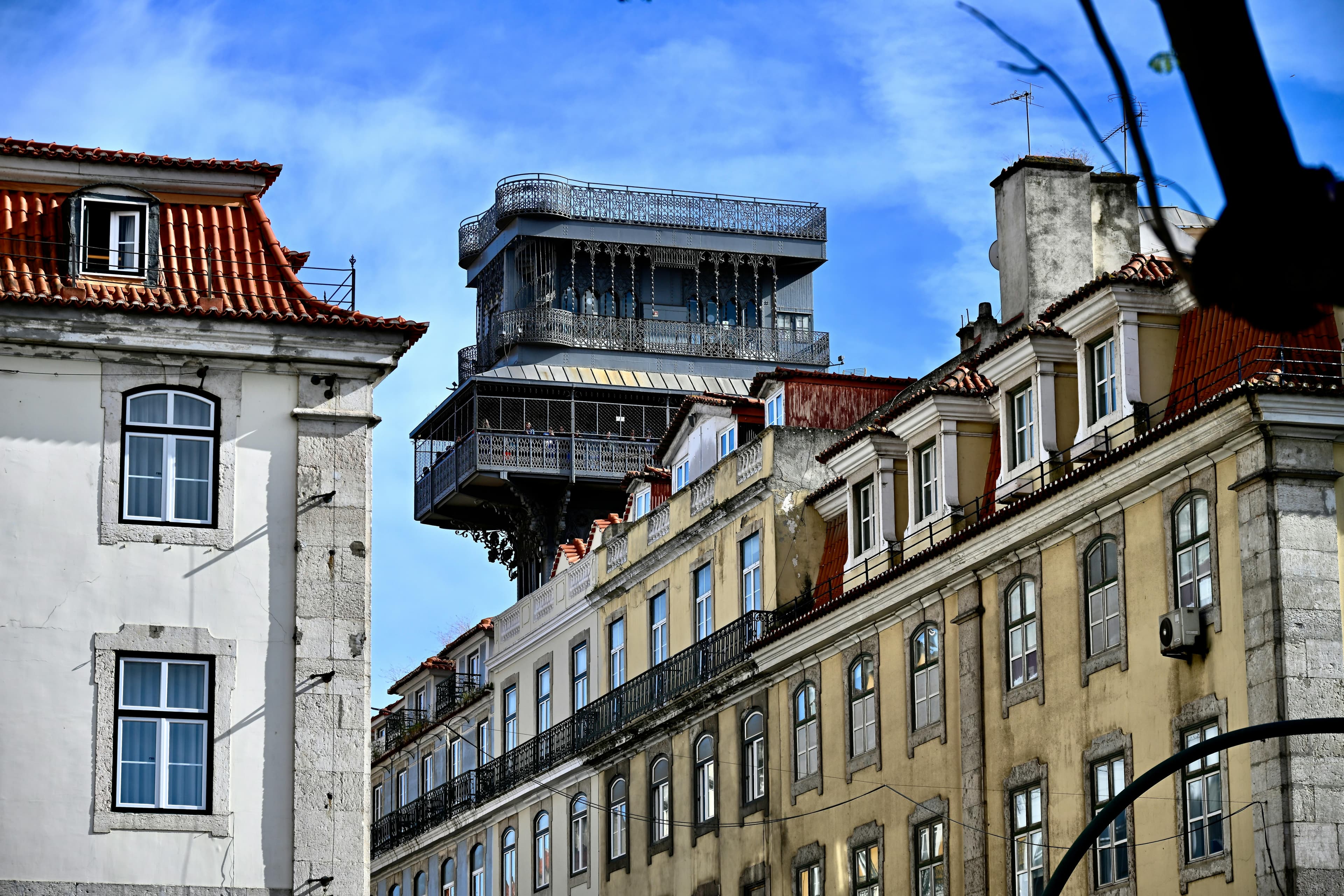
Rua dos Sapateiros & Santa Justa Elevator
Side street life and iron vertical link
This stop turns into Rua dos Sapateiros to show a narrower Baixa street and view the Santa Justa Elevator from below. Narration should explain how side streets like this complemented the main axes, often named for traditional guilds such as shoemakers, and how their scale and alignments still follow the Pombaline grid. It should then focus on the iron elevator as a later addition connecting Baixa to the Carmo/Chiado hill, highlighting its filigree metallic structure and neo‑Gothic details. One anecdote could recount how, when the elevator opened, it was a modern novelty that initially ran on steam power before electrification, becoming both practical transport and an instant urban spectacle.
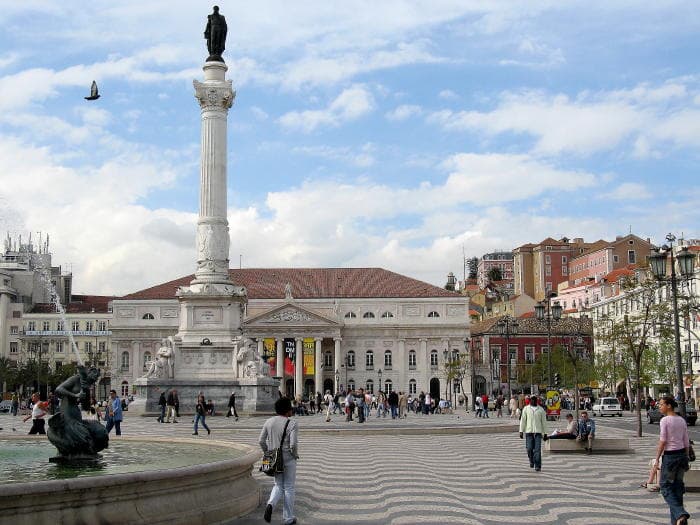
Praça do Rossio
Historic stage of Lisbon’s public life
This stop presents Rossio (Praça Dom Pedro IV) as one of Lisbon’s oldest and most active squares. The narration should cover its evolution from a medieval marketplace and gathering ground to a site of bullfights, festivals, political rallies, and public executions. Architecturally, it should highlight the wave‑patterned black‑and‑white pavement, central column with Dom Pedro IV’s statue, surrounding Pombaline façades, and nearby theaters. An anecdote may mention how locals once debated whether the statue atop the column truly depicted Pedro IV or had originally been sculpted as someone else, feeding urban legends about mistaken royal identities.
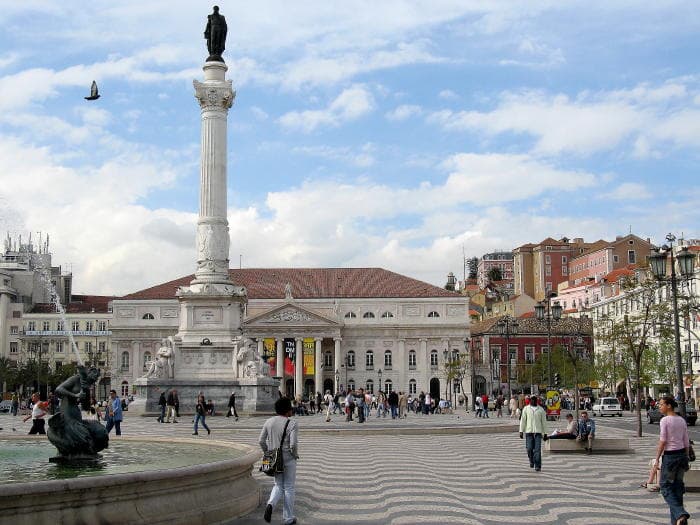
Rossio Train Station Façade
Neo-Manueline gateway to the railway age
This stop focuses on the façade of Rossio Station as a striking example of neo‑Manueline architecture facing the square. The narration should describe its horseshoe arches, ornate stone carving, and clock tower, explaining how 19th‑century architects revived motifs from Portugal’s Age of Discoveries to dress a modern railway building. It should connect the arrival of the train line to changing patterns of mobility, commuting, and tourism, with Rossio as a key portal to Sintra and the interior. One anecdote could note how, when the station opened, people marveled at trains disappearing into the hill through tunnels behind the façade, as if the city itself had been hollowed out to accommodate the new technology.
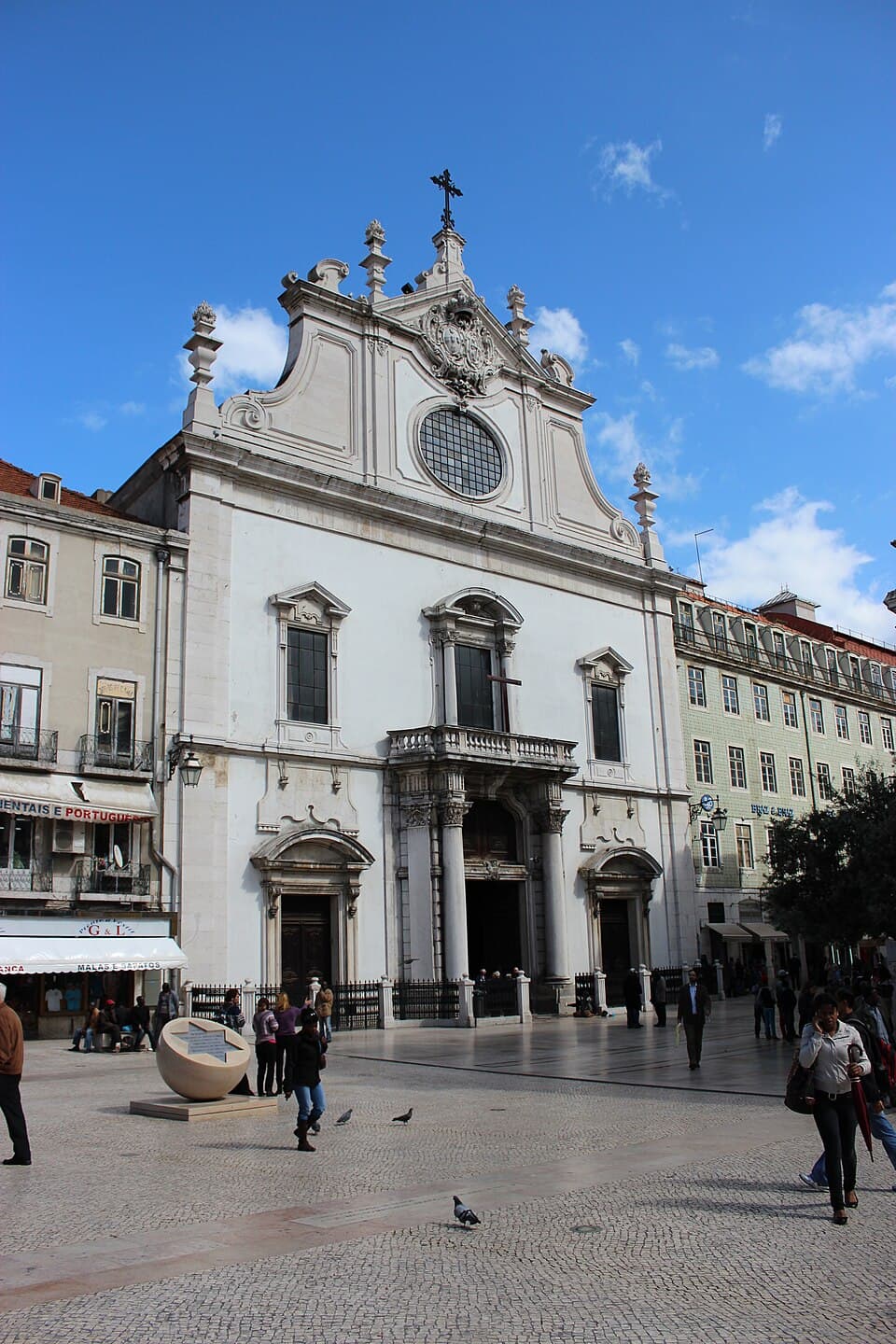
Igreja de São Domingos
Scarred church of fire, faith, and memory
This stop explores São Domingos Church as a powerful contrast to Baixa’s polished façades, with an interior still bearing visible fire damage. Narration should outline its origins as a royal‑favored church, its survival and partial destruction in the 1755 earthquake, and later fires that left charred pillars and scarred walls intentionally preserved. It should address its role in ceremonies of state as well as darker episodes, such as anti‑Jewish violence associated with the nearby Inquisition square. One anecdote might recall how, after a devastating 20th‑century fire, the decision was made not to fully restore the interior, turning its blackened stone into an enduring reminder of the city’s fragility and resilience.
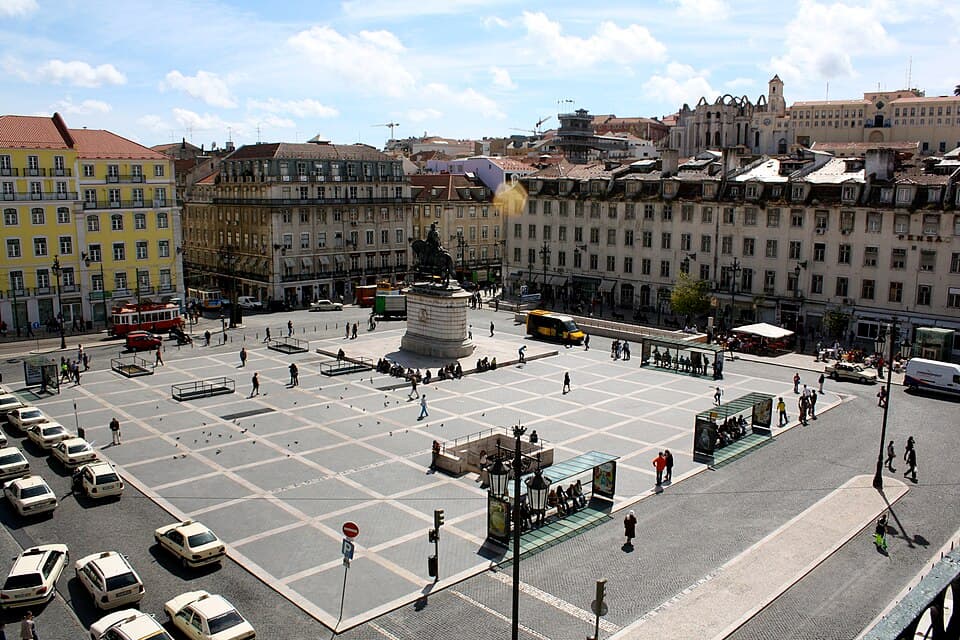
Praça da Figueira
From vanished hospital to busy urban hub
This stop presents Praça da Figueira as a square born from demolition and reorganization of older structures, notably the large All‑Saints Hospital that once dominated the area. The narration should explain how the hospital’s ruins were eventually cleared after the earthquake period, making way for a more open plaza that later hosted a covered market and now accommodates hotels, shops, and transport stops. It should describe the statue of King João I on horseback and the square’s framing block façades. An anecdote could recall how, for decades, a metal‑roofed market hall here bustled with vendors hawking fish, vegetables, and spices, filling the square with strong smells and noise before being replaced by today’s open layout.
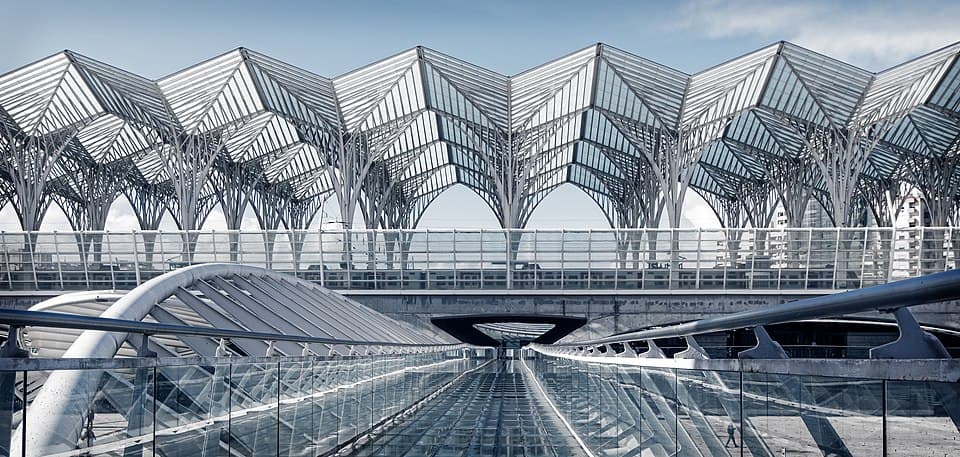
Rua da Prata and Rua do Ouro
Typical cross-section of Pombaline Baixa
This stop zooms into a typical Pombaline street segment along Rua da Prata or Rua do Ouro to analyze the standard building pattern of Baixa. Narration should describe uniform cornice heights, regular window rhythms, ground‑floor arcades or shopfronts, and upper‑floor apartments, emphasizing the rational, modular planning behind them. It should introduce the innovative internal “gaiola” (cage) anti‑seismic wooden framework used in these buildings, and how street names reflected economic specializations such as silversmiths on Rua da Prata and goldsmiths on Rua do Ouro. One anecdote might mention early post‑earthquake tests, when wooden frame models were reportedly shaken or marched over by troops to demonstrate their stability to skeptical observers.
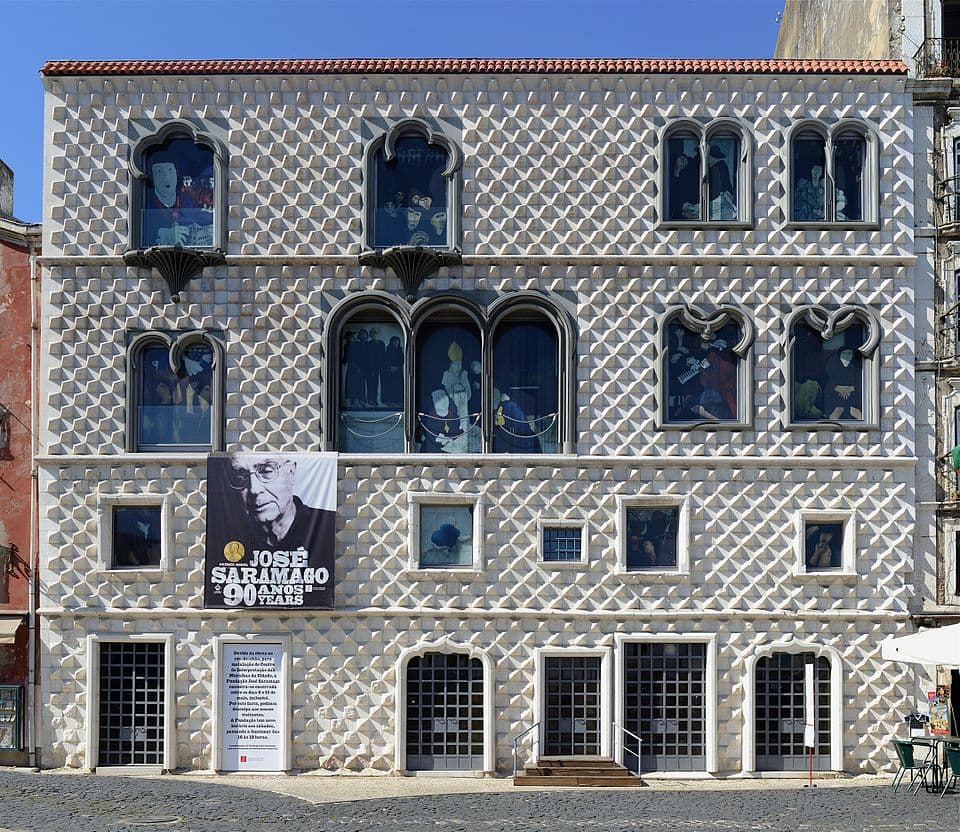
Museu de Lisboa – Santo António and Casa dos Bicos
Irregular pre-Pombaline fabric by the river
This stop contrasts Baixa’s orderly grid with the older, irregular fabric near the Museu de Lisboa – Santo António and Casa dos Bicos. Narration should describe Casa dos Bicos’ distinctive diamond-point stone façade and its origins in an earlier Renaissance or Mannerist palace, noting how it partially survived the earthquake and later restorations. It should also connect the nearby Santo António site to Lisbon’s devotion to Saint Anthony and the idea that older, denser riverside neighborhoods once pressed right up to the water. An anecdote might recount how Casa dos Bicos long puzzled residents and visitors with its unusual “spiky” façade, inspiring comparisons to armor or sea urchins in a city more used to smooth Pombaline lines.
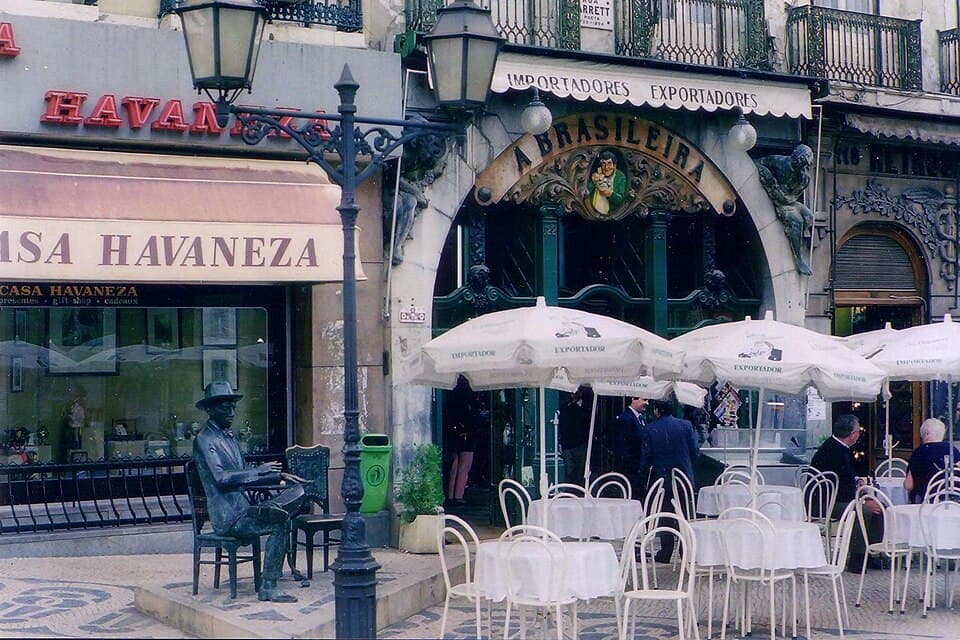
Rua Garrett
Sloping entrance to Chiado’s literary heart
This stop uses Rua Garrett as the symbolic entrance slope from Baixa into Chiado. Narration should highlight the change in atmosphere: narrower perspective views, slightly irregular alignments, and a mix of 18th- and 19th-century façades housing bookstores, cafés, and elegant shops. It should mention Chiado’s association with writers, intellectuals, and bourgeois life, with Rua Garrett functioning as a promenade for readers and theatergoers. An anecdote could refer to a historic café or bookstore here where notable authors were known to gather, turning the street into a kind of open-air literary salon contrasting with the more mercantile Baixa below.
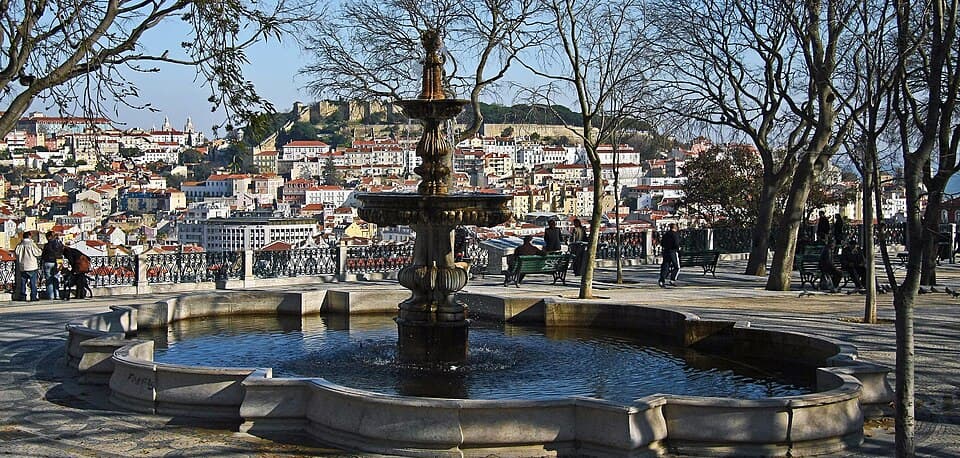
Largo do Chiado
Upper town square of cafés and churches
This final stop presents Largo do Chiado as a compact upper-town square that crystallizes many themes of the tour. Narration should point out the nearby churches (such as Loreto and Encarnação), historic cafés, and statues of literary figures that frame the space, emphasizing how Chiado became a cultural and social hub after Baixa’s reconstruction. It should also draw attention to the views and level changes back toward the lower city, underlining Lisbon’s vertical character. An anecdote might recall how artists and bohemians once treated these cafés’ terraces as informal offices and stages, spending hours debating politics and poetry within sight of the churches and tram lines. The script should close by tying together riverfront, downtown grid, and upper town as layers of one resilient city.
Start This Tour
Download Roamway to experience this audio tour
Tour Details
Access
Free
Stops
12 points of interest
Languages
GermanEnglishSpanishFrench
More tours in Lisboa
View all tours in LisboaOther tours you might enjoy:
Lisbon Alfama: Viewpoints, Cathedral, Fado and Castle History
This tour explores Lisbon’s historic Alfama district, from the viewpoints of Santa Luzia and Portas do Sol to the Cathedral (Sé), Santo António Church, and São Jorge Castle. It includes Roman remains, medieval streets, and fado heritage, focusing on urban evolution, religious architecture, local traditions, and panoramic city views.
Lisbon: Mouraria, Graça & Alfama Hilltop Views
This tour explores Lisbon’s historic hill neighborhoods from Praça da Figueira through Mouraria and Graça to the edges of Alfama. It includes viewpoints such as Miradouro da Graça and Senhora do Monte, tram 28 routes, churches and convents, azulejo-clad façades, and the National Pantheon exterior, focusing on urban history, architecture, and everyday local life.
Lisbon Belém: Monuments, Riverfront History & Monastery Art
This tour explores Lisbon’s Belém district along the Tagus riverfront, from the ferry area and MAAT to Belém Tower and the Monument to the Discoveries. It examines Portugal’s Age of Discoveries, industrial heritage, and religious architecture at Jerónimos Monastery, and includes gardens, memorials, and the historic Pastéis de Belém pastry shop exterior.
Frequently Asked Questions
How do I start this audio tour?
Download the Roamway app, search for this tour, and tap 'Start Tour'. The app will guide you to the starting point using GPS. Once you're there, the audio narration begins automatically.
Do I need an internet connection?
No! Once you've downloaded the tour in the Roamway app, it works completely offline. The GPS navigation and audio narration function without an internet connection.
Can I pause and resume the tour?
Yes! You can pause the tour at any time and resume later. Your progress is automatically saved, so you can complete the tour over multiple sessions if needed.