
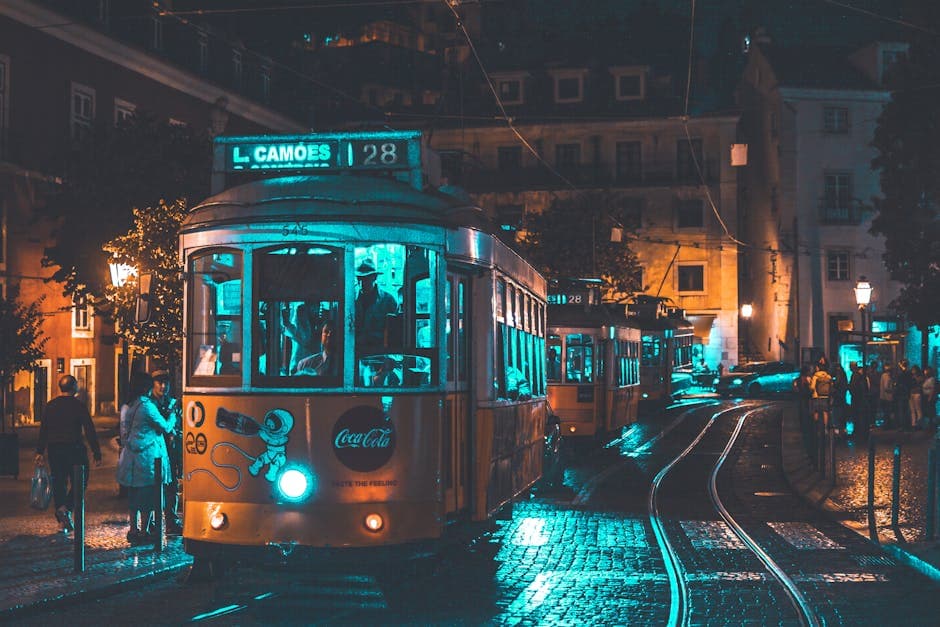
Audiotours in Lisboa — Explore at your own pace
Lisboa, Portugal is a city of light, hills, and river views, where centuries of history and everyday neighborhood life blend on every corner. With our audio-guided, self-paced tours, you can wander from grand riverfront squares to medieval lanes, hilltop viewpoints, and creative waterfront districts whenever it suits your schedule. Dive into stories of merchants, sailors, poets, and musicians as GPS-guided routes and immersive narration lead you through the city’s most fascinating streets and hidden gems.
Free Tours
7 tours available
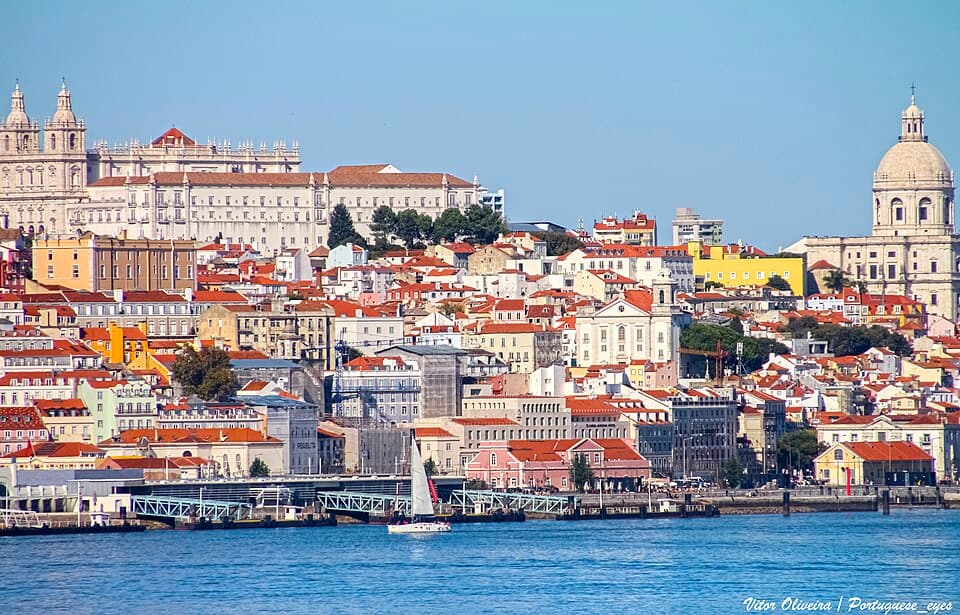
Lisbon Baixa & Chiado: Pombaline Center and City Life
This tour explores Lisbon’s Baixa and Chiado districts, from Praça do Comércio and Rua Augusta to Rossio, Figueira, and Largo do Chiado. It examines post-1755 Pombaline urban planning, neoclassical and iron architecture, religious and civic spaces, and daily commercial life, highlighting contrasts between riverfront, downtown grid, and upper town areas.
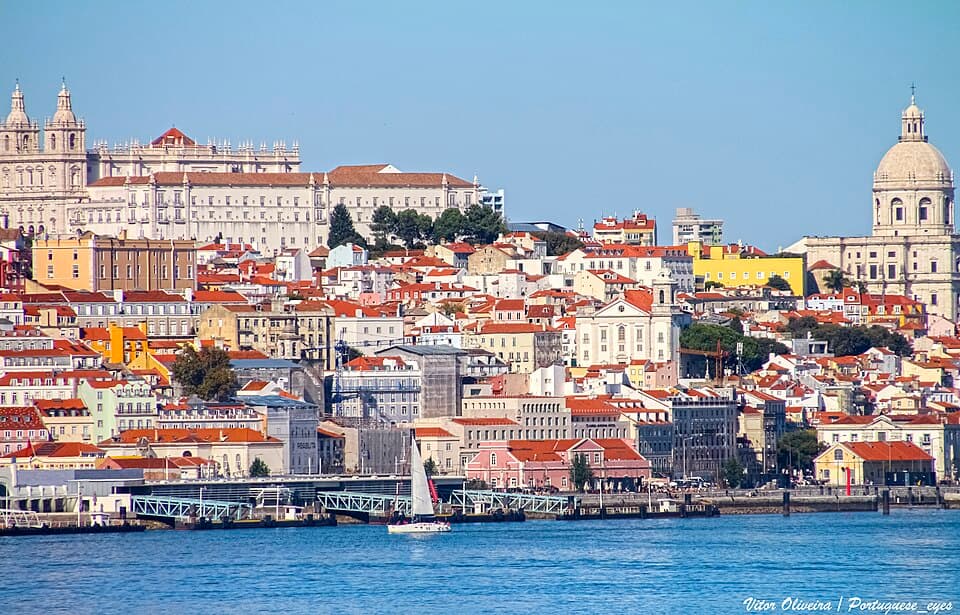
Lisbon Alfama: Viewpoints, Cathedral, Fado and Castle History
This tour explores Lisbon’s historic Alfama district, from the viewpoints of Santa Luzia and Portas do Sol to the Cathedral (Sé), Santo António Church, and São Jorge Castle. It includes Roman remains, medieval streets, and fado heritage, focusing on urban evolution, religious architecture, local traditions, and panoramic city views.
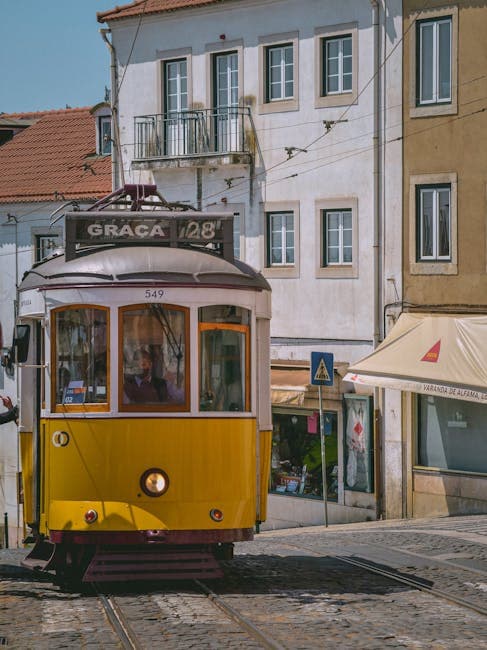
Lisbon: Mouraria, Graça & Alfama Hilltop Views
This tour explores Lisbon’s historic hill neighborhoods from Praça da Figueira through Mouraria and Graça to the edges of Alfama. It includes viewpoints such as Miradouro da Graça and Senhora do Monte, tram 28 routes, churches and convents, azulejo-clad façades, and the National Pantheon exterior, focusing on urban history, architecture, and everyday local life.
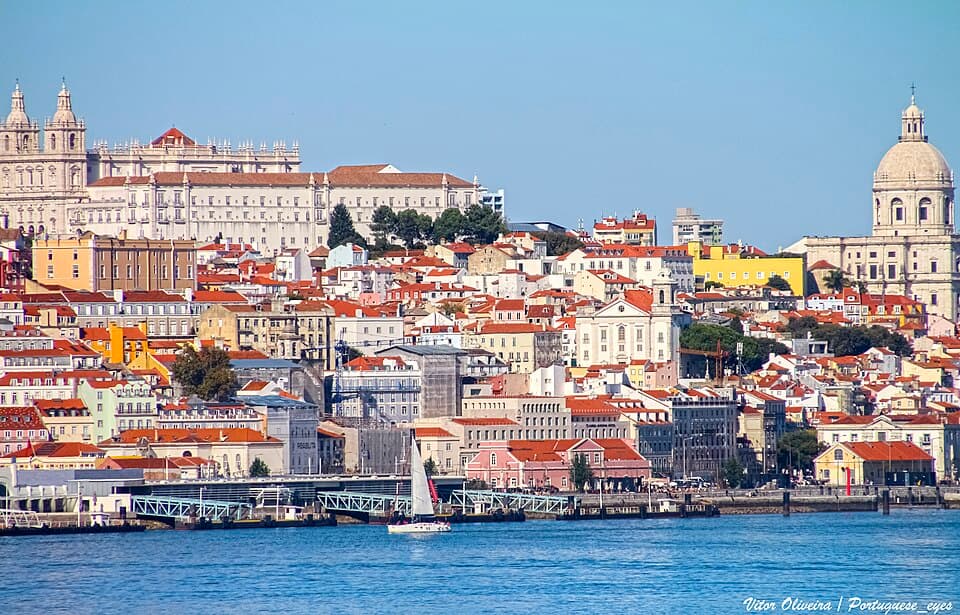
Lisbon Belém: Monuments, Riverfront History & Monastery Art
This tour explores Lisbon’s Belém district along the Tagus riverfront, from the ferry area and MAAT to Belém Tower and the Monument to the Discoveries. It examines Portugal’s Age of Discoveries, industrial heritage, and religious architecture at Jerónimos Monastery, and includes gardens, memorials, and the historic Pastéis de Belém pastry shop exterior.
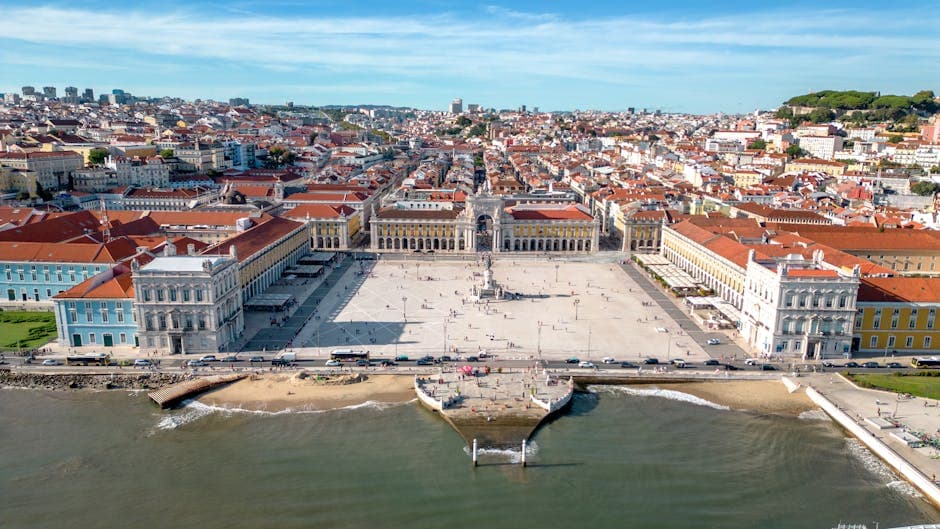
Lisbon Baixa: Pastries, Ginjinha, and Riverfront Life
This tour explores Lisbon’s Baixa district from Praça da Figueira and Rossio through Rua Augusta’s side streets and traditional grocery shops to Cais do Sodré and Pink Street. It focuses on historic cafés, pastry houses, ginjinha bars, delicatessens, and marketplaces, highlighting local food traditions, daily life, and the evolution of this central neighborhood.
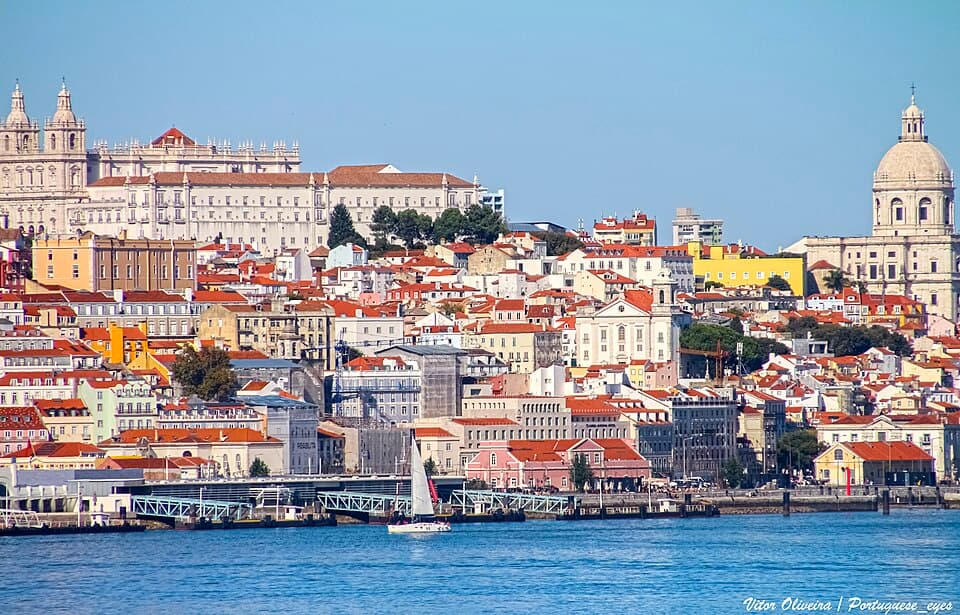
Lisbon Chiado & Bairro Alto: Literature, Views, Nightlife
This tour explores Lisbon’s Chiado and Bairro Alto districts, from Largo do Chiado and historic cafés to the world’s oldest operating bookshop. It includes church façades, traditional shops, scenic viewpoints, and Cais do Sodré’s waterfront. Themes include literary heritage, urban history, local commerce, and contemporary nightlife culture.
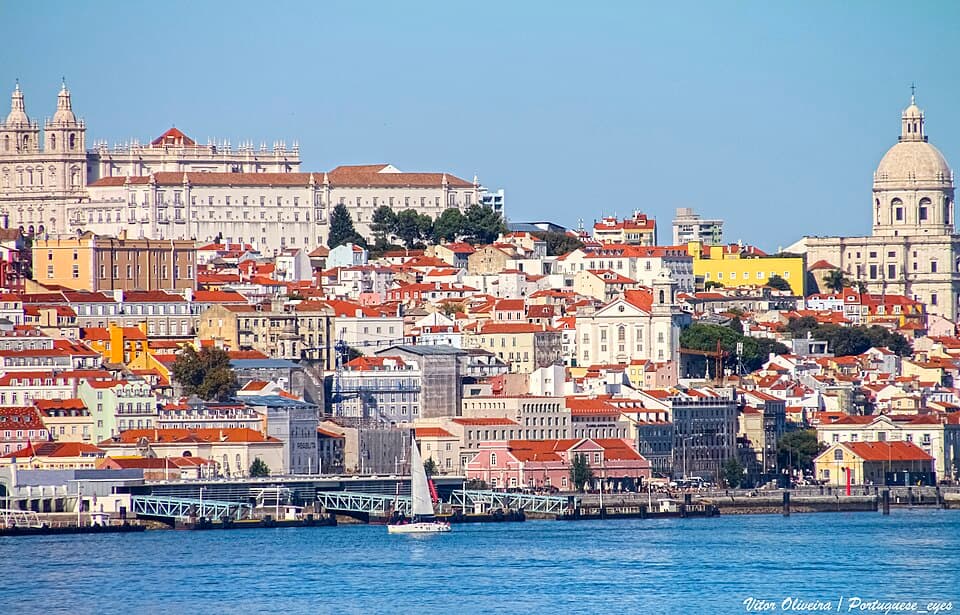
Lisbon Marvila & Beato: Street Art, Industry and Riverfront
This tour follows Lisbon’s eastern riverfront from Santa Apolónia towards Marvila and Beato, tracing the shift from port and industrial zones to creative districts. It examines warehouses, early murals, and key street art clusters, alongside cultural venues, riverside housing, beer taprooms, and the historic core around Igreja de Marvila.
About Lisboa
Top Attractions
Santa Apolónia Riverside
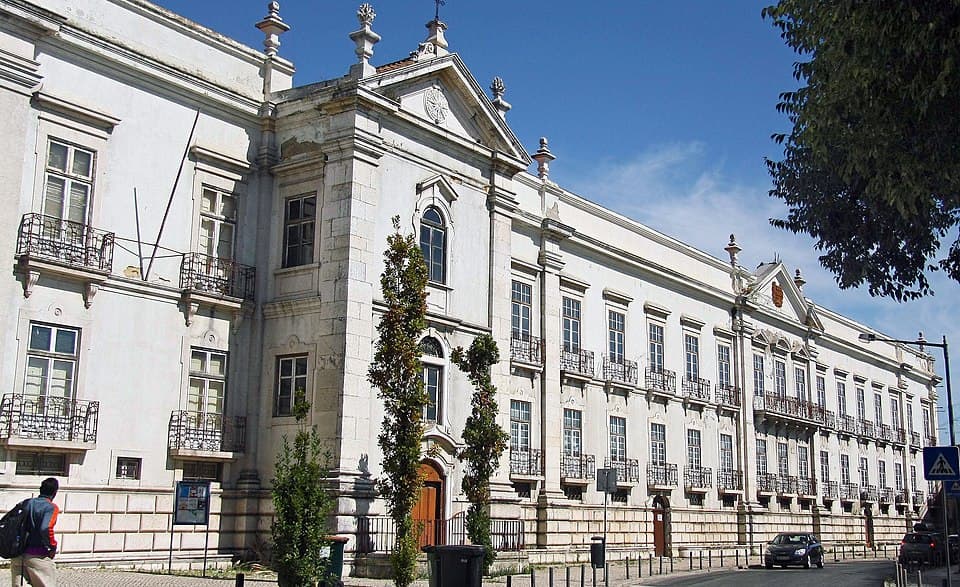
Railway gateway where port and city converge
This stop introduces Santa Apolónia Station and its riverside setting as the gateway to Lisbon’s eastern industrial belt. The narration should outline how the railway, port quays, and nearby roads once formed a continuous logistics corridor along the Tagus. It can mention the station’s role connecting Lisbon to the rest of Portugal and, symbolically, to Europe. An anecdote may describe how travelers arriving here once stepped out into a far grittier, dockside landscape than the one visible today, with coal piles, warehouses, and ship masts lining the water. The stop sets up the tour’s core themes: riverfront infrastructure, industrial heritage, and today’s shift toward culture and leisure.
View Tour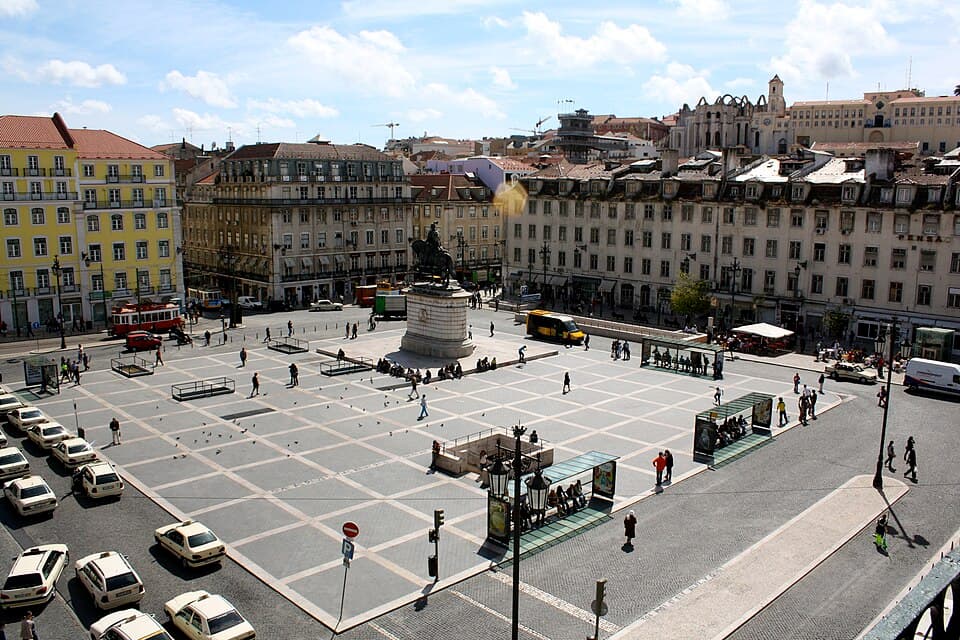
Praça da Figueira
Post-quake square linking Baixa and the hills
This stop introduces Praça da Figueira as a key gateway between the flat Baixa grid and the surrounding hills of Mouraria, Graça, and Alfama. Narration should cover its creation after the 1755 earthquake, the former hospital or market uses on this site, and the equestrian statue of King João I as a visual anchor. The square’s open views toward São Jorge Castle and the criss-crossing tram lines help orient visitors to the city’s topography. One anecdote can describe how an old covered market once dominated the square before being demolished, changing how locals used the space. Another can mention how locals still treat it as a rendezvous point before heading into the more labyrinthine neighbourhoods uphill.
View Tour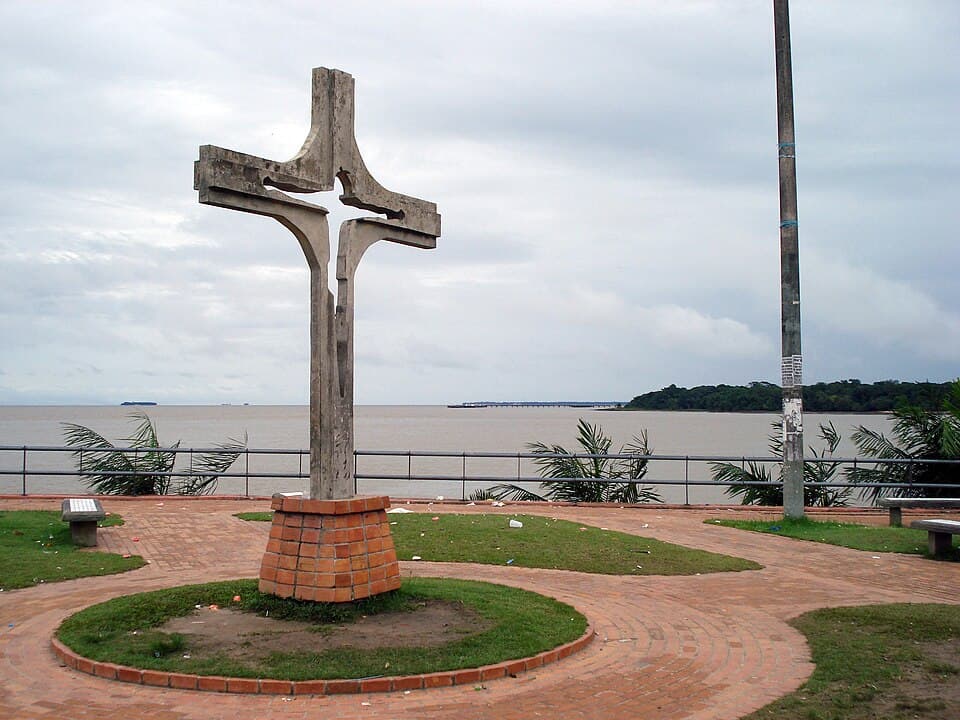
Belém Ferry Waterfront
River gateway linking modern Lisbon and empire
This stop uses the Belém ferry and train station area to introduce Belém as Lisbon’s historic gateway between city and sea. The narration should evoke the Tagus estuary as a sheltered harbor from which caravels once departed, contrasting with today’s commuter boats and trains. It should frame Portugal’s Age of Discoveries, explaining how ships left from the broader Lisbon waterfront, including this stretch. One anecdote can describe early 16th‑century send‑off ceremonies, with crowds gathering to watch fleets sail, while another might note how the arrival of the railway transformed Belém from a semi‑rural outpost into a day‑trip destination for Lisbon residents. The stop sets the scene and previews themes of exploration, faith, industry, and memory.
View Tour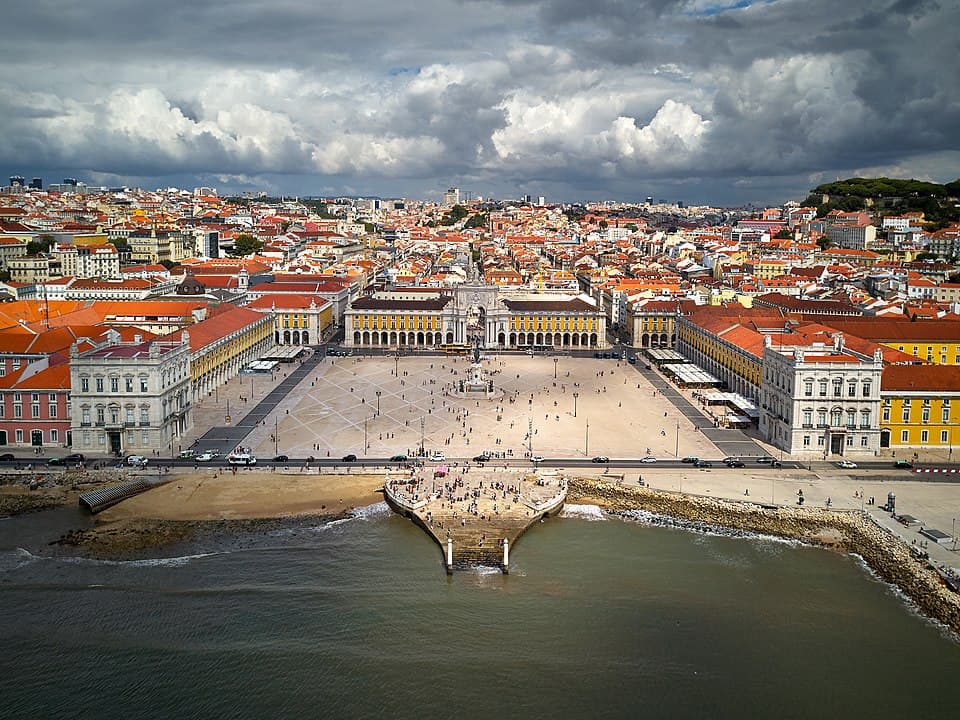
Praça do Comércio
Riverfront square of power and rebirth
This stop introduces Praça do Comércio as Lisbon’s grand riverfront square and symbolic gateway to the city. The narration should explain how the 1755 earthquake and tsunami destroyed the royal palace that once stood here and how the Marquis of Pombal oversaw its transformation into an open, U‑shaped commercial square. Architecturally, it should highlight the arcaded yellow façades, symmetry, and relationship to the Tagus River and Rua Augusta. It should also mention royal ceremonies and departures for overseas colonies that once took place along this waterfront. One anecdote could describe how Pombal is said to have organized the city’s immediate post‑earthquake response from this area, signaling a new, more centralized state power.
View Tour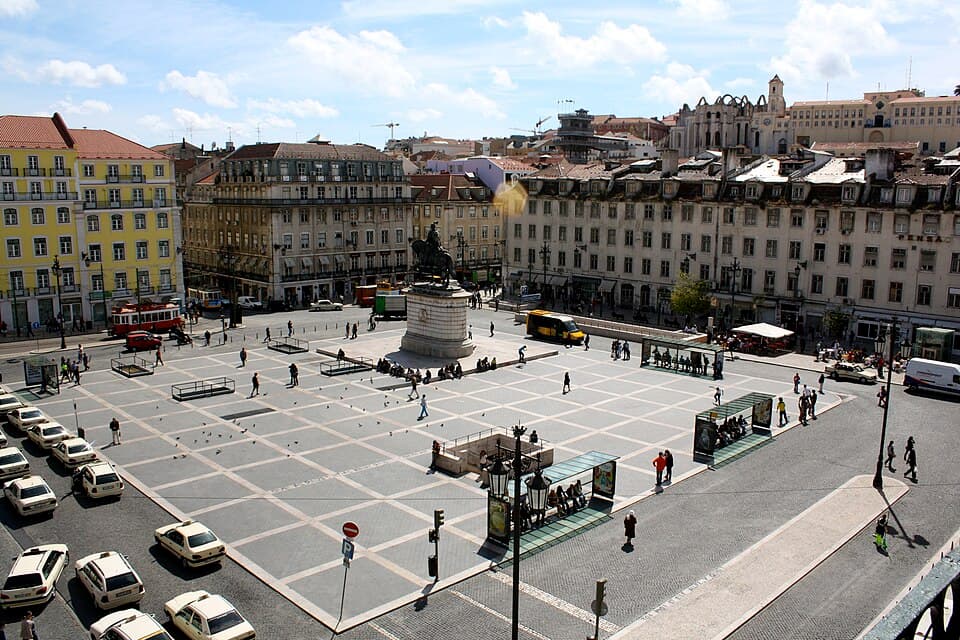
Praça da Figueira
Gateway square linking Baixa, trams, and pastries
This stop introduces Praça da Figueira as a busy northern entrance to Baixa, framed by arcaded buildings and hotel façades. The narration should explain how the square was once the site of a large hospital, later replaced by an open market, and eventually transformed into today’s transport hub and meeting point. It should mention the equestrian statue of King João I and how the grid of Baixa streets opens south from here. An anecdote can cover the old covered market’s bustling atmosphere, including early-morning produce arrivals, and how the demolition of the market changed local habits and sightlines across the square.
View Tour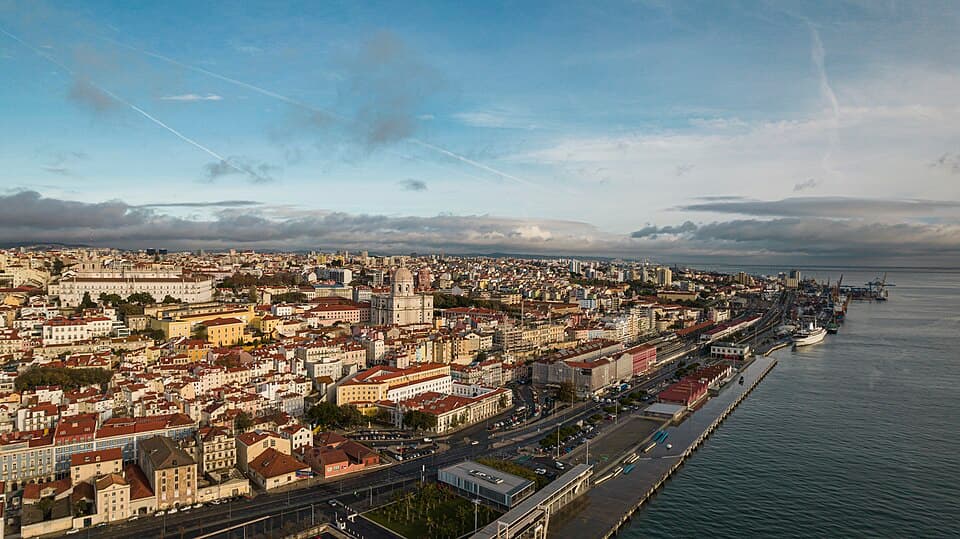
Miradouro de Santa Luzia
Terraced views over Alfama’s tiled rooftops
This stop introduces visitors to Alfama from above, using the Santa Luzia terrace to orient them to the hill, the Tagus, and nearby landmarks like the cathedral and São Jorge Castle. Narration should describe the pergolas, bougainvillea, and azulejo panels that depict historic scenes, including a stylized view of pre-earthquake Lisbon. It should explain how Alfama’s medieval street plan survived the 1755 earthquake better than Baixa and how this affects the view today. One anecdote can highlight how local couples and painters have long used this terrace as a romantic and artistic vantage point, well before it became a standard tourist stop. Another can mention how traditional processions sometimes pause here, turning the viewpoint into a temporary open-air chapel.
View Tour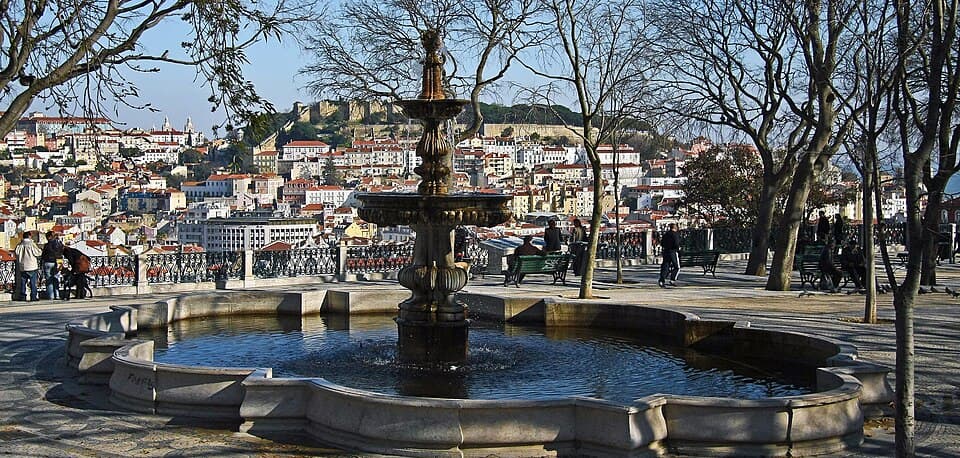
Largo do Chiado
Elegant square linking Chiado and Bairro Alto
This stop introduces Largo do Chiado as the gateway to the Chiado district and a threshold between downtown Baixa and the hilltop of Bairro Alto. The script should describe the square’s post‑1755 earthquake reconstruction, its mix of churches, cafés, and shops, and its role as a traditional meeting point for locals. It should explain how this corner became synonymous with Lisbon’s bourgeois culture and intellectual life in the 19th and 20th centuries. An anecdote can highlight how locals use “I’ll meet you in Chiado” as shorthand for rendezvous here, reflecting its function as both stage and living room of the city.
View Tour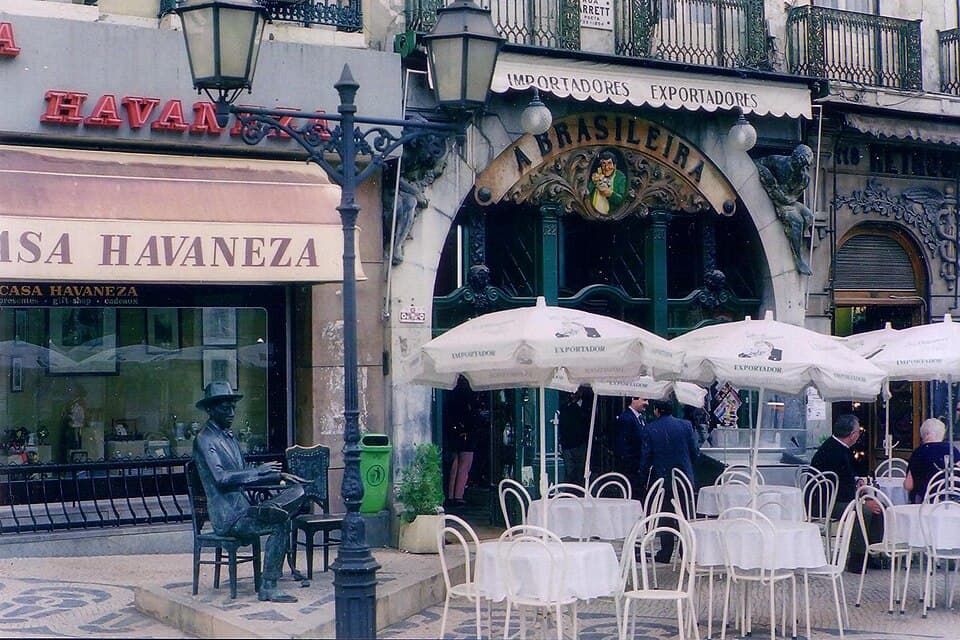
A Brasileira Café
Historic café and Fernando Pessoa bronze statue
This stop focuses on A Brasileira do Chiado, one of Lisbon’s most emblematic cafés, and the bronze statue of writer Fernando Pessoa seated on the terrace. The script should recount how cafés like this became hubs for artists, journalists, and politicians, and how A Brasileira cultivated an aura of sophistication. It should introduce Pessoa’s importance in Portuguese literature and his association with Chiado’s cafés. A distinctive anecdote can describe how visitors line up to sit in the empty chair beside the statue for photos, accidentally re‑creating the café social scene Pessoa once knew.
View Tour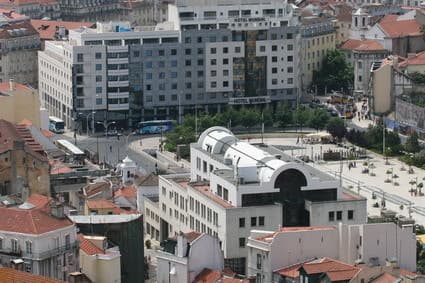
Martim Moniz Square
Multicultural hub and Tram 28 terminus
This stop frames Martim Moniz Square as a lively, modern plaza at the bottom of the hills, tied to migration, commerce, and transport. Narration should touch on the legendary medieval knight Martim Moniz who gives the square its name, with a brief explanation of his role in the conquest of Lisbon. The square’s role as a terminus for tram 28 provides a segue to the hill neighbourhoods. Visually, guides should highlight the fountains, the surrounding modern buildings, and the contrast with older lanes leading into Mouraria. One anecdote might describe how the square has become a symbol of Lisbon’s contemporary diversity, with shops and eateries reflecting communities from Asia and Africa. Another could mention how the modern redesign created stepped water features where children play in hot weather.
View Tour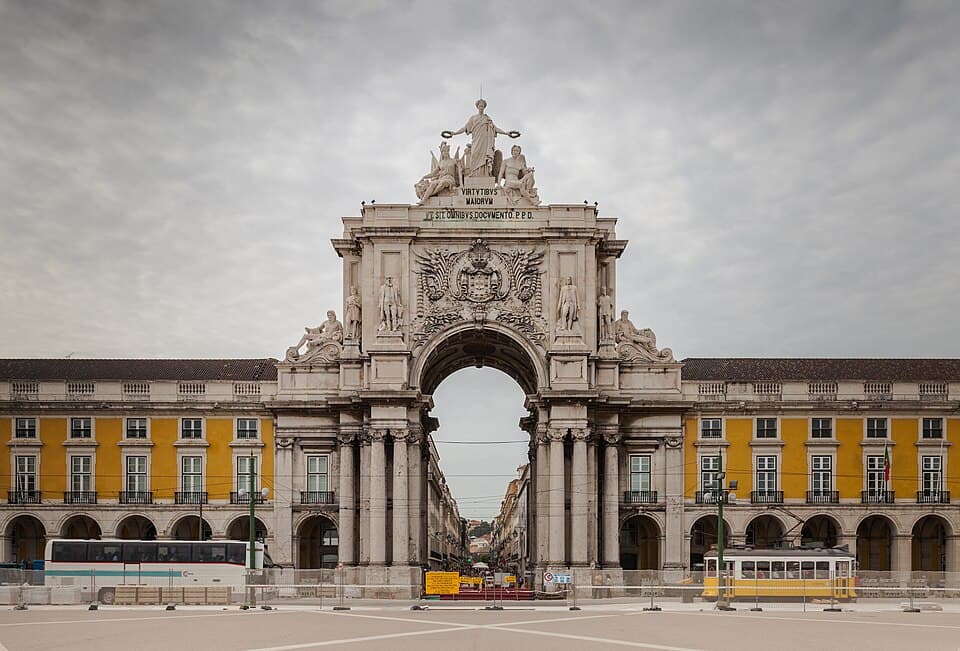
Arco da Rua Augusta
Triumphal gateway into the rebuilt Baixa
This stop focuses on the Arco da Rua Augusta as a monumental entrance from Praça do Comércio into the Pombaline grid. The narration should cover its 19th‑century completion as a commemoration of Lisbon’s reconstruction after the earthquake, pointing out its clock, columns, and rooftop statues representing Glory, Genius, and allegorical figures of the Tagus and Douro rivers. It should name key historical figures depicted, such as the Marquis of Pombal, Vasco da Gama, or Nuno Álvares Pereira, as relevant. One anecdote could explain how the arch was initially conceived more modestly and only later transformed into the elaborate triumphal form seen today, reflecting changing tastes and a desire to celebrate national heroes.
View Tour
Confeitaria Nacional
Historic pastry house framing Lisbon’s sweet tooth
This stop focuses on the façade and atmosphere of Confeitaria Nacional, one of Lisbon’s classic pastry houses on Praça da Figueira. The narration should describe the traditional storefront, window displays of cakes and sweets, and the elegant interior with mirrors and woodwork if the listener steps inside. Historically, it should touch on its 19th‑century origins and role in popularizing certain Christmas and festive cakes in Lisbon. An anecdote can recall how families would queue here for seasonal specialties, and how recipes were guarded as closely as family secrets across generations.
View Tour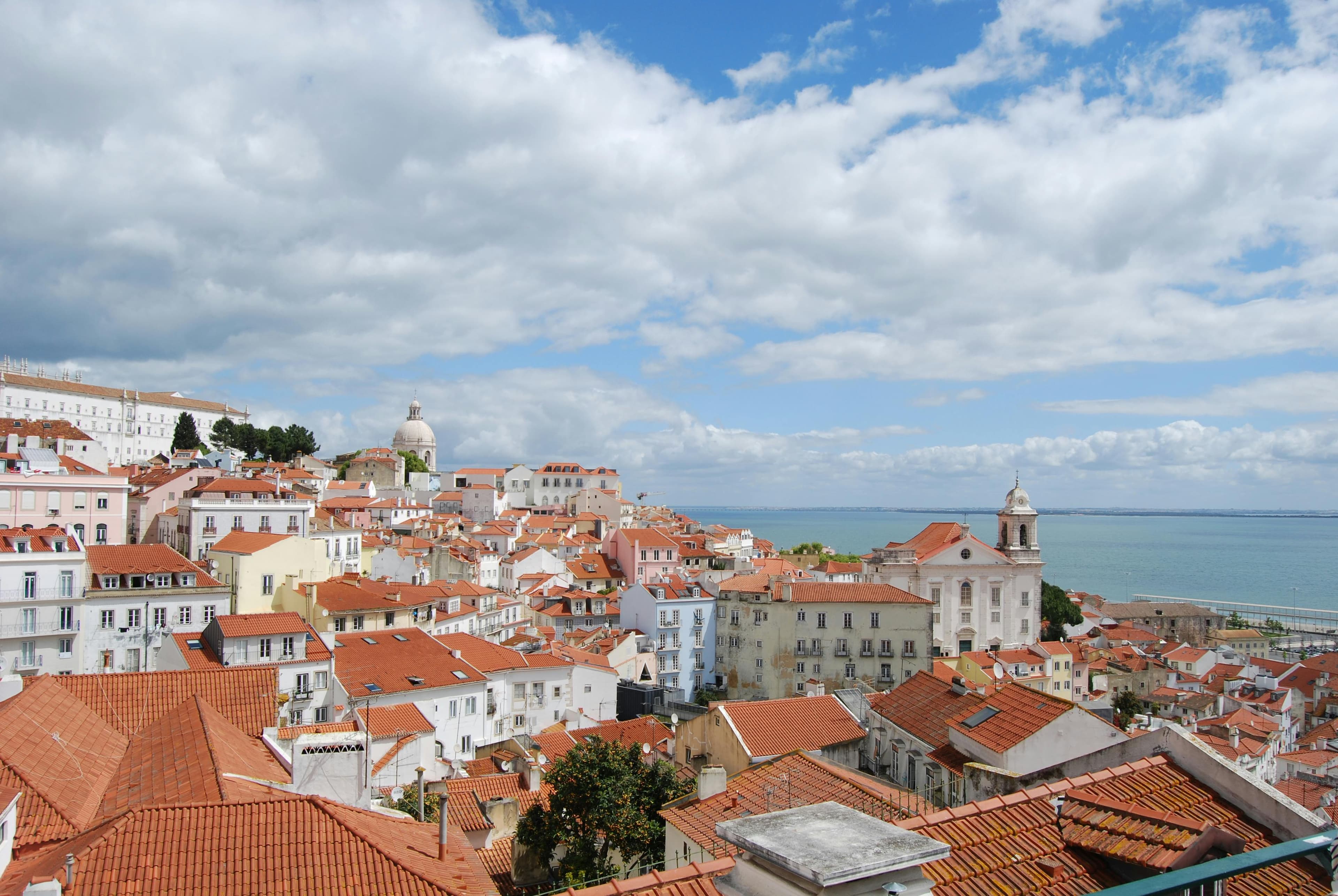
Portas do Sol Viewpoint
Gateway terrace overlooking Alfama rooftops
This stop uses the Portas do Sol terrace to focus on Alfama’s upper edge, the line of former city walls, and the idea of Lisbon’s eastern “gate to the sun.” Narration should explain that the medieval city gate once stood nearby, controlling access from the east, and that the modern terrace keeps the name while serving as a balcony over the district. It should draw attention to tram 28’s curve around the square, tying in public transport as today’s “gateway.” One anecdote may describe how, in the past, farmers and fish vendors entered through this area at dawn, loading the city with fresh produce. Another can recall how local residents used the square as an informal lookout during naval parades or visits by important ships on the Tagus.
View TourFrequently Asked Questions
How do audio walking tours work in Lisboa?
Our audio walking tours in Lisboa are self-guided experiences that you can start anytime. Simply download the Roamway app, select a tour, and follow the GPS-guided route. The audio narration automatically plays as you approach each point of interest, allowing you to explore at your own pace.
Are self-guided tours better than guided tours?
Self-guided audio tours offer flexibility that traditional guided tours can't match. You can pause, rewind, or skip sections, explore at your own pace, and start whenever you're ready. Plus, our tours are available in multiple languages and work offline once downloaded.
Do I need an internet connection during the tour?
No! Once you've downloaded a tour in the Roamway app, it works completely offline. The GPS navigation and audio narration function without an internet connection, making it perfect for international travelers who want to avoid data charges.
How long do the audio tours take?
Tour durations vary, but most of our audio tours in Lisboa range from 1 to 3 hours, depending on your pace and how much time you spend at each point of interest. You can complete them in one go or split them across multiple visits.
Ready to explore Lisboa?
Download Roamway and start your audio-guided adventure today.