
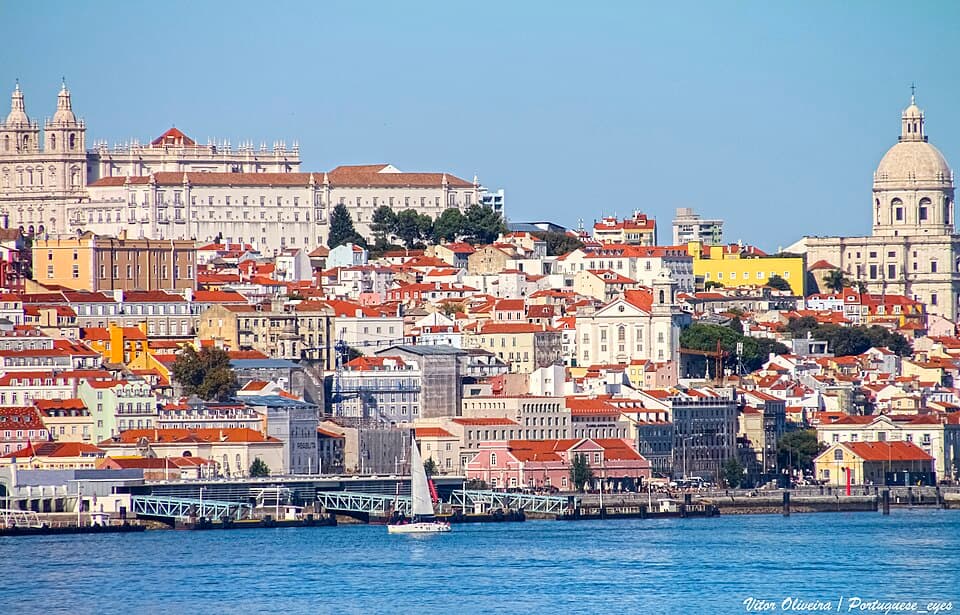
Lisbon Marvila & Beato: Street Art, Industry and Riverfront
Lisboa, Portugal
Audio Preview
Listen to a sample of this audio tour to get a feel for the experience.
What You'll Experience
On this Lisbon Marvila & Beato: Street Art, Industry and Riverfront audio tour in Lisboa, you'll discover 10 carefully selected points of interest, each with its own story. The tour is designed to be completed at your own pace, with GPS navigation guiding you from one location to the next. As you approach each stop, the audio narration automatically begins, bringing history, culture, and local insights to life.
About This Tour
This tour follows Lisbon’s eastern riverfront from Santa Apolónia towards Marvila and Beato, tracing the shift from port and industrial zones to creative districts. It examines warehouses, early murals, and key street art clusters, alongside cultural venues, riverside housing, beer taprooms, and the historic core around Igreja de Marvila.
Points of Interest
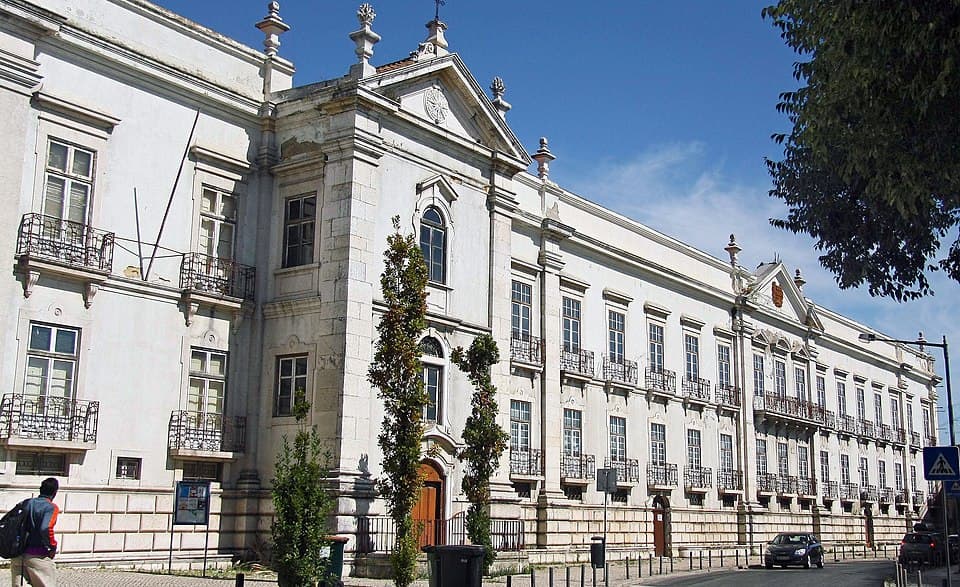
Santa Apolónia Riverside
Railway gateway where port and city converge
This stop introduces Santa Apolónia Station and its riverside setting as the gateway to Lisbon’s eastern industrial belt. The narration should outline how the railway, port quays, and nearby roads once formed a continuous logistics corridor along the Tagus. It can mention the station’s role connecting Lisbon to the rest of Portugal and, symbolically, to Europe. An anecdote may describe how travelers arriving here once stepped out into a far grittier, dockside landscape than the one visible today, with coal piles, warehouses, and ship masts lining the water. The stop sets up the tour’s core themes: riverfront infrastructure, industrial heritage, and today’s shift toward culture and leisure.
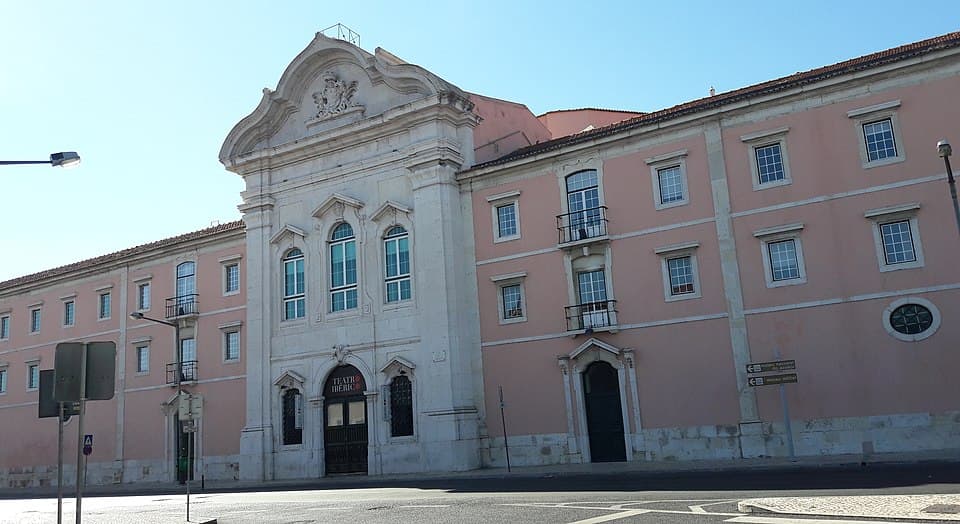
Jardim do Tabaco Waterfront
From tobacco docks to polished cruise terminal
This stop focuses on the stretch around Jardim do Tabaco and the Lisbon Cruise Terminal, showing how older port land became a sleek gateway for cruise passengers. The narration should recall the area’s past links with tobacco and general cargo, and how warehouses and sheds once dominated the quayside. It can highlight the modern terminal’s architecture, its elevated walkways, and views back toward Alfama. A distinctive anecdote might describe early reactions from local residents to the sudden arrival of large cruise ships here, including concerns about crowds and changing the skyline, illustrating how new tourism infrastructure reshapes long-working waterfronts.
Zona Ribeirinha de Xabregas
Industrial riverside with early large murals
Here the focus shifts to the Xabregas riverfront, where long industrial sheds, depots, and warehouses line the Tagus. The narration should describe typical features of this industrial architecture and how many buildings sat underused after deindustrialization. It should emphasize that some of Lisbon’s earlier large-format murals appeared on these blank walls, partly sanctioned, partly tolerated. A unique anecdote could recall how one oversized mural, visible from passing trains and cars, unexpectedly became a directional landmark for commuters, who began using it to describe where to get off or turn, showing how street art can enter everyday navigation.
Underdogs Gallery Area
Curated street art hub amid old warehouses
This stop examines the surroundings of Underdogs Gallery in Marvila as a focal point for Lisbon’s street art scene. The narration should explain how the gallery emerged among warehouses and small factories, helping bridge underground graffiti culture and the art market. It can describe nearby murals, the contrast between raw industrial walls and curated works, and the presence of artists from Portugal and abroad. A distinctive anecdote might tell how one international artist created a mural during a short residency here, improvising with materials found in neighboring workshops, illustrating the close interaction between artisans, industry, and contemporary art in the area.

Rua do Açúcar Murals
Street-length canvas of Marvila warehouse walls
This stop centers on Rua do Açúcar and adjoining streets, where a dense cluster of murals covers warehouse façades, gates, and blind walls. The narration should draw attention to the variety of scales, techniques, and themes, from figurative pieces to abstract compositions and lettering. It can mention how the street’s name, linked to sugar, hints at older industrial or storage uses of the area. A unique anecdote might recount how a local resident informally began guiding visiting friends and relatives along this street, using favorite murals as storytelling prompts about the neighborhood’s changes, showing how residents adopt the art into their own narratives.
Fábrica Braço de Prata
Former factory turned riverside cultural enclave
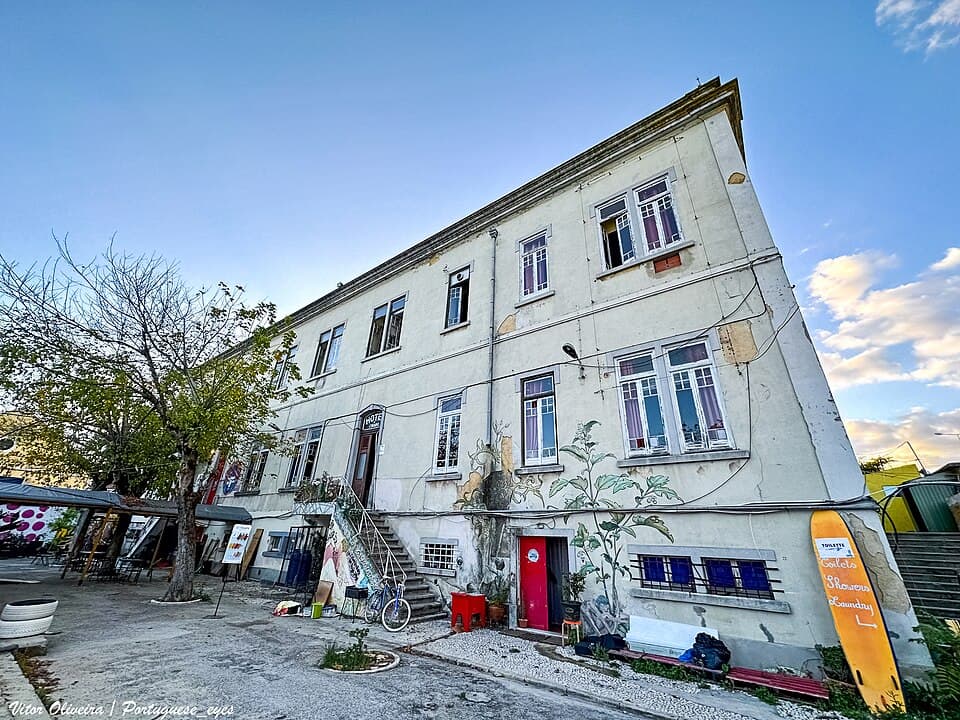
This stop focuses on the exterior and nearby surroundings of Fábrica Braço de Prata, an old industrial complex repurposed as a cultural venue. The narration should outline the site’s origins as a factory—often associated with armaments or heavy industry—and how its courtyards and halls later hosted concerts, exhibitions, and literary events. It can describe the somewhat hidden, labyrinthine nature of the complex compared to the open street-art corridors nearby. A unique anecdote may recall how, in its early cultural years, audiences sometimes arrived uncertain they were in the right place, wandering between dark façades before suddenly finding a lively courtyard, reinforcing the sense of discovery that marks this part of the riverfront.
Prata Riverside Promenade
New riverfront housing over industrial footprints
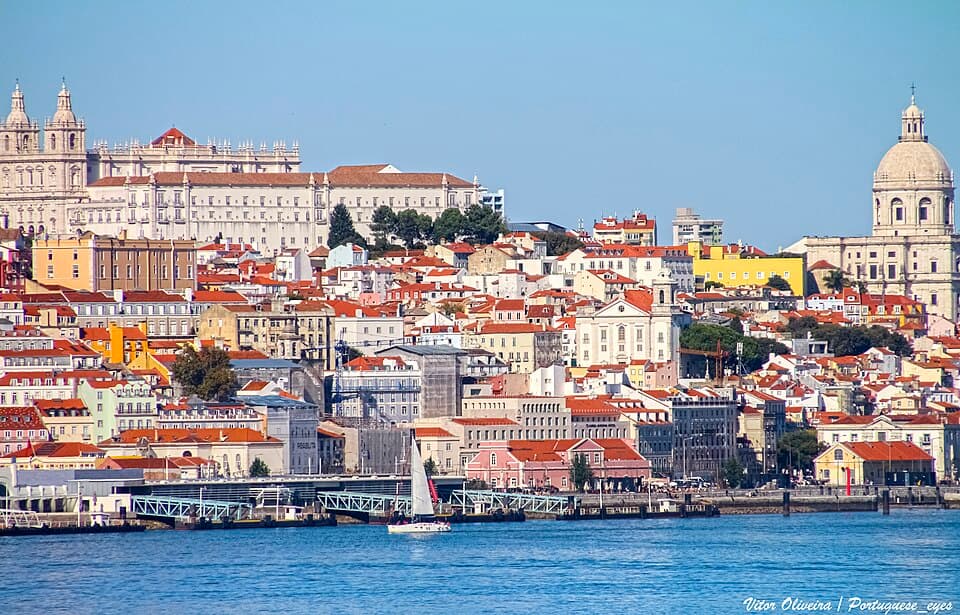
This stop looks at the Prata Riverside Village and its promenade as an example of contemporary residential development along formerly industrial riverfront land. The narration should describe the modern architecture, landscaped paths, and how the buildings open toward the Tagus with balconies and large windows. It can contrast these clean lines and amenities with the heavy industry and warehouses that once occupied similar plots. A distinct anecdote could mention how some long-time locals, accustomed to fenced-off factory zones, first walked this new promenade almost out of curiosity, surprised to suddenly gain open access and seating beside the river where entry had long been restricted.
Hub Criativo do Beato
Tech and creative campus in old factory blocks
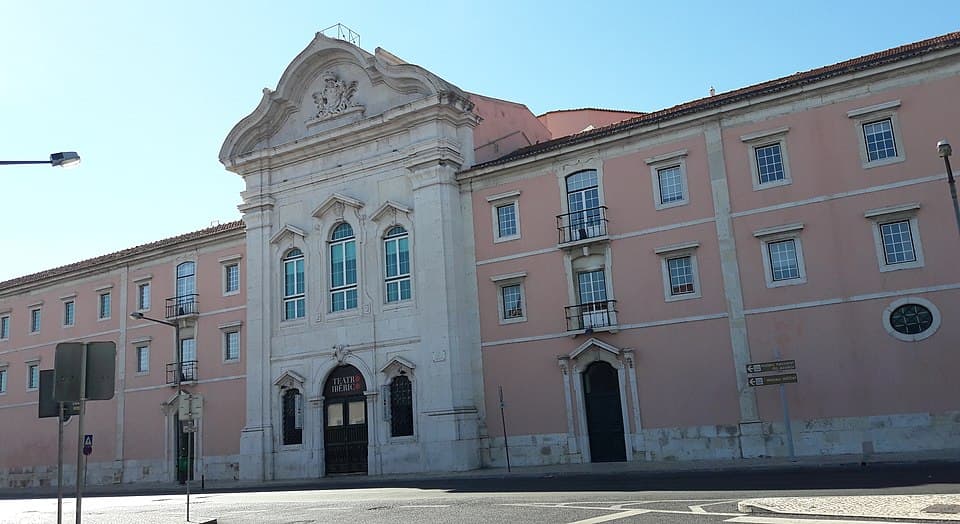
This stop centers on the Hub Criativo do Beato, a vast former industrial complex now transitioning into a tech and creative campus. The narration should explain the site’s origins as a food or military-industrial facility and how multiple pavilions, chimneys, and courtyards are being adapted for startups, labs, and events. It can highlight preserved brickwork and industrial details that reveal its past. A unique anecdote might describe how, during early phases, some areas hosted experimental festivals or temporary art installations in half-renovated halls, giving visitors a glimpse of both crumbling factory and future innovation space simultaneously.
Marvila-Beato Beer Taprooms
Microbreweries in refurbished industrial units
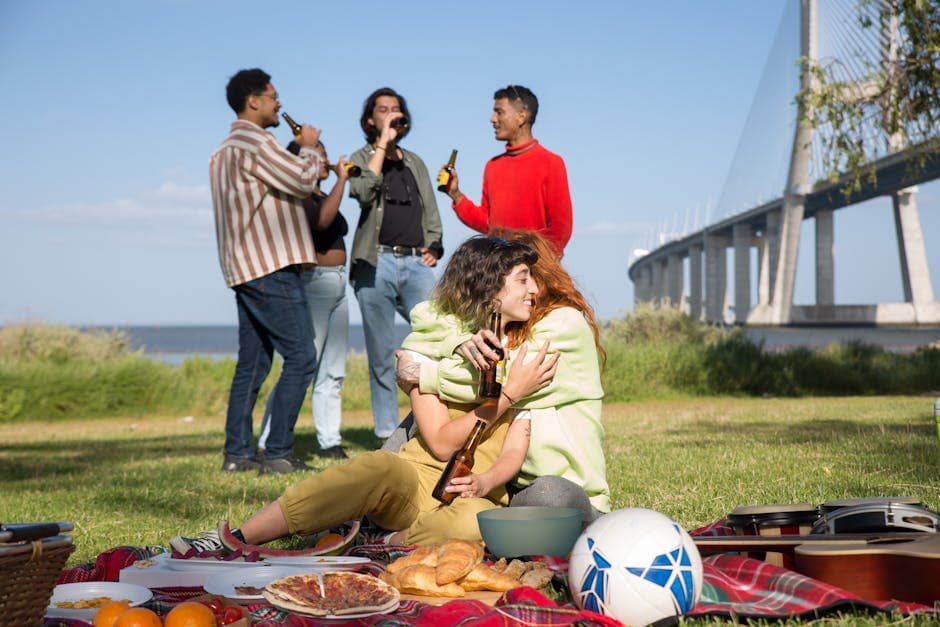
This stop explores the cluster of Portuguese craft beer taprooms, such as Dois Corvos and Musa, set in former warehouses and workshops around Marvila and Beato. The narration should describe typical façades, roller doors, and simple interiors, emphasizing how production tanks and tasting rooms share the same space. It can connect the rise of microbreweries to a broader trend of small-scale manufacturing returning to old industrial districts. A distinct anecdote could tell how one brewery named a beer after a local street or warehouse nickname, turning a once-forgotten corner of the neighborhood into a label that travels on bottles across Portugal.
Igreja de Marvila Largo
Historic village core beyond the factories
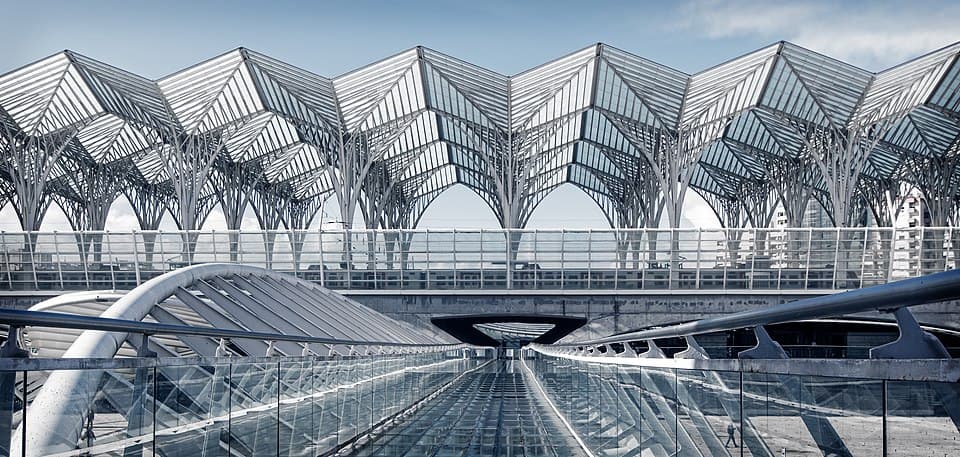
This final stop highlights Igreja de Marvila and its surrounding largo as the historic heart of the old riverside village, predating the industrial belt. The narration should describe the church’s exterior features, such as bell tower, tiled elements, or simple baroque or mannerist lines, and the small-scale urban fabric around it. It can emphasize how traditional housing, narrow streets, and the square evoke a time when Marvila was more rural and river-oriented. A unique anecdote might recall local religious or community festivities that once spilled from the church into the square, with processions or informal gatherings linking neighbors long before art galleries and breweries arrived.
Start This Tour
Download Roamway to experience this audio tour
Tour Details
Access
Free
Stops
10 points of interest
Languages
GermanEnglishSpanishFrench
More tours in Lisboa
View all tours in LisboaOther tours you might enjoy:
Lisbon Baixa & Chiado: Pombaline Center and City Life
This tour explores Lisbon’s Baixa and Chiado districts, from Praça do Comércio and Rua Augusta to Rossio, Figueira, and Largo do Chiado. It examines post-1755 Pombaline urban planning, neoclassical and iron architecture, religious and civic spaces, and daily commercial life, highlighting contrasts between riverfront, downtown grid, and upper town areas.
Lisbon Alfama: Viewpoints, Cathedral, Fado and Castle History
This tour explores Lisbon’s historic Alfama district, from the viewpoints of Santa Luzia and Portas do Sol to the Cathedral (Sé), Santo António Church, and São Jorge Castle. It includes Roman remains, medieval streets, and fado heritage, focusing on urban evolution, religious architecture, local traditions, and panoramic city views.
Lisbon: Mouraria, Graça & Alfama Hilltop Views
This tour explores Lisbon’s historic hill neighborhoods from Praça da Figueira through Mouraria and Graça to the edges of Alfama. It includes viewpoints such as Miradouro da Graça and Senhora do Monte, tram 28 routes, churches and convents, azulejo-clad façades, and the National Pantheon exterior, focusing on urban history, architecture, and everyday local life.
Frequently Asked Questions
How do I start this audio tour?
Download the Roamway app, search for this tour, and tap 'Start Tour'. The app will guide you to the starting point using GPS. Once you're there, the audio narration begins automatically.
Do I need an internet connection?
No! Once you've downloaded the tour in the Roamway app, it works completely offline. The GPS navigation and audio narration function without an internet connection.
Can I pause and resume the tour?
Yes! You can pause the tour at any time and resume later. Your progress is automatically saved, so you can complete the tour over multiple sessions if needed.