
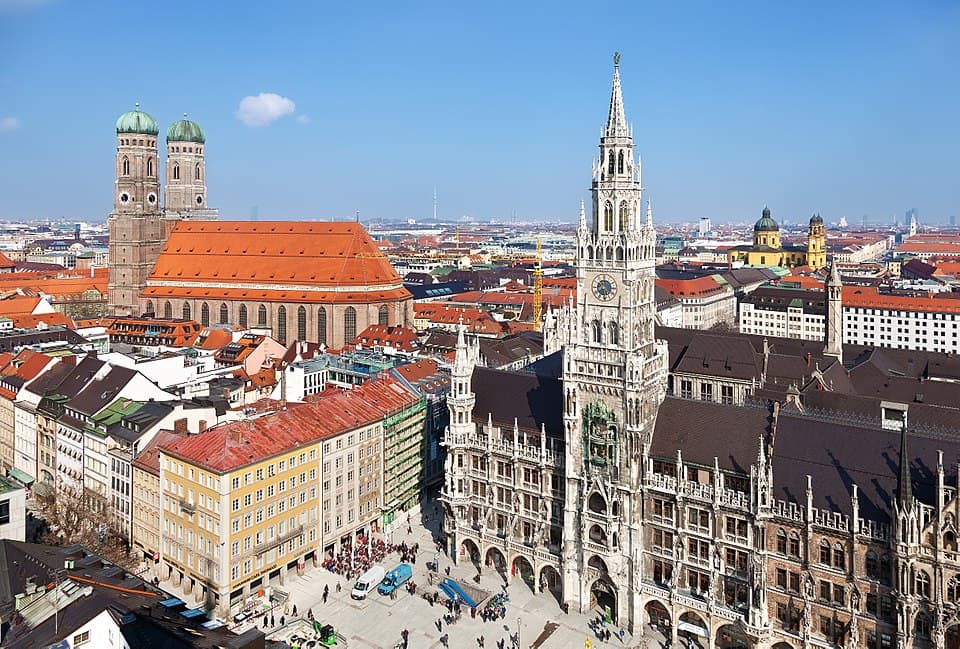
Munich: Beer Culture, Old Town Markets and Isar Districts
München, Deutschland
Audio Preview
Listen to a sample of this audio tour to get a feel for the experience.
What You'll Experience
On this Munich: Beer Culture, Old Town Markets and Isar Districts audio tour in München, you'll discover 10 carefully selected points of interest, each with its own story. The tour is designed to be completed at your own pace, with GPS navigation guiding you from one location to the next. As you approach each stop, the audio narration automatically begins, bringing history, culture, and local insights to life.
About This Tour
This tour explores Munich’s historic beer culture from Viktualienmarkt and the Hofbräuhaus area through Tal and the Isartor to the Isar riverbank and Haidhausen. It covers traditional beer halls, beer gardens, and former brewing sites, while also touching on market life, local architecture, bathing traditions, and brewing technology around the Deutsches Museum and Gasteig cultural quarter.
Points of Interest
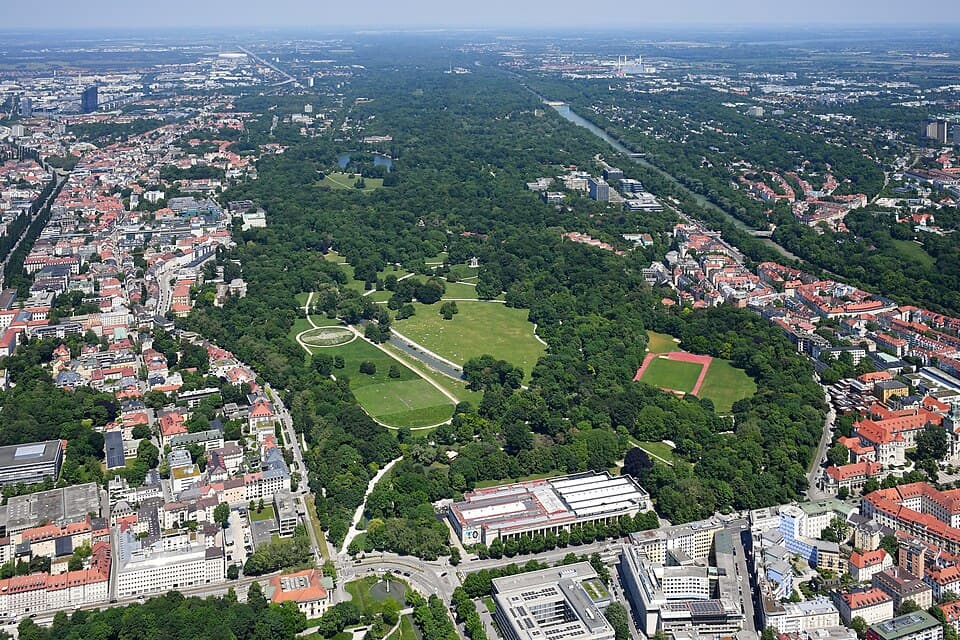
Viktualienmarkt Beer Garden
Munich’s pantry and central beer garden hub
This stop introduces Viktualienmarkt as Munich’s historic food market and a key node in its beer culture, including the central beer garden where different breweries take turns operating. The script should describe the market’s evolution from a simple farmers’ square to a gourmet hub, highlighting its fountains, maypole, and open‑air stalls. It should explain how the beer garden became a social extension of the market, where workers, traders, and modern office staff all mix. A unique anecdote could involve the tradition of locals bringing their own food to the beer garden while only ordering drinks, reflecting long‑standing Bavarian beer garden customs tied to food vendors around the market.
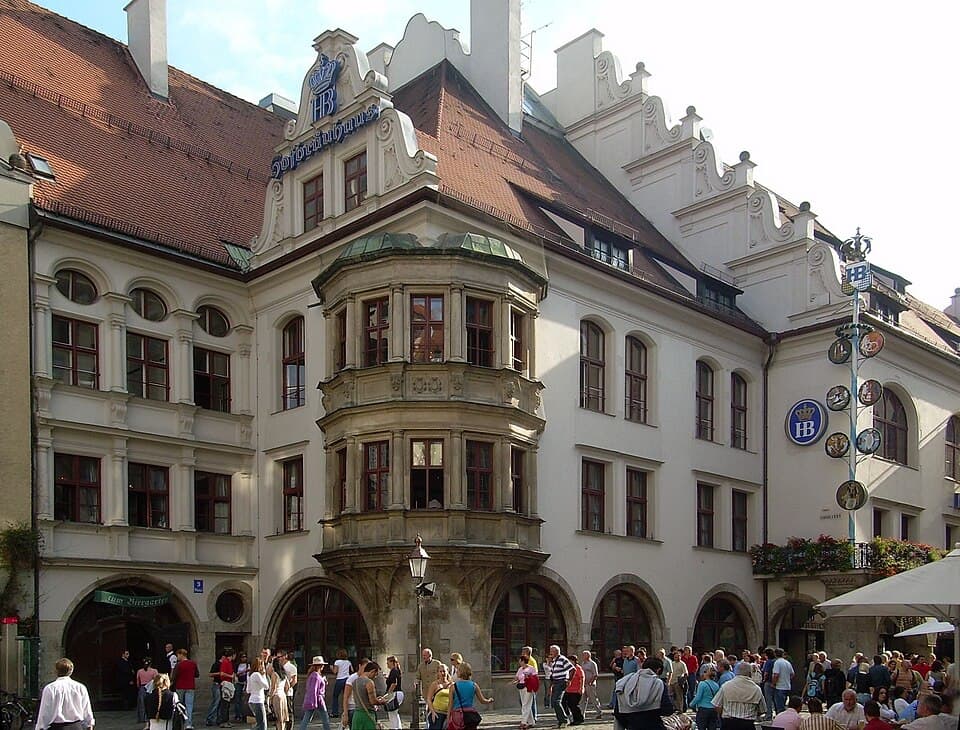
Hofbräuhaus am Platzl
Former royal brewery and iconic beer hall
This stop focuses on Hofbräuhaus as Munich’s best‑known beer hall, originally tied to the court brewery. The script should cover its origins serving the Wittelsbach rulers, the shift from brown beer to other styles, and its role as a civic gathering place. It should briefly address its darker 20th‑century political history, alongside stories of music, brass bands, and song traditions that made it famous with locals and visitors. A unique anecdote might relate to the legend of regulars keeping their own personalized beer steins locked in wall cupboards, symbolizing long‑term loyalty to their Stammtisch and the house beer.
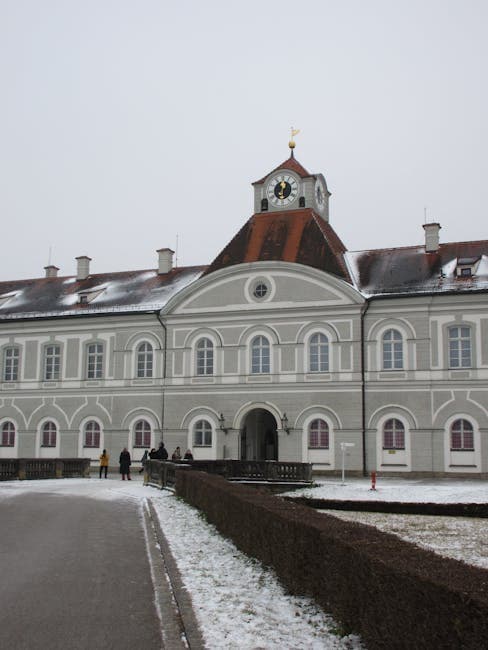
Orlandohaus And Platzl
Historic square of trade, taverns, and theatre
This stop explores Orlandohaus and the small Platzl square as a dense crossroads of long‑standing taverns, trade, and entertainment near Hofbräuhaus. The script should describe Orlandohaus’s façade and architectural details, and explain how the square functioned as a compact stage for street life, inns, and later theatres. It should highlight how beer halls and restaurants clustered here to profit from traffic between the court, marketplace, and river. A unique anecdote could mention a past cabaret or theatre venue in the area whose satirical shows poked fun at Munich society, illustrating how beer, performance, and politics have long intertwined at Platzl.
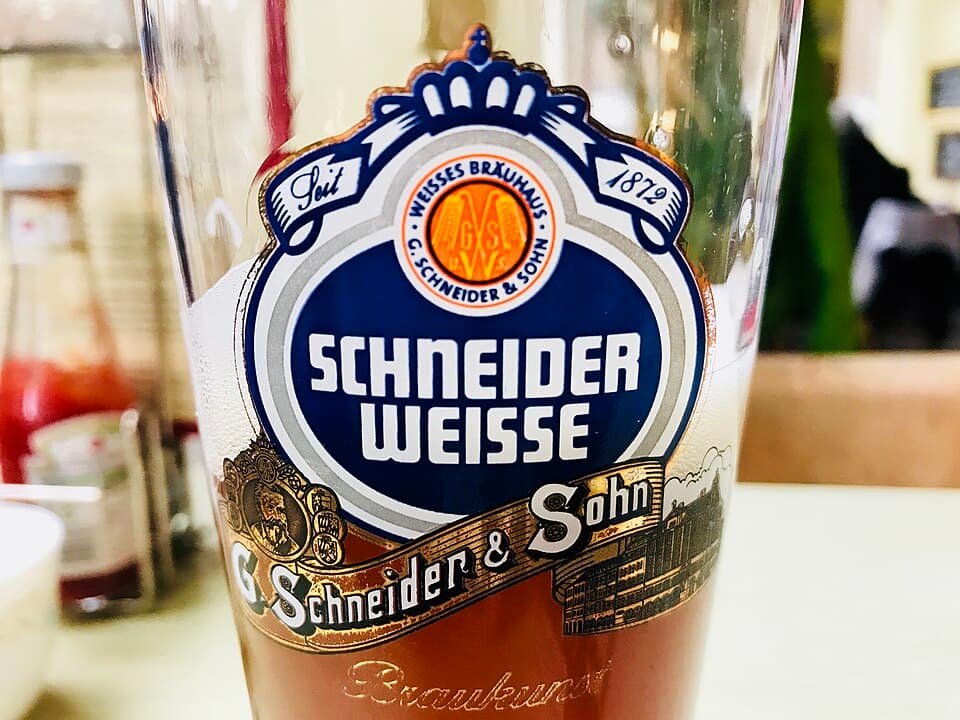
Schneider Bräuhaus Tal
Wheat beer stronghold in the old valley street
This stop introduces Schneider Bräuhaus in Tal as a symbol of Munich’s wheat beer revival and independent brewing tradition. The script should explain the historical link to Georg Schneider, who secured rights to brew wheat beer outside the strictly controlled court breweries, and how this challenged previous monopolies. It should describe the building’s interior atmosphere, woodwork, and the typical look of wheat beer in tall glasses. A unique anecdote might describe how, in earlier decades, some conservative drinkers in Munich saw wheat beer as slightly unconventional or "modern", while students and artists embraced it as a sign of a different beer identity in the city.
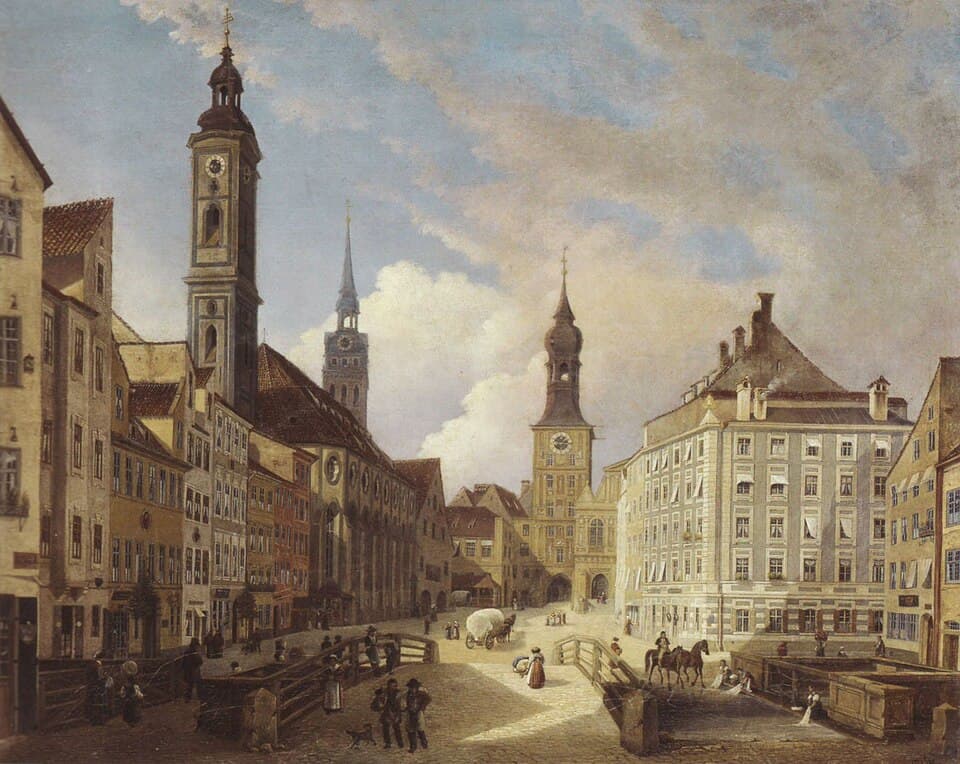
Isartor And Tal District
Medieval gate and valley trade route
This stop anchors the listener at Isartor, one of Munich’s remaining medieval city gates, and the eastern end of Tal street. The script should describe the gate’s towers, painted murals and clock, and explain Tal as the old route leading down toward the Isar and out of the walled town. It should explore how merchants, beer carts, and travelers moved through this bottleneck, making nearby inns and taverns busy service points. A unique anecdote could involve the later use of Isartor as a site for small exhibitions or historical displays, showing how a defensive structure evolved into a cultural landmark that still frames the way people enter the valley district today.
Paulaner Im Tal
Valley tavern of Munich’s wheat beer heritage
This stop presents Paulaner im Tal as a representative of the Paulaner tradition in the valley corridor between Old Town and the river. The script should trace Paulaner’s origins with monks on the city’s edge and explain how their strong seasonal beers later became popular beyond the cloister. It should describe how Paulaner im Tal fits into the pattern of taverns along Tal serving travelers and locals heading to or from the Isartor. A unique anecdote might recount how strong Lenten beers associated with Paulaner were once nicknamed "liquid bread", allowing fasting monks and laypeople to claim they were nourishing themselves while technically abstaining from solid food.
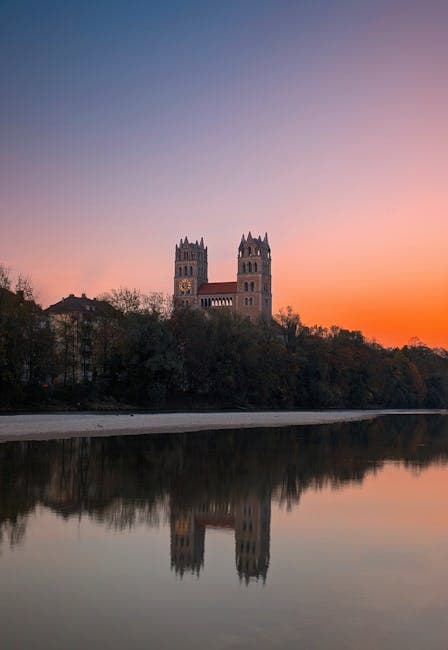
Müller’sches Volksbad And Isar
Art nouveau bathhouse by Munich’s river life
This stop looks at Müller’sches Volksbad from the outside and connects it to the Isar riverbank as a space where water, health, and leisure meet beer culture. The script should describe the striking art nouveau architecture, domes, and riverfront position, and explain how public baths were built to improve hygiene for citizens who lacked bathrooms at home. It should also evoke how people combined a day of bathing or swimming in the Isar channels with visits to nearby beer gardens and kiosks on warm days. A unique anecdote could note that early critics worried that offering luxurious decor in a public bath might "spoil" ordinary bathers, only for the building to become one of the city’s most beloved symbols of civic pride.
Gasteig HP8 Cultural Quarter
Modern arts hub beside beer and river life
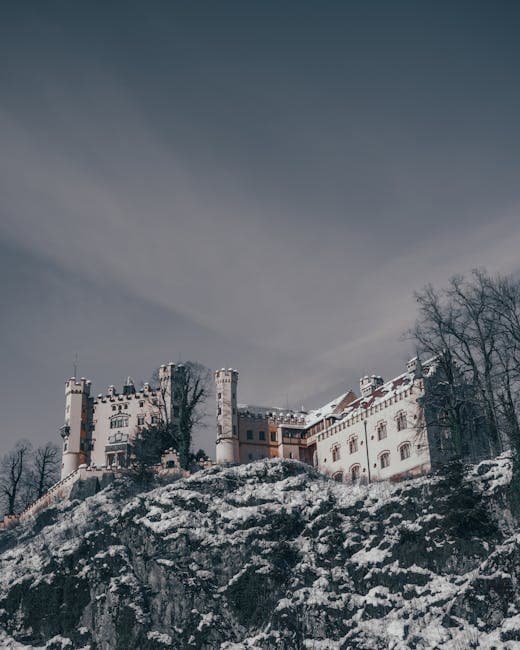
This stop covers the Gasteig HP8 area as a contemporary cultural quarter by the Isar, where concert halls, rehearsal spaces, and casual drinking spots coexist. The script should explain how this newer complex relates to the older Gasteig cultural center and the long tradition of gathering near the river for both high culture and everyday socializing. It should describe the industrial‑style architecture, open courtyards, and temporary structures, along with nearby places where people sit outside with beer or soft drinks before and after events. A unique anecdote could mention an outdoor performance or festival where visitors spilled out with plastic beer cups into the surrounding spaces, blurring the line between concert audience and spontaneous street crowd.
Deutsches Museum Island
Science island and brewing technology context
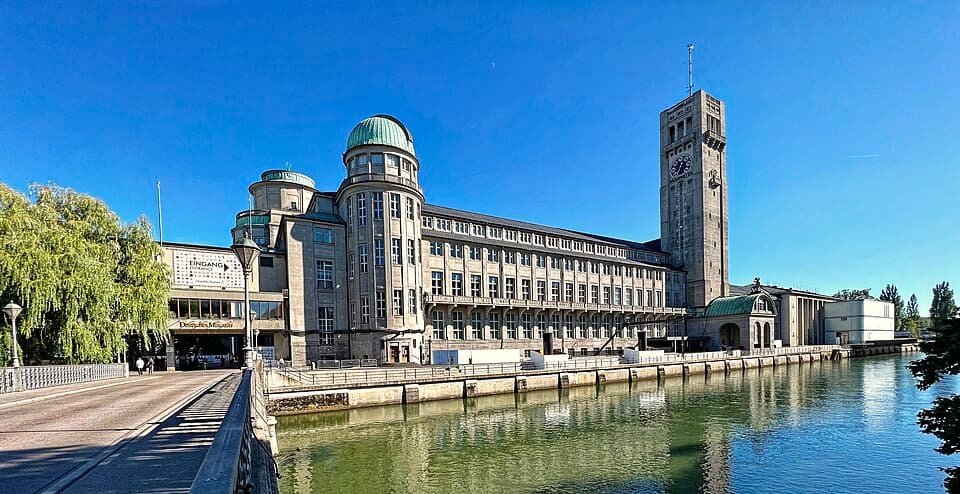
This stop focuses on the surroundings of the Deutsches Museum on its Isar island, linking Munich’s brewing story to broader histories of science and technology. The script should describe the bridges, water channels, and large museum buildings, then explain how exhibits on food technology and industrial machinery have helped people understand modern brewing processes. It should highlight the role of refrigeration, steam power, and laboratory chemistry in standardizing beer quality and enabling large‑scale export from Munich breweries. A unique anecdote might involve a past display or demonstration of brewing equipment that surprised visitors by revealing how much engineering sits behind a seemingly simple glass of beer.
Biergarten Am Wiener Platz
Neighborhood beer garden in historic Haidhausen
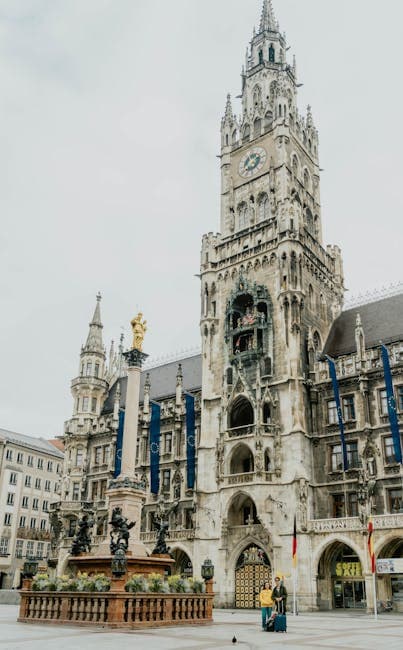
This final stop presents the Biergarten am Wiener Platz as a more local, neighborhood‑scale counterpart to the central beer halls, set in the Haidhausen district. The script should describe the chestnut trees, gravel ground, and surrounding buildings of Wiener Platz, formerly a market and storage area linked to beer cellars and trade routes. It should emphasize how residents treat this as an extension of their living rooms, with regulars, families, and commuters all sharing long tables. A unique anecdote could mention the tradition of music or small neighborhood festivals under the trees here, where locals bring homemade snacks and treat the beer garden as a village square within the city.
Start This Tour
Download Roamway to experience this audio tour
Tour Details
Access
Free
Stops
10 points of interest
Languages
GermanEnglishSpanishFrench
More tours in München
View all tours in MünchenOther tours you might enjoy:
Munich Old Town: Squares, Churches, Residenz & Nazi Era
This tour covers Munich’s historic center from Marienplatz to Odeonsplatz, passing major squares, churches, courtyards, and remnants of the medieval city wall. It examines Gothic and Baroque architecture, royal Bavarian residences, and sites linked to 20th‑century politics, including locations connected to the Nazi era and local resistance gestures.
Munich: From Odeonsplatz to Haidhausen Architecture
This tour traces Munich’s development from Baroque court city to 19th‑century boulevard planning and late 19th‑century residential districts. It covers central landmarks such as Odeonsplatz, the Residenz, Nationaltheater, and Maximilianstrasse, then crosses the Isar to Haidhausen’s Jugendstil streets, churches, and village-like squares, focusing on architecture, urban design, and political history.
Munich: Art, Memory, and Modern Architecture Walk
This tour explores Munich’s Kunstareal and nearby districts through key sites such as Königsplatz, the Pinakotheken museums, Museum Brandhorst, and Lenbachhaus. It examines classical and modern architecture, public art, and museum collections. Themes include ancient art, Expressionism, Nazi-era propaganda, postwar reconstruction, and contemporary design in public space.
Frequently Asked Questions
How do I start this audio tour?
Download the Roamway app, search for this tour, and tap 'Start Tour'. The app will guide you to the starting point using GPS. Once you're there, the audio narration begins automatically.
Do I need an internet connection?
No! Once you've downloaded the tour in the Roamway app, it works completely offline. The GPS navigation and audio narration function without an internet connection.
Can I pause and resume the tour?
Yes! You can pause the tour at any time and resume later. Your progress is automatically saved, so you can complete the tour over multiple sessions if needed.