
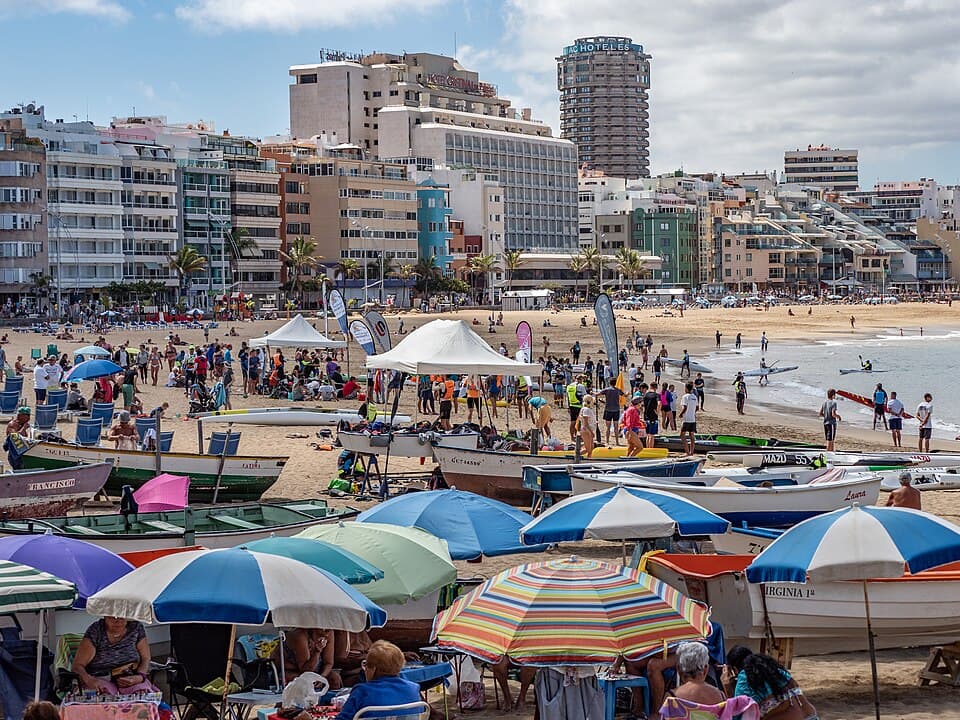
Las Palmas: Vegueta History, Cathedral & Colonial Heritage
Las Palmas De Gran Canaria, España
Audio Preview
Listen to a sample of this audio tour to get a feel for the experience.
What You'll Experience
On this Las Palmas: Vegueta History, Cathedral & Colonial Heritage audio tour in Las Palmas De Gran Canaria, you'll discover 10 carefully selected points of interest, each with its own story. The tour is designed to be completed at your own pace, with GPS navigation guiding you from one location to the next. As you approach each stop, the audio narration automatically begins, bringing history, culture, and local insights to life.
About This Tour
This tour explores the historic Vegueta quarter of Las Palmas de Gran Canaria, focusing on its main plazas, churches, and civic buildings. It covers sites such as Plaza de Santa Ana, Catedral de Santa Ana, Casa de Colón, and Museo Canario, highlighting urban development, colonial history, religious power, and traditional Canarian architecture.
Points of Interest
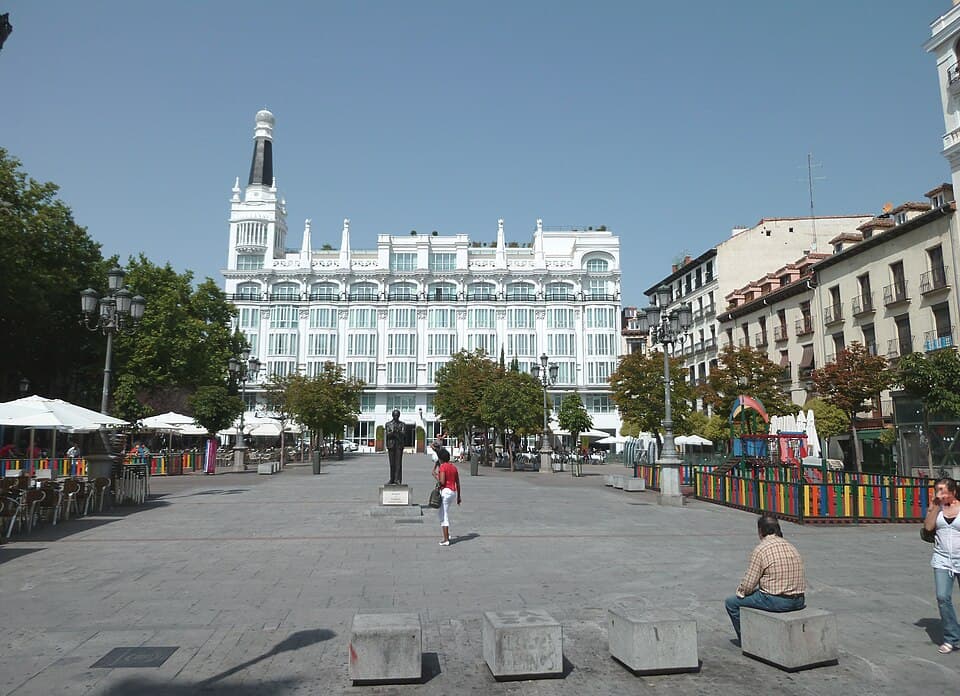
Plaza de Santa Ana
Civic heart framed by cathedral and City Hall
This stop introduces Plaza de Santa Ana as the main civic and symbolic square of Vegueta, framed by the cathedral on one side and the historic City Hall on the other. The guide should describe the planned, almost theatrical layout of the plaza, the symmetry of façades, and the famous bronze dogs that guard the steps. It should explain how this space hosted proclamations, processions, and public ceremonies, embodying the balance between municipal authority and religious power. An anecdote can mention how the dogs became beloved local mascots, often dressed or decorated by residents during festive periods, reflecting a playful relationship between citizens and their official monuments.
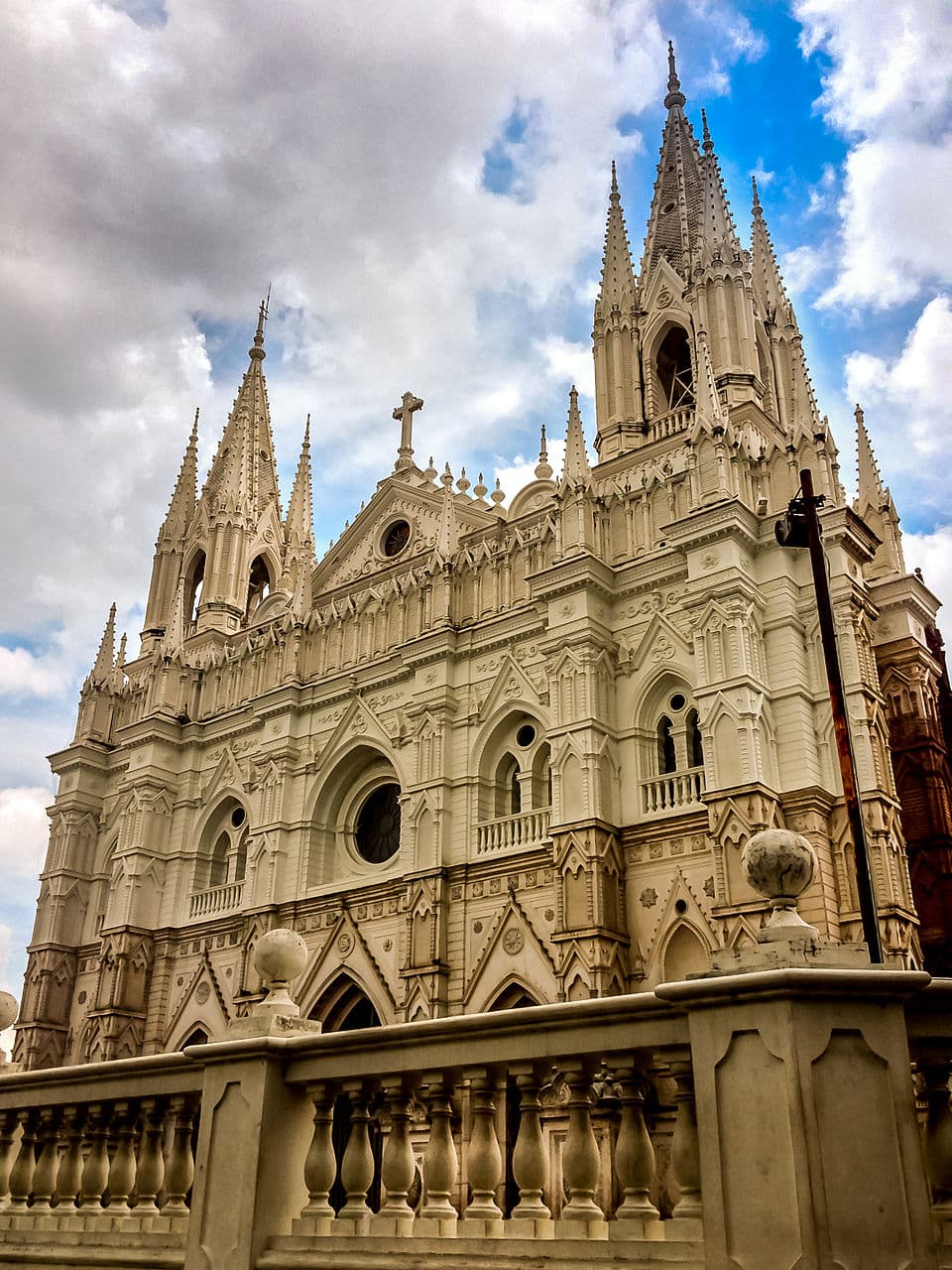
Catedral de Santa Ana
Island’s cathedral of stone, light, and views
This stop focuses on the interior and rooftop of Catedral de Santa Ana, emphasizing its layered construction over centuries and mix of Gothic, Renaissance, and later elements. The narration should highlight key interior features: high vaults, side chapels, altarpieces, and any notable artworks associated with the island’s religious life. On the rooftop, the guide should use the panoramic views to orient listeners over Vegueta, the port, and the broader city, connecting architecture to Las Palmas’ Atlantic role. An anecdote may recount how storms and funding delays repeatedly slowed construction, leaving visible contrasts between the more ornate and more austere parts of the façade and towers.
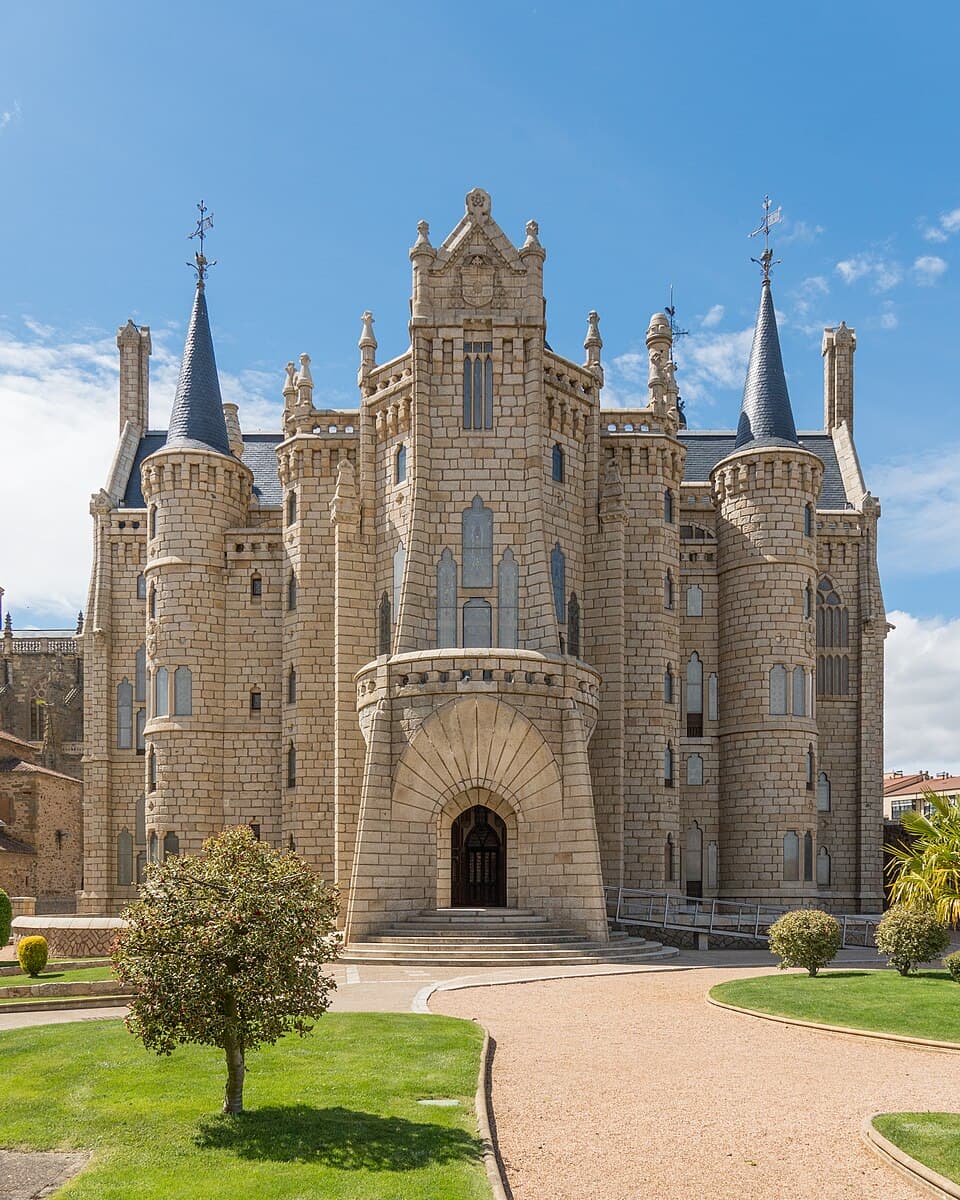
Palacio Episcopal
Bishop’s residence beside the cathedral square
This stop presents the Palacio Episcopal as the residential and administrative seat of the bishop, physically attached to the cathedral complex yet clearly a domestic palace. The narration should describe its façade, portal, balconies, and use of local stone, noting how it contrasts in scale and style with both the cathedral and nearby secular buildings. Historically, the bishop played a major role in education, charity, and moral oversight, so this stop should discuss ecclesiastical influence on colonial society. An anecdote might recall how, during a past conflict or pirate scare, townspeople looked to the bishop here not only for spiritual guidance but for practical support, such as opening church granaries or coordinating aid from religious funds.
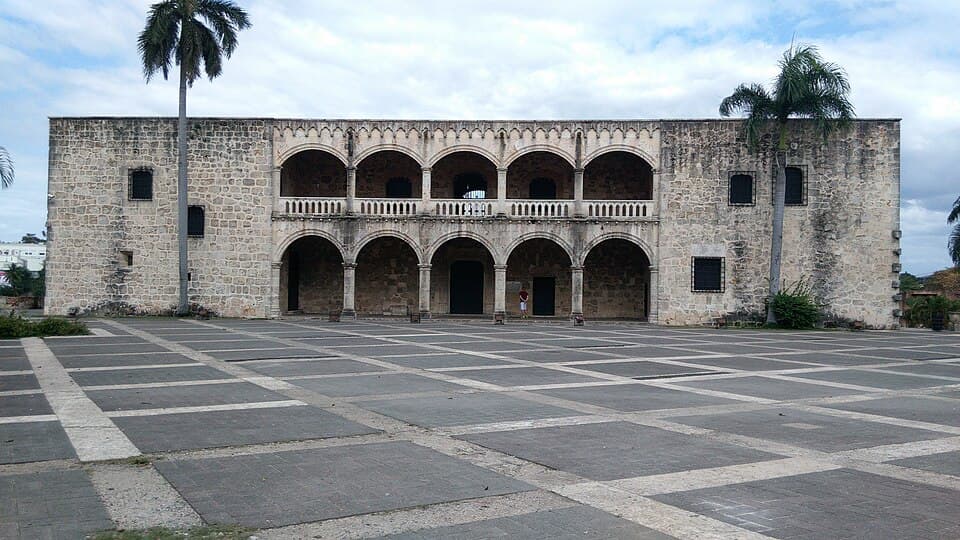
Casa de Colón
Columbus-era mansion and Atlantic crossroads
This stop uses Casa de Colón to explore Las Palmas’ role in early Atlantic exploration. The narration should describe its elegant courtyard, carved stone portal, and characteristic Canarian balconies, explaining that it once housed governors and important visitors. It should cover how Columbus and other explorers used the Canaries as a provisioning and repair stop en route to the Americas, making Vegueta part of a larger imperial network. An anecdote can recall a specific layover by Columbus when he is believed to have paused here to repair a ship and adjust his course, turning Las Palmas into a small but vital chapter in the story of transoceanic navigation.
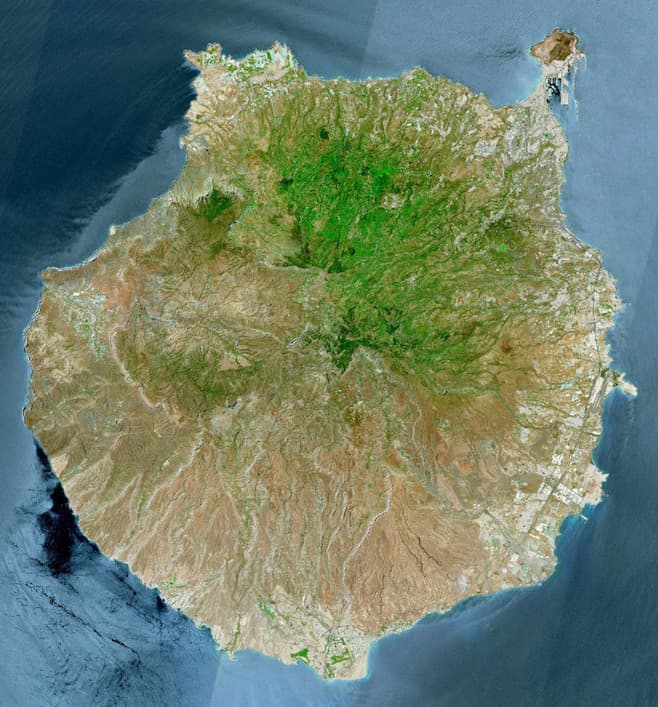
Plaza del Espíritu Santo
Quiet square with historic fountain and chapel
This stop highlights Plaza del Espíritu Santo as a smaller, more intimate square centered on its historic stone fountain and nearby chapel. The guide should describe the fountain’s sculpted details, the surrounding façades, and how access to water shaped daily life and hygiene in old Las Palmas. It should explain that such fountains were both practical infrastructure and social meeting points, especially for women and servants fetching water. An anecdote may mention a local tradition that newlyweds or exam-takers would touch the fountain for good luck, blending practical infrastructure with neighborhood folklore.
Ermita de San Antonio Abad
Modest hermitage tied to early settlement
This stop presents the Ermita de San Antonio Abad as a simple early chapel linked to the formative years of Vegueta’s community. The narration should describe its modest façade, small bell gable, and plain, intimate interior compared to the cathedral’s grandeur. Historically, it is associated with the spiritual needs of early settlers and sailors, and tradition often links it to a brief visit or prayer by Columbus before one of his voyages. An anecdote can recount how local sailors and their families would light candles here before departures, filling the small space with wax, smoke, and whispered promises before facing the Atlantic.
Calle de los Balcones
Street of wooden balconies and townhouses
This stop uses Calle de los Balcones to showcase traditional Canarian domestic architecture, especially its projecting wooden balconies and carved details. The guide should describe how these balconies provided shade, ventilation, and social visibility, as well as the use of local stone and timber in façades and doorways. It should explain how inner courtyards, often hidden from the street, organized family life around light and water. An anecdote might evoke how residents once watched processions or carnival from these balconies, decorating them with fabrics and flowers, turning the street into a vertical theater of color and sound.
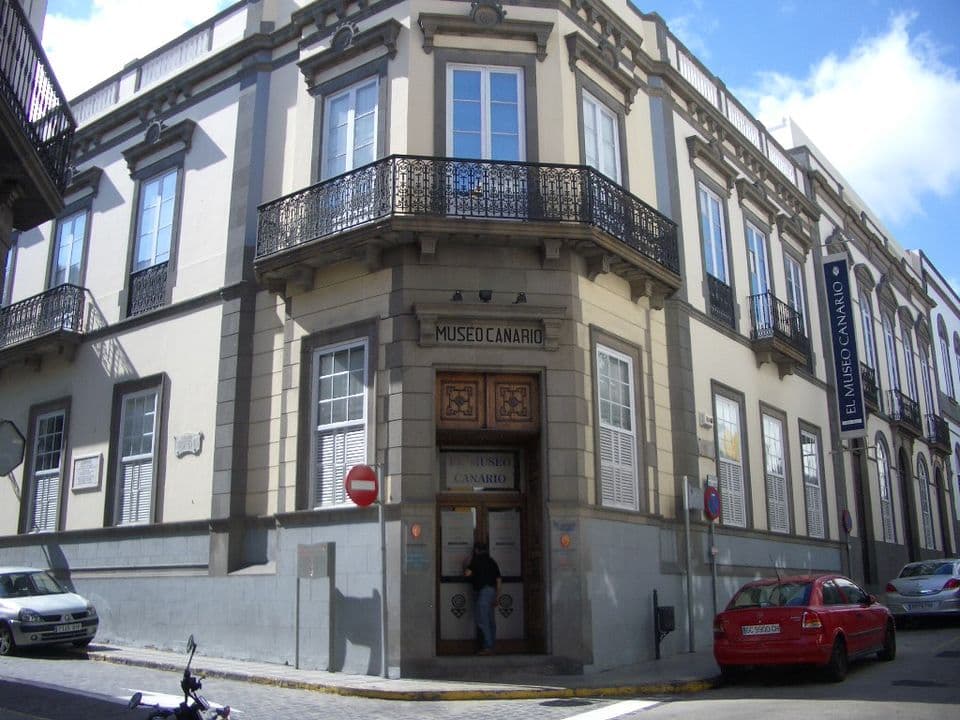
Museo Canario
Museum of indigenous past and island archaeology
This stop introduces the Museo Canario as the principal institution dedicated to the pre-Hispanic inhabitants of Gran Canaria and the archipelago. The narration should explain the building’s 19th-century origins and scholarly mission, as well as the kinds of artifacts housed inside: ceramics, tools, mummified remains, and everyday objects. It should emphasize how understanding the indigenous societies adds depth to the colonial architecture seen throughout Vegueta. An anecdote could describe how early local scholars and collectors, sometimes doctors or priests, carefully gathered burial finds and village remains, gradually transforming private collections into the public museum that stands here today.
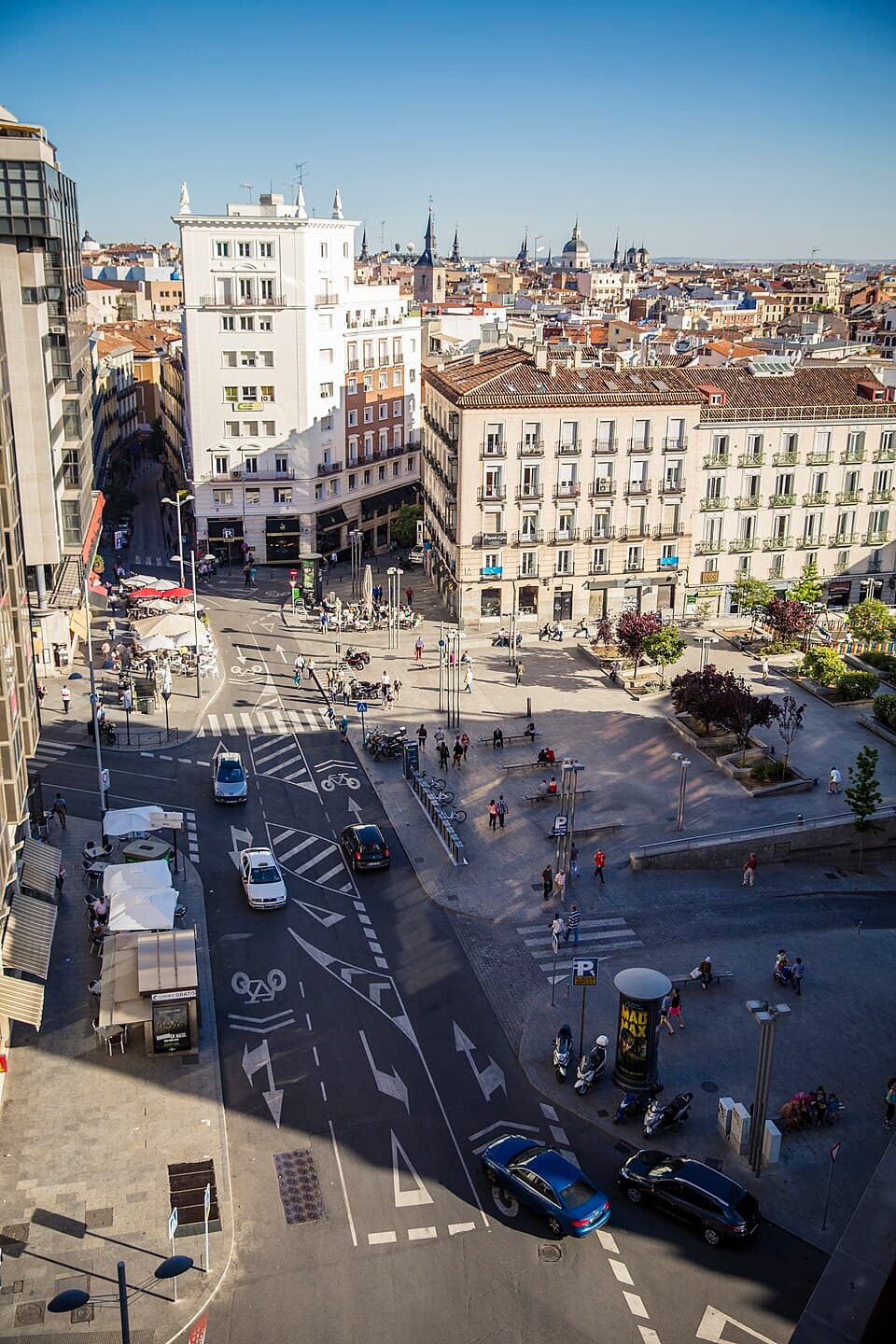
Plaza de Santo Domingo
Neighborhood square with church and convent history
This stop focuses on Plaza de Santo Domingo as a quieter, more residential-feeling square centered on its church and former convent buildings. The narration should describe the church façade, the shape of the square, and the houses that frame it, showing how religious orders integrated into neighborhood life. Historically, Dominican friars were active in preaching, education, and missions, making this a hub of teaching and devotion rather than high ecclesiastical power. An anecdote may recall how, during certain feast days, the square would fill with music, street altars, and food stalls organized by local confraternities, creating a very different atmosphere from the formal ceremonies of Plaza de Santa Ana.
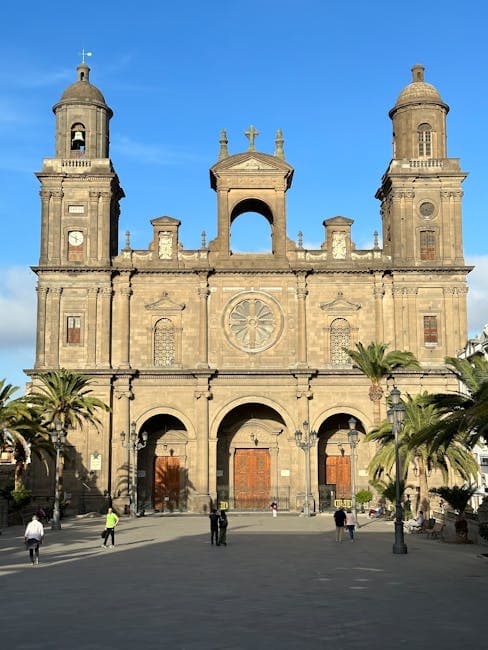
Plaza de San Agustín
Historic square with Inquisition-era buildings
This final stop highlights Plaza de San Agustín and its association with former Inquisition and judicial buildings, contrasting the pleasant square with its more somber past. The narration should describe the façades, coats of arms, and any remaining architectural signs of officialdom, as well as the nearby church and convent structures. It should explain the role of the Inquisition and other tribunals in policing belief, morality, and social behavior in colonial society. An anecdote might evoke how the discreet windows and heavy doors here once concealed interrogations and records, while life in the square outside went on with children playing and vendors passing, illustrating the coexistence of everyday life and institutional control. The tour can close by reflecting on how Vegueta’s streets preserve traces of both power and daily humanity.
Start This Tour
Download Roamway to experience this audio tour
Tour Details
Access
Free
Stops
10 points of interest
Languages
GermanEnglishSpanishFrench
More tours in Las Palmas De Gran Canaria
View all tours in Las Palmas De Gran CanariaOther tours you might enjoy:
Las Palmas: Vegueta to Triana Food and Bar Culture
This tour explores central Las Palmas de Gran Canaria from Vegueta’s historic produce market to the commercial and cultural district of Triana. It focuses on traditional markets, café terraces, and tapas and wine bar areas, highlighting local food habits, urban development, and the social role of plazas and streets in city life.
Las Palmas de Gran Canaria: Triana, San Telmo & Galdós
This tour explores the historic Triana district and the San Telmo area of Las Palmas de Gran Canaria, focusing on urban development from the 16th to 20th centuries. It includes parks, chapels, bridges, and cultural institutions while examining modernist, eclectic, and bourgeois architecture and the life and legacy of writer Benito Pérez Galdós.
Las Palmas: La Isleta, Port History & Las Canteras
This coastal tour in Las Palmas de Gran Canaria follows the waterfront from the sports marina and commercial port to the full length of Las Canteras Beach and La Isleta. It covers viewpoints, urban parks, and promenades while explaining port development, defensive history, local marine life, and the city’s modern seaside culture.
Frequently Asked Questions
How do I start this audio tour?
Download the Roamway app, search for this tour, and tap 'Start Tour'. The app will guide you to the starting point using GPS. Once you're there, the audio narration begins automatically.
Do I need an internet connection?
No! Once you've downloaded the tour in the Roamway app, it works completely offline. The GPS navigation and audio narration function without an internet connection.
Can I pause and resume the tour?
Yes! You can pause the tour at any time and resume later. Your progress is automatically saved, so you can complete the tour over multiple sessions if needed.