
Audiotours in Las Palmas De Gran Canaria — Explore at your own pace
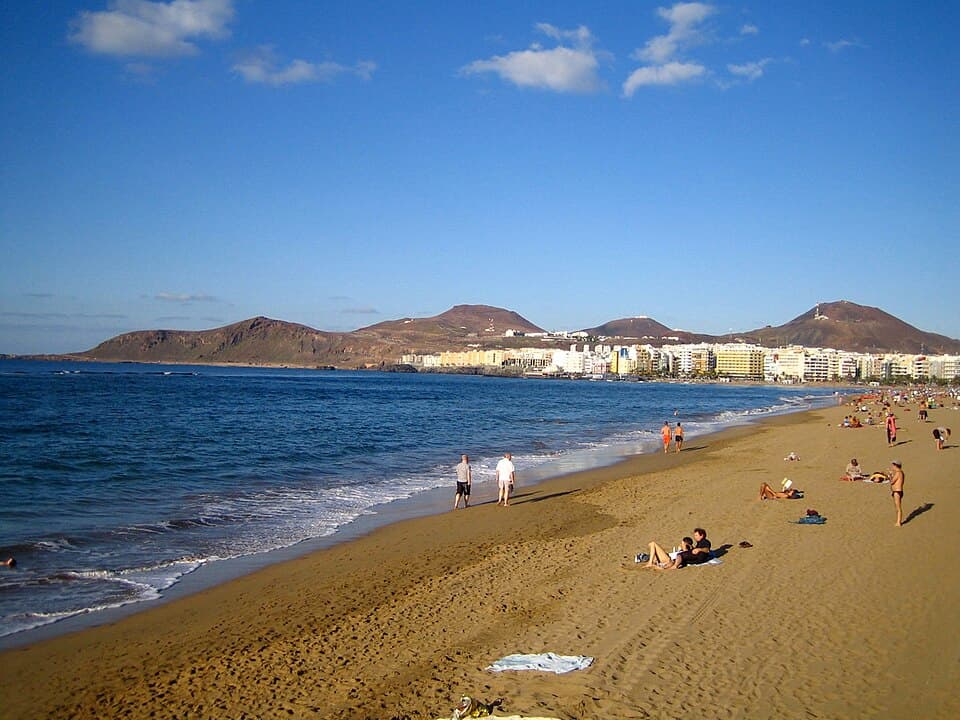
Las Palmas de Gran Canaria, Spain is a sunlit Atlantic city where colonial streets, colorful markets, and oceanfront promenades come together in one vibrant destination. Our audio-guided, self-paced tours lead you through historic Vegueta, elegant Triana, and the seafront districts, revealing local food culture, architecture, and nightlife as you go. Explore when and how you like, with immersive storytelling that fits your own schedule.
Free Tours
7 tours available
Las Palmas: Vegueta History, Cathedral & Colonial Heritage
This tour explores the historic Vegueta quarter of Las Palmas de Gran Canaria, focusing on its main plazas, churches, and civic buildings. It covers sites such as Plaza de Santa Ana, Catedral de Santa Ana, Casa de Colón, and Museo Canario, highlighting urban development, colonial history, religious power, and traditional Canarian architecture.
Las Palmas: Vegueta to Triana Food and Bar Culture
This tour explores central Las Palmas de Gran Canaria from Vegueta’s historic produce market to the commercial and cultural district of Triana. It focuses on traditional markets, café terraces, and tapas and wine bar areas, highlighting local food habits, urban development, and the social role of plazas and streets in city life.
Las Palmas de Gran Canaria: Triana, San Telmo & Galdós
This tour explores the historic Triana district and the San Telmo area of Las Palmas de Gran Canaria, focusing on urban development from the 16th to 20th centuries. It includes parks, chapels, bridges, and cultural institutions while examining modernist, eclectic, and bourgeois architecture and the life and legacy of writer Benito Pérez Galdós.
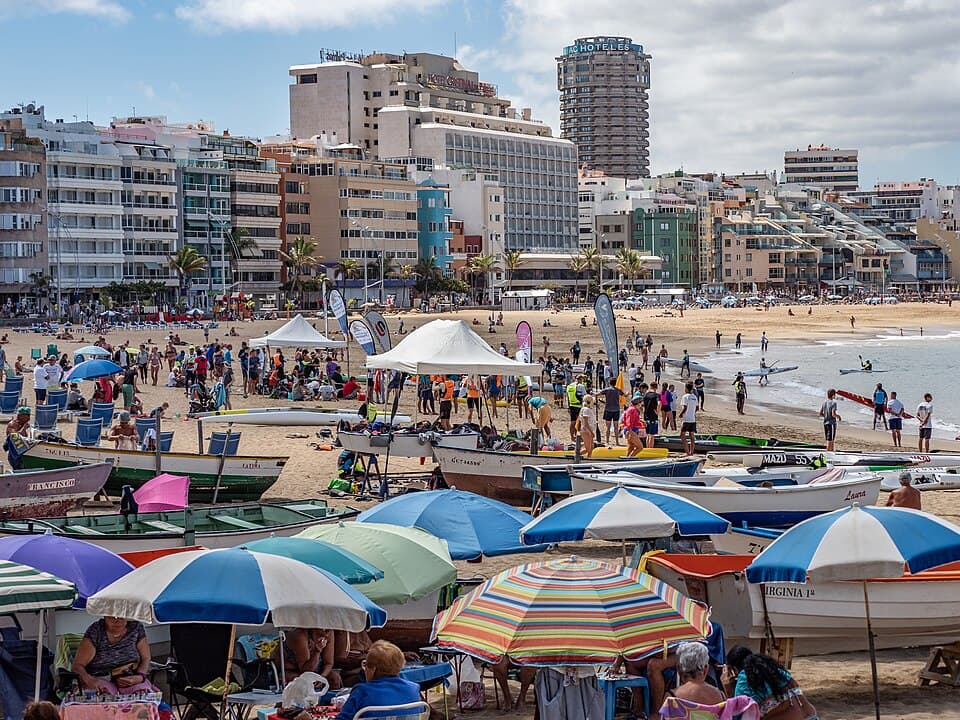
Las Palmas: La Isleta, Port History & Las Canteras
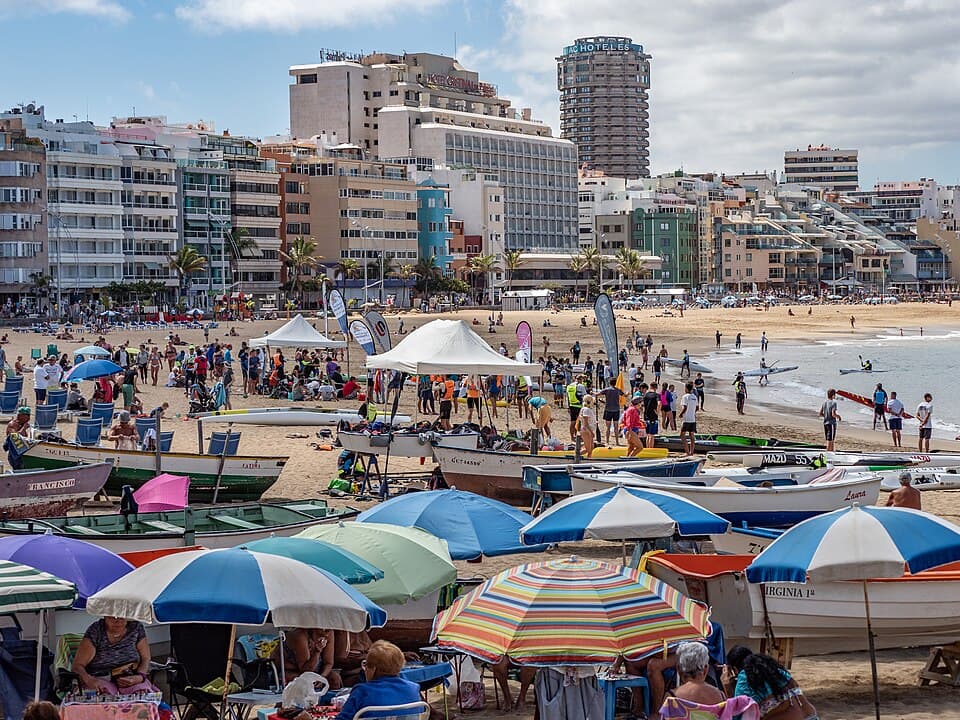
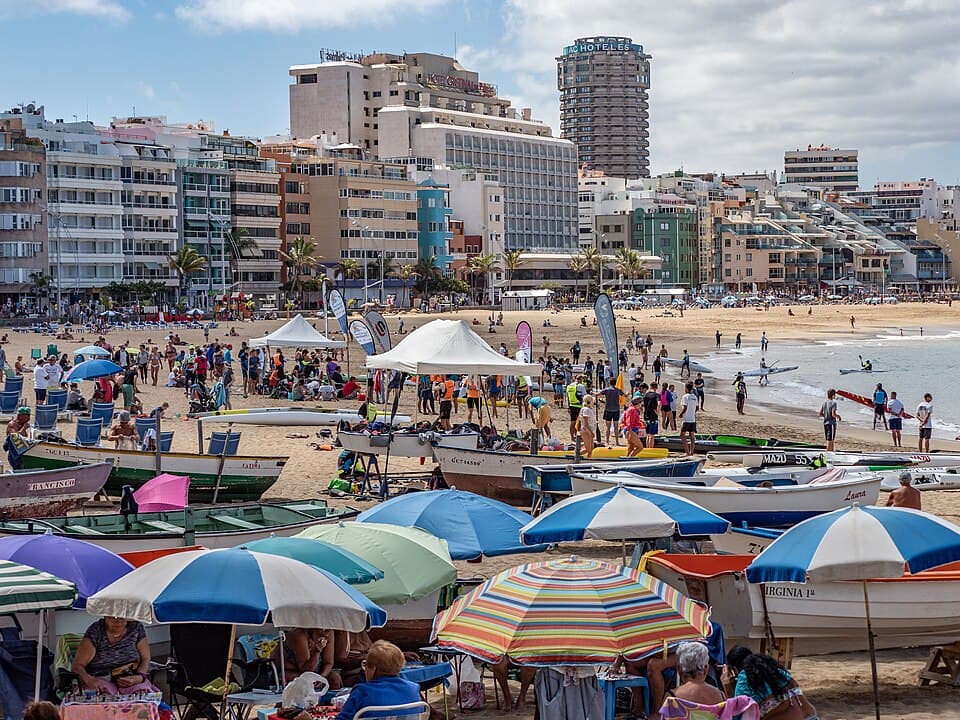
This coastal tour in Las Palmas de Gran Canaria follows the waterfront from the sports marina and commercial port to the full length of Las Canteras Beach and La Isleta. It covers viewpoints, urban parks, and promenades while explaining port development, defensive history, local marine life, and the city’s modern seaside culture.
Las Palmas: Historic Churches of Vegueta and Triana
This tour explores historic churches and chapels in the Vegueta and Triana districts of Las Palmas de Gran Canaria. It includes cathedral chapels and a museum, convent churches, episcopal courtyards, and small hermitages. Themes include religious art, colonial-era architecture, urban development, and the role of monastic and parish life in the city’s history.
Las Palmas: Art, Architecture and Seafront Cultural Route
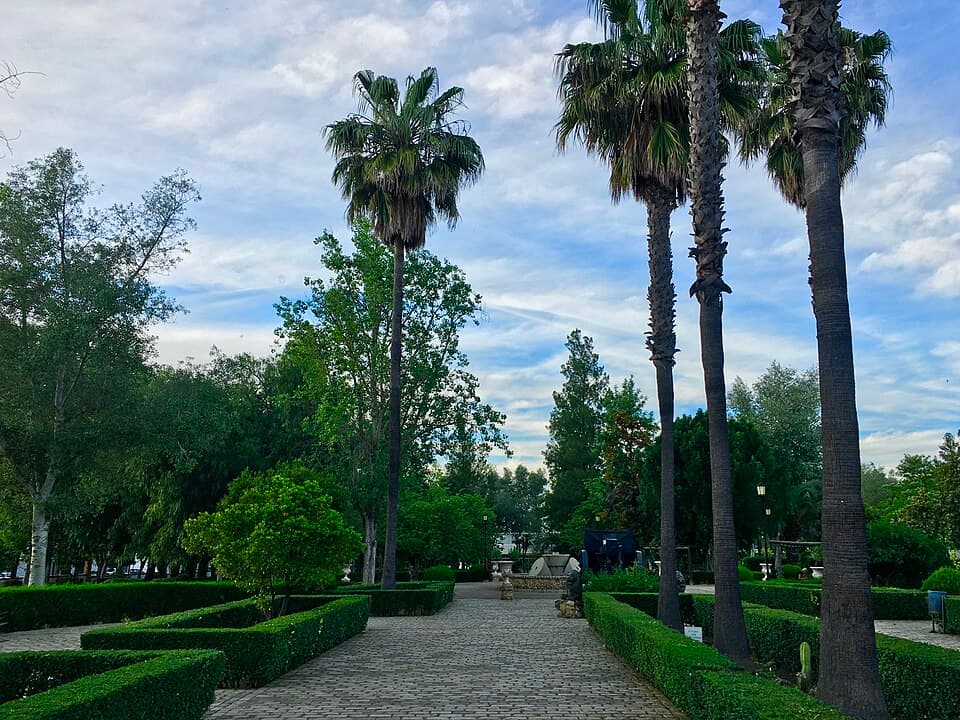
This tour explores central Las Palmas de Gran Canaria from Vegueta to the seafront, focusing on modern and sacred art, literary and theatrical venues, and public sculpture. Participants visit museums, historic plazas, theaters, and cultural promenades while learning about local history, architecture, and the city’s development as an Atlantic cultural hub.
Las Palmas: Vegueta & Triana Evening Tapas and Nightlife
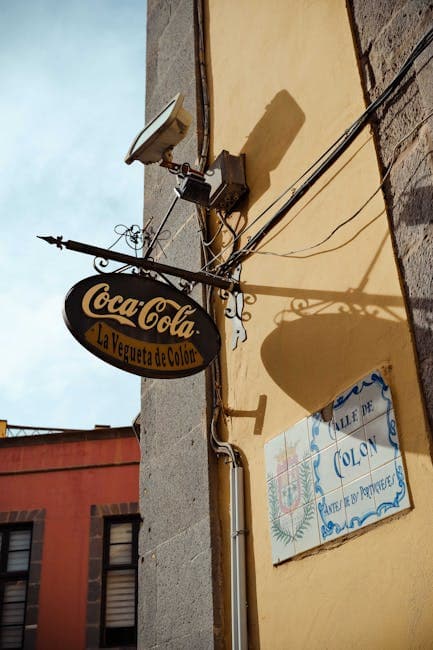
This tour explores the historic quarters of Vegueta and Triana in Las Palmas de Gran Canaria during the evening. It covers main squares, traditional streets, and modern nightlife areas, focusing on local tapas culture, bar terraces, and late cafés. Architectural surroundings and the contrast between quiet plazas and lively nightlife zones are highlighted.
About Las Palmas De Gran Canaria
Top Attractions
Mercado de Vegueta
Historic produce hall and lively tapas corner
This stop introduces Mercado de Vegueta as the historic food heart of Las Palmas, where island farmers and fishers have long supplied the city. The script should describe the iron-and-masonry market hall, colorful fruit and vegetable stalls, and counters offering cheeses, gofio, and local fish. It should explain how the market reflects the island’s agricultural and Atlantic trading history, from bananas and tomatoes to spices and wines. An anecdote might recall early-morning bargaining traditions between farmers and restaurant owners, or how certain tapas corners became informal meeting points for politicians and journalists. Another story can highlight how some families have held stalls here for generations, passing down recipes and client relationships.
View Tour
Parque de San Telmo
Modernist kiosk amid transport and leisure hub
This stop introduces Parque de San Telmo as a threshold between the historic Vegueta area and the Triana district, combining greenery, transit, and leisure. The narration should focus on the park’s evolution from a defensive or edge zone into a landscaped public space with a central transport interchange. The Kiosco Modernista should be described in detail: its ornate ironwork, colored glass, and role as a bandstand and social focal point in the early 20th century. An anecdote can explain how the kiosk once hosted open‑air concerts that drew together different social classes, or how it served as a landmark meeting point for travelers arriving by coach or early buses. The stop should set up core tour themes: modernization, bourgeois public life, and movement between old and new city sectors.
View Tour
Catedral de Santa Ana
Cathedral chapels, museum, and episcopal power
This stop uses the cathedral interior to introduce the city’s origins, its role as an early Atlantic bishopric, and the layering of Gothic, Renaissance, and later styles. The narration should guide listeners through key chapels, highlighting notable altarpieces, sculptures, and funerary monuments, and then connect these to the nearby cathedral museum. The museum context allows exploration of colonial-era artworks, silver, and textiles that arrived via Atlantic trade routes. An anecdote can focus on how local guilds or confraternities sponsored specific chapels, or how a particular artwork survived raids or storms and became an object of special devotion. Another brief story might involve an important local bishop or canon whose decisions shaped both the diocese and the urban layout around the cathedral square.
View Tour
Muelle Deportivo Marina
Sports marina gateway to port and promenade
This stop introduces the sports marina (Muelle Deportivo) and adjacent waterfront promenade as the southern entry point to the tour. The script should describe the contrast between leisure boats, sailing schools, and the larger cargo and cruise ships visible further away. It should outline how the marina area expanded as Puerto de la Luz grew, shifting older port functions outward and freeing inner docks for recreation. Mention local sailing culture and the role of the marina in transatlantic rallies or long‑distance cruising traditions, emphasizing seasonal buzz when ocean‑crossing yachts gather here. An anecdote can highlight how small local fishing or sailing families now dock beside international crews preparing for Atlantic crossings, underlining Las Palmas’ role as a stepping stone between continents.
View Tour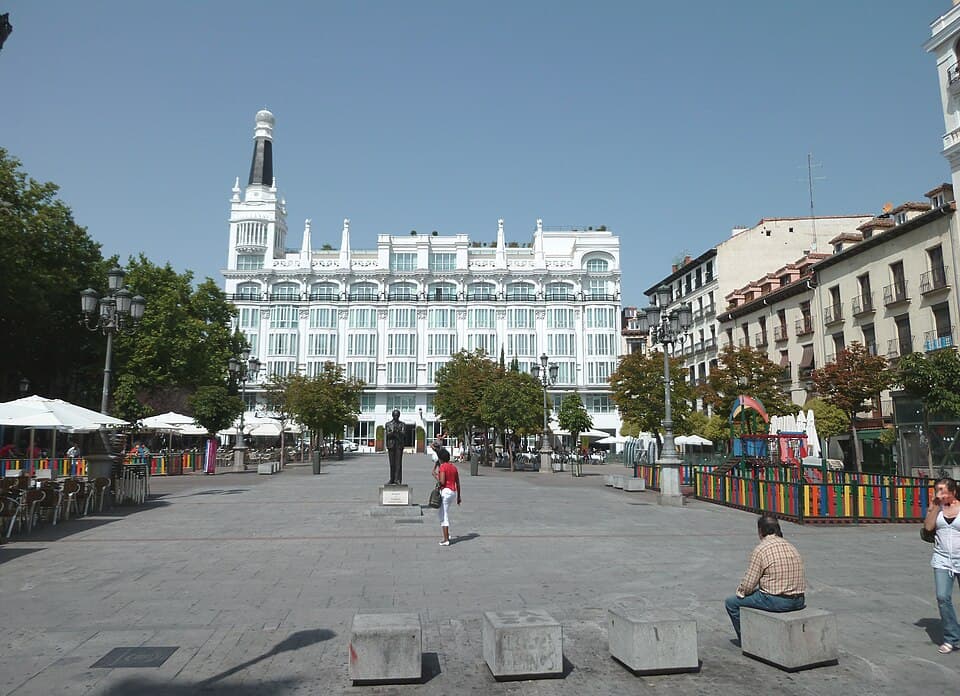
Plaza de Santa Ana
Civic heart framed by cathedral and City Hall
This stop introduces Plaza de Santa Ana as the main civic and symbolic square of Vegueta, framed by the cathedral on one side and the historic City Hall on the other. The guide should describe the planned, almost theatrical layout of the plaza, the symmetry of façades, and the famous bronze dogs that guard the steps. It should explain how this space hosted proclamations, processions, and public ceremonies, embodying the balance between municipal authority and religious power. An anecdote can mention how the dogs became beloved local mascots, often dressed or decorated by residents during festive periods, reflecting a playful relationship between citizens and their official monuments.
View Tour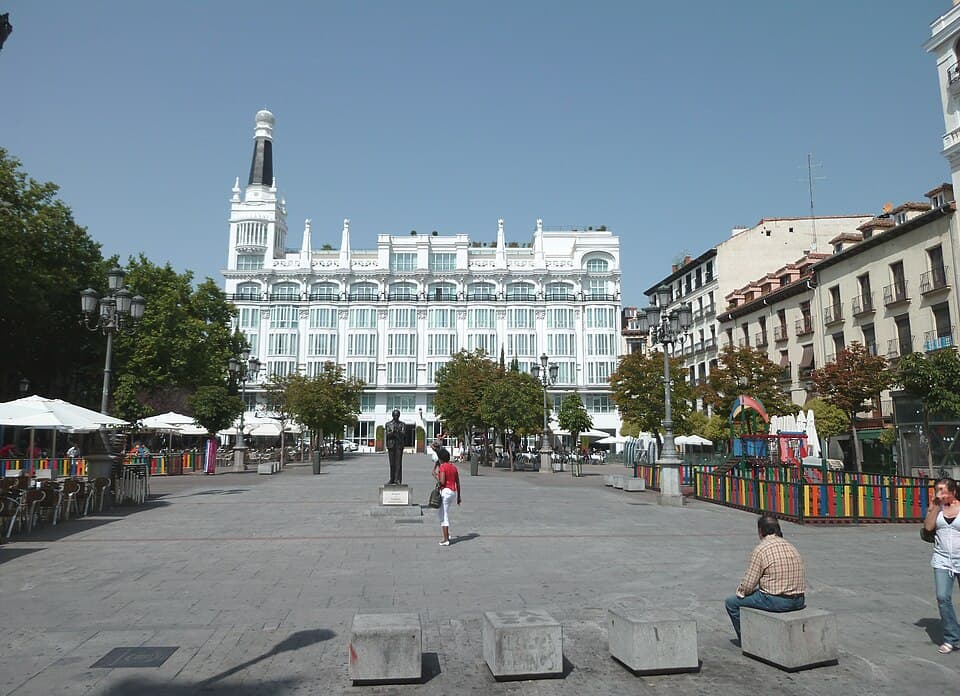
Plaza de Santa Ana
Cathedral square turns atmospheric at dusk
This stop presents Plaza de Santa Ana as the ceremonial heart of Vegueta, framed by the cathedral, town hall, and historic houses. The script should explain how this square reflects the early colonial origins of Las Palmas and its role as the civic and religious center. Architectural details like the cathedral façade, neoclassical public buildings, stone dogs, and surrounding balconies are important. Culturally, it sets the scene for evening life, when lights come on and people move between religious events, cafés, and bars nearby. A unique anecdote can focus on the local affection for the stone dog statues, and how they’ve quietly become informal meeting points and photo mascots for residents at night.
View Tour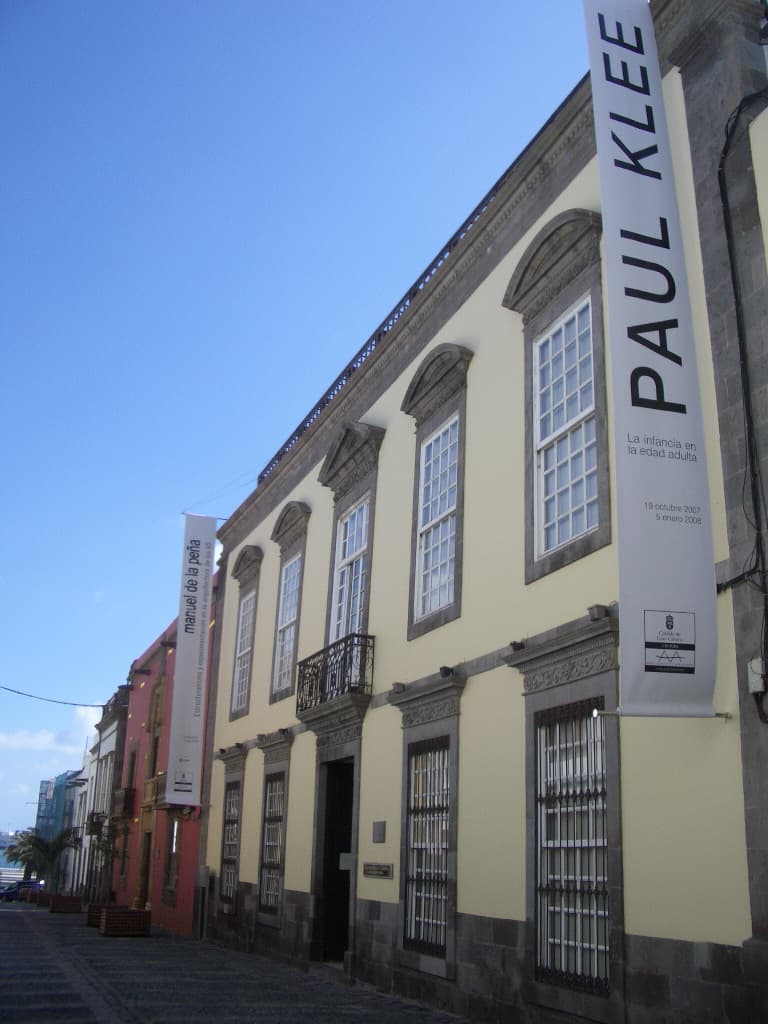
Centro Atlántico de Arte Moderno
Modern art hub in historic Vegueta streets
This stop introduces the Centro Atlántico de Arte Moderno (CAAM) as a key institution for contemporary and modern art in Las Palmas, housed within adapted historic buildings in Vegueta. The script should explain CAAM’s tricontinental focus, linking Europe, Africa and the Americas through exhibitions and collections. Architectural details of the restored facades and interior gallery spaces can illustrate how old urban fabric has been repurposed for new cultural uses. It should note how CAAM helped revitalize Vegueta in the late 20th century and mention a distinctive anecdote, such as a provocative exhibition that sparked local debate about public funding for avant‑garde art. The stop sets the tone of the tour as a journey through art, architecture, and urban change.
View TourMuseo Diocesano de Arte Sacro
Sacred art in the shadow of the Cathedral
This stop explores the Diocesan Museum of Sacred Art of Vegueta as a contrast to CAAM’s modernity, focusing on religious painting, sculpture, metalwork, and textiles connected to the nearby Cathedral of Santa Ana. The script should describe the historic rooms, carved wood, and stonework that frame the collection, stressing how these objects were made for devotion, processions, and liturgy rather than for galleries. It can explain the role of the Church and wealthy patrons in early Gran Canarian art, and how colonial trade routes influenced iconography and materials. A unique anecdote might involve a particular altarpiece or statue that survived a past conflict or natural disaster, becoming a focus of local gratitude and processions afterward. The stop should underscore shifts in patronage and meaning between sacred and modern art spaces.
View Tour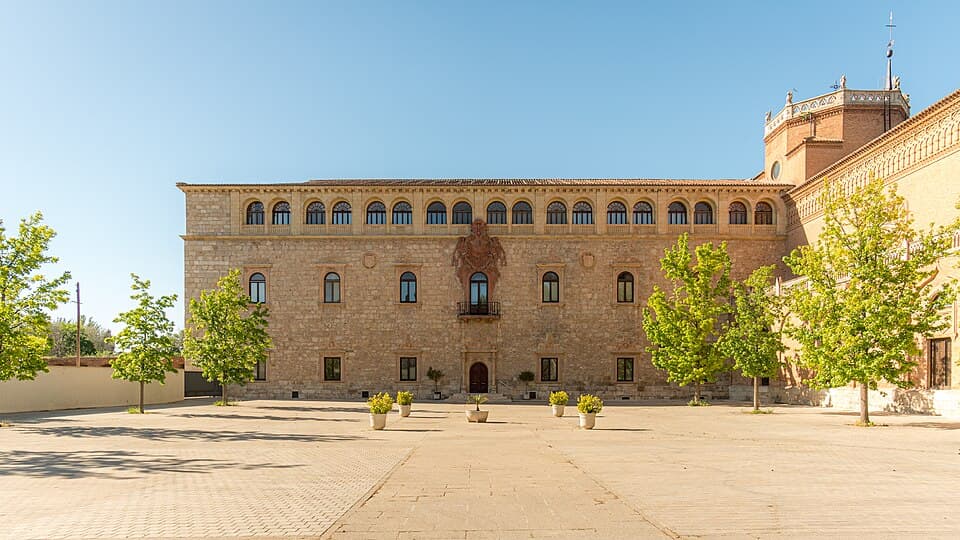
Palacio Episcopal Courtyard
Bishop’s residence and quiet inner courtyard
This stop shifts to the administrative and residential side of church power by focusing on the episcopal palace courtyard, when accessible. The narration should describe the contrast between the palace’s austere exterior and its more intimate, possibly arcaded, courtyard interior with stone, wood, and greenery. Historically, this space helps explain how bishops governed a vast Atlantic diocese from Las Palmas, receiving officials, clergy, and travelers. An anecdote could mention a particularly influential bishop who hosted visiting dignitaries or missionaries here before they sailed to the Americas. Another story might describe how, during a period of unrest or pirate threat, palace rooms doubled as emergency meeting spaces for civic and ecclesiastical leaders.
View Tour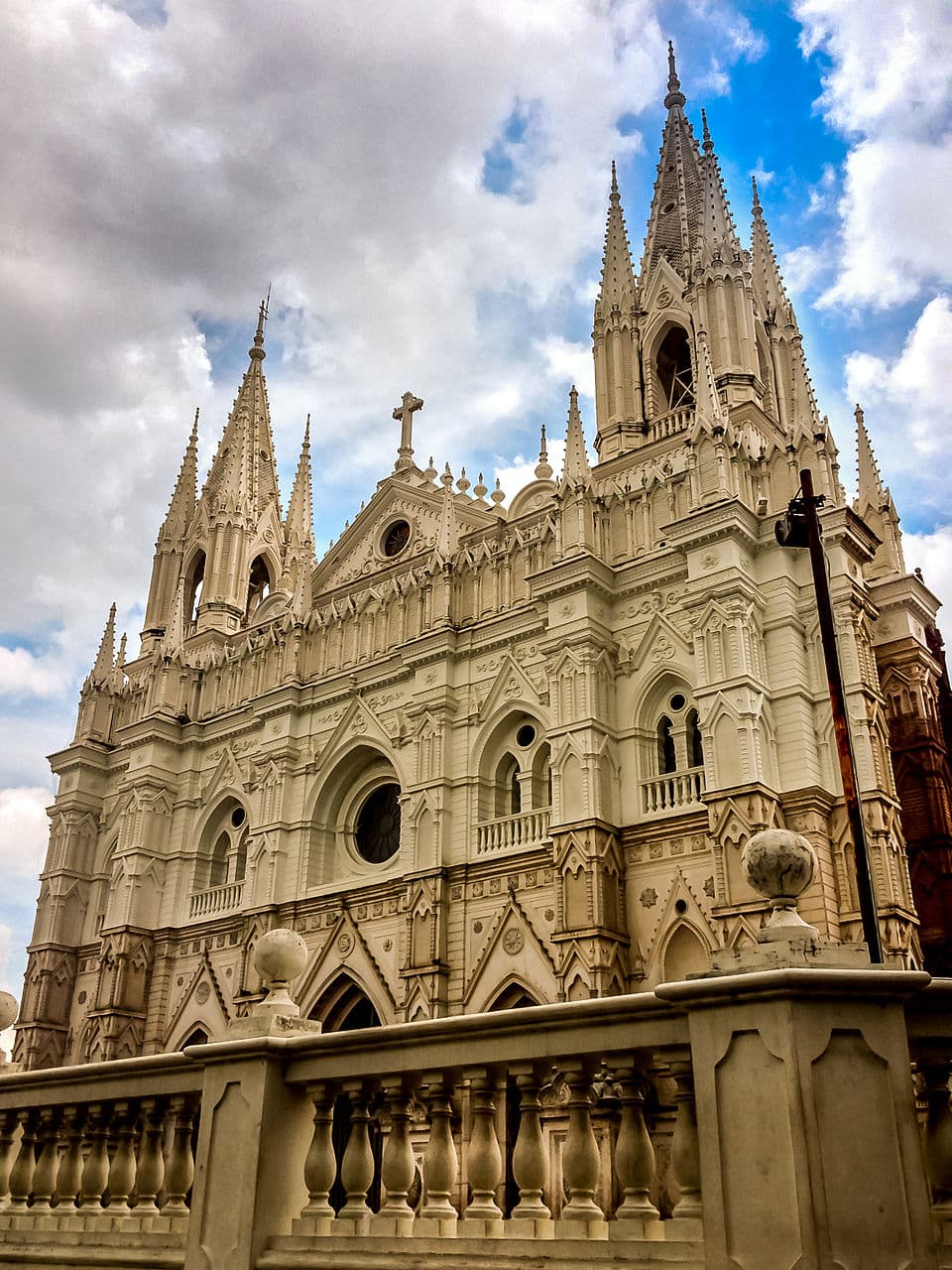
Catedral de Santa Ana
Island’s cathedral of stone, light, and views
This stop focuses on the interior and rooftop of Catedral de Santa Ana, emphasizing its layered construction over centuries and mix of Gothic, Renaissance, and later elements. The narration should highlight key interior features: high vaults, side chapels, altarpieces, and any notable artworks associated with the island’s religious life. On the rooftop, the guide should use the panoramic views to orient listeners over Vegueta, the port, and the broader city, connecting architecture to Las Palmas’ Atlantic role. An anecdote may recount how storms and funding delays repeatedly slowed construction, leaving visible contrasts between the more ornate and more austere parts of the façade and towers.
View Tour
Ermita de San Telmo
Seafarers’ chapel at the old city edge
This stop focuses on the Ermita de San Telmo as a small but significant chapel tied to sailors, maritime protection, and the city’s early expansion line. The narration should cover its origins as a hermitage outside the earliest urban core, its dedication to Saint Telmo as patron of seafarers, and its reconstruction after pirate attacks or storms, where historically appropriate. Architectural details like the simple façade, belfry, and interior altarpieces can contrast with the more ornate later buildings on the tour. An anecdote might tell of local seafarers or families coming here to give thanks after surviving Atlantic voyages, or of processions that once linked the chapel with the harbor. The stop should highlight religious and maritime roots before moving into the secular commercial world of Triana.
View Tour
Calle Mendizábal
Vegueta’s main nightlife and tapas street
This stop focuses on Calle Mendizábal as Vegueta’s central bar street, lined with old houses converted into lively tapas bars and terraces. The narration should highlight how traditional Canarian architecture, with stone doorways and wooden balconies, now hosts modern nightlife. It can explain tapas culture in the islands, including shared plates, local cheeses, and wines, and how evenings stretch late. A unique anecdote could mention how on certain evenings the street feels like a continuous open-air bar, with locals informally arranging tapeo routes from one favorite spot to the next, treating the street itself almost like a communal living room.
View TourFrequently Asked Questions
How do audio walking tours work in Las Palmas De Gran Canaria?
Our audio walking tours in Las Palmas De Gran Canaria are self-guided experiences that you can start anytime. Simply download the Roamway app, select a tour, and follow the GPS-guided route. The audio narration automatically plays as you approach each point of interest, allowing you to explore at your own pace.
Are self-guided tours better than guided tours?
Self-guided audio tours offer flexibility that traditional guided tours can't match. You can pause, rewind, or skip sections, explore at your own pace, and start whenever you're ready. Plus, our tours are available in multiple languages and work offline once downloaded.
Do I need an internet connection during the tour?
No! Once you've downloaded a tour in the Roamway app, it works completely offline. The GPS navigation and audio narration function without an internet connection, making it perfect for international travelers who want to avoid data charges.
How long do the audio tours take?
Tour durations vary, but most of our audio tours in Las Palmas De Gran Canaria range from 1 to 3 hours, depending on your pace and how much time you spend at each point of interest. You can complete them in one go or split them across multiple visits.
Ready to explore Las Palmas De Gran Canaria?
Download Roamway and start your audio-guided adventure today.