
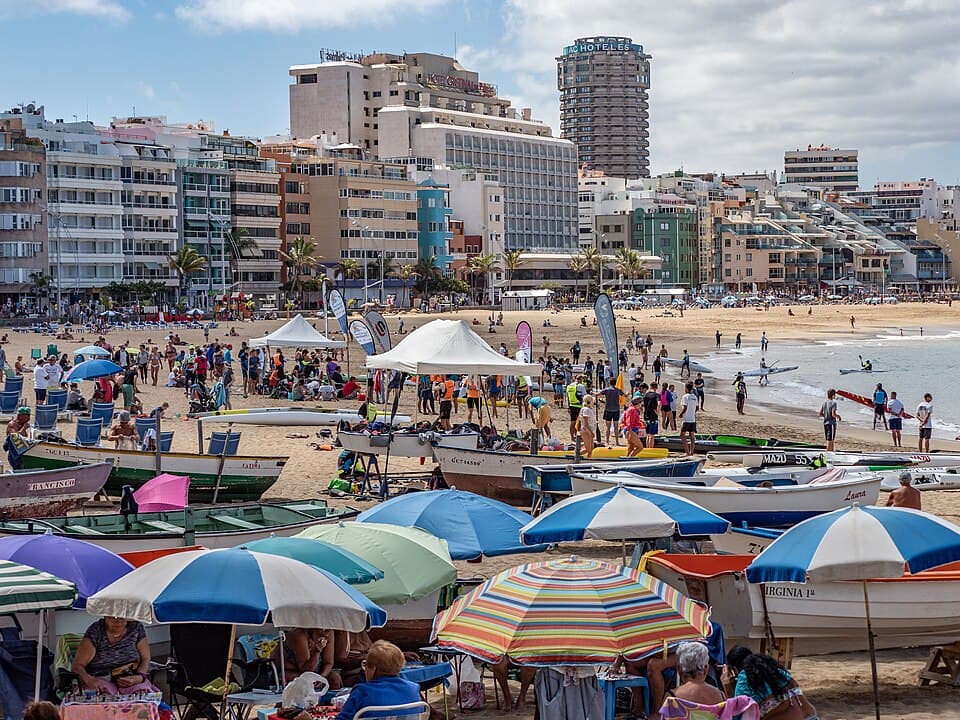
Las Palmas: Historic Churches of Vegueta and Triana
Las Palmas De Gran Canaria, España
Audio Preview
Listen to a sample of this audio tour to get a feel for the experience.
What You'll Experience
On this Las Palmas: Historic Churches of Vegueta and Triana audio tour in Las Palmas De Gran Canaria, you'll discover 9 carefully selected points of interest, each with its own story. The tour is designed to be completed at your own pace, with GPS navigation guiding you from one location to the next. As you approach each stop, the audio narration automatically begins, bringing history, culture, and local insights to life.
About This Tour
This tour explores historic churches and chapels in the Vegueta and Triana districts of Las Palmas de Gran Canaria. It includes cathedral chapels and a museum, convent churches, episcopal courtyards, and small hermitages. Themes include religious art, colonial-era architecture, urban development, and the role of monastic and parish life in the city’s history.
Points of Interest
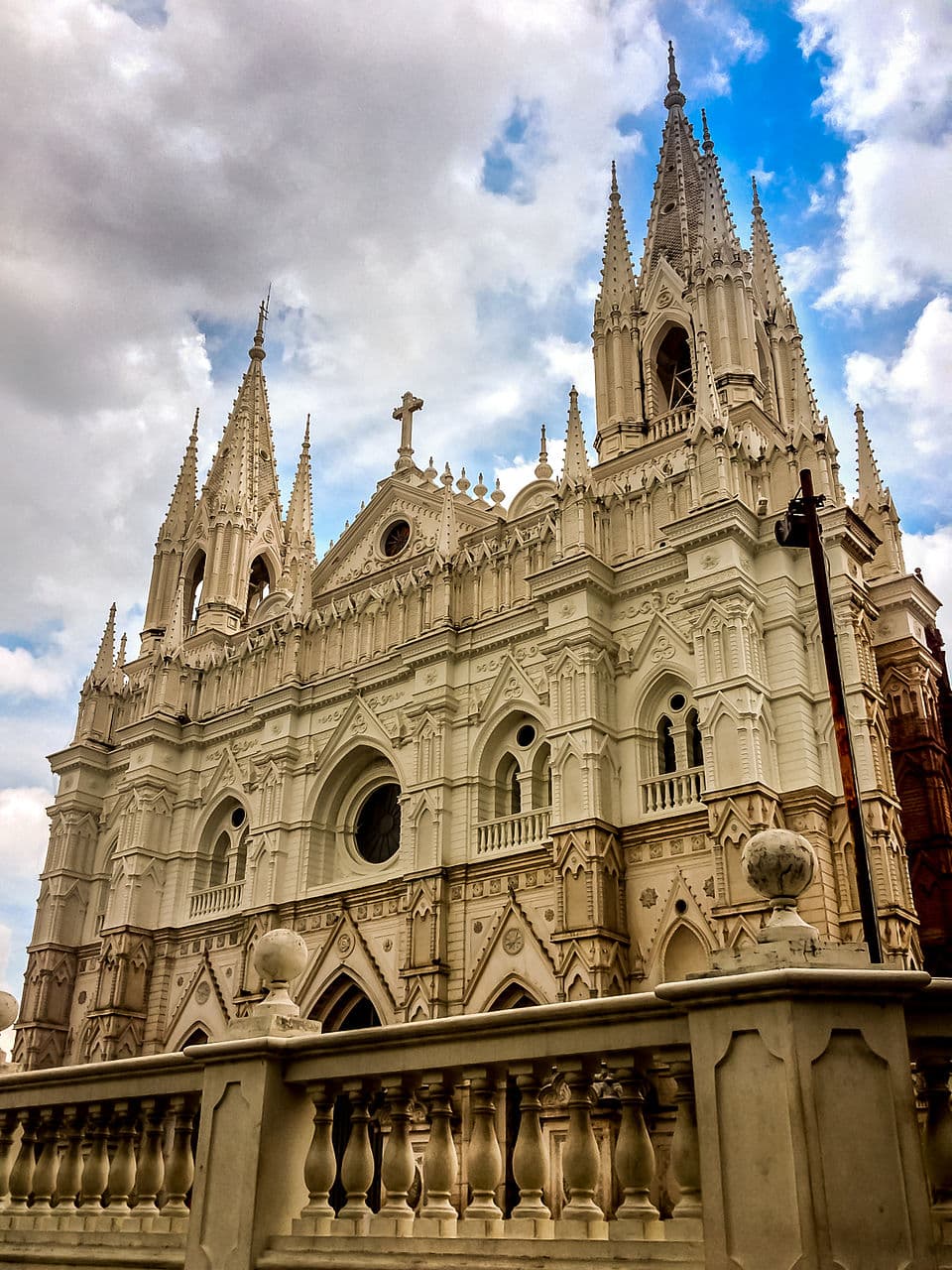
Catedral de Santa Ana
Cathedral chapels, museum, and episcopal power
This stop uses the cathedral interior to introduce the city’s origins, its role as an early Atlantic bishopric, and the layering of Gothic, Renaissance, and later styles. The narration should guide listeners through key chapels, highlighting notable altarpieces, sculptures, and funerary monuments, and then connect these to the nearby cathedral museum. The museum context allows exploration of colonial-era artworks, silver, and textiles that arrived via Atlantic trade routes. An anecdote can focus on how local guilds or confraternities sponsored specific chapels, or how a particular artwork survived raids or storms and became an object of special devotion. Another brief story might involve an important local bishop or canon whose decisions shaped both the diocese and the urban layout around the cathedral square.
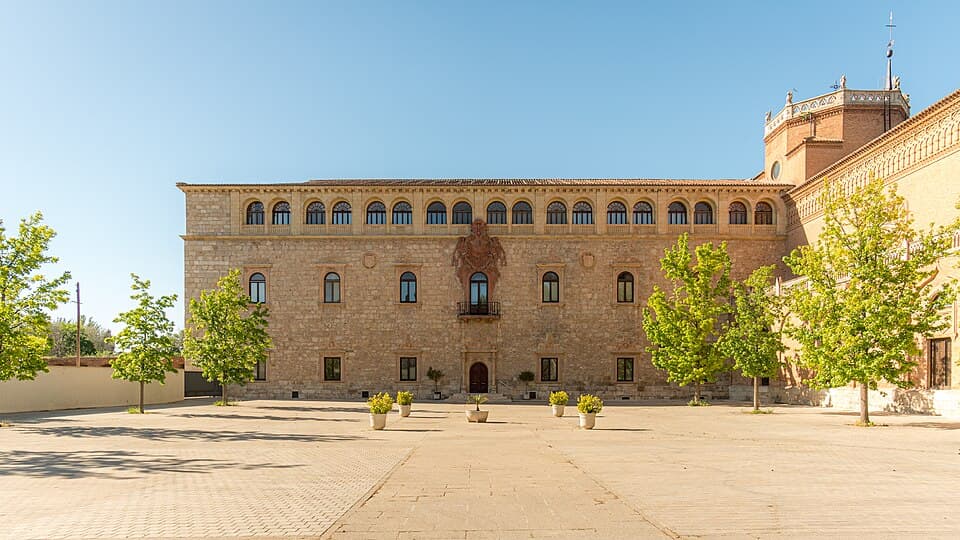
Palacio Episcopal Courtyard
Bishop’s residence and quiet inner courtyard
This stop shifts to the administrative and residential side of church power by focusing on the episcopal palace courtyard, when accessible. The narration should describe the contrast between the palace’s austere exterior and its more intimate, possibly arcaded, courtyard interior with stone, wood, and greenery. Historically, this space helps explain how bishops governed a vast Atlantic diocese from Las Palmas, receiving officials, clergy, and travelers. An anecdote could mention a particularly influential bishop who hosted visiting dignitaries or missionaries here before they sailed to the Americas. Another story might describe how, during a period of unrest or pirate threat, palace rooms doubled as emergency meeting spaces for civic and ecclesiastical leaders.
Ermita de San Antonio Abad
Early hermitage and town’s first parish memory
This stop uses the small hermitage to evoke Las Palmas’ earliest phases, when the town’s religious life centered on modest chapels rather than grand cathedrals. The narration should point out the simple exterior, stonework, and proportions, contrasting them with the cathedral’s scale and ornament. Historically, this site is tied to the earliest parish structures and to the memory of early settlers and soldiers. One anecdote can focus on a traditional association with an early explorer or notable visitor who is said to have prayed here before setting out across the Atlantic, while clarifying the legendary character of such claims. Another story might recall how local residents used the hermitage as a refuge or gathering place during storms or epidemics, illustrating its role in everyday community life.
Iglesia de San Francisco de Borja
Urban church of Jesuit-inspired devotion
This stop examines a more intimate urban church dedicated to San Francisco de Borja, connecting it to Jesuit or similar Counter-Reformation spirituality and education in the city. The narration should describe the façade, bell elements, and any visible stone or plaster decoration, plus, if open, interior altarpieces or side chapels with statues and paintings. Historically, the church can be tied to efforts to deepen catechesis and preaching in the growing town. An anecdote might recall a well-known local mission or preaching campaign based here that drew large crowds from Vegueta’s streets. Another story could describe how, after the expulsion or reorganization of certain religious orders, the church’s use changed hands, leaving behind symbols or emblems of its earlier custodians in carvings or coats of arms.
Plaza del Espíritu Santo
Historic square with chapel and fountain
This stop combines a small chapel dedicated to the Holy Spirit with the surrounding plaza, emphasizing the blend of civic and religious functions in Vegueta’s public spaces. The narration should describe the square’s paving, historic fountain, nearby houses with balconies, and the modest chapel façade. Historically, this area helps explain how processions, blessings, and local gatherings extended religious life beyond church walls. One anecdote might recall a traditional blessing of the waters or fields held at the fountain or chapel, before people headed to the surrounding countryside. Another story could focus on a particular neighborhood confraternity that used this square as a staging point for Holy Week or Corpus Christi celebrations, briefly painting a scene of music, banners, and candles filling the plaza.
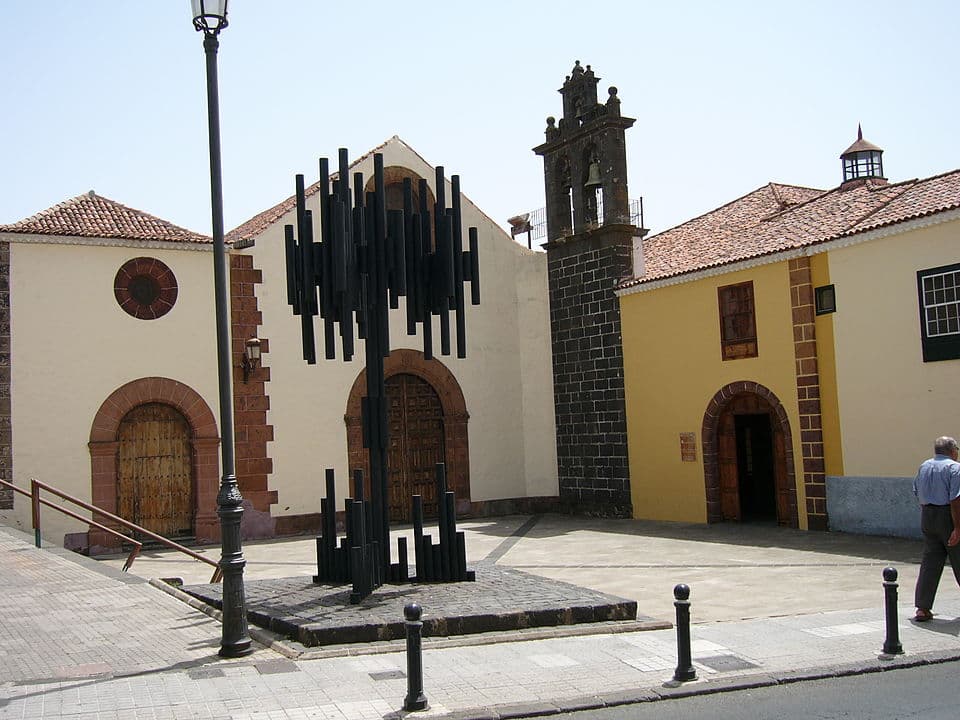
Iglesia de Santo Domingo de Guzmán
Dominican church and convent traditions
This stop highlights a church linked to Dominican presence in Vegueta, allowing discussion of preaching, teaching, and missionary activity across the Atlantic world. The narration should describe the church façade, tower or belfry, and, if possible, interior elements such as Baroque altarpieces, carved wooden ceilings, or side chapels dedicated to Marian devotions. Historically, this complex connects to Dominican scholarship and to the support they offered to sailors, migrants, and local laypeople. An anecdote may feature a popular local image or Virgin venerated here, whose feast day drew devotees from both Vegueta and nearby rural areas. Another story could recall how Dominican friars from this house were involved in debates over the treatment of Indigenous peoples in the Americas, illustrating the wider intellectual reach of this seemingly quiet church.
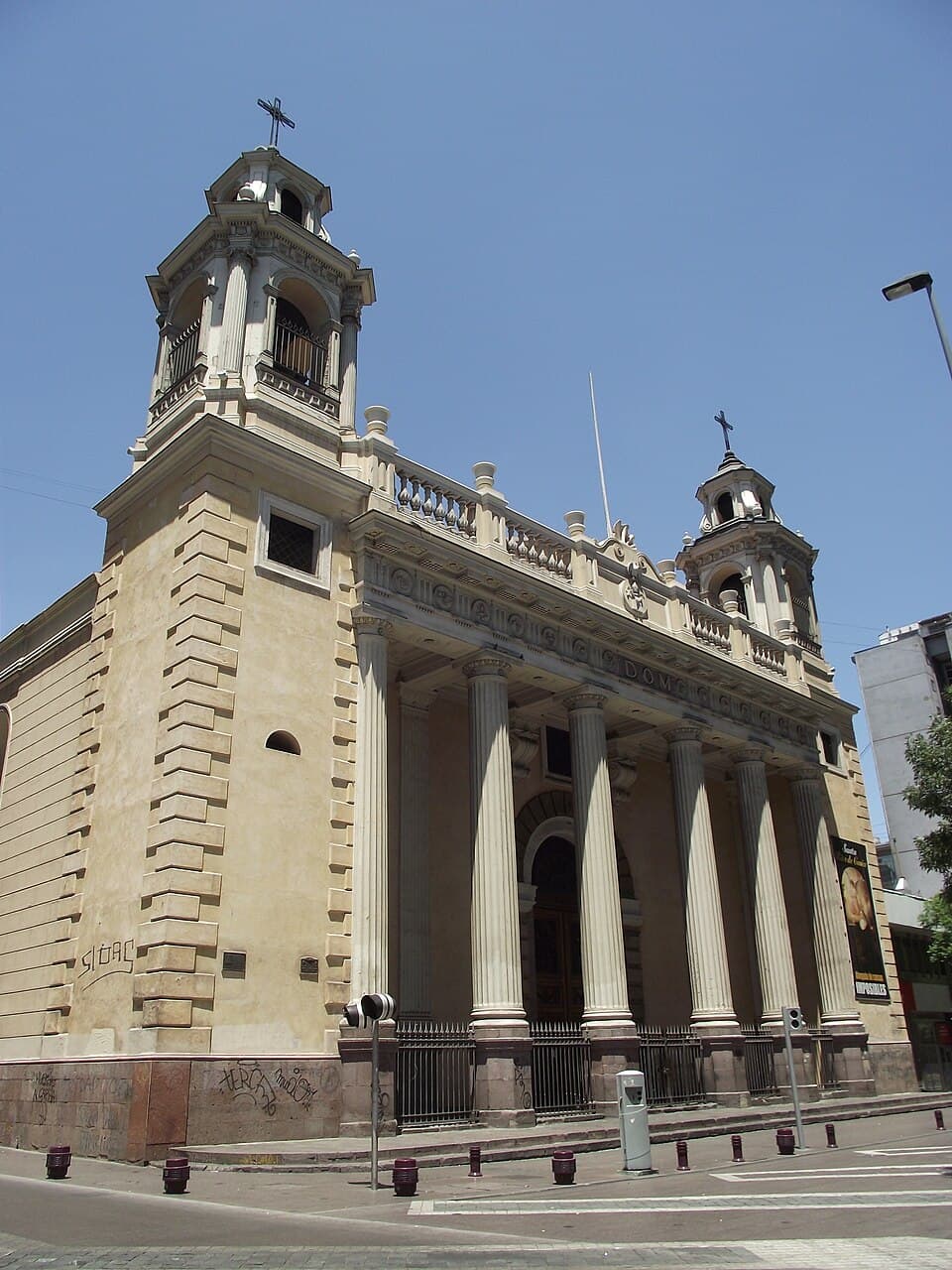
Iglesia de San Agustín
Former Augustinian convent in changing city context
This stop focuses on the exterior of San Agustín and the memory of its former convent complex, using it to explain how large monastic ensembles once dominated city blocks. The narration should describe the remaining church façade, nearby cloister traces or adapted buildings, and the way later urban uses have reshaped the area. Historically, Augustinian communities engaged in teaching and pastoral work, often running schools or libraries that influenced local elites. One anecdote could recall how parts of the convent were taken over for civic or educational purposes after secularization, changing how neighbors perceived the space. Another story might highlight a particular Augustinian friar known locally for scholarship or mediation in community conflicts, showing how these religious houses also acted as informal social arbiters.
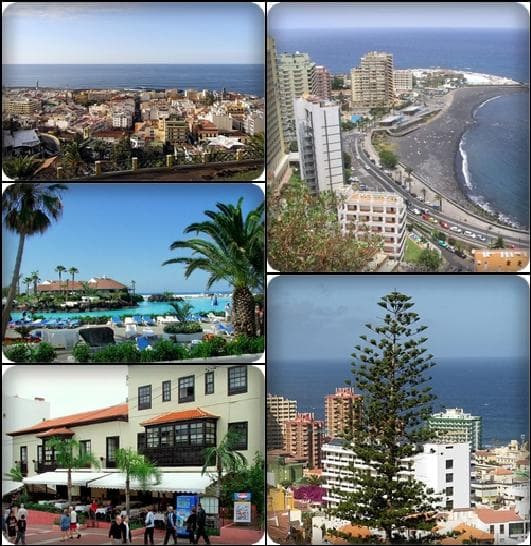
Ermita de San Telmo
Mariners’ chapel at the edge of Triana
This stop introduces the San Telmo hermitage as a maritime sanctuary closely tied to sailors, shipowners, and travelers leaving or arriving in Las Palmas. The narration should describe the chapel’s exterior, surrounding gardens or park area, and, if accessible, interior altarpieces featuring San Telmo or other seafaring saints. Historically, this hermitage marks the threshold between old Vegueta and the commercial district of Triana, as well as the city’s bond with the ocean. One anecdote might tell of sailors who promised offerings here in exchange for protection during Atlantic storms, later returning with ex-votos or model ships. Another story could mention how families once gathered here to watch departing vessels from a distance, using the hermitage as a place of both farewell and thanksgiving.
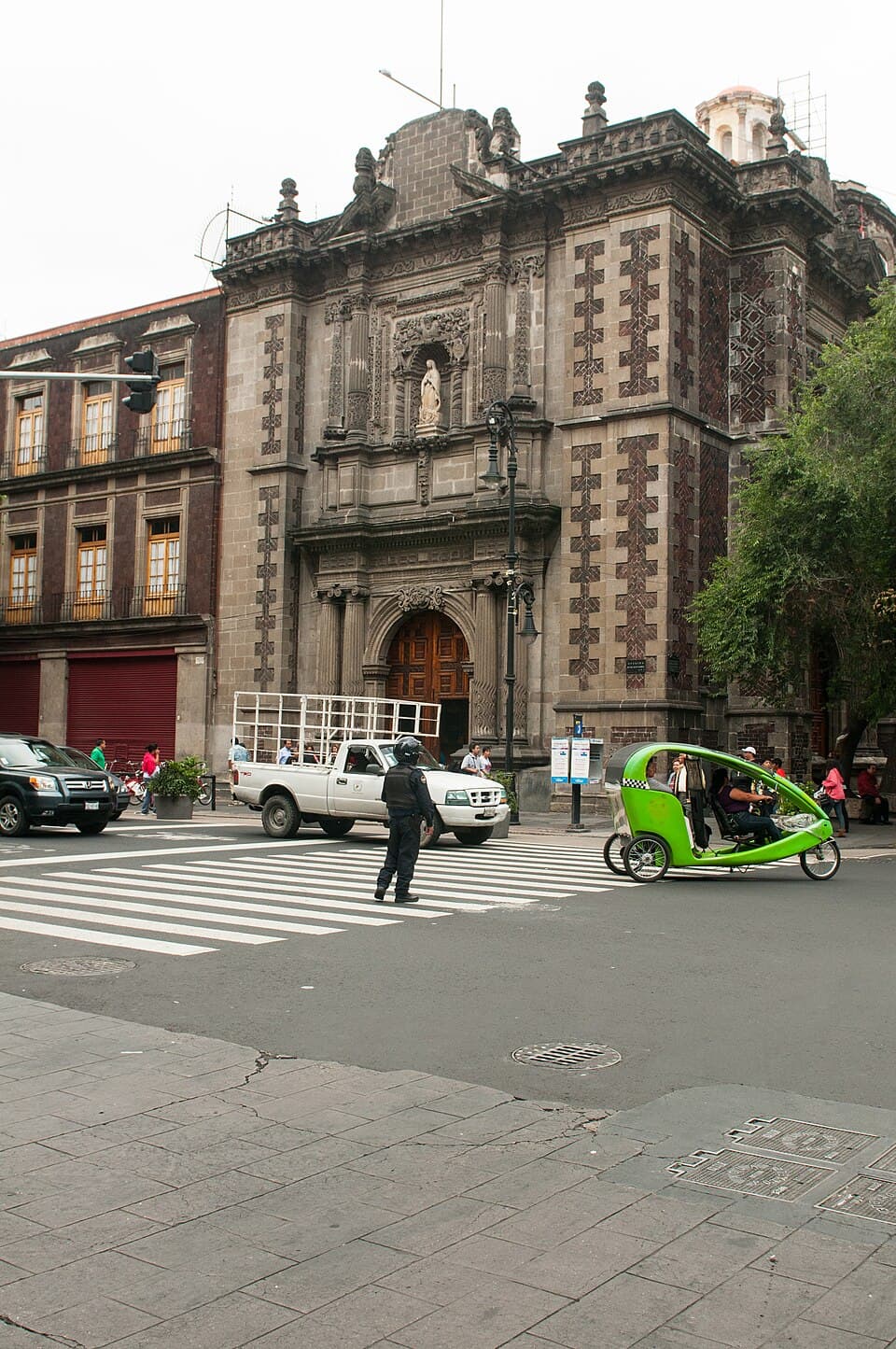
Iglesia de San Bernardo
Neighborhood church marking historic Triana growth
This final stop looks at San Bernardo as a modest but telling marker of Triana’s evolution from a riverside district into a dense commercial and residential area. The narration should describe the church’s exterior style, proportions, and any visible bell gable or simple ornamentation, emphasizing contrasts with Vegueta’s older churches. Historically, this parish expression reflects growing lay communities, merchants, and artisans who needed local worship spaces closer to home. An anecdote might recount how a particular local guild or trade group in Triana adopted San Bernardo as their patronal church, decorating it during feast days. Another story could describe how, during a period of urban expansion, residents organized collections and volunteer labor to repair or enlarge the building, reinforcing its role as a symbol of neighborhood solidarity.
Start This Tour
Download Roamway to experience this audio tour
Tour Details
Access
Free
Stops
9 points of interest
Languages
GermanEnglishSpanishFrench
More tours in Las Palmas De Gran Canaria
View all tours in Las Palmas De Gran CanariaOther tours you might enjoy:
Las Palmas: Vegueta History, Cathedral & Colonial Heritage
This tour explores the historic Vegueta quarter of Las Palmas de Gran Canaria, focusing on its main plazas, churches, and civic buildings. It covers sites such as Plaza de Santa Ana, Catedral de Santa Ana, Casa de Colón, and Museo Canario, highlighting urban development, colonial history, religious power, and traditional Canarian architecture.
Las Palmas: Vegueta to Triana Food and Bar Culture
This tour explores central Las Palmas de Gran Canaria from Vegueta’s historic produce market to the commercial and cultural district of Triana. It focuses on traditional markets, café terraces, and tapas and wine bar areas, highlighting local food habits, urban development, and the social role of plazas and streets in city life.
Las Palmas de Gran Canaria: Triana, San Telmo & Galdós
This tour explores the historic Triana district and the San Telmo area of Las Palmas de Gran Canaria, focusing on urban development from the 16th to 20th centuries. It includes parks, chapels, bridges, and cultural institutions while examining modernist, eclectic, and bourgeois architecture and the life and legacy of writer Benito Pérez Galdós.
Frequently Asked Questions
How do I start this audio tour?
Download the Roamway app, search for this tour, and tap 'Start Tour'. The app will guide you to the starting point using GPS. Once you're there, the audio narration begins automatically.
Do I need an internet connection?
No! Once you've downloaded the tour in the Roamway app, it works completely offline. The GPS navigation and audio narration function without an internet connection.
Can I pause and resume the tour?
Yes! You can pause the tour at any time and resume later. Your progress is automatically saved, so you can complete the tour over multiple sessions if needed.