
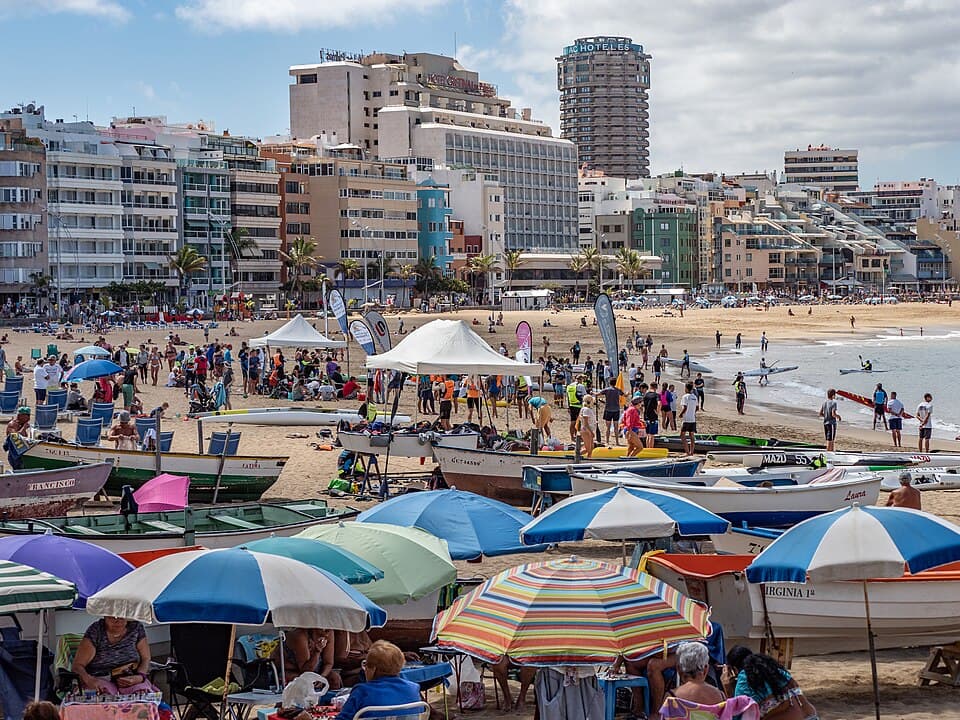
Las Palmas de Gran Canaria: Triana, San Telmo & Galdós
Las Palmas De Gran Canaria, España
Audio Preview
Listen to a sample of this audio tour to get a feel for the experience.
What You'll Experience
On this Las Palmas de Gran Canaria: Triana, San Telmo & Galdós audio tour in Las Palmas De Gran Canaria, you'll discover 9 carefully selected points of interest, each with its own story. The tour is designed to be completed at your own pace, with GPS navigation guiding you from one location to the next. As you approach each stop, the audio narration automatically begins, bringing history, culture, and local insights to life.
About This Tour
This tour explores the historic Triana district and the San Telmo area of Las Palmas de Gran Canaria, focusing on urban development from the 16th to 20th centuries. It includes parks, chapels, bridges, and cultural institutions while examining modernist, eclectic, and bourgeois architecture and the life and legacy of writer Benito Pérez Galdós.
Points of Interest
Parque de San Telmo
Modernist kiosk amid transport and leisure hub
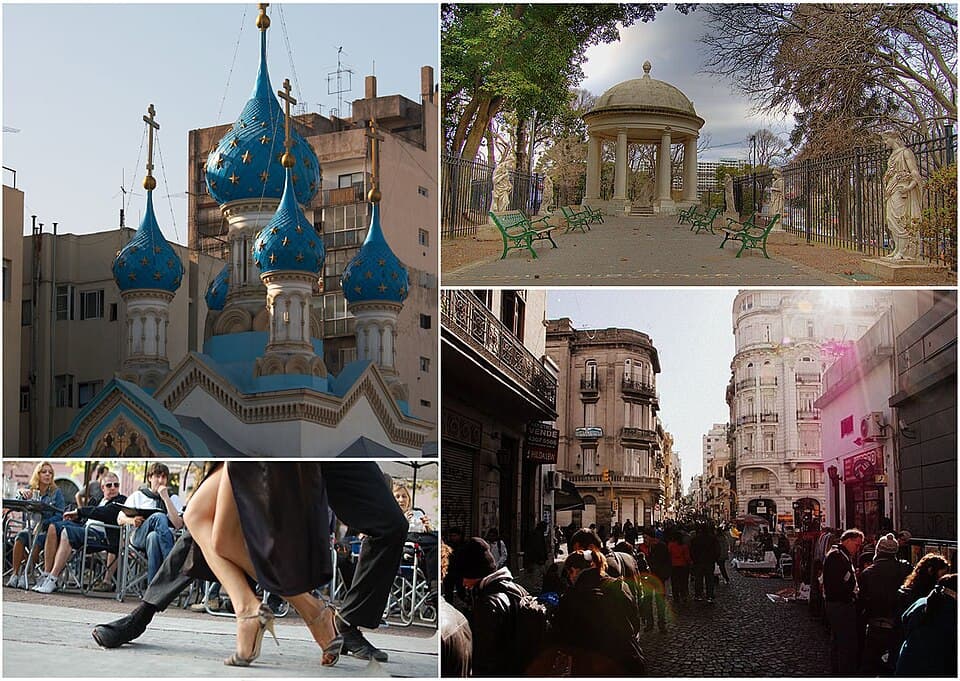
This stop introduces Parque de San Telmo as a threshold between the historic Vegueta area and the Triana district, combining greenery, transit, and leisure. The narration should focus on the park’s evolution from a defensive or edge zone into a landscaped public space with a central transport interchange. The Kiosco Modernista should be described in detail: its ornate ironwork, colored glass, and role as a bandstand and social focal point in the early 20th century. An anecdote can explain how the kiosk once hosted open‑air concerts that drew together different social classes, or how it served as a landmark meeting point for travelers arriving by coach or early buses. The stop should set up core tour themes: modernization, bourgeois public life, and movement between old and new city sectors.
Ermita de San Telmo
Seafarers’ chapel at the old city edge
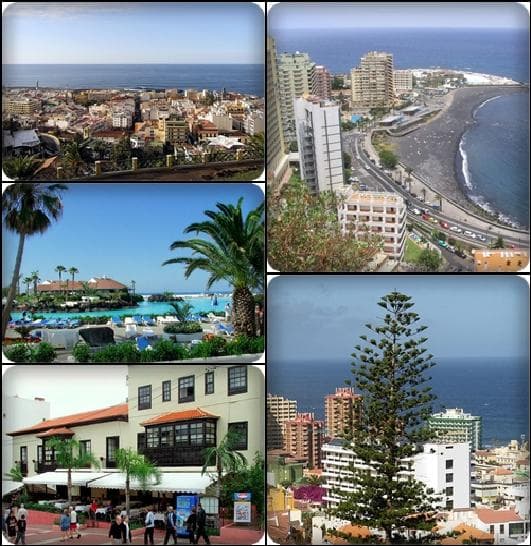
This stop focuses on the Ermita de San Telmo as a small but significant chapel tied to sailors, maritime protection, and the city’s early expansion line. The narration should cover its origins as a hermitage outside the earliest urban core, its dedication to Saint Telmo as patron of seafarers, and its reconstruction after pirate attacks or storms, where historically appropriate. Architectural details like the simple façade, belfry, and interior altarpieces can contrast with the more ornate later buildings on the tour. An anecdote might tell of local seafarers or families coming here to give thanks after surviving Atlantic voyages, or of processions that once linked the chapel with the harbor. The stop should highlight religious and maritime roots before moving into the secular commercial world of Triana.
Calle Mayor de Triana
Bourgeois high street of eclectic facades
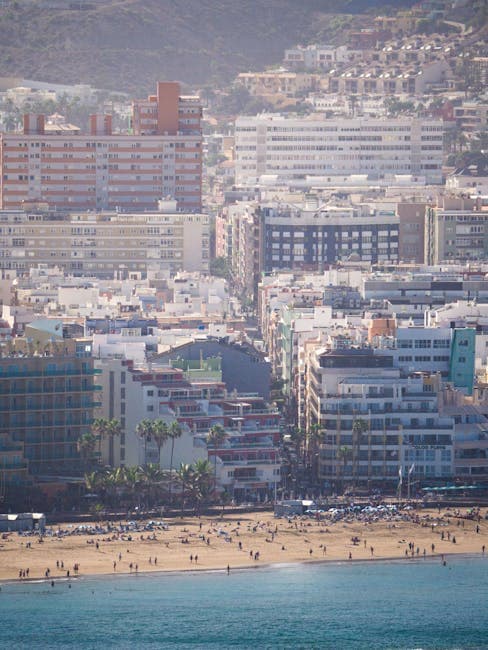
This stop introduces Calle Mayor de Triana as the main commercial artery and bourgeois promenade of Las Palmas de Gran Canaria. The narration should outline its growth between the 19th and early 20th centuries, linked to trade, banking, and middle‑class housing. Architecturally, it should highlight the mix of eclectic, modernist, and neoclassical facades, with wrought‑iron balconies, decorative cornices, and shopfronts at street level. An anecdote might describe Sunday evening paseo traditions, when families would walk up and down Triana in their best clothes, or mention a historic café or shop that became a favored gathering place for merchants and professionals. This stop should establish Triana as the stage on which much of the city’s urban and social modernization played out.
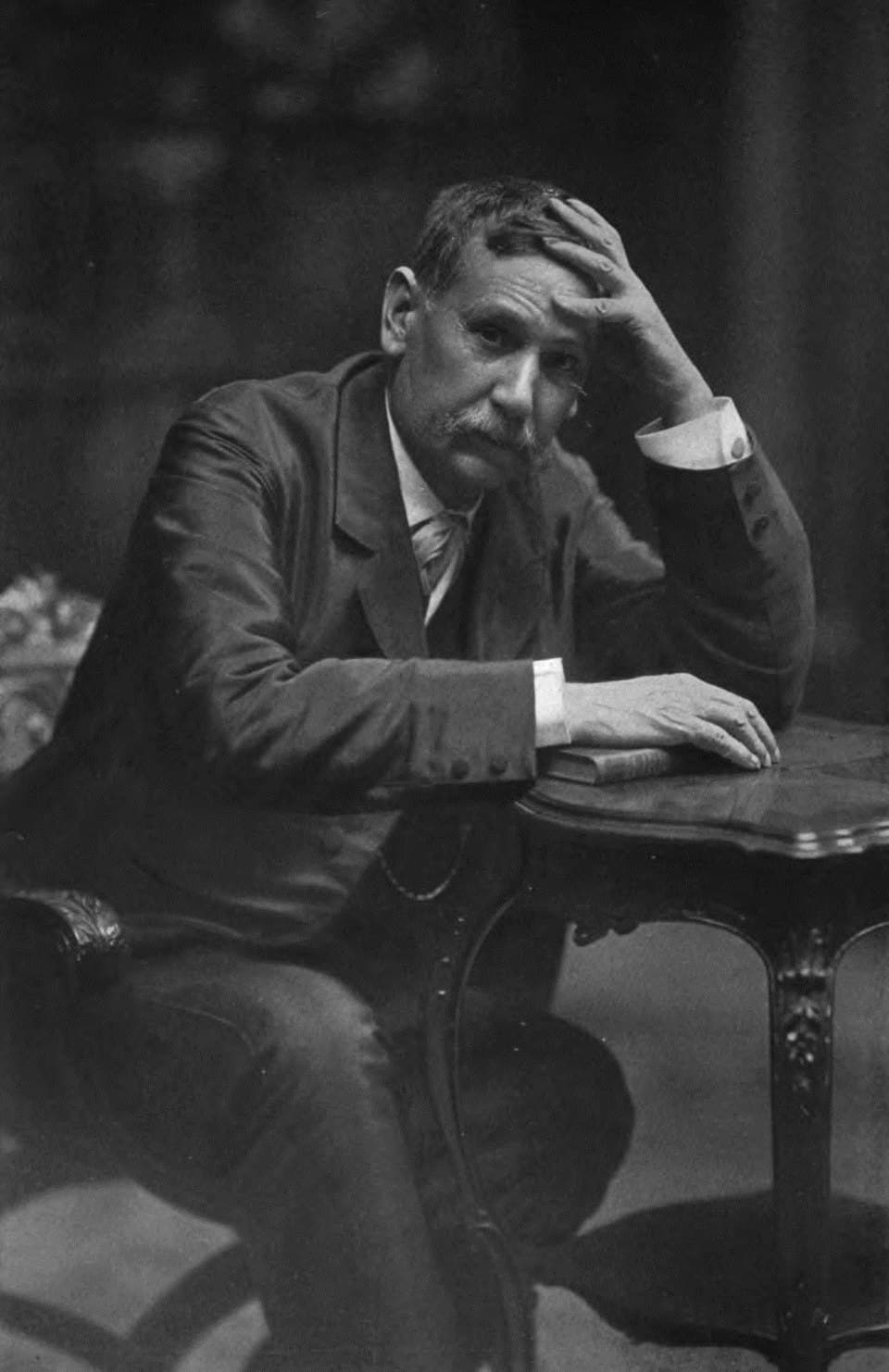
Casa Museo Pérez Galdós
Birthplace and home of famed realist novelist
This stop centers on Casa Museo Pérez Galdós as both a preserved 19th‑century bourgeois house and the birthplace of novelist Benito Pérez Galdós. The narration should sketch Galdós’s early life in Las Palmas, his later move to Madrid, and his role in Spanish realist literature, avoiding overly detailed literary analysis. The building’s layout, interior patio, and period furnishings should be described as examples of comfortable middle‑class domestic architecture. An anecdote might mention how young Galdós is said to have observed street life from these windows, later transforming such scenes into literary material, or how some original family belongings were recovered and returned to the house when it became a museum. This stop should connect personal biography with the broader urban and social context already introduced in Triana.
Plaza Hurtado de Mendoza
Triana’s civic square and social crossroads
This stop presents Plaza Hurtado de Mendoza as a central civic and social space in the Triana district, closely associated with nearby cultural institutions. The narration should explain the square’s role as a meeting point between commercial Triana, the Gabinete Literario, and surrounding residential streets. Visually, listeners should be guided to notice the proportions of the square, its paving, benches, and the framing facades that give it an almost theatrical quality. An anecdote might recall how the square has hosted civic gatherings or open‑air events, or how older residents remember children playing here while adults discussed politics or literature at nearby café terraces. This stop should emphasize the square as an everyday stage that ties together bourgeois life, culture, and public space.
Gabinete Literario
Elegant cultural club of Triana’s bourgeoisie
This stop focuses on the Gabinete Literario as an emblematic cultural and social club that reflects Triana’s 19th‑ and early 20th‑century elites. The narration should trace its origins as a literary and social association, its role in hosting readings, concerts, and balls, and its architectural evolution into an eclectic, ornate landmark on the square. If accessible, the lobby’s interior staircase, decorative ceilings, and chandeliers should be described as an example of bourgeois taste. An anecdote could recall a notable literary event or public dance held here, or mention how membership once conferred social prestige and access to a library and reading rooms. The stop should highlight the Gabinete as a bridge between civic life, culture, and the formalization of a cultured middle class in Las Palmas.
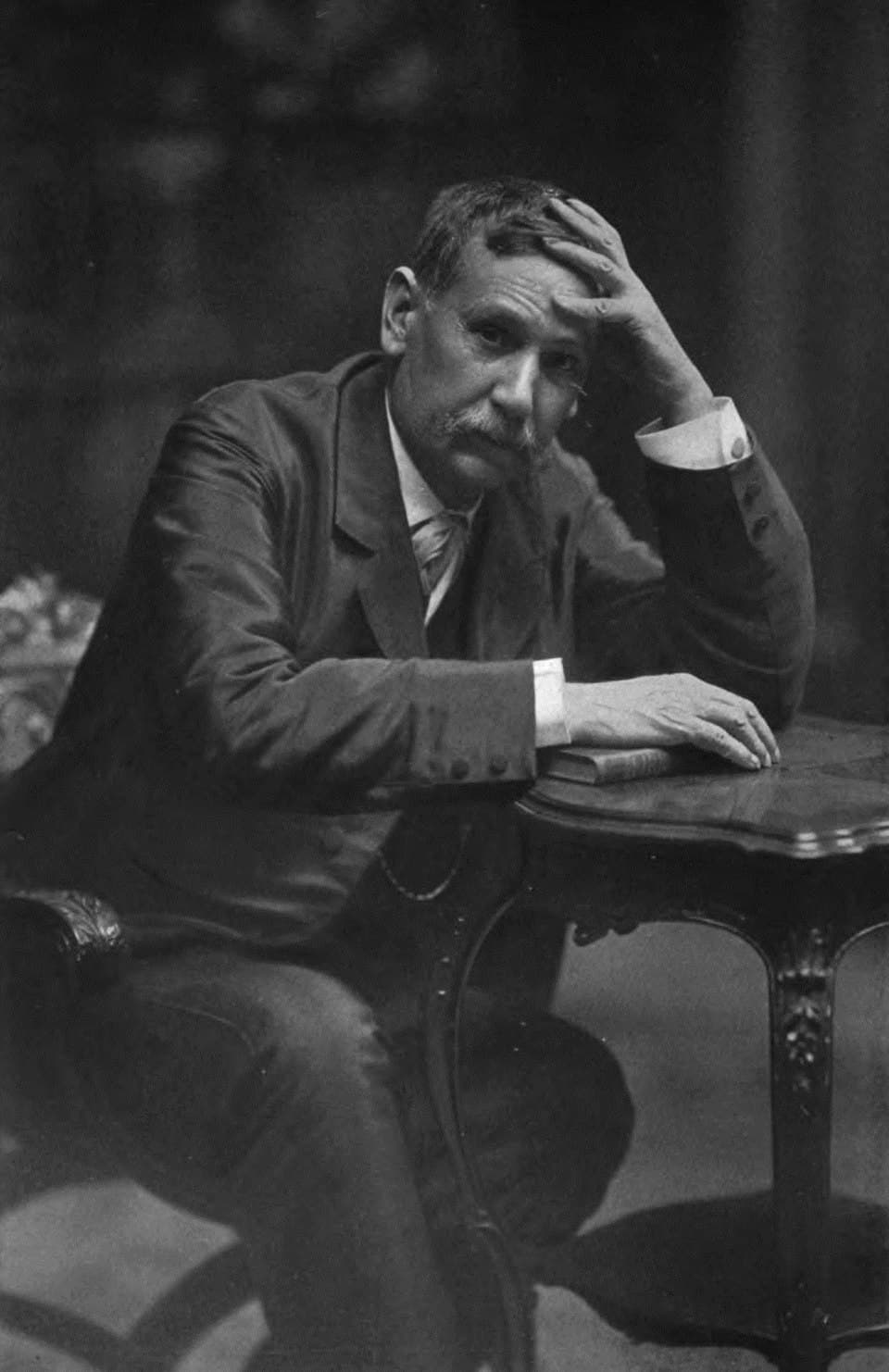
Teatro Pérez Galdós
City theater honoring its realist novelist
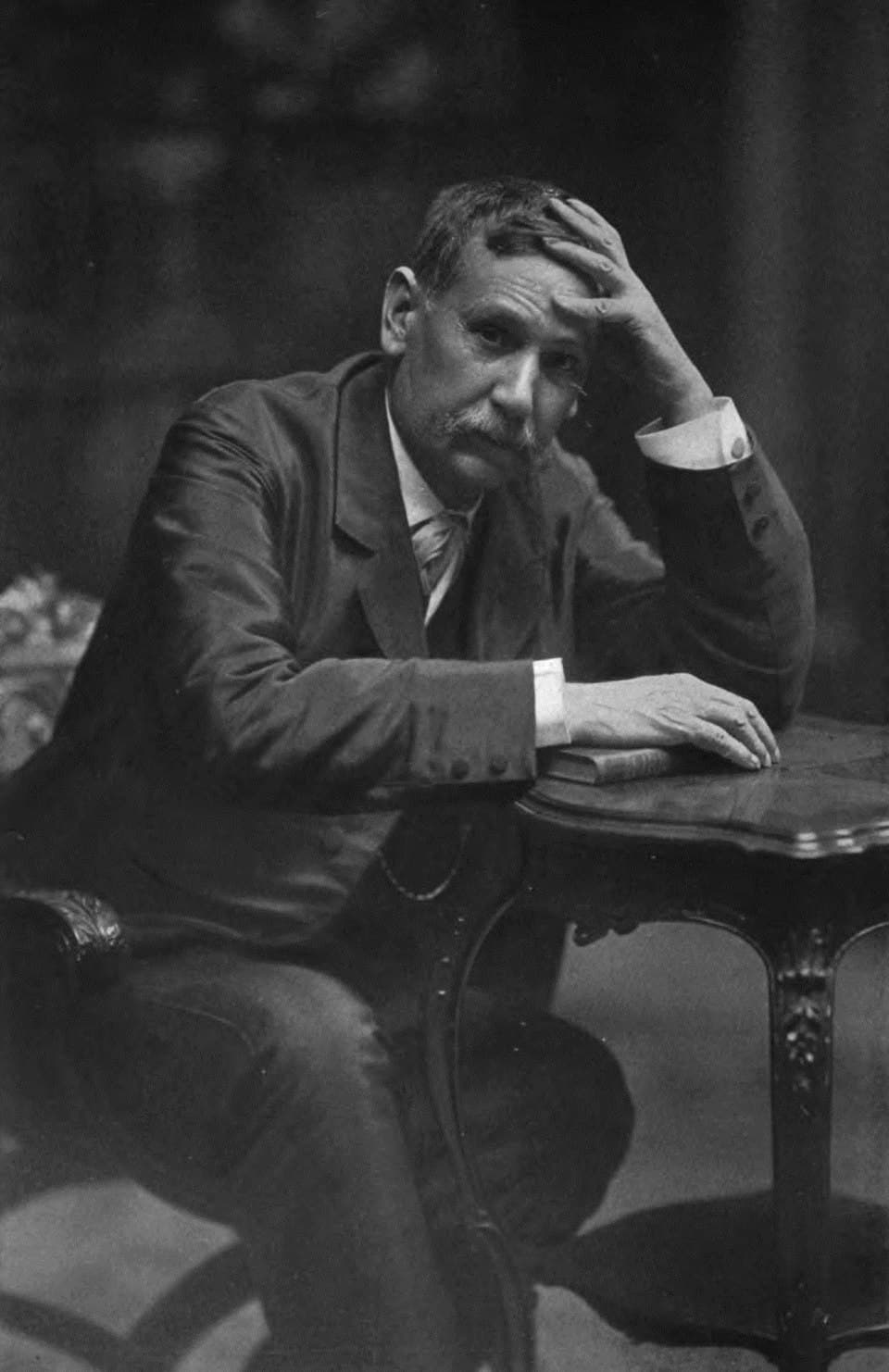
This stop presents Teatro Pérez Galdós and the nearby statue as symbols of Las Palmas’s cultural ambitions and its later veneration of Galdós. The narration should outline the theater’s origins, its architectural style, and its role as a venue for opera, plays, and public ceremonies. The Pérez Galdós statue outside offers a chance to discuss how the writer, once a local boy from Triana, became a national literary figure worthy of monumentalization. An anecdote might mention a notable premiere or performance held here, or describe how locals use the theater steps and statue area as an informal meeting point before shows or demonstrations. This stop should connect cultural infrastructure, public memory, and the city’s identity.
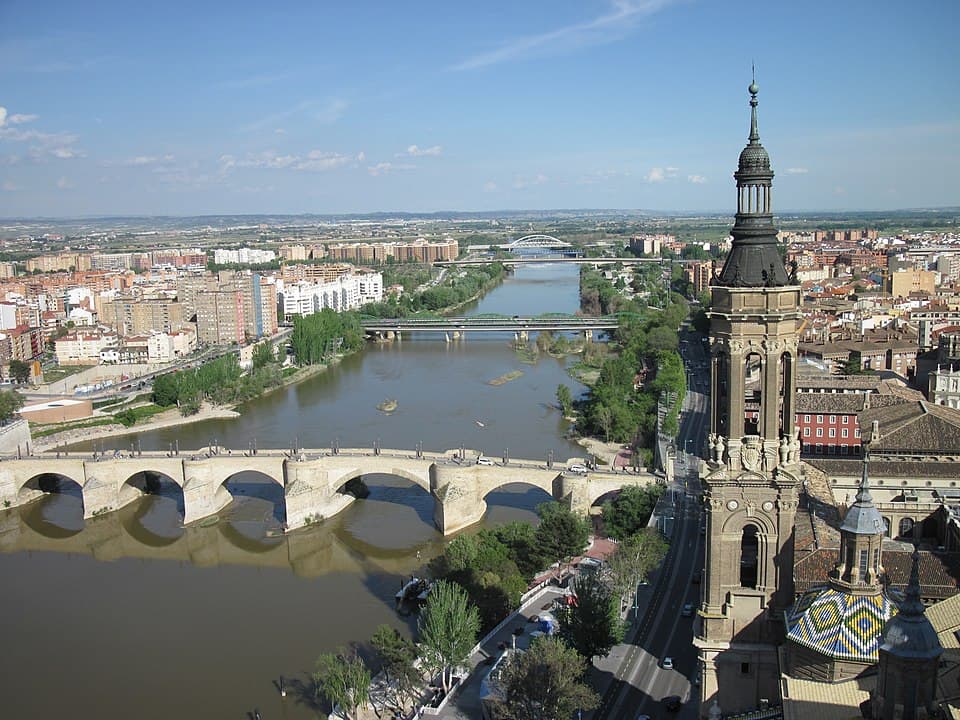
Puente de Piedra
Historic stone bridge over the old ravine
This stop uses Puente de Piedra as a vantage point to discuss infrastructure, expansion, and the geography that once separated urban sectors. The narration should explain how this stone bridge helped connect Triana and nearby areas across a ravine or watercourse, marking a shift from a fragmented landscape to a more continuous city. Architecturally, it should note the stone construction, arches, and alignment with surrounding streets. An anecdote might recall how travelers once paused here to glimpse both the bustling town and the harbor area, or how floods historically affected crossings before more permanent bridges were built. This stop should emphasize literal and symbolic connections between old and new parts of Las Palmas.
Calle Cano
Quieter side street of culture and residence
This final stop explores Calle Cano and its adjacent side streets as a more intimate counterpart to Calle Mayor de Triana. The narration should highlight its mix of residential buildings, small shops, and cultural venues, including book‑related or artistic spaces where relevant. Architecturally, it can point out preserved bourgeois houses, quieter facades, and how side streets reveal the grid behind the main commercial front. An anecdote might mention how some contemporary literary or cultural initiatives have chosen these calmer streets as their base, or how residents describe the contrast between the bustle of Triana and the slower pace of Calle Cano. This stop should wrap up the tour by reflecting on continuity between past and present urban life and the enduring influence of Triana’s built fabric.
Start This Tour
Download Roamway to experience this audio tour
Tour Details
Access
Free
Stops
9 points of interest
Languages
GermanEnglishSpanishFrench
More tours in Las Palmas De Gran Canaria
View all tours in Las Palmas De Gran CanariaOther tours you might enjoy:
Las Palmas: Vegueta History, Cathedral & Colonial Heritage
This tour explores the historic Vegueta quarter of Las Palmas de Gran Canaria, focusing on its main plazas, churches, and civic buildings. It covers sites such as Plaza de Santa Ana, Catedral de Santa Ana, Casa de Colón, and Museo Canario, highlighting urban development, colonial history, religious power, and traditional Canarian architecture.
Las Palmas: Vegueta to Triana Food and Bar Culture
This tour explores central Las Palmas de Gran Canaria from Vegueta’s historic produce market to the commercial and cultural district of Triana. It focuses on traditional markets, café terraces, and tapas and wine bar areas, highlighting local food habits, urban development, and the social role of plazas and streets in city life.
Las Palmas: La Isleta, Port History & Las Canteras
This coastal tour in Las Palmas de Gran Canaria follows the waterfront from the sports marina and commercial port to the full length of Las Canteras Beach and La Isleta. It covers viewpoints, urban parks, and promenades while explaining port development, defensive history, local marine life, and the city’s modern seaside culture.
Frequently Asked Questions
How do I start this audio tour?
Download the Roamway app, search for this tour, and tap 'Start Tour'. The app will guide you to the starting point using GPS. Once you're there, the audio narration begins automatically.
Do I need an internet connection?
No! Once you've downloaded the tour in the Roamway app, it works completely offline. The GPS navigation and audio narration function without an internet connection.
Can I pause and resume the tour?
Yes! You can pause the tour at any time and resume later. Your progress is automatically saved, so you can complete the tour over multiple sessions if needed.