
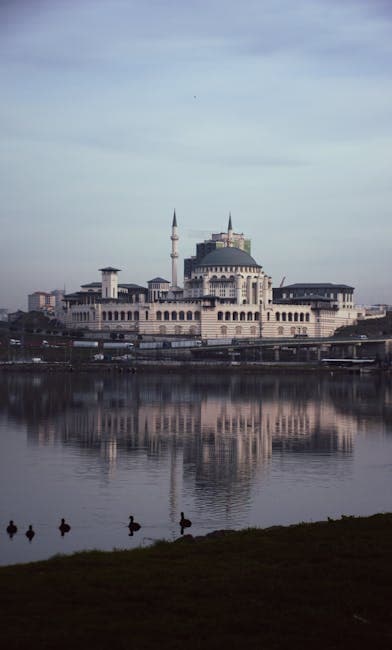
Audiotours in İstanbul — Explore at your own pace
Istambul, Turkey is a legendary crossroads between Europe and Asia, where Byzantine churches, Ottoman mosques, bustling bazaars, and waterfront promenades sit side by side. Our self-guided audio tours let you wander through historic districts, imperial skylines, and lively neighborhoods with stories in your ear whenever you’re ready. Explore at your own pace with flexible, GPS-based audio that fits perfectly around your schedule.
Free Tours
6 tours available
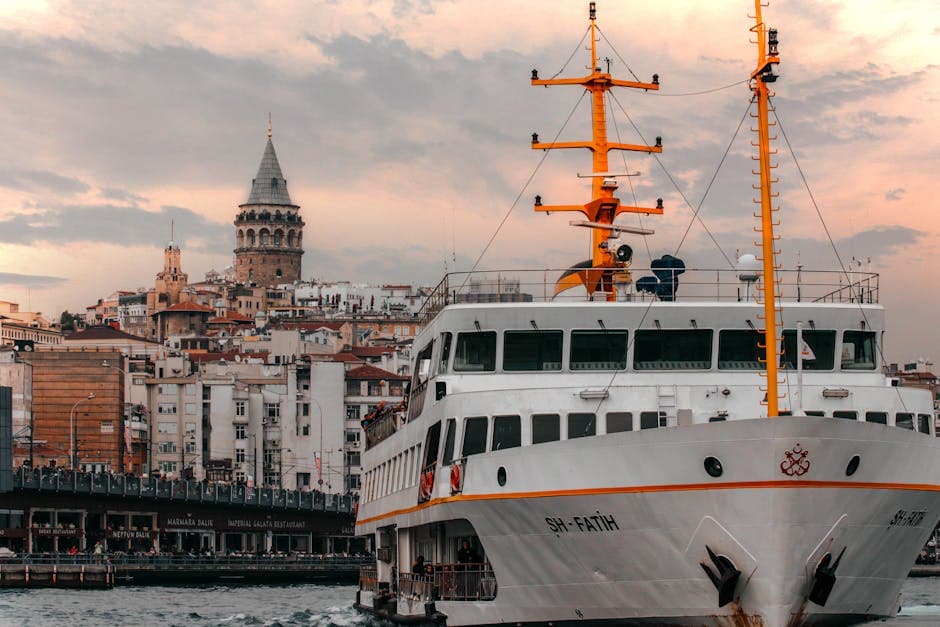
Istanbul: Sultanahmet to Galata Bridge Historic Highlights
This tour explores Istanbul’s historic peninsula from Sultanahmet Square to the Galata Bridge, passing major Byzantine and Ottoman landmarks. It includes mosques, cisterns, bazaars, fountains, and monuments such as Hagia Sophia, the Blue Mosque, the Grand Bazaar, and Süleymaniye Mosque, with context on religion, imperial power, daily life, and urban development.
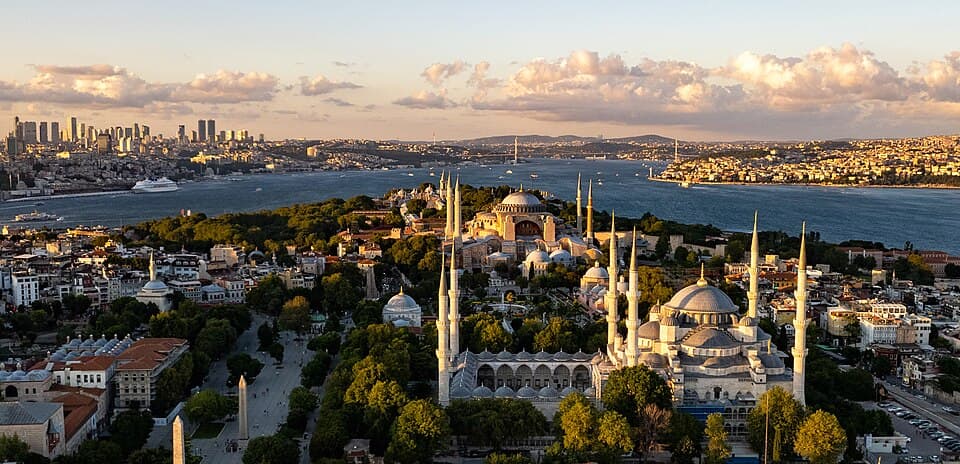
Istanbul: Street Food, Bazaars and Neighborhood Cafés
This tour explores central Istanbul from Eminönü to Karaköy and Cihangir through its street food, historic markets, and café culture. It includes the Egyptian Spice Bazaar, Tahtakale backstreets, Galata Bridge, and waterfront meyhanes, highlighting local snacks, Ottoman-era commerce, neighborhood life, and evolving coffeehouse traditions.
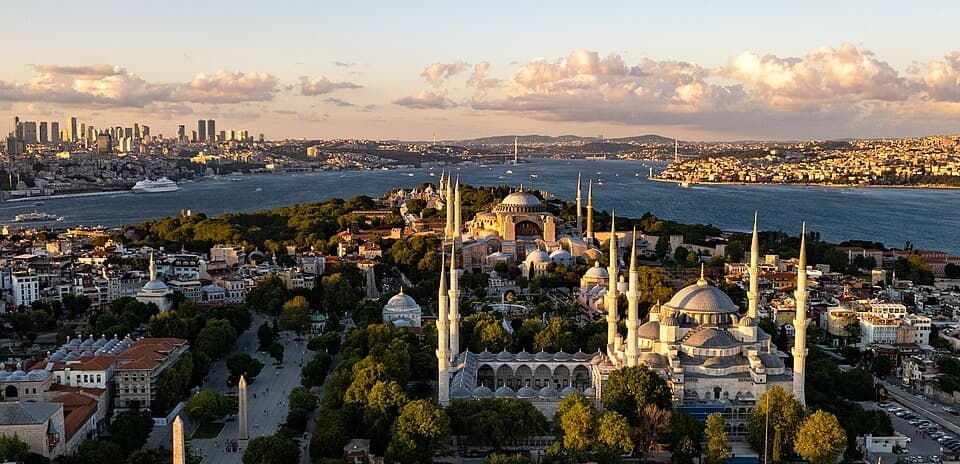
Istanbul: Imperial Mosques, Aqueducts and Skyline Views
This tour explores Istanbul’s historic peninsula from Süleymaniye to the Galata Bridge, focusing on Ottoman imperial mosque complexes and earlier Byzantine layers. It includes major külliyes, madrasas, tombs, and aqueducts, highlighting shifts from classical Ottoman to baroque architecture, urban planning, and the city’s changing skyline and religious landscape.
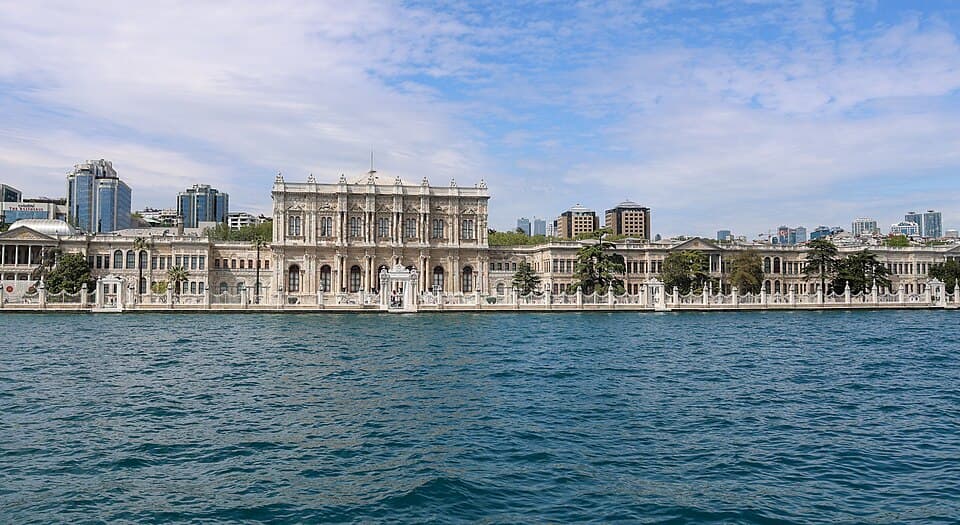
Istanbul Bosphorus: Palaces, Mosques and Waterfront Life
This tour follows the European shore of the Bosphorus from Kabataş to Kuruçeşme, focusing on imperial palaces, mosques, and modern city life. It covers Dolmabahçe and Çırağan Palaces, Beşiktaş and Ortaköy squares, parks, and bridge viewpoints, with attention to Ottoman architecture, maritime history, and contemporary waterfront culture.
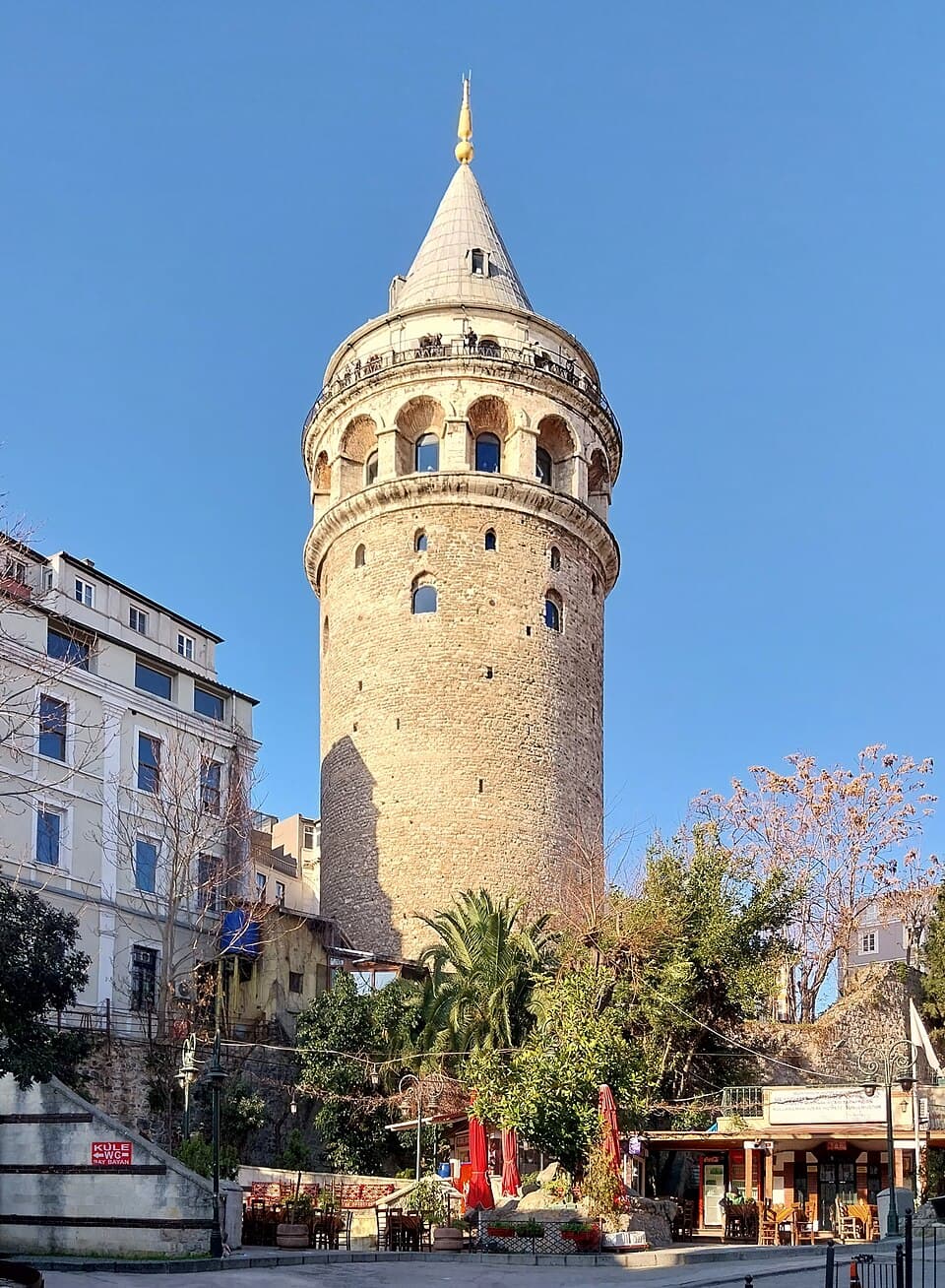
Istanbul: Galata, Karaköy & Beyoğlu Urban History Tour
This tour follows a route from the Galata Bridge through Karaköy, Galata, and Beyoğlu up to Cihangir. It features landmarks such as Galata Tower, historic synagogues, the former Ottoman Bank, Kamondo Stairs, St. Anthony of Padua Church, Çiçek Pasajı, and Istiklal Avenue, focusing on architecture, trading history, and multicultural urban life.
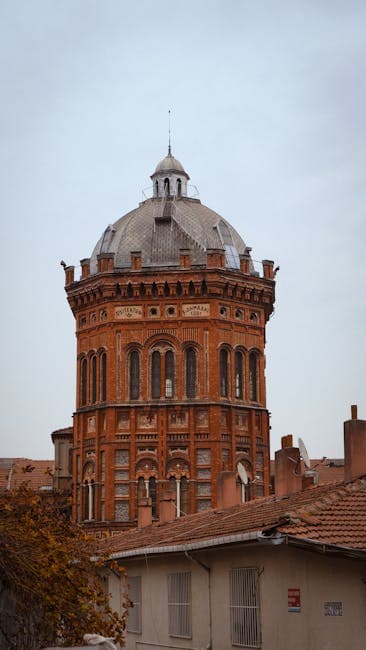
Istanbul Fener & Balat: Multi-Faith Heritage and City Walls
This tour explores the historic Fener and Balat districts along the Golden Horn in Istanbul, including Greek Orthodox, Jewish, and Armenian heritage sites. It features the Ecumenical Patriarchate, Phanar Greek Orthodox College, Ahrida Synagogue area, and neighborhood streets. The route continues to Ayvansaray and viewpoints near the Theodosian Land Walls, highlighting Byzantine and Ottoman urban history and architecture.
About İstanbul
Top Attractions
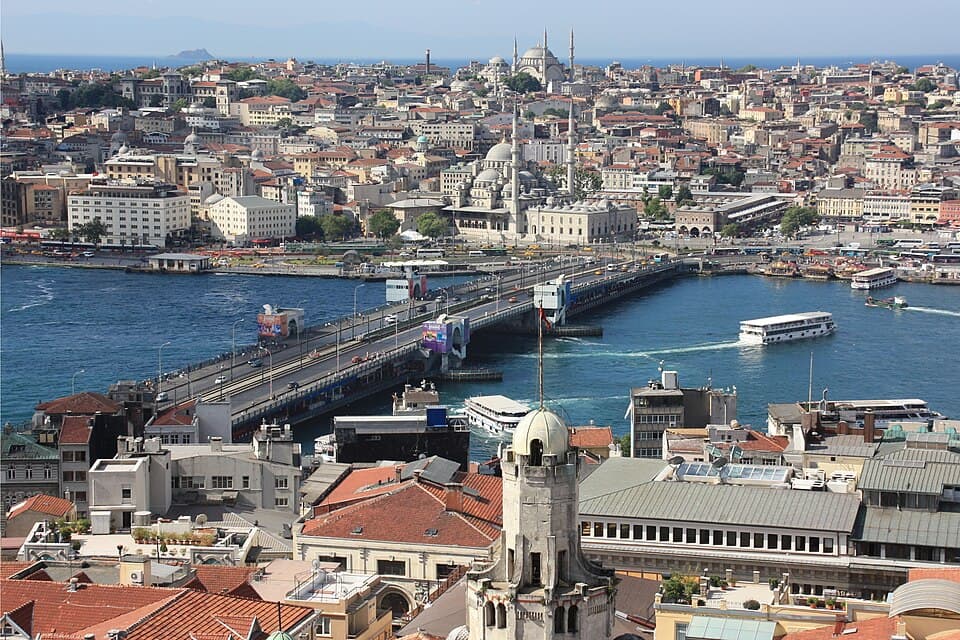
Galata Bridge Crossing
Between old peninsula and modern Galata shore
This stop frames the Galata Bridge as a symbolic threshold between the historic peninsula and the northern districts of Galata, Karaköy, and Beyoğlu. The narration should describe views toward the Golden Horn, the mosques of Eminönü and the skyline of Beyoğlu. It should explain the bridge’s role as a crucial link for trade and everyday commuting, and how earlier versions of the bridge shaped the city’s maritime life. An anecdote can cover how fishermen still line the rails above while ferries and ships pass below, illustrating layered uses of the same structure. Another story may touch on the older bridge that famously hosted both traffic and a bustling line of small restaurants beneath it before being damaged by fire and replaced.
View Tour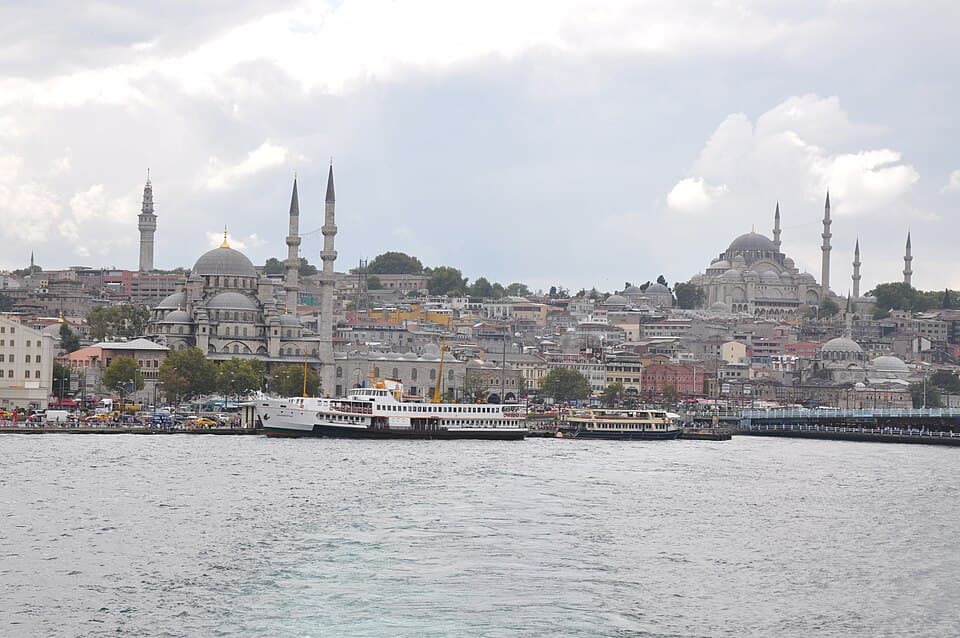
Eminönü Square Waterfront
Busy ferry hub with classic street snacks
This stop introduces Eminönü Square as a chaotic waterfront hub where ferries, commuters, and street vendors converge. The narration should describe simit sellers with their red carts, roasted chestnut braziers, and sometimes corn-on-the-cob stands, using them to explain how quick snacks fit into daily Istanbul routines. It should outline Eminönü’s historical role as a gateway to the city and its closeness to the New Mosque complex and bazaars. One anecdote can describe early-morning office workers grabbing simit to eat on the ferry, and another can evoke how chestnut and sesame smells change with the seasons, marking winter and summer rhythms. The focus here is on setting the sensory tone of the tour and situating the listener geographically before entering more specialized food districts.
View Tour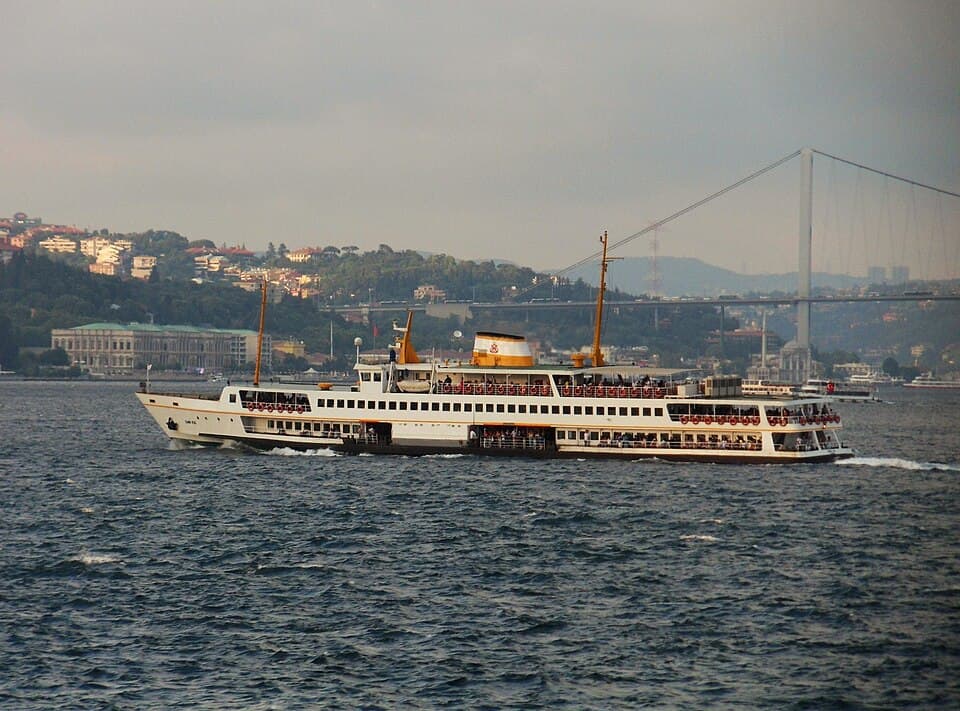
Fener Ferry Pier
Golden Horn views and historic waterfront setting
This stop orients visitors at the Fener ferry pier along the Golden Horn, introducing the geography of the inlet and its role as harbor, moat, and industrial zone across Byzantine and Ottoman periods. The narration should describe the view across to the opposite shore, the slopes rising into Fener and Balat, and the mix of domes, minarets, and red-brick silhouettes. It should explain how different communities chose waterfront or hillside locations and how the Golden Horn’s pollution and later cleanup changed daily life. An anecdote can note how old photographs show shipyards and warehouses where today’s parks and promenades stand, underlining the area’s economic transformation. Another story might highlight how small neighborhood ferries once connected workers to Ottoman shipyards and factories lining the estuary.
View Tour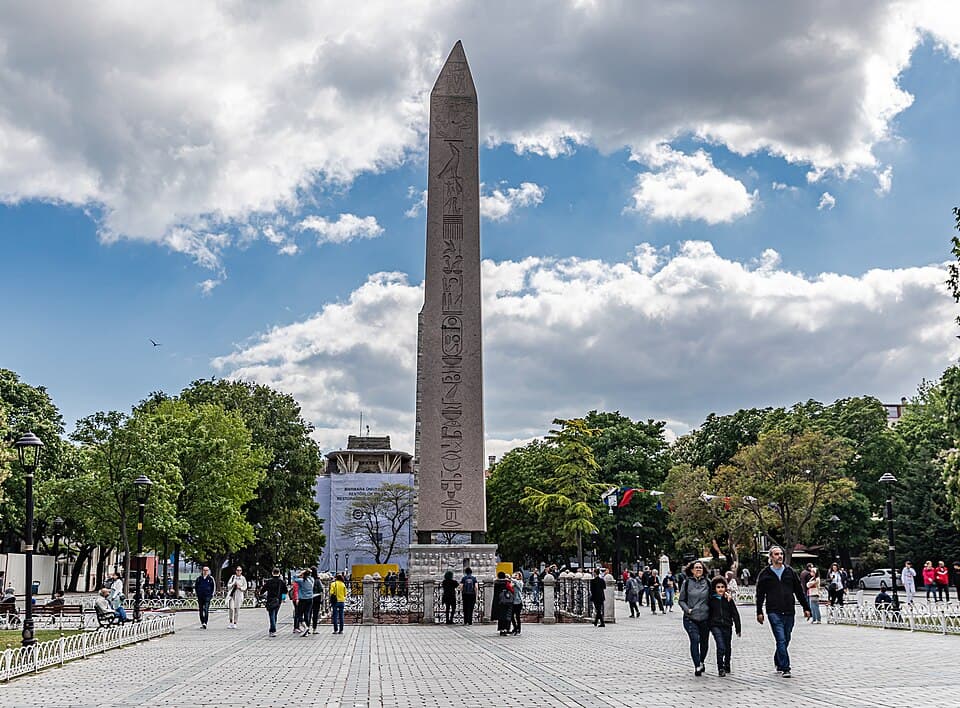
Sultanahmet Square
From Roman Hippodrome to Ottoman heart
This stop introduces Sultanahmet Square as the site of the ancient Hippodrome of Constantinople, the main public arena of the Byzantine capital. The script explains chariot races, political riots, and the famous Nika Revolt, along with how emperors used the space to display power. It should describe remaining elements like the Egyptian Obelisk and Serpent Column, and how the Ottomans later repurposed the area. Anecdotes can include the scale of Hippodrome crowds and a vivid episode from the Nika riots, plus how the square today layers cafés and tourist life onto an imperial arena. This sets the tone for the whole tour as a journey through overlapping empires.
View Tour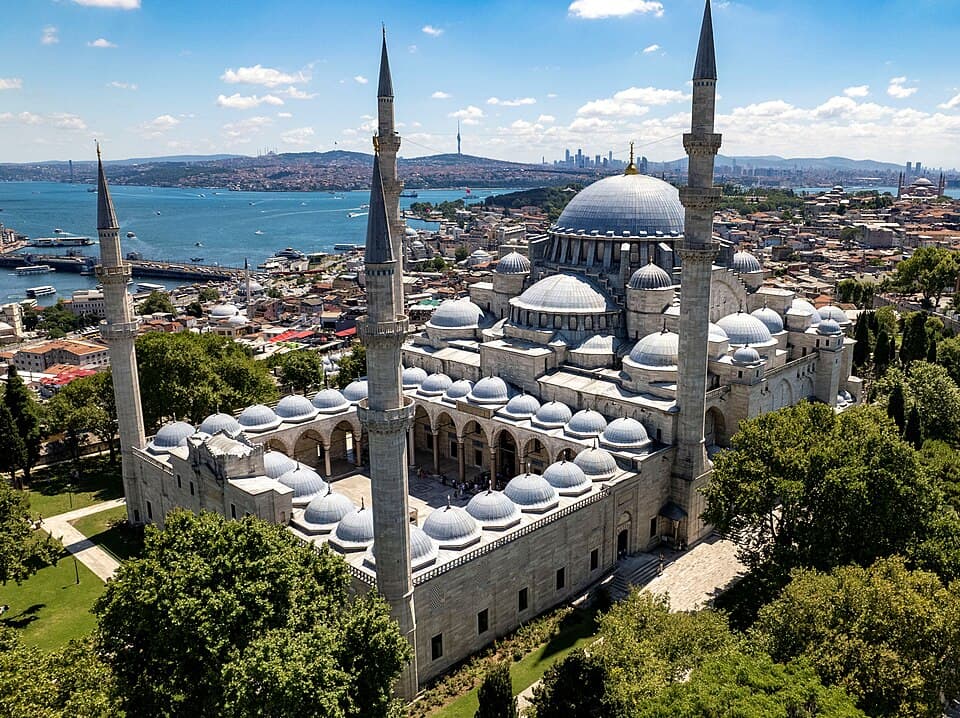
Süleymaniye Mosque Terrace
Sinan’s masterpiece above the Golden Horn
This stop focuses on the exterior of Süleymaniye Mosque and its terrace views over the Golden Horn. The script should introduce Süleyman the Magnificent, architect Mimar Sinan, and the idea of the imperial mosque as both religious symbol and urban landmark. It should highlight the balanced classical Ottoman composition: central dome, semi‑domes, minarets, and cascading volumes stepping down the hill. The terrace panorama can be used to orient listeners to the city’s seven hills and to connect visually to later stops like Fatih, Zeyrek, and the Galata Bridge. An anecdote may mention Sinan’s careful use of topography to make Süleymaniye appear even more dominant without exceeding height limits imposed by the palace.
View Tour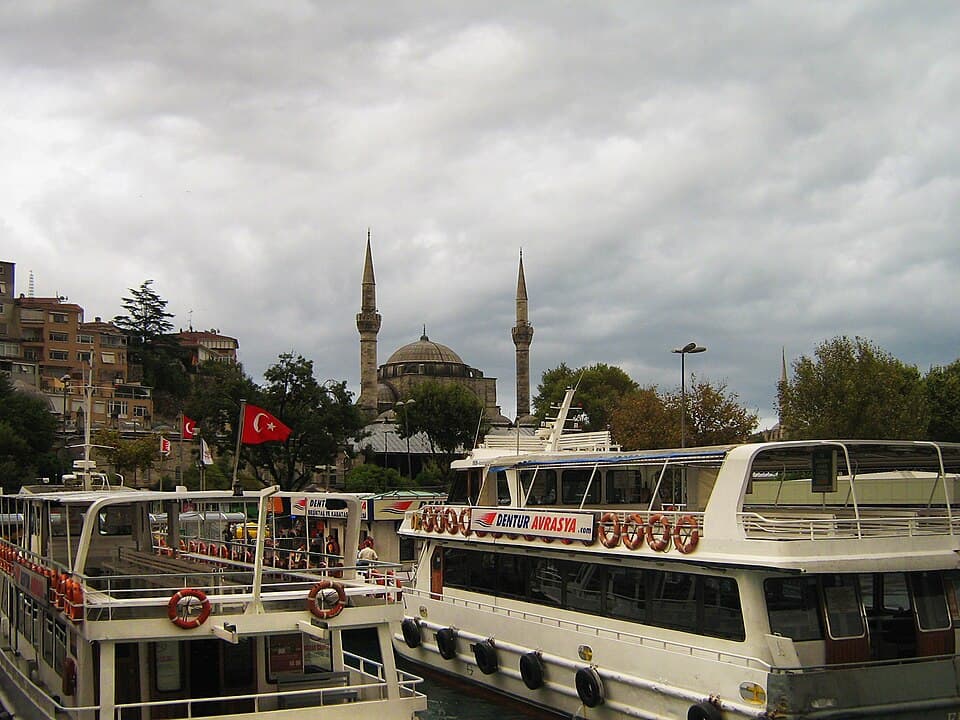
Kabataş Ferry Pier
Gateway to Bosphorus ferries and promenades
This stop introduces Kabataş as a busy transport hub where trams, buses, funiculars, and ferries converge at the edge of the Bosphorus. The narration should set the broader scene of the waterway as a link between continents, empires, and neighborhoods, emphasizing constant traffic of ferries and private boats. It should touch on how Kabataş grew in importance with modern public transport, connecting Taksim and the historic peninsula to the Bosphorus line. One anecdote can describe the daily ritual of commuters grabbing simit and tea before boarding, and another can evoke winter mornings when thick fog temporarily halts ferries, briefly freezing the city’s routine.
View Tour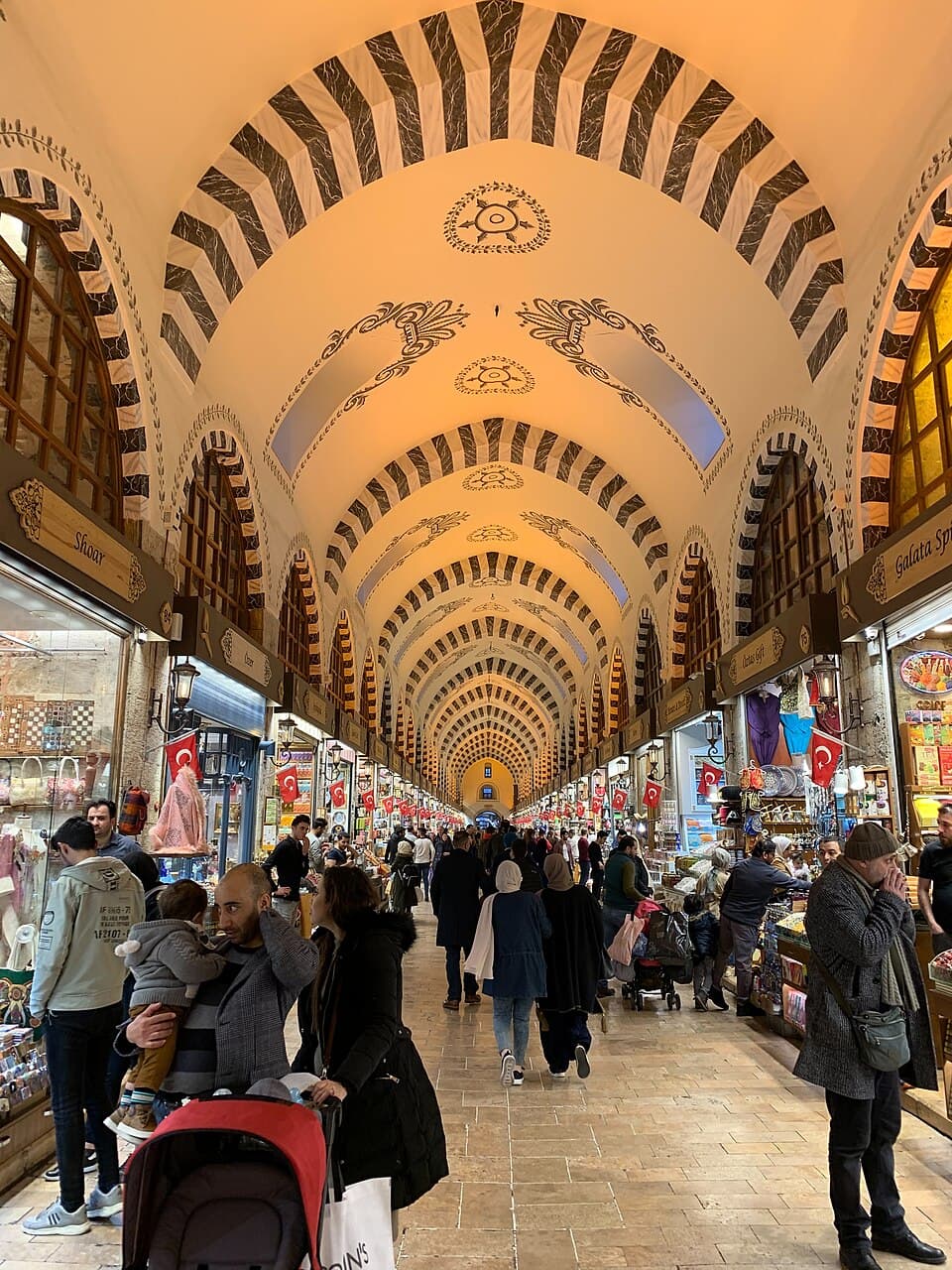
Egyptian Spice Bazaar
Ottoman-era covered market of spices and sweets
This stop explores the Egyptian Spice Bazaar (Mısır Çarşısı) as an Ottoman-era covered market, historically tied to revenues from Egypt and to the nearby New Mosque complex. The script should describe its L-shaped interior, arched ceilings, and rows of stalls with colorful spices, dried fruits, lokum, and herbal mixtures. It should explain how spices arrived via caravan and sea routes, feeding both palace kitchens and everyday cookery. One anecdote might discuss how locals traditionally came for specific herbal remedies or wedding gift packages, and another might recall how shopkeepers used elaborate displays of nuts and sweets to signal prosperity on religious holidays. Emphasis should be on commerce, ceremony, and smell. No other stop should reuse these herbal-remedy or holiday-display stories.
View Tour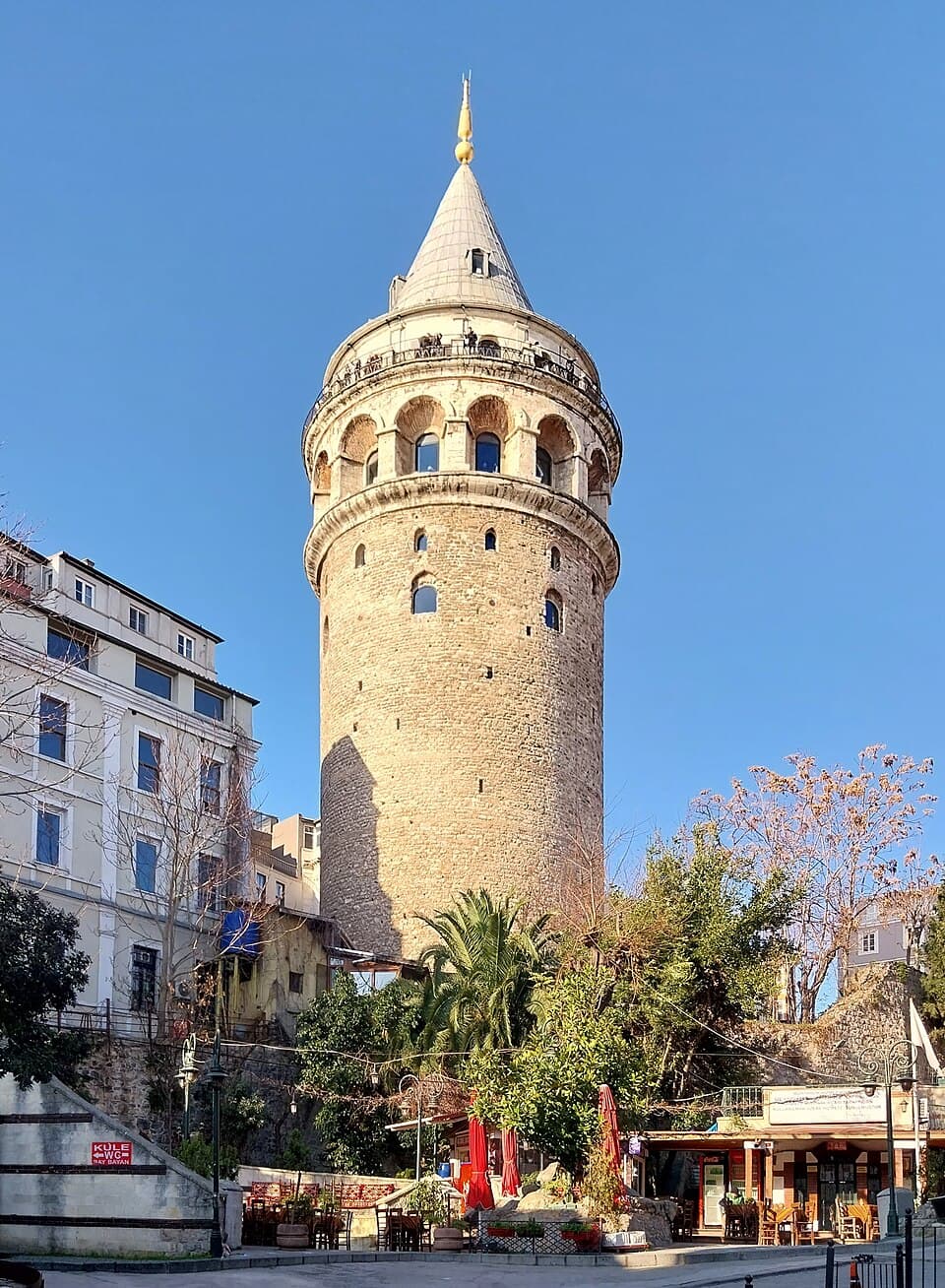
Galata Tower Area
Medieval Genoese stronghold above Karaköy
This stop introduces Galata Tower as the stone landmark dominating the hill, built by the Genoese as part of their walled colony. The script should describe the tower’s cylindrical form, conical roof, and the maze of narrow streets, shops, and apartment buildings clustered around it. Historical context includes the Genoese presence, later Ottoman use, and the tower’s function as a lookout over the Golden Horn and Bosphorus. One anecdote could mention the legendary early flight attempt of Hezarfen Ahmed Çelebi gliding from the tower toward the Asian shore. Another story might evoke major fires in the district that were monitored or reported from the tower, showing its role in urban safety as well as surveillance.
View Tour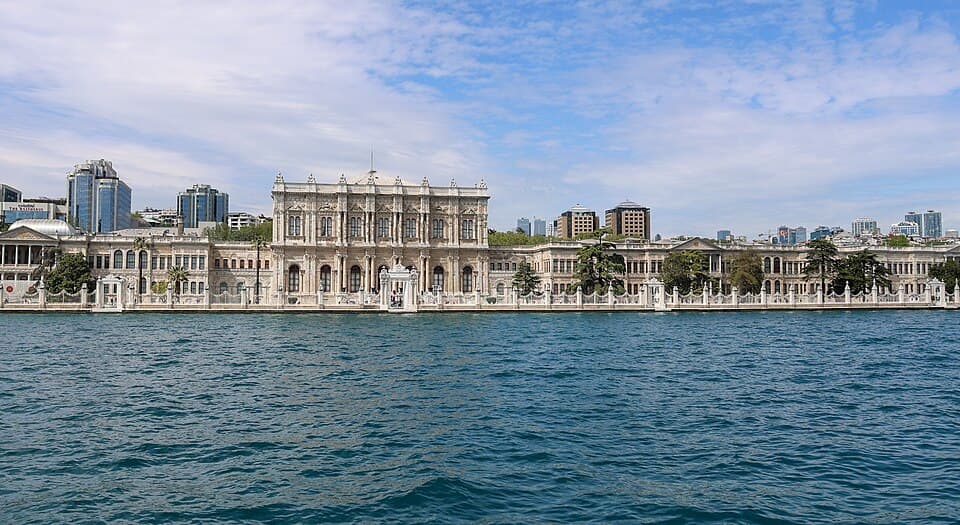
Dolmabahçe Palace Exterior
Imperial waterfront façade and clock tower
This stop focuses on the seaward front of Dolmabahçe Palace and the nearby clock tower, representing the 19th‑century Ottoman embrace of European‑inspired monumental architecture. The narration should describe the palace’s long neoclassical and baroque façade, ornate gates, and the separate clock tower built as a symbol of modern timekeeping and state punctuality. It should explain how the area was once a sheltered bay filled in to create a parade ground and later a palace complex. One anecdote might recall grand ceremonial arrivals of foreign dignitaries by boat, while another can mention how local residents used the palace’s ornate seaside gates as unofficial meeting points, referring to them by nicknames like “the swan gate.”
View Tour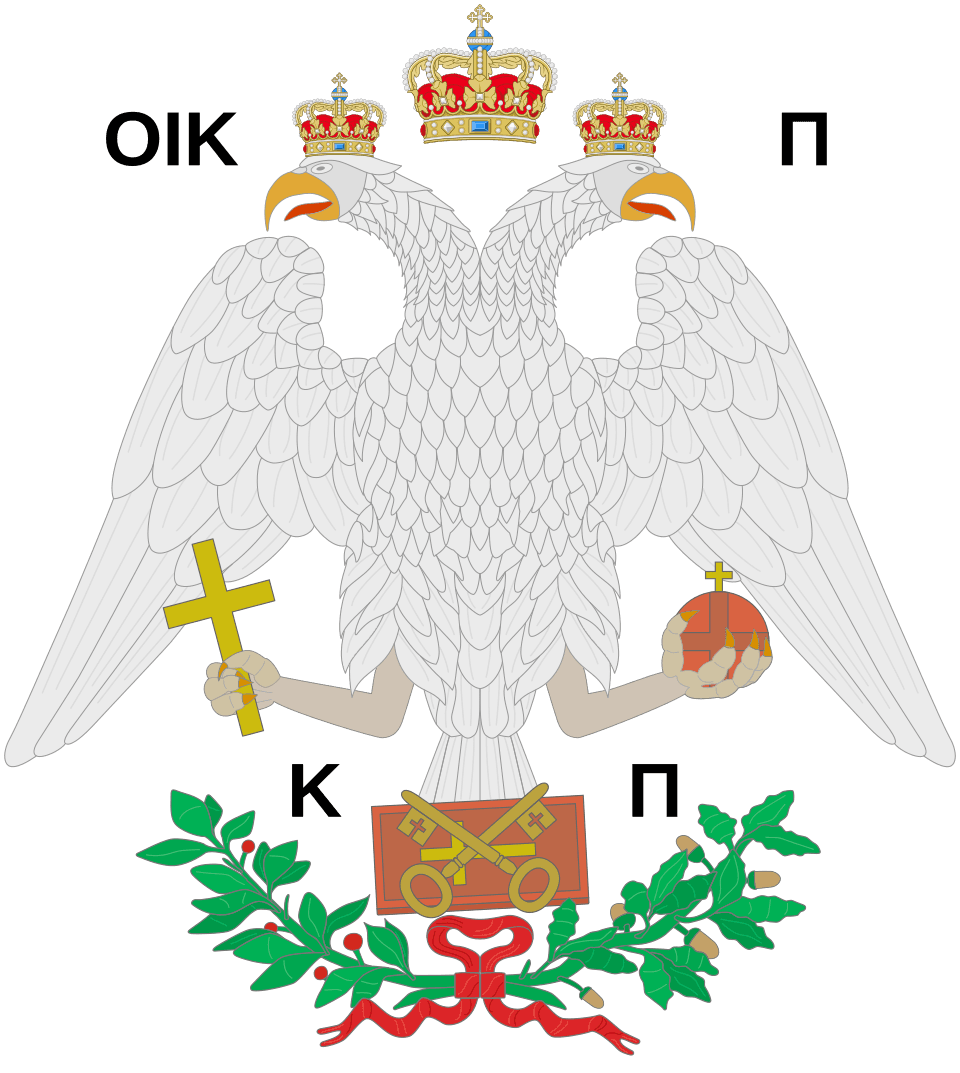
Ecumenical Patriarchate
Orthodox spiritual center in Fener backstreets
This stop focuses on the Ecumenical Patriarchate complex, centered on St. George’s Cathedral, as the spiritual heart of Eastern Orthodoxy since its relocation here during the Ottoman era. The narration should describe the modest exterior, the courtyard, and visible architectural features that hint at its importance despite past restrictions on church building. Historical context should cover the Patriarchate’s role in Byzantine times, its constrained yet influential status under the Ottomans, and its modern situation in Turkey. One anecdote can recall how the Patriarchate was relocated to this site after earlier seats were damaged or lost, emphasizing resilience. Another can mention the tradition of foreign dignitaries and Orthodox pilgrims quietly entering this humble-looking complex for major religious occasions, contrasting appearance with global significance.
View Tour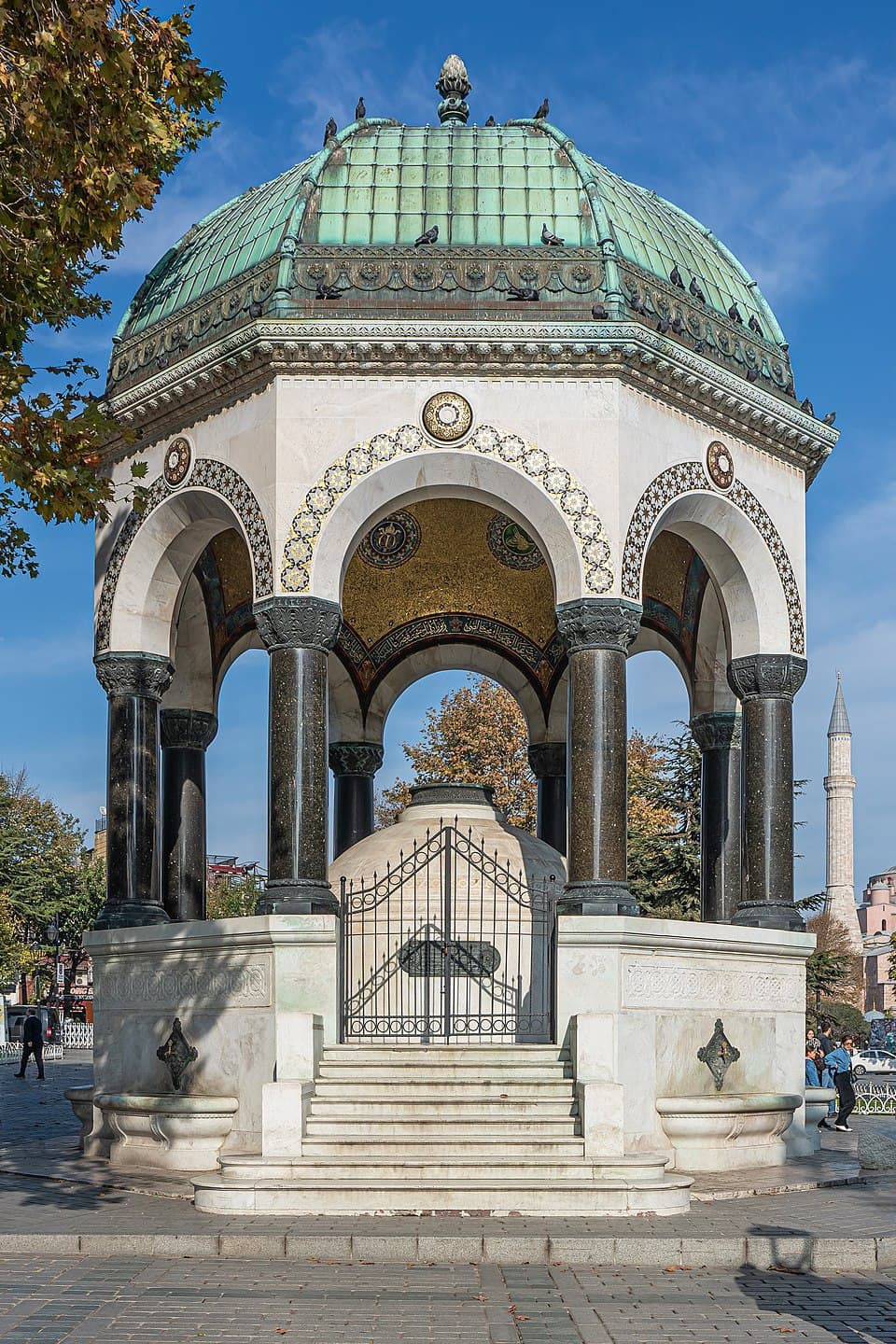
German Fountain
Kaiser’s gift on the old Hippodrome
This stop focuses on the German Fountain as a late Ottoman monument with strong European connections, gifted by Kaiser Wilhelm II. The script should highlight its neo‑Byzantine style, green dome, mosaics, and inscriptions, and how it marks the northern end of the Hippodrome. It can explain Wilhelm II’s visits and the political symbolism of German‑Ottoman friendship before World War I. Anecdotes may include the story of the fountain being constructed in Germany and then reassembled in Istanbul, and local tales that students drink from it for exam luck. It also helps illustrate how modern monuments overwrite older Byzantine layers beneath the square.
View Tour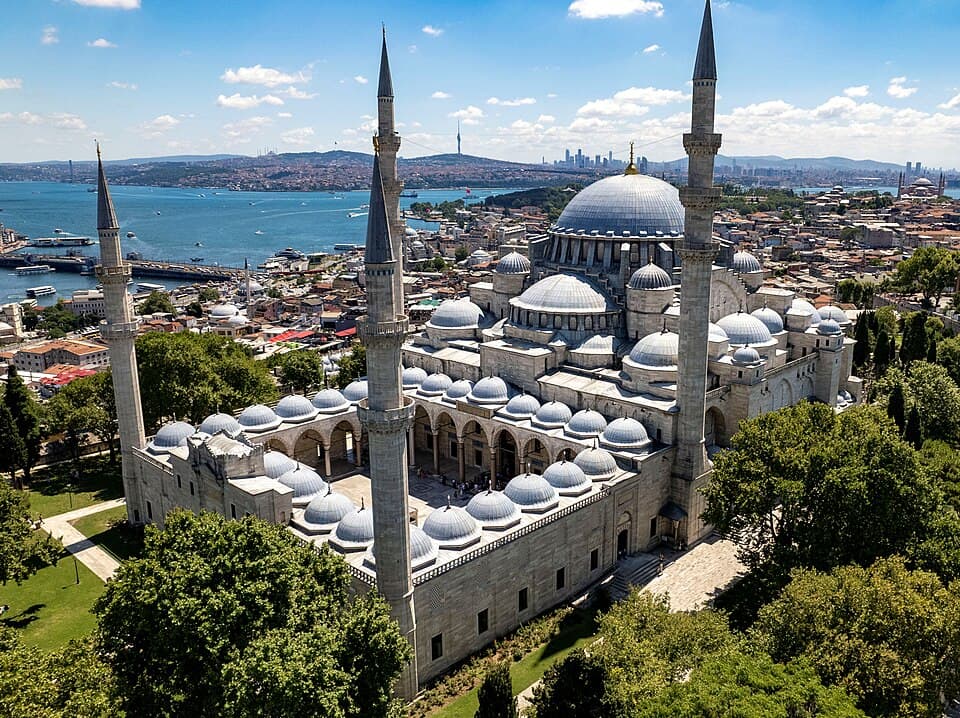
Süleymaniye Mosque Complex
Külliye of schools, hospice, and tombs
Here the focus shifts from the main mosque to the wider Süleymaniye külliye: medreses, hospital, hospice, soup kitchen, caravanserai, and the tombs of Süleyman and Hürrem. The narration should explain the külliye as a self‑contained urban micro‑city providing social services and higher religious education. Architectural details of the courtyards, modest facades, and the garden‑like tomb enclosure will contrast with the monumentality of the main mosque. One anecdote can describe the soup kitchen’s role in feeding both the poor and traveling scholars, and another can note how Süleyman’s tomb became a symbolic place of loyalty where later sultans reportedly sought inspiration before campaigns.
View TourFrequently Asked Questions
How do audio walking tours work in İstanbul?
Our audio walking tours in İstanbul are self-guided experiences that you can start anytime. Simply download the Roamway app, select a tour, and follow the GPS-guided route. The audio narration automatically plays as you approach each point of interest, allowing you to explore at your own pace.
Are self-guided tours better than guided tours?
Self-guided audio tours offer flexibility that traditional guided tours can't match. You can pause, rewind, or skip sections, explore at your own pace, and start whenever you're ready. Plus, our tours are available in multiple languages and work offline once downloaded.
Do I need an internet connection during the tour?
No! Once you've downloaded a tour in the Roamway app, it works completely offline. The GPS navigation and audio narration function without an internet connection, making it perfect for international travelers who want to avoid data charges.
How long do the audio tours take?
Tour durations vary, but most of our audio tours in İstanbul range from 1 to 3 hours, depending on your pace and how much time you spend at each point of interest. You can complete them in one go or split them across multiple visits.
Ready to explore İstanbul?
Download Roamway and start your audio-guided adventure today.