
Istanbul Bosphorus: Palaces, Mosques and Waterfront Life
İstanbul, Türkiye
Audio Preview
Listen to a sample of this audio tour to get a feel for the experience.
What You'll Experience
On this Istanbul Bosphorus: Palaces, Mosques and Waterfront Life audio tour in İstanbul, you'll discover 10 carefully selected points of interest, each with its own story. The tour is designed to be completed at your own pace, with GPS navigation guiding you from one location to the next. As you approach each stop, the audio narration automatically begins, bringing history, culture, and local insights to life.
About This Tour
This tour follows the European shore of the Bosphorus from Kabataş to Kuruçeşme, focusing on imperial palaces, mosques, and modern city life. It covers Dolmabahçe and Çırağan Palaces, Beşiktaş and Ortaköy squares, parks, and bridge viewpoints, with attention to Ottoman architecture, maritime history, and contemporary waterfront culture.
Points of Interest
Kabataş Ferry Pier
Gateway to Bosphorus ferries and promenades
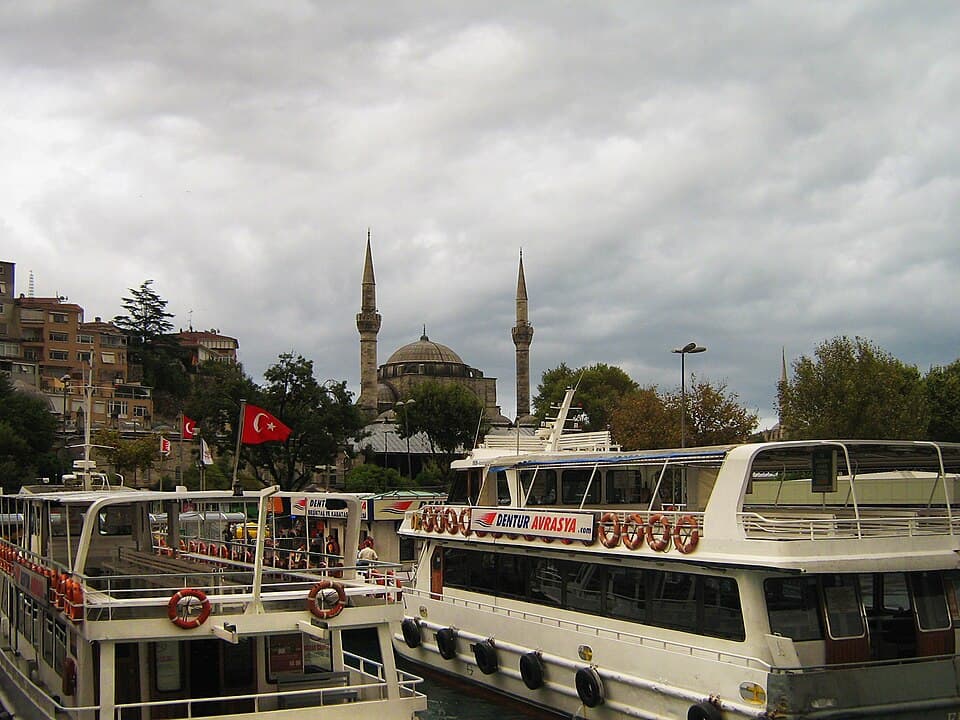
This stop introduces Kabataş as a busy transport hub where trams, buses, funiculars, and ferries converge at the edge of the Bosphorus. The narration should set the broader scene of the waterway as a link between continents, empires, and neighborhoods, emphasizing constant traffic of ferries and private boats. It should touch on how Kabataş grew in importance with modern public transport, connecting Taksim and the historic peninsula to the Bosphorus line. One anecdote can describe the daily ritual of commuters grabbing simit and tea before boarding, and another can evoke winter mornings when thick fog temporarily halts ferries, briefly freezing the city’s routine.
Dolmabahçe Palace Exterior
Imperial waterfront façade and clock tower
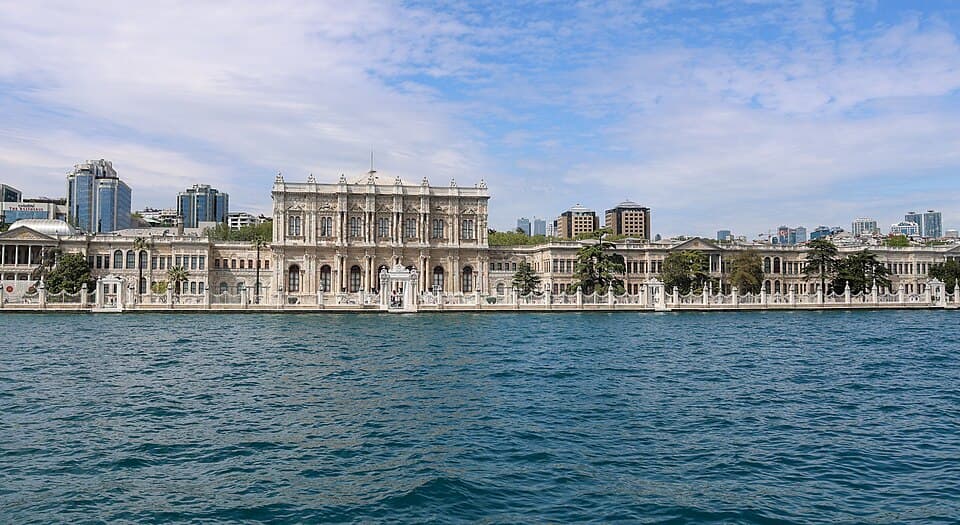
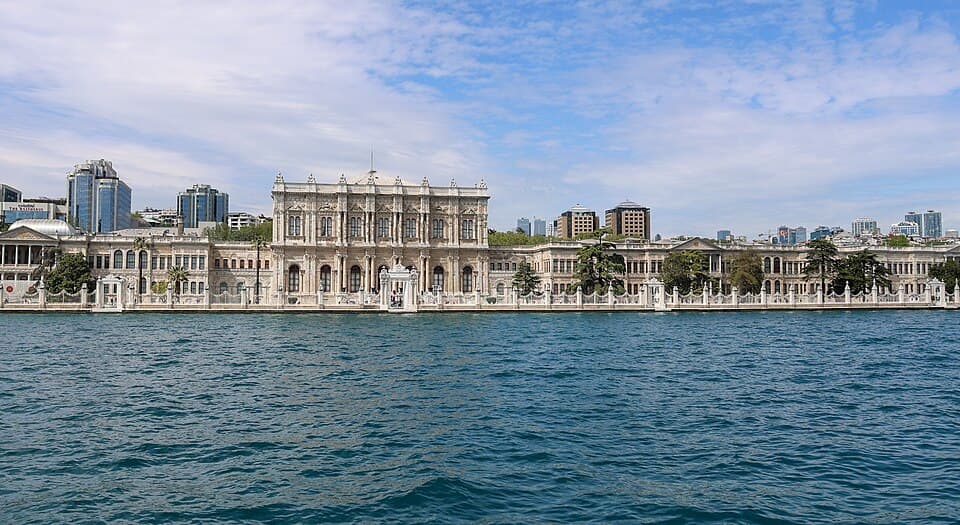
This stop focuses on the seaward front of Dolmabahçe Palace and the nearby clock tower, representing the 19th‑century Ottoman embrace of European‑inspired monumental architecture. The narration should describe the palace’s long neoclassical and baroque façade, ornate gates, and the separate clock tower built as a symbol of modern timekeeping and state punctuality. It should explain how the area was once a sheltered bay filled in to create a parade ground and later a palace complex. One anecdote might recall grand ceremonial arrivals of foreign dignitaries by boat, while another can mention how local residents used the palace’s ornate seaside gates as unofficial meeting points, referring to them by nicknames like “the swan gate.”
Dolmabahçe Mosque
Elegant imperial mosque on the waterfront
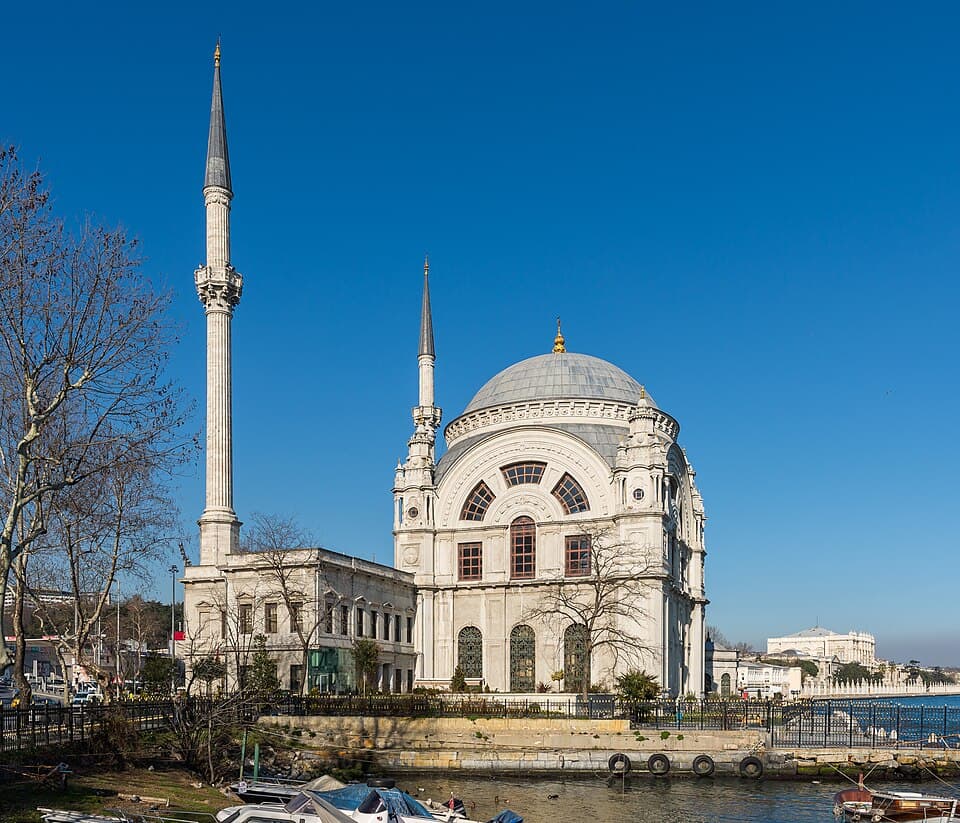
This stop highlights Dolmabahçe Mosque, built as part of the wider palace complex and reflecting a blend of Ottoman and European architectural elements. The narration should describe the mosque’s large windows, baroque‑influenced curves, and its close relationship with the water, nearly touching the Bosphorus. It should mention its role as a sultanic mosque and how it once served naval ceremonies owing to its proximity to anchorages. One anecdote can reference sailors pausing here for prayers before long voyages, while another may note that, during certain state events, cannon salutes from ships echoed directly off the mosque’s façade, creating a dramatic acoustic backdrop.
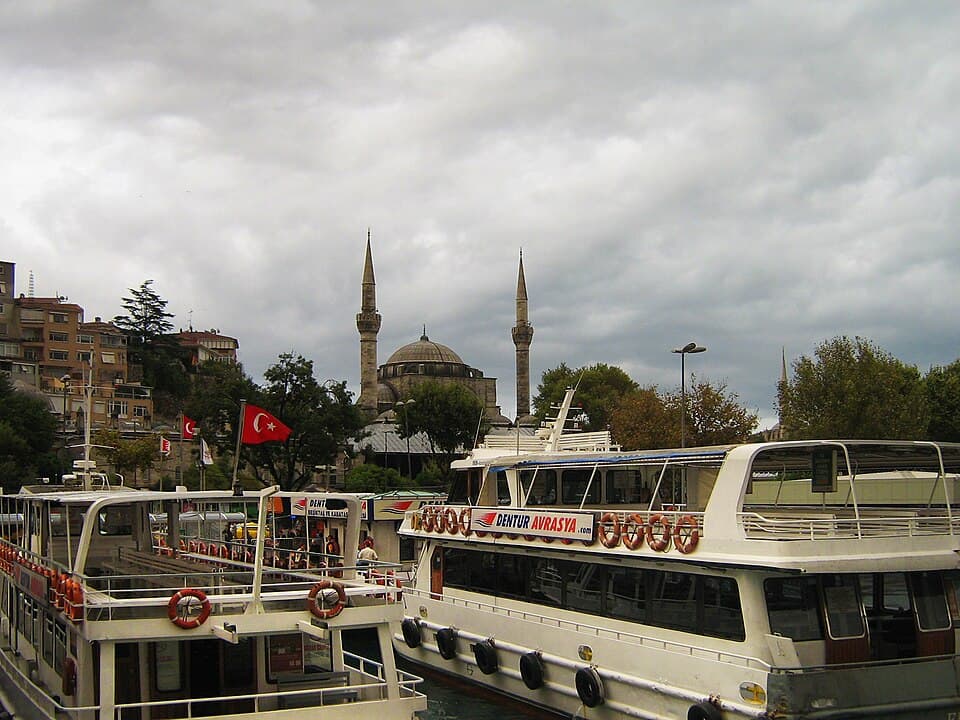
Beşiktaş İskele Square
Lively square of ferries, traffic and cafés
This stop covers Beşiktaş İskele Square and the start of Barbaros Boulevard as a hectic but characterful node between the Bosphorus and inland neighborhoods. The narration should describe the ferry terminals, informal seating areas, and the constant movement of buses and pedestrians, alongside the statue of Barbaros Hayreddin Pasha that anchors the space. It should frame this as a historical maritime quarter that transformed into a modern transport and student hub. One anecdote may recall how football fans traditionally gather here before walking to stadiums on match days, and another can describe the spontaneous street music or protests that periodically animate the square, reflecting Istanbul’s civic life.
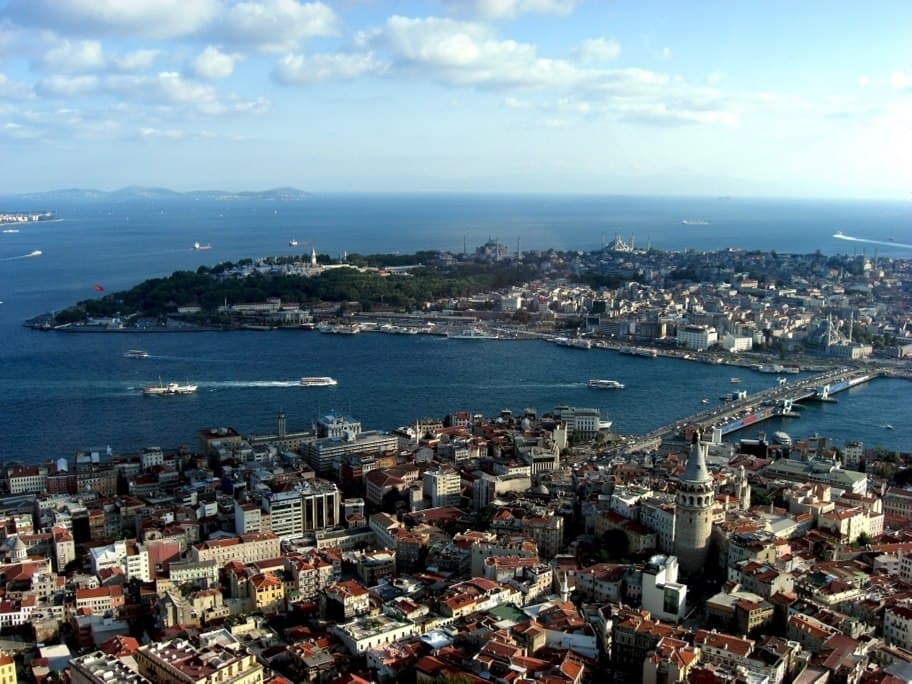
Istanbul Naval Museum Area
Warships, naval history and backstreet life
This stop focuses on the exterior of the Istanbul Naval Museum and its surroundings, bridging imperial naval history with the everyday life of Beşiktaş Çarşı behind. The narration should point out the museum’s modern façade, any visible historic boats or anchors, and explain its role in preserving Ottoman and Turkish naval artifacts, such as imperial caiques and ship models. It should then turn toward the narrow streets of Beşiktaş Çarşı, noting markets, eateries, and local routines. One anecdote can describe an elaborately decorated imperial barge used only on calm Bosphorus days, while another might mention how fishermen and museum staff swap stories at nearby tea houses about famous ships and storms.
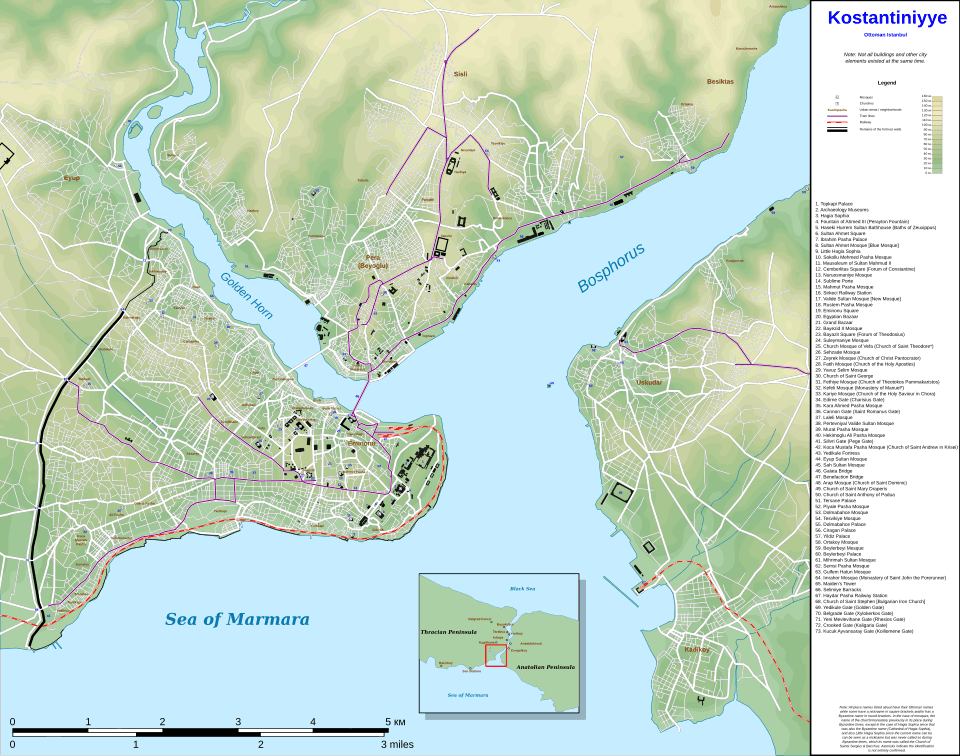
Yıldız Park Lower Entrance
Green escape from the Bosphorus bustle
This stop introduces the lower entrance of Yıldız Park as a transition from the busy waterfront into a former imperial hillside garden. The narration should explain that these wooded slopes once belonged to Yıldız Palace and were laid out with paths, pavilions, and artificial lakes for the sultan’s leisure. It should describe the contrast in sound and temperature when stepping into the shade, emphasizing tall trees, birdsong, and glimpses back toward the water. One anecdote can reference how palace guards once patrolled these paths to ensure the sultan’s privacy, and another might evoke early republican picnickers who treated the newly public park as a symbol of shared access to formerly royal spaces.
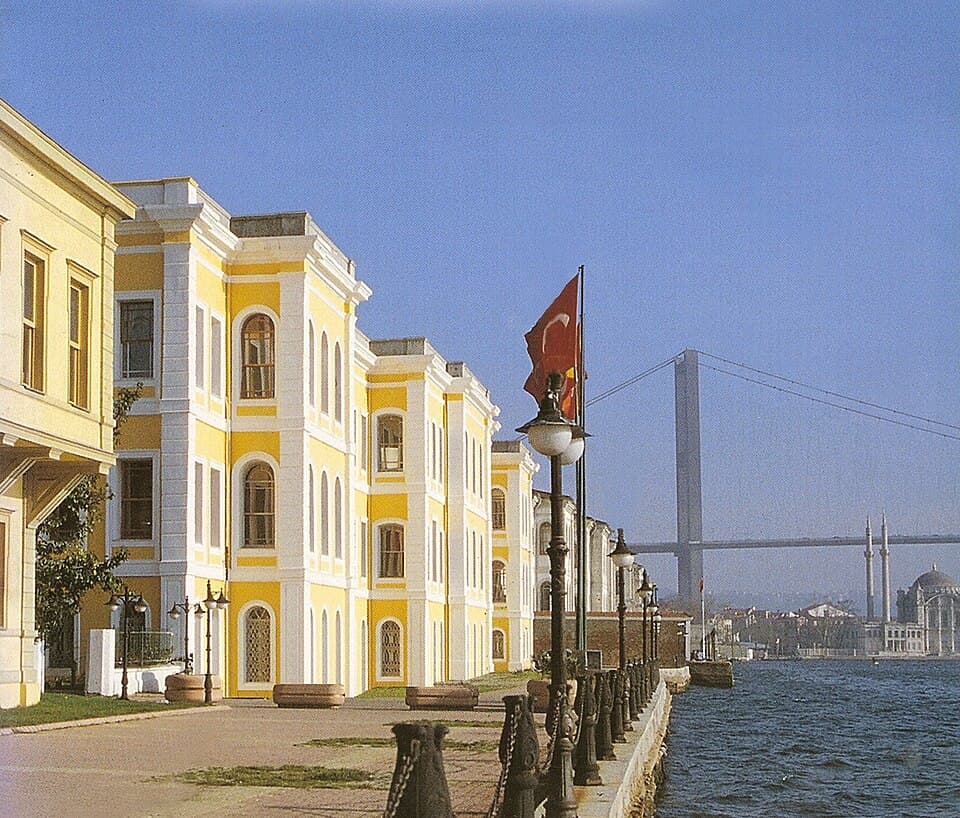
Çırağan Palace Waterfront
Former Ottoman palace turned waterfront landmark
This stop centers on the waterfront frontage of Çırağan Palace, today a hotel complex but originally a 19th‑century Ottoman palace built in a richly decorated style. The narration should describe its ornate stonework, arcaded façade, and the way its terraced grounds once linked directly to the water for boat arrivals. It should outline the palace’s history, including its decline and partial destruction by fire before later restoration of the surviving shell. One anecdote can recount how, in its heyday, nighttime festivities lit by countless lamps reflected off the Bosphorus, and another may note the later period when the ruined building stood as a haunting silhouette visible to passing ferry passengers.
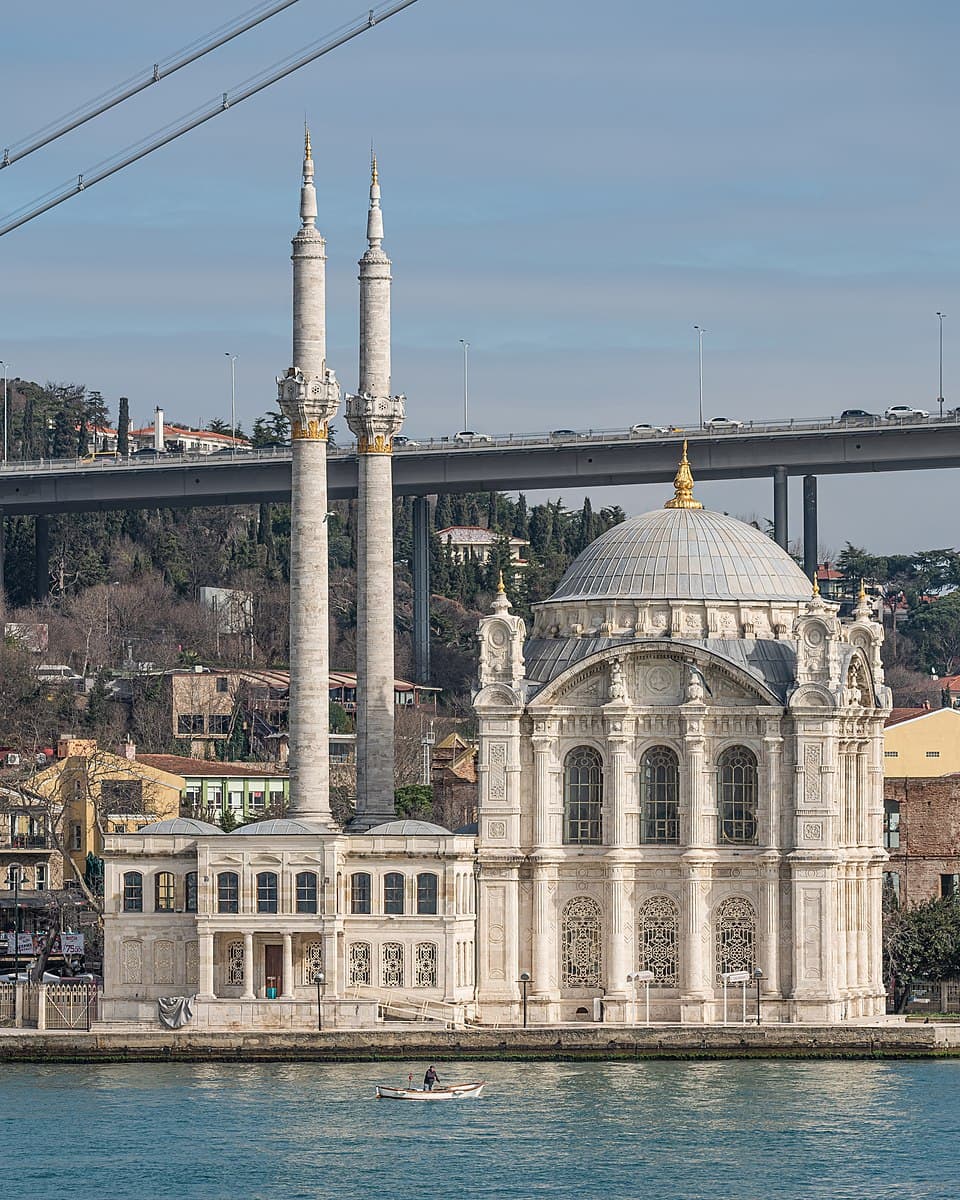
Ortaköy Mosque and Square
Waterside mosque amid a bustling square
This stop explores Ortaköy Mosque and the adjacent square as a picturesque meeting point of religion, leisure, and multicultural history. The narration should describe the mosque’s elegant baroque‑influenced form, its close proximity to the water, and the way the Bosphorus Bridge looms nearby as a modern backdrop. It should discuss Ortaköy’s past as a mixed neighborhood with Muslim, Jewish, and Christian communities, still hinted at by nearby religious buildings. One anecdote can highlight the long‑standing habit of locals buying stuffed baked potatoes or waffles from street vendors and eating them on the quay, and another can recall weekend craft stalls transforming the square into an open‑air bazaar of handmade jewelry and art.
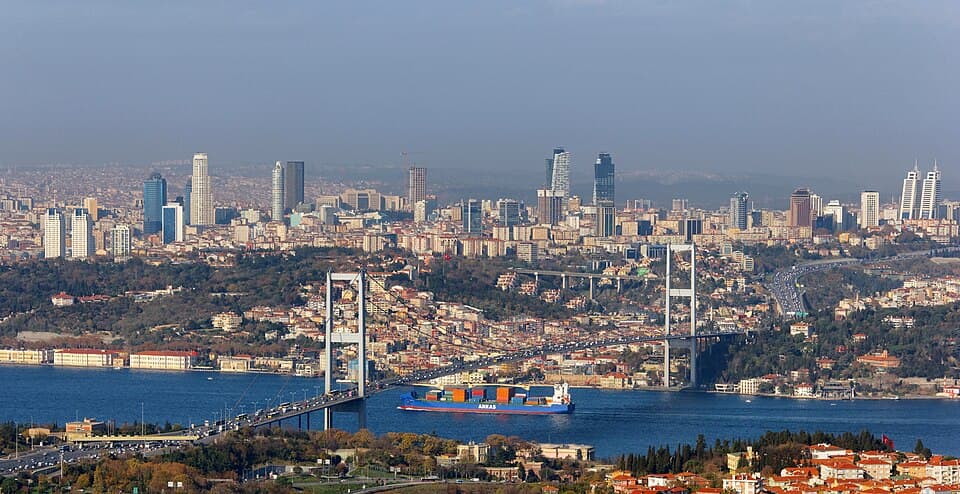
Ortaköy Bosphorus Bridge View
Iconic span linking Europe and Asia
This stop focuses on the viewpoint toward the Bosphorus Bridge from the Ortaköy waterfront, emphasizing the contrast between historic shoreline buildings and 20th‑century engineering. The narration should describe the bridge’s sweeping suspension span, its pylons rising above both shores, and the continuous stream of traffic high overhead. It should briefly explain the bridge’s role in physically linking Europe and Asia and how its opening altered commuting patterns and skyline views. One anecdote can note that locals used to watch annual marathon runners crossing the bridge when pedestrian access was allowed during special events, and another may recall spectacular nighttime illuminations of the bridge reflected in the water during city celebrations.
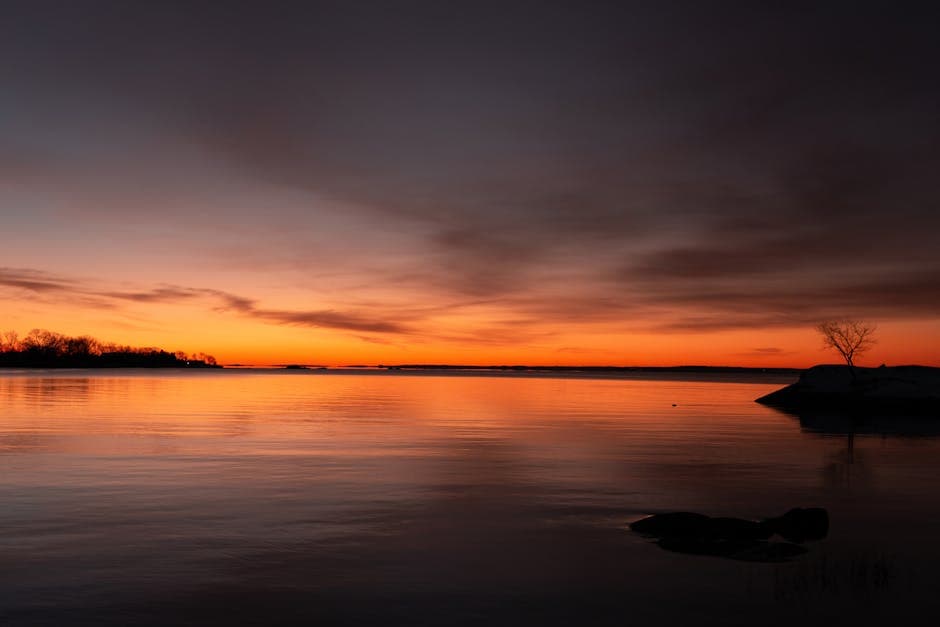
Kuruçeşme Waterfront Park
Relaxed park with views of bridges and boats
This final stop covers the Kuruçeşme waterfront park area as a more relaxed, linear green space along the Bosphorus, framed by views of bridges and constant boat traffic. The narration should describe lawns, walking paths, benches, and any small piers, emphasizing its role as a place for jogging, picnics, and dog‑walking against a dramatic maritime backdrop. It should connect this quieter setting to the tour’s earlier palaces and squares, showing how the Bosphorus now serves more for leisure than court ceremony. One anecdote can evoke families gathering here on summer evenings to grill and watch the sunset, and another can mention outdoor concerts or festivals occasionally staged nearby, when music carries out over the water.
Start This Tour
Download Roamway to experience this audio tour
Tour Details
Access
Free
Stops
10 points of interest
Languages
GermanEnglishSpanishFrench
More tours in İstanbul
View all tours in İstanbulOther tours you might enjoy:
Istanbul: Sultanahmet to Galata Bridge Historic Highlights
This tour explores Istanbul’s historic peninsula from Sultanahmet Square to the Galata Bridge, passing major Byzantine and Ottoman landmarks. It includes mosques, cisterns, bazaars, fountains, and monuments such as Hagia Sophia, the Blue Mosque, the Grand Bazaar, and Süleymaniye Mosque, with context on religion, imperial power, daily life, and urban development.
Istanbul: Street Food, Bazaars and Neighborhood Cafés
This tour explores central Istanbul from Eminönü to Karaköy and Cihangir through its street food, historic markets, and café culture. It includes the Egyptian Spice Bazaar, Tahtakale backstreets, Galata Bridge, and waterfront meyhanes, highlighting local snacks, Ottoman-era commerce, neighborhood life, and evolving coffeehouse traditions.
Istanbul: Imperial Mosques, Aqueducts and Skyline Views
This tour explores Istanbul’s historic peninsula from Süleymaniye to the Galata Bridge, focusing on Ottoman imperial mosque complexes and earlier Byzantine layers. It includes major külliyes, madrasas, tombs, and aqueducts, highlighting shifts from classical Ottoman to baroque architecture, urban planning, and the city’s changing skyline and religious landscape.
Frequently Asked Questions
How do I start this audio tour?
Download the Roamway app, search for this tour, and tap 'Start Tour'. The app will guide you to the starting point using GPS. Once you're there, the audio narration begins automatically.
Do I need an internet connection?
No! Once you've downloaded the tour in the Roamway app, it works completely offline. The GPS navigation and audio narration function without an internet connection.
Can I pause and resume the tour?
Yes! You can pause the tour at any time and resume later. Your progress is automatically saved, so you can complete the tour over multiple sessions if needed.