
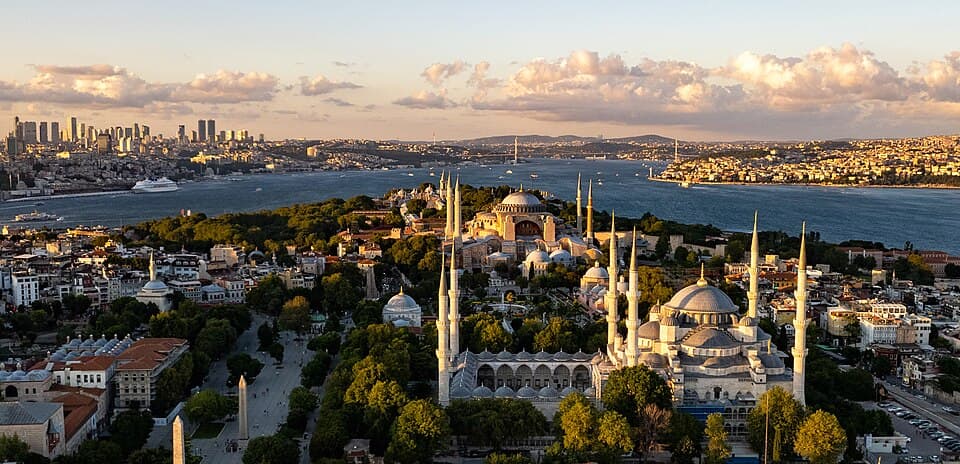
Istanbul: Street Food, Bazaars and Neighborhood Cafés
İstanbul, Türkiye
Audio Preview
Listen to a sample of this audio tour to get a feel for the experience.
What You'll Experience
On this Istanbul: Street Food, Bazaars and Neighborhood Cafés audio tour in İstanbul, you'll discover 11 carefully selected points of interest, each with its own story. The tour is designed to be completed at your own pace, with GPS navigation guiding you from one location to the next. As you approach each stop, the audio narration automatically begins, bringing history, culture, and local insights to life.
About This Tour
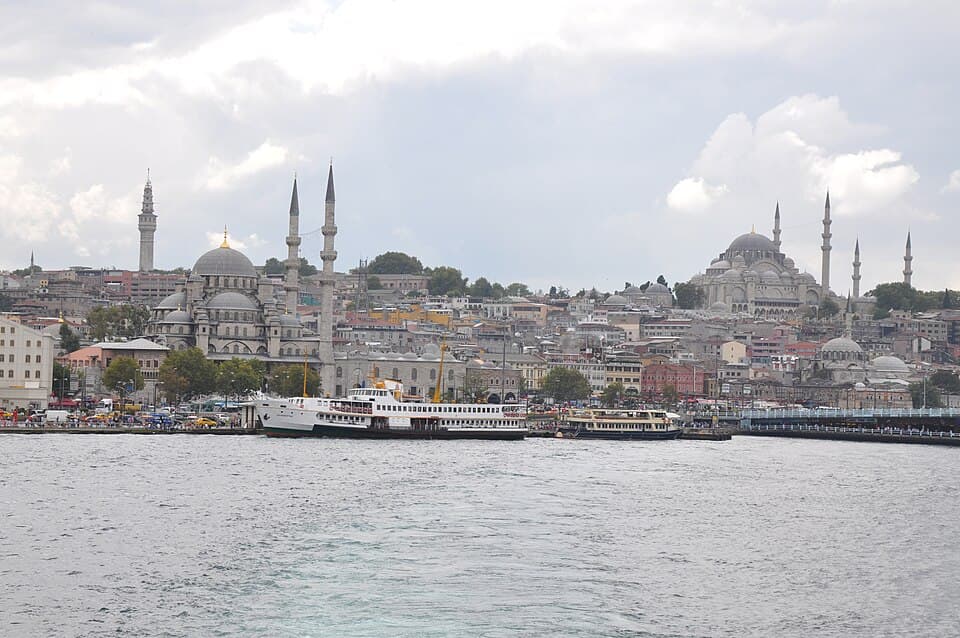
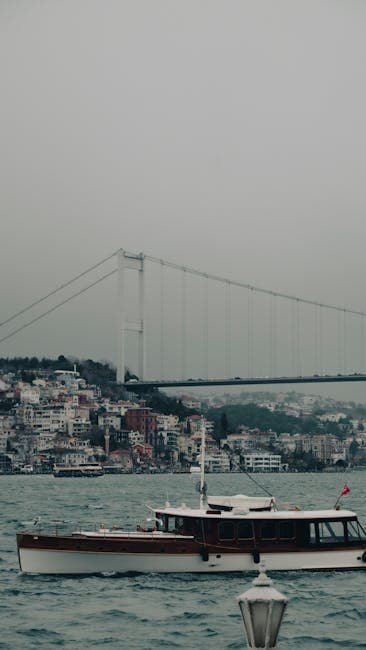
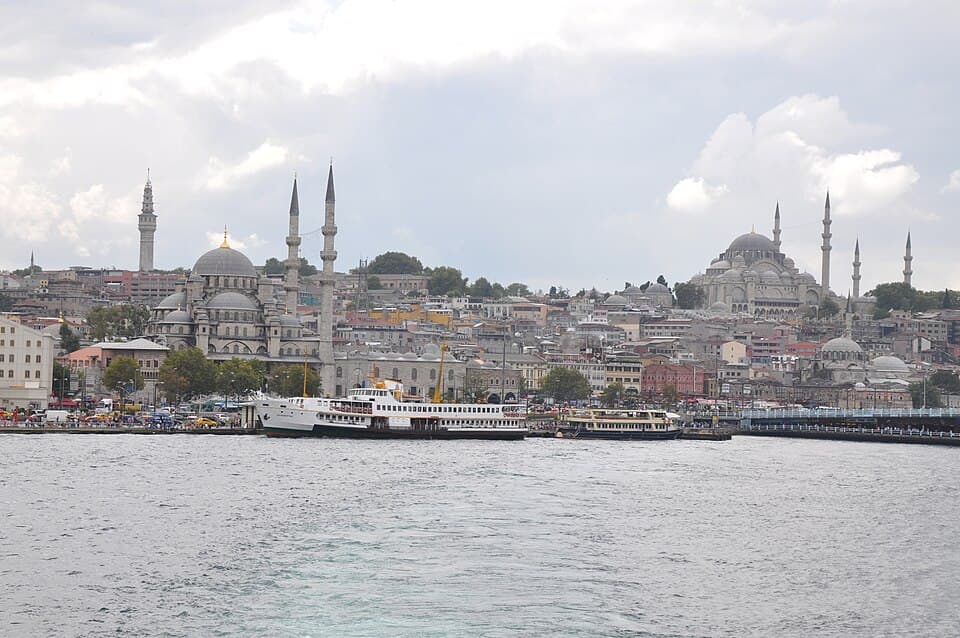
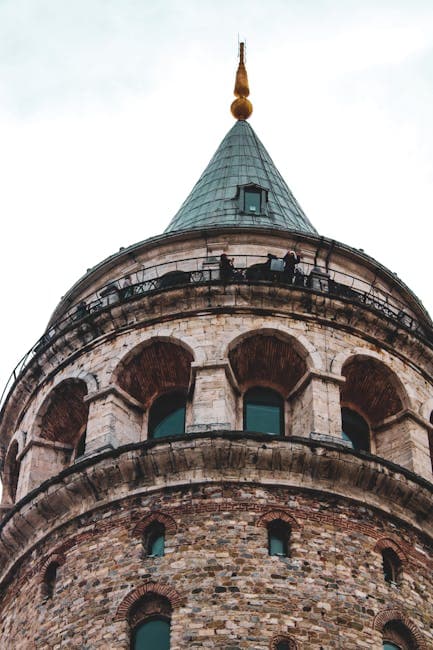
This tour explores central Istanbul from Eminönü to Karaköy and Cihangir through its street food, historic markets, and café culture. It includes the Egyptian Spice Bazaar, Tahtakale backstreets, Galata Bridge, and waterfront meyhanes, highlighting local snacks, Ottoman-era commerce, neighborhood life, and evolving coffeehouse traditions.
Points of Interest
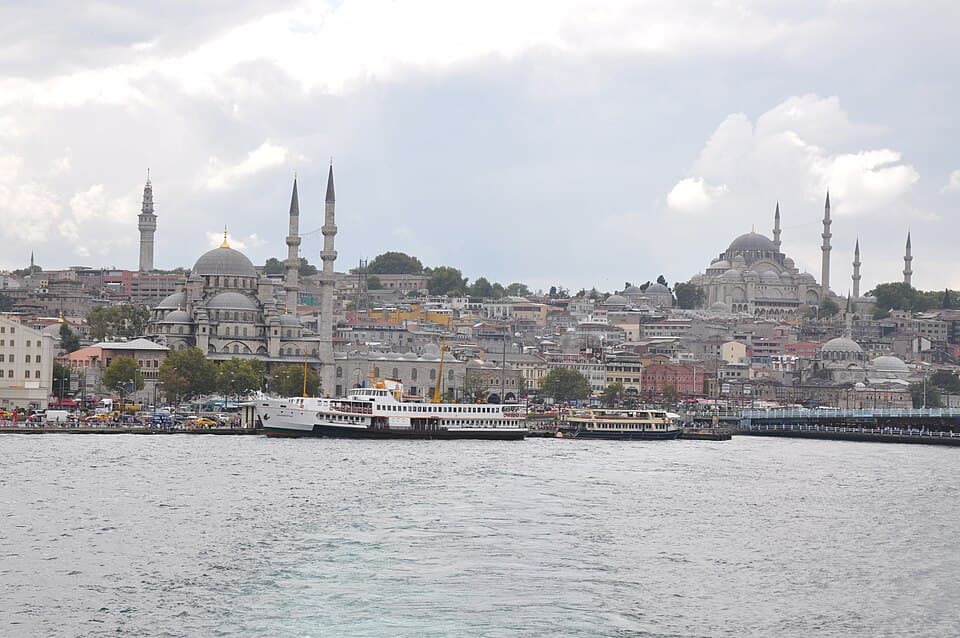
Eminönü Square Waterfront
Busy ferry hub with classic street snacks
This stop introduces Eminönü Square as a chaotic waterfront hub where ferries, commuters, and street vendors converge. The narration should describe simit sellers with their red carts, roasted chestnut braziers, and sometimes corn-on-the-cob stands, using them to explain how quick snacks fit into daily Istanbul routines. It should outline Eminönü’s historical role as a gateway to the city and its closeness to the New Mosque complex and bazaars. One anecdote can describe early-morning office workers grabbing simit to eat on the ferry, and another can evoke how chestnut and sesame smells change with the seasons, marking winter and summer rhythms. The focus here is on setting the sensory tone of the tour and situating the listener geographically before entering more specialized food districts.
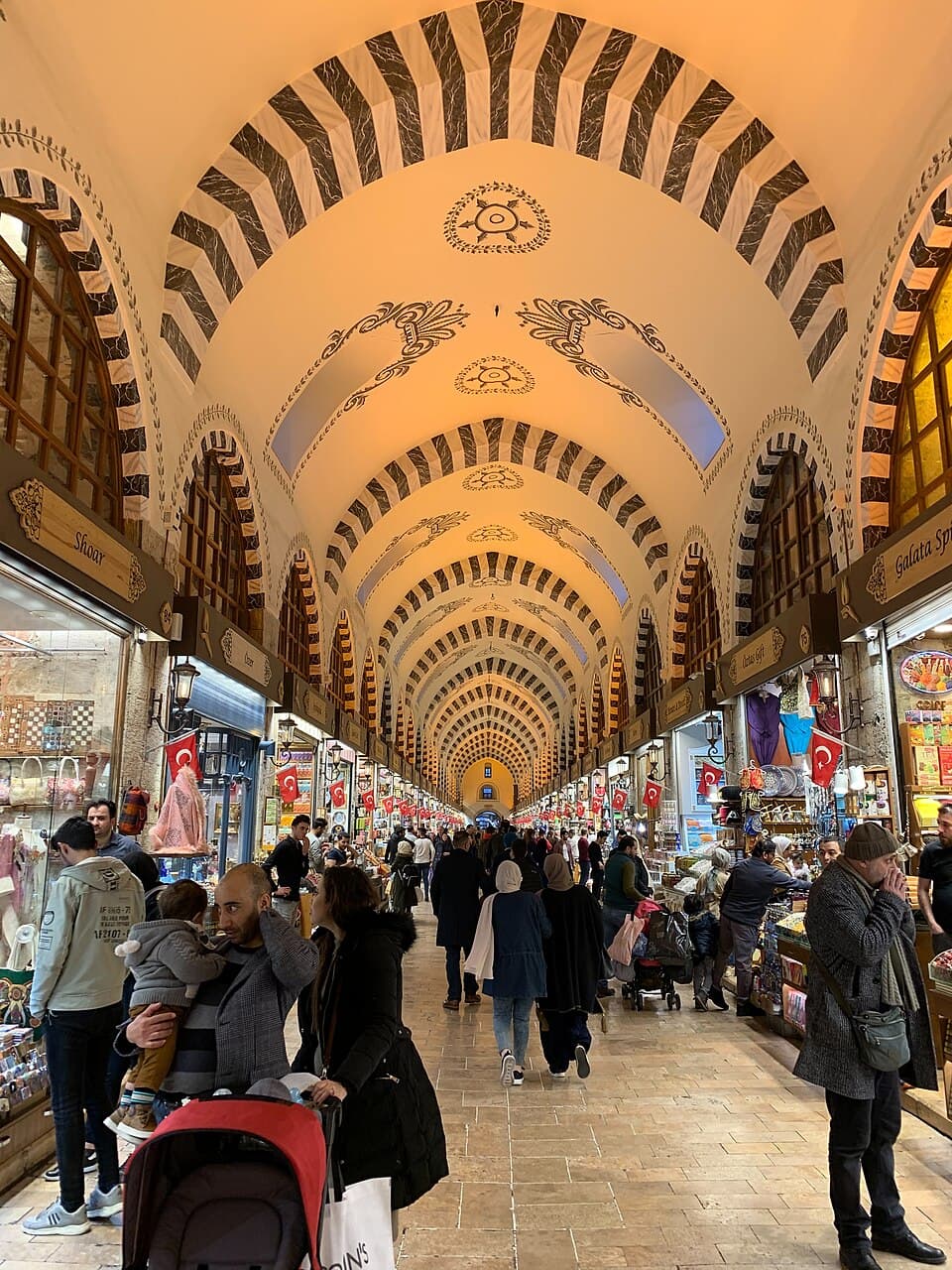
Egyptian Spice Bazaar
Ottoman-era covered market of spices and sweets
This stop explores the Egyptian Spice Bazaar (Mısır Çarşısı) as an Ottoman-era covered market, historically tied to revenues from Egypt and to the nearby New Mosque complex. The script should describe its L-shaped interior, arched ceilings, and rows of stalls with colorful spices, dried fruits, lokum, and herbal mixtures. It should explain how spices arrived via caravan and sea routes, feeding both palace kitchens and everyday cookery. One anecdote might discuss how locals traditionally came for specific herbal remedies or wedding gift packages, and another might recall how shopkeepers used elaborate displays of nuts and sweets to signal prosperity on religious holidays. Emphasis should be on commerce, ceremony, and smell. No other stop should reuse these herbal-remedy or holiday-display stories.
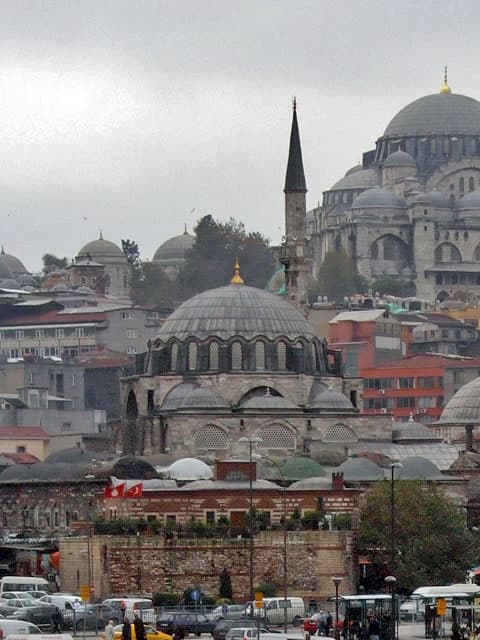
Rüstem Pasha Mosque Courtyard
Hidden mosque beside lively food alleys
This stop focuses on the area around Rüstem Pasha Mosque, emphasizing the contrast between its elevated, tile-covered interior and the dense food alleys below. The narration should briefly outline Rüstem Pasha’s status as a powerful Ottoman grand vizier and how mosques often anchored surrounding commercial life. Visually, it should direct attention to narrow passages, small lokanta-style eateries, and counters serving simple dishes to workers. One anecdote can describe midday prayer time when shopkeepers coordinate quick meals around the call to prayer, and another can evoke a traditional tiny soup shop that locals remember by its steaming windows in winter. The key theme is how religious, commercial, and culinary routines interlock in a compact urban space. These specific prayer-time meal rhythms and the steaming-soup-window image should not be repeated elsewhere.
Tahtakale Backstreets
Wholesale nuts, tea, and coffee district
This stop uses Tahtakale’s backstreets to reveal the wholesale backbone of Istanbul’s food economy. The narration should describe stacks of burlap sacks filled with kuru yemiş (nuts and dried fruits), boxes of tea and coffee, and porters maneuvering through tight lanes. Historically, it can mention Tahtakale’s long role as a merchants’ quarter serving both local shops and traders from Anatolia and beyond. One anecdote may highlight an early-morning scene when shopkeepers roast nuts on-site, perfuming the whole alley, and another can describe how a family-owned tea wholesaler keeps decades-old wooden drawers labeled with different blends. The focus is on behind-the-scenes supply networks rather than retail spectacle. Do not repeat these roasting-at-dawn or labeled-drawer stories at other stops.
Mahmutpaşa and Mercan Coffeehouses
Traditional coffeehouses in old commercial streets
This stop investigates the historic coffeehouses scattered around the Mahmutpaşa and Mercan area, within older commercial streets between the bazaars and the hill. The narration should sketch the look of a traditional kahvehane: low stools, backgammon boards, tea glasses, and men reading newspapers or chatting. Historically, it can outline how such places hosted storytellers, guild meetings, and sometimes political discussion, making authorities wary at different times. One anecdote may recall how a local owner is said to recognize regulars by their preferred coffee strength without asking, and another can evoke evening backgammon games where onlookers quietly bet on the outcome. The theme is the social fabric of coffeehouses as semi-public living rooms. The recognition-by-order and backgammon-betting anecdotes must stay unique here.
Galata Bridge Fish Stalls
Balık ekmek and fishermen over the Golden Horn
This stop centers on the Galata Bridge as a place to eat balık ekmek, the classic fish sandwich, while watching fishermen line the rails. The script should describe the smell of grilling fish, the sizzle from flat-top grills, and plastic stools or simple counters where people stand to eat. Historically, it can touch on the bridge as a link between the historic peninsula and Beyoğlu and how fish stalls have become part of its everyday iconography. One anecdote may describe fishermen sharing extra bait or small fish with children who show curiosity, and another could note the local habit of squeezing lemon and sprinkling sumac on the sandwich over the water, trying not to drop anything. The mood is informal and waterfront-focused. Do not reuse the bait-sharing or lemon-over-the-water habits elsewhere.
Karaköy Güllüoğlu Area
Baklava traditions in a busy harbor district
This stop uses the Karaköy Güllüoğlu baklava shop and its surroundings to delve into baklava and pastry culture. The narration should describe trays of golden, syrup-glazed pastries, the fine layers of yufka dough, pistachio and walnut fillings, and the hum of customers carrying boxes away. Historically, it can mention baklava’s associations with festive occasions, hospitality, and Ottoman palace kitchens, without claiming a single point of origin. One anecdote might recount how families from different parts of the city are said to meet here halfway to share dessert after work, and another can describe a worker expertly cutting baklava into diamonds in a single flowing motion that visitors watch like a performance. Focus is on craftsmanship and shared sweetness. Keep these family-meeting and cutting-performance images unique to this stop.
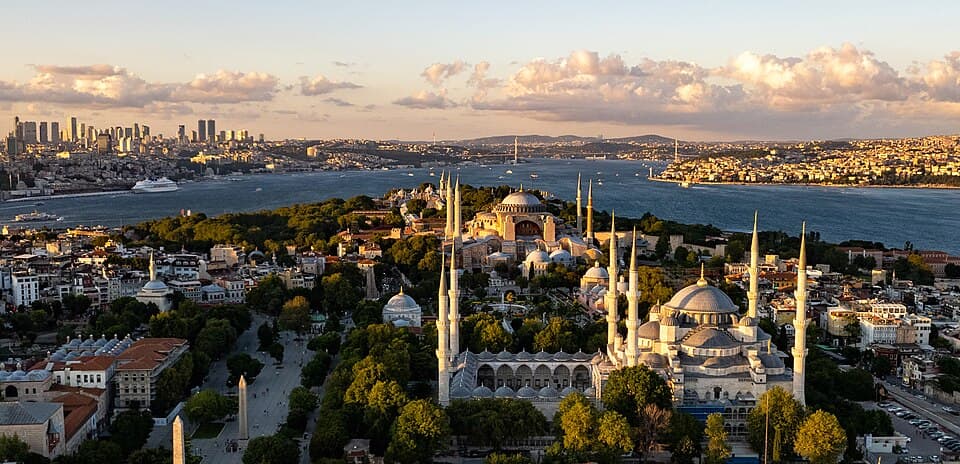
Karaköy Waterfront Meyhanes
Cafés and meyhanes along the Karaköy shore
This stop looks at the Karaköy waterfront as a strip of cafés and meyhanes, linking daytime harbor life with evening social rituals. The narration should describe outdoor tables, clinking glasses, plates of meze, and the backdrop of ferries and city lights. It should explain the meyhane tradition as a tavern-like setting for raki, shared dishes, and long, talk-filled meals, often stretching late into the night. One anecdote may describe a group of old friends who yearly choose the same waterside table to mark their friendship anniversary, and another might evoke musicians occasionally moving between tables, taking song requests that prompt spontaneous sing-alongs. Themes: conviviality, ritual, and the interplay of sea and city after dark. These friend-anniversary and roving-musician details must not appear in other summaries.
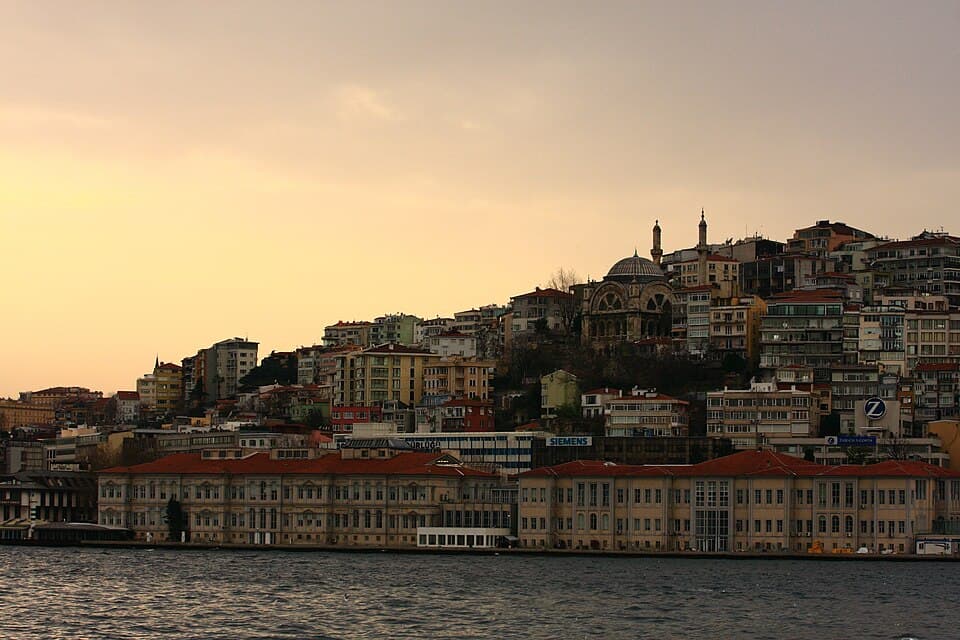
Cihangir Neighborhood Cafés
Hillside streets with relaxed café culture
This stop introduces Cihangir as a hillside neighborhood known for its relaxed cafés, brunch spots, and a mix of residents, artists, and students. The narration should evoke narrow streets, apartment balconies, and corner cafés with people working on laptops beside those lingering over tea. Historically, it can touch on the area’s changing population and reputation as a creative, somewhat bohemian quarter. One anecdote may describe a typical slow weekend morning when locals queue for menemen or pastry brunch, while cats weave between tables, and another can note how some long-time residents still prefer simple tea over espresso drinks, creating quiet generational contrasts at the same table. Focus is on everyday rhythm and coexistence of old and new habits. These brunch-queue and generational-drink-preference anecdotes must stay specific to Cihangir.
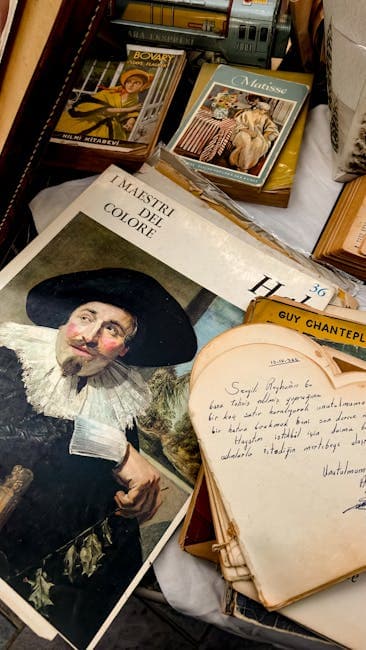
Çukurcuma Antiques and Eateries
Antique shops mixed with small neighborhood eateries
This stop explores Çukurcuma’s side streets, where antique shops, vintage dealers, and small eateries sit side by side. The narration should describe old furniture, framed prints, and stacked objects visible through shop windows, contrasted with modest lokantas or snack bars nearby. Historically, it can mention the neighborhood’s association with antique hunting and how changing tastes have brought in design studios and niche food spots. One anecdote could follow a scene of someone bargaining over an old lamp before slipping into a tiny eatery for a bowl of home-style stew, and another might note how some cafés incorporate secondhand furniture, so chairs and tables themselves have past lives. Themes: memory, reuse, and leisurely, curious wandering. These bargaining-and-stew and reused-furniture images should not recur elsewhere.
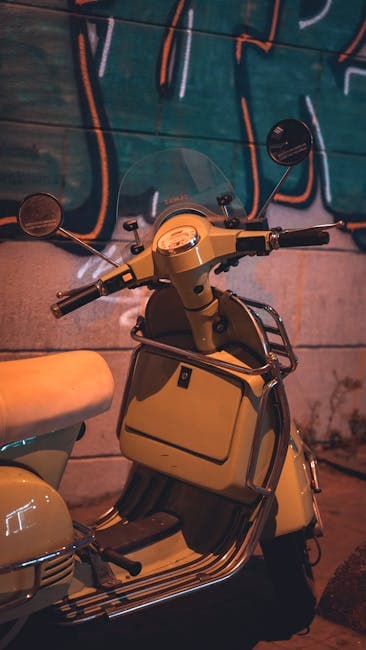
Tophane Tea and Nargile
Waterfront tea gardens and nargile cafés
This final stop looks at the Tophane area’s tea gardens and nargile cafés as a contemporary echo of older Ottoman coffeehouse culture. The narration should evoke shaded outdoor seating, low tables, and waiters carrying trays of tulip-shaped tea glasses, alongside the bubbling sound and sweet smoke of nargile pipes. It can briefly note Tophane’s historic role as an artillery and port area, now partly transformed into social spaces where different generations gather. One anecdote may depict a group playing cards or okey for hours over endless tea refills, and another might describe how some regulars carefully pack and prepare their own favored tobacco blend, treating it as a small ritual. The stop should close the tour by reflecting on continuity in Istanbul’s social drinking habits. Do not repeat the card-game or self-packed-tobacco rituals at other stops.
Start This Tour
Download Roamway to experience this audio tour
Tour Details
Access
Free
Stops
11 points of interest
Languages
GermanEnglishSpanishFrench
More tours in İstanbul
View all tours in İstanbulOther tours you might enjoy:
Istanbul: Sultanahmet to Galata Bridge Historic Highlights
This tour explores Istanbul’s historic peninsula from Sultanahmet Square to the Galata Bridge, passing major Byzantine and Ottoman landmarks. It includes mosques, cisterns, bazaars, fountains, and monuments such as Hagia Sophia, the Blue Mosque, the Grand Bazaar, and Süleymaniye Mosque, with context on religion, imperial power, daily life, and urban development.
Istanbul: Imperial Mosques, Aqueducts and Skyline Views
This tour explores Istanbul’s historic peninsula from Süleymaniye to the Galata Bridge, focusing on Ottoman imperial mosque complexes and earlier Byzantine layers. It includes major külliyes, madrasas, tombs, and aqueducts, highlighting shifts from classical Ottoman to baroque architecture, urban planning, and the city’s changing skyline and religious landscape.
Istanbul Bosphorus: Palaces, Mosques and Waterfront Life
This tour follows the European shore of the Bosphorus from Kabataş to Kuruçeşme, focusing on imperial palaces, mosques, and modern city life. It covers Dolmabahçe and Çırağan Palaces, Beşiktaş and Ortaköy squares, parks, and bridge viewpoints, with attention to Ottoman architecture, maritime history, and contemporary waterfront culture.
Frequently Asked Questions
How do I start this audio tour?
Download the Roamway app, search for this tour, and tap 'Start Tour'. The app will guide you to the starting point using GPS. Once you're there, the audio narration begins automatically.
Do I need an internet connection?
No! Once you've downloaded the tour in the Roamway app, it works completely offline. The GPS navigation and audio narration function without an internet connection.
Can I pause and resume the tour?
Yes! You can pause the tour at any time and resume later. Your progress is automatically saved, so you can complete the tour over multiple sessions if needed.