
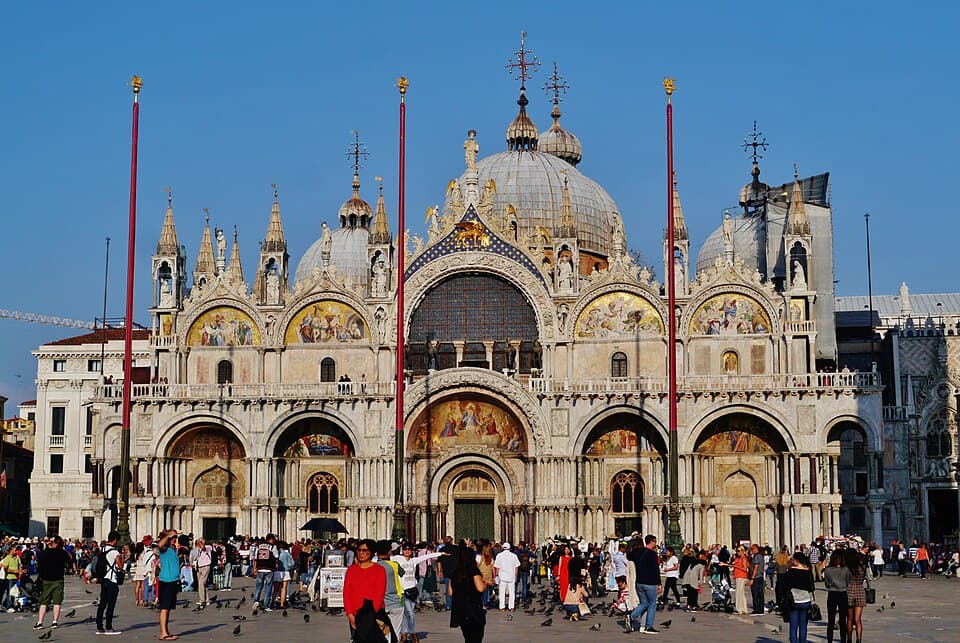
Venice: Great Churches, Relics and Renaissance Art
Venezia, Italia
Audio Preview
Listen to a sample of this audio tour to get a feel for the experience.
What You'll Experience
On this Venice: Great Churches, Relics and Renaissance Art audio tour in Venezia, you'll discover 10 carefully selected points of interest, each with its own story. The tour is designed to be completed at your own pace, with GPS navigation guiding you from one location to the next. As you approach each stop, the audio narration automatically begins, bringing history, culture, and local insights to life.
About This Tour
This tour explores major churches in Venice, including St Mark’s Basilica, Santa Maria della Salute, San Zaccaria, Zanipolo, and the Frari, along with selected smaller churches and confraternity spaces. It focuses on religious relics, Byzantine and Renaissance mosaics, architectural styles, and key artworks such as Tintoretto’s cycles at the Scuola Grande di San Rocco.
Points of Interest
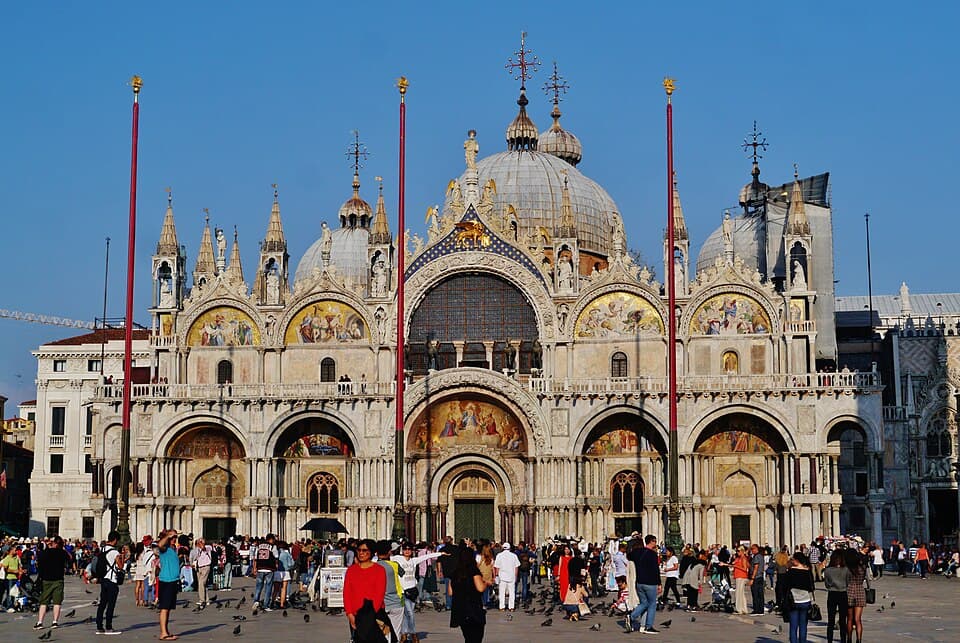
Basilica di San Marco
Relics, mosaics, and Venice’s Byzantine heart
This stop introduces St Mark’s Basilica as Venice’s spiritual and political core, focusing on its interior relics and glittering mosaics. The script should explain how the supposed relics of Saint Mark came to Venice and how they underpinned the city’s status, along with the layering of Byzantine and later mosaics inside. It should describe the golden vaults, narrative biblical scenes, and the sense of entering a “stone reliquary”. An anecdote can cover the dramatic hiding and later rediscovery of Saint Mark’s relics within the basilica during a period of rebuilding, emphasizing how the story enhanced the relic’s mystique. The church’s connection to Venice’s ties with the Eastern Mediterranean should be highlighted throughout.
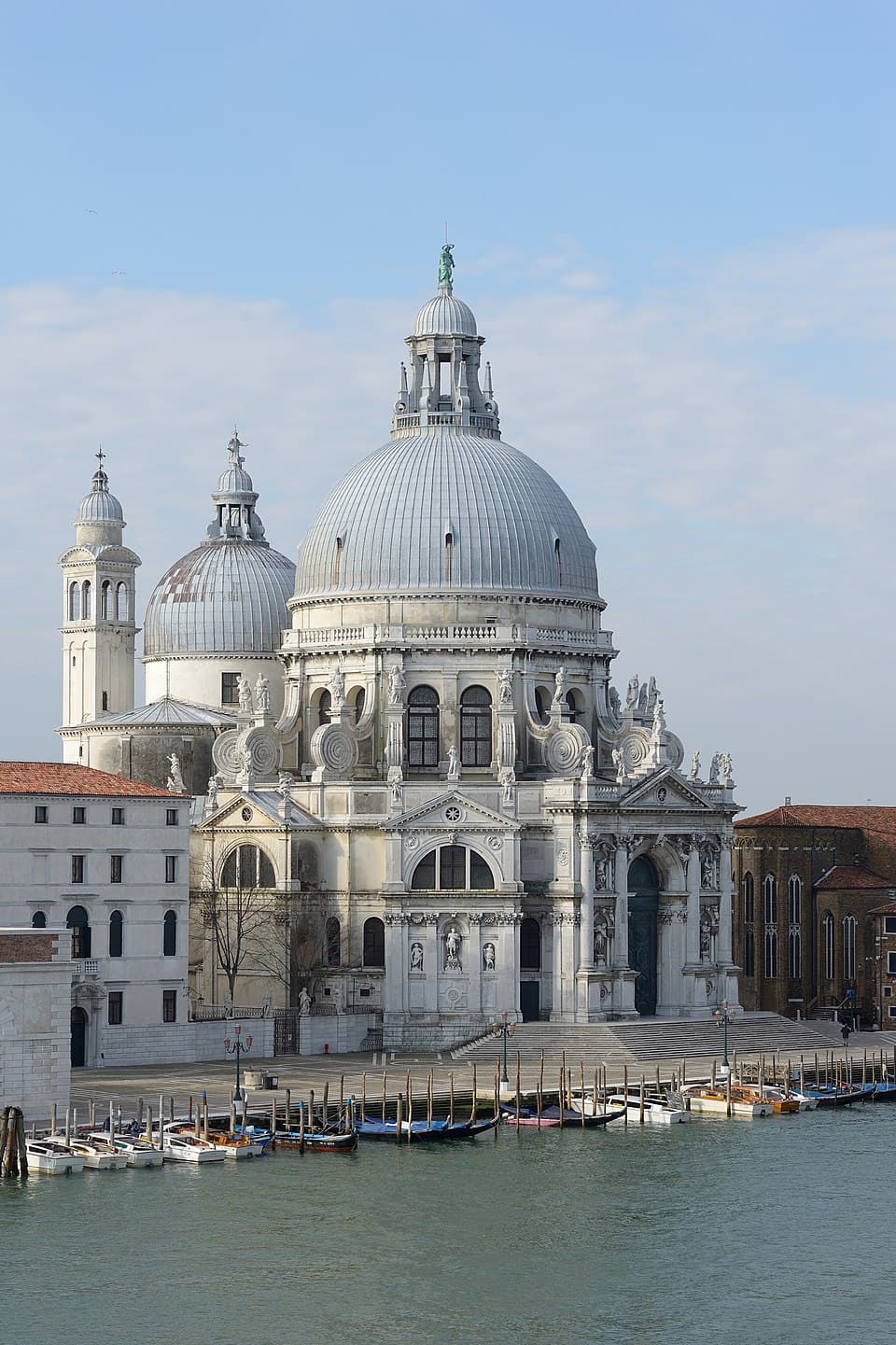
Santa Maria della Salute
Plague votive church guarding the Grand Canal
This stop presents Santa Maria della Salute as a grand Baroque votive church built in thanks for deliverance from plague. The script should emphasize its commanding position at the Grand Canal’s mouth, its octagonal form, and its great dome visible across the lagoon. Inside, it can discuss the strong Marian devotion, the long annual procession across a temporary bridge, and key paintings linked to the Virgin. A unique anecdote should recount how the Venetian Senate vowed to build this church if the plague subsided, and how its foundation required driving thousands of wooden piles into the lagoon mud to support the immense weight of the structure.
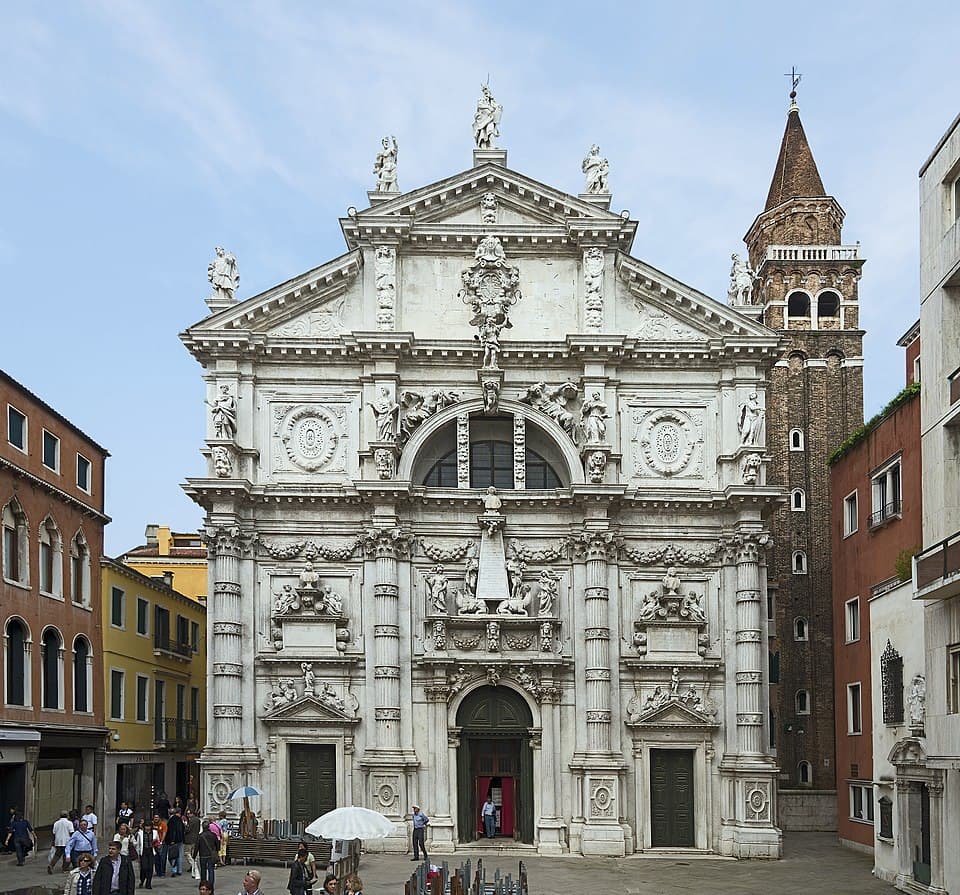
Chiesa di San Moisè
Dramatic Baroque façade of devotion and display
This stop focuses on the exterior of San Moisè, a compact church with an exceptionally ornate Baroque façade. The script should describe the dense sculptural decoration, crowded with figures, volutes, and coats of arms that reflect both religious themes and the ambitions of sponsoring families. It should explain the unusual dedication to Moses and how that Old Testament subject appears in the reliefs. A distinctive anecdote might note that some Venetians historically criticized the façade’s exuberance as more about private vanity than piety, using it as an example of late Baroque excess in a constrained urban setting.
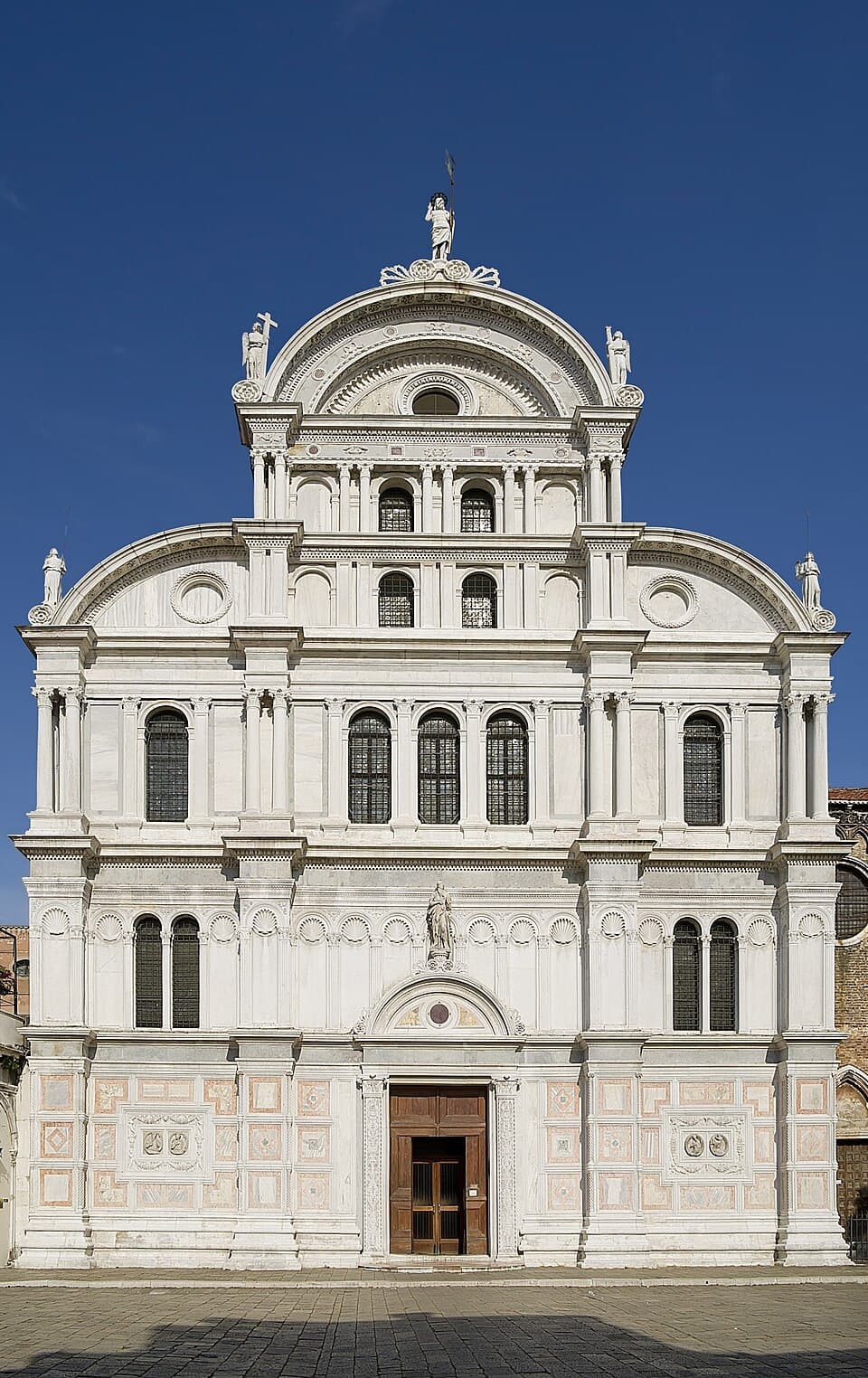
Chiesa di San Zaccaria
Monastic church of relics and Renaissance art
This stop presents San Zaccaria as a former Benedictine nuns’ church with important relics and a layered architectural history. The script should explain its Gothic and early Renaissance elements, the adjoining convent buildings, and the presence of relics associated with Saint Zacharias. Inside, it should highlight notable altarpieces and fresco fragments that show the transition from medieval to Renaissance styles. A unique anecdote could describe how Venetian doges once visited the nuns here in ritual processions, entering a specially arranged parlor or chapel space, symbolizing the delicate balance between cloistered religious life and civic authority.
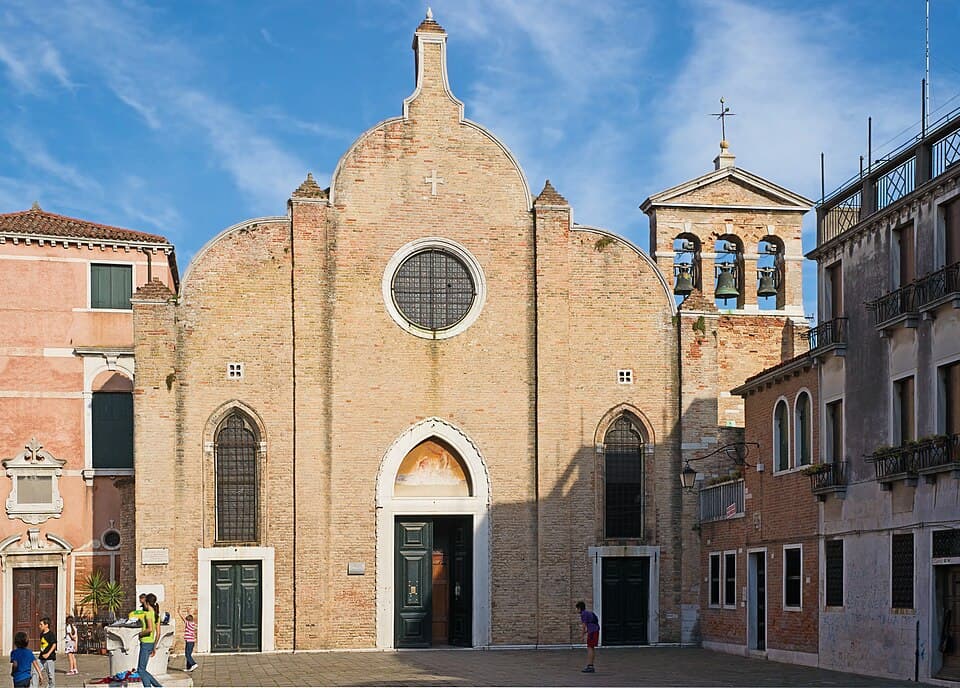
San Giovanni in Bragora
Quiet parish church in a lived-in campo
This stop introduces the campo and church of San Giovanni in Bragora as an example of a neighborhood parish setting. The script should evoke the modest brick façade, the intimate square, and the sense of daily life around the church, contrasting it with the great state basilicas. Inside, it can mention important artworks linked to local devotion and the role of parish churches in baptisms and community rites. A distinct anecdote may reference that a notable Venetian composer or public figure was baptized here, emphasizing how even humble churches are tied to the city’s cultural history.
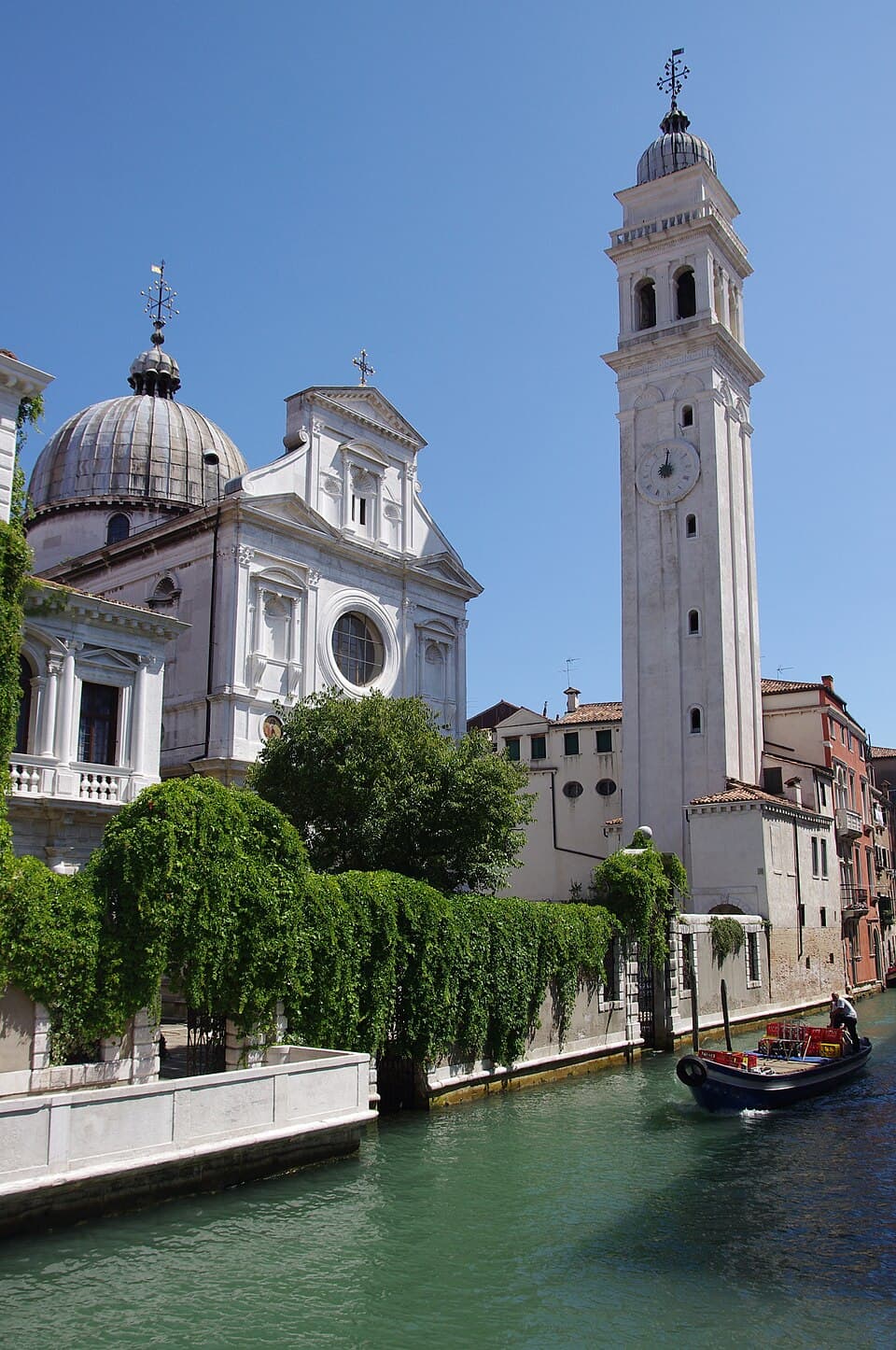
San Giorgio dei Greci
Greek Orthodox landmark with leaning bell tower
This stop focuses on the exterior of San Giorgio dei Greci and its campanile, highlighting Venice’s historic Greek Orthodox community. The script should explain how Greek merchants and refugees established their own church, with architecture and decoration shaped by Byzantine liturgical traditions. It should draw attention to the slightly leaning bell tower and the cluster of related buildings along the canal. A unique anecdote can tell how this church became a cultural hub where Greek language, rites, and icon painting were preserved in Catholic Venice, symbolizing both hospitality and the city’s need for skilled Eastern navigators and traders.
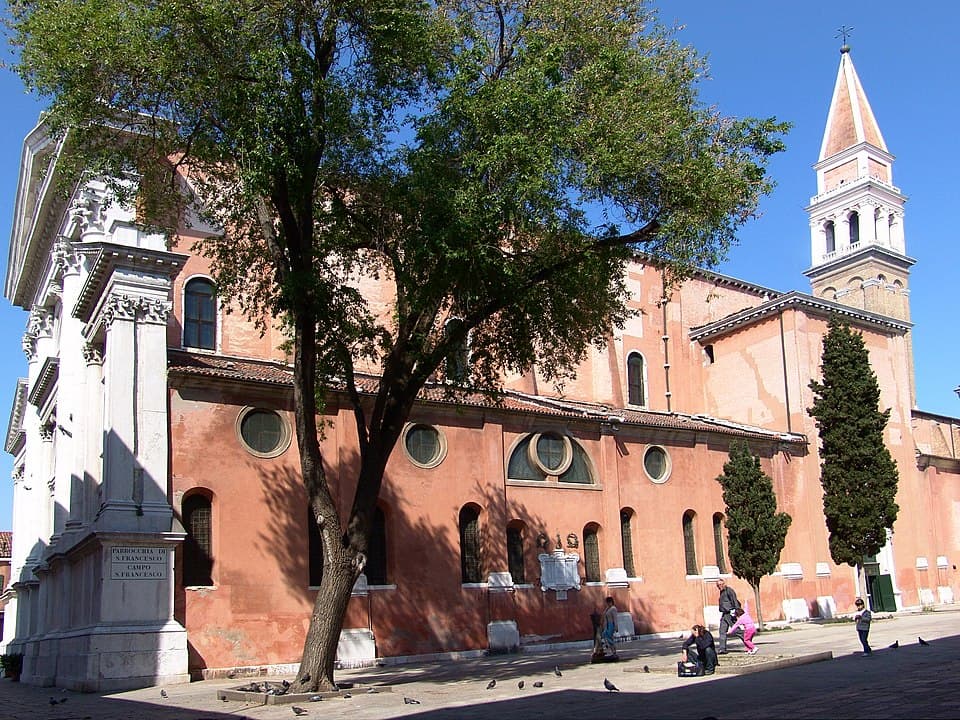
San Francesco della Vigna
Quiet monastic courtyard and Renaissance façade
This stop presents San Francesco della Vigna as a serene Franciscan complex set slightly off main tourist routes. The script should describe the sober Renaissance façade, the spacious forecourt or cloister area, and the connection to former vineyards implied in the name. It should emphasize the role of this convent near the Arsenal and how its design reflects more restrained, classical tastes compared with exuberant Baroque churches. A distinct anecdote might relate how humanist patrons and architects discussed ideal church proportions here, turning the site into a kind of laboratory for applying classical theory to a working monastic church.
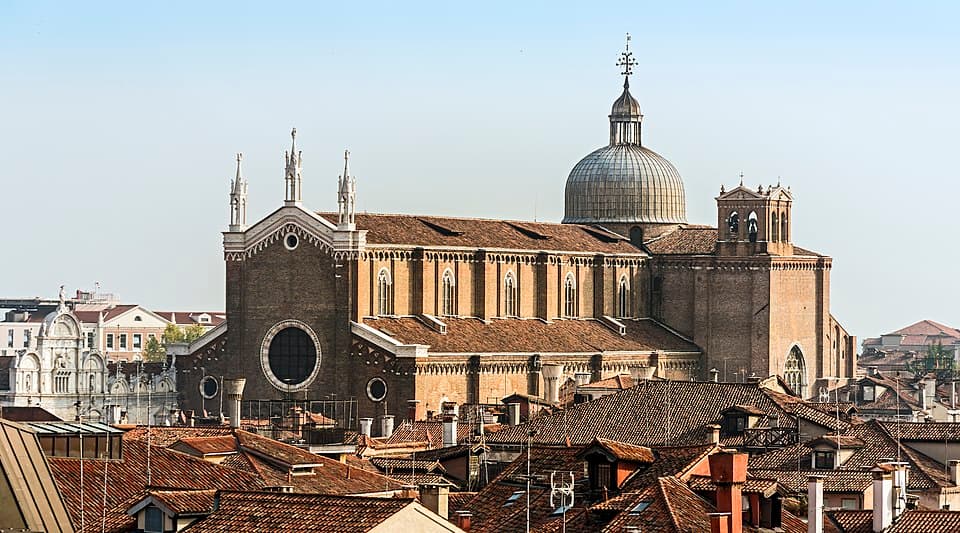
Santi Giovanni e Paolo
Zanipolo, pantheon of Venetian doges
This stop explores the vast Dominican basilica of Santi Giovanni e Paolo, known locally as Zanipolo, and its role as a burial place for many doges. The script should evoke the soaring Gothic interior, lined with monumental tombs and illuminated by stained glass and side chapels. It should explain the Dominican preaching mission and why this large space suited public ceremonies and funerals. A unique anecdote may recount a particularly elaborate doge’s funeral held here, with processions from the nearby Piazza and elaborate catafalques, illustrating how closely civic ritual was tied to this church.
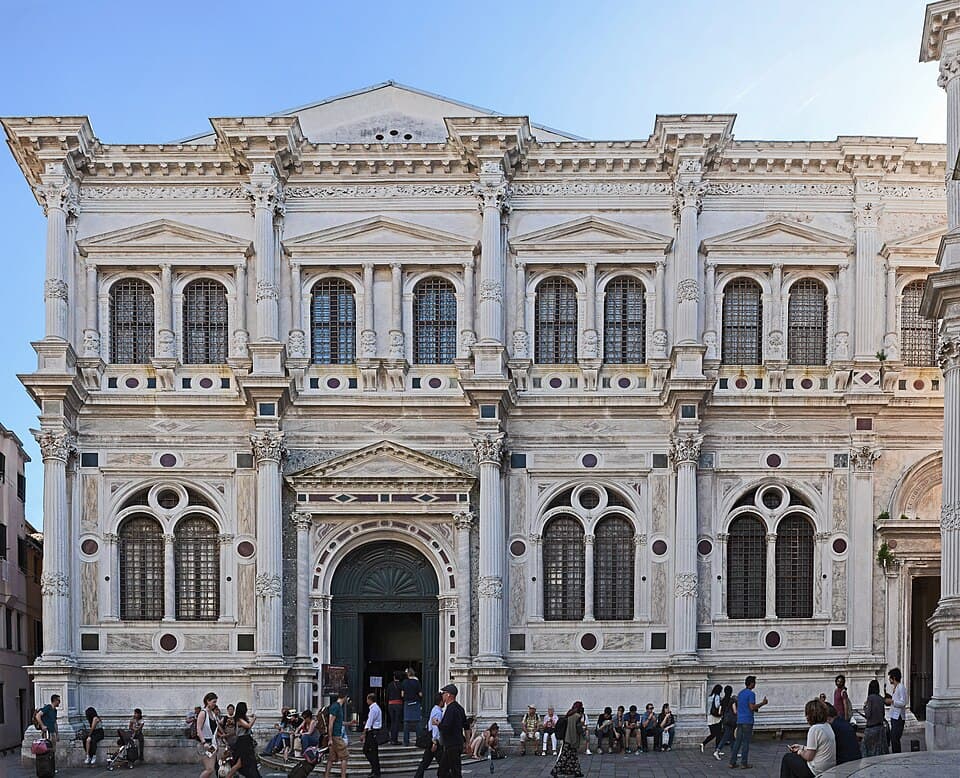
Scuola Grande di San Rocco
Confraternity hall filled with Tintoretto’s visions
This stop presents the Scuola Grande di San Rocco as a grand confraternity building whose interiors are covered with Tintoretto’s vast religious cycles. The script should explain what a “scuola” was in Venice—lay brotherhoods focused on charity and devotion—and how this one gained prestige through its association with the relics of Saint Roch. Inside, it should describe the dense program of paintings on ceilings and walls, showing scenes from the life of Christ and the Old Testament, and Tintoretto’s dramatic lighting effects. A unique anecdote might recount the story that Tintoretto surprised the confraternity by installing a completed ceiling painting rather than submitting a sketch, effectively winning the commission through audacity.
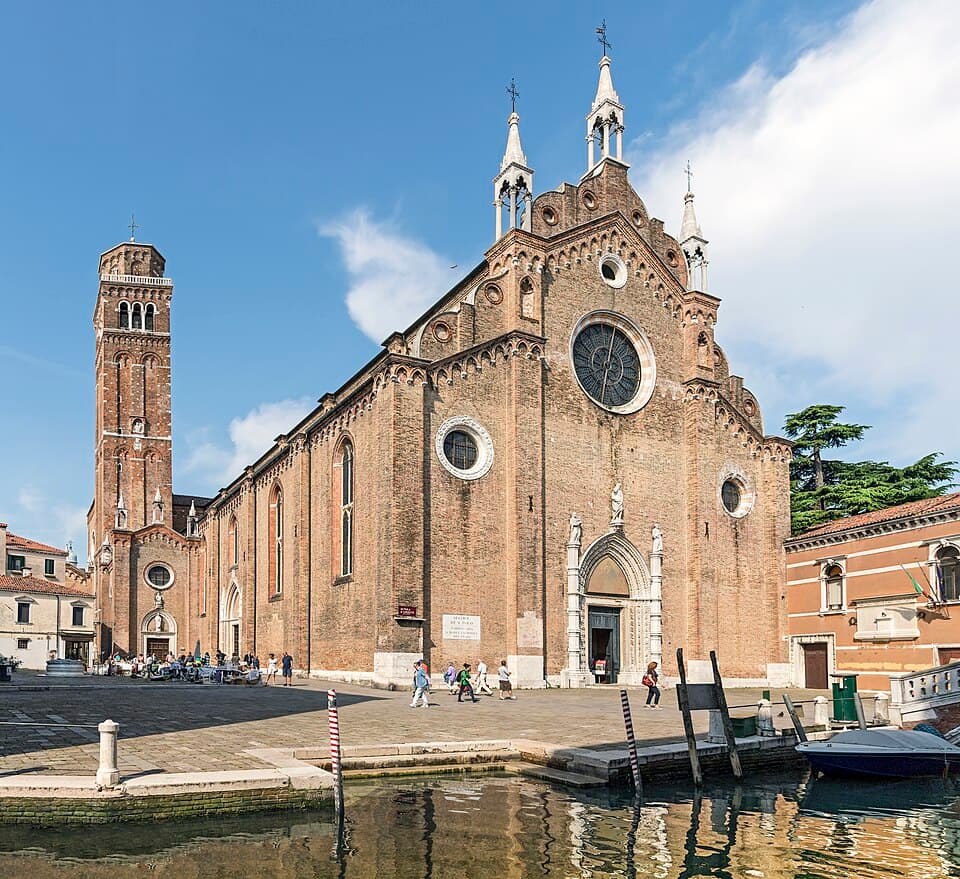
Santa Maria Gloriosa dei Frari
Franciscan giant of tombs and masterpieces
This final stop presents the Frari as a great Franciscan basilica that combines monumental Gothic architecture, major Renaissance artworks, and important tombs. The script should describe the vast brick nave, the tall campanile, and the more austere Franciscan aesthetic compared to Baroque churches, as well as key altarpieces and funerary monuments inside. It should connect the church’s artworks to major Venetian painters and to Franciscan spirituality focused on Christ’s humanity. A unique anecdote could highlight the presence of an elaborate tomb for a famous Venetian artist or statesman here, with its design reflecting both personal fame and the community’s desire to honor cultural achievement in a sacred setting. The tour can conclude by tying together themes of relics, art, and civic identity experienced across Venice’s churches.
Start This Tour
Download Roamway to experience this audio tour
Tour Details
Access
Free
Stops
10 points of interest
Languages
GermanEnglishSpanishFrench
More tours in Venezia
View all tours in VeneziaOther tours you might enjoy:
Venice: St. Mark’s to Rialto History & Canals
This tour explores central Venice from Piazza San Marco to the Rialto area, focusing on major civic and religious landmarks. It covers the exteriors of St. Mark’s Basilica, the Doge’s Palace, and the Bridge of Sighs, then continues along the Riva degli Schiavoni to historic campos, markets, and viewpoints, highlighting Venetian politics, trade, and architecture.
Venice: Quiet Sestieri, Canalside Life & Hidden Campi
This tour explores lesser-known areas of Venice across the Santa Croce, Dorsoduro, and Cannaregio districts, focusing on everyday urban spaces and canalside life. It includes historic campi, traditional gondola craftsmanship at Squero di San Trovaso, and neighborhood landmarks such as Campo San Polo and Madonna dell’Orto. Topics include local history, urban layout, and social life away from major monuments.
Venice: Grand Canal Palaces and San Marco Architecture
This tour explores central Venice from Piazza San Marco to the Grand Canal, focusing on major public spaces and noble palaces. It examines Venetian Gothic, Renaissance, Baroque, and 19th‑century styles through façades, courtyards, and skyline landmarks. Key topics include political power, trade wealth, and the evolution of Venetian urban form.
Frequently Asked Questions
How do I start this audio tour?
Download the Roamway app, search for this tour, and tap 'Start Tour'. The app will guide you to the starting point using GPS. Once you're there, the audio narration begins automatically.
Do I need an internet connection?
No! Once you've downloaded the tour in the Roamway app, it works completely offline. The GPS navigation and audio narration function without an internet connection.
Can I pause and resume the tour?
Yes! You can pause the tour at any time and resume later. Your progress is automatically saved, so you can complete the tour over multiple sessions if needed.