
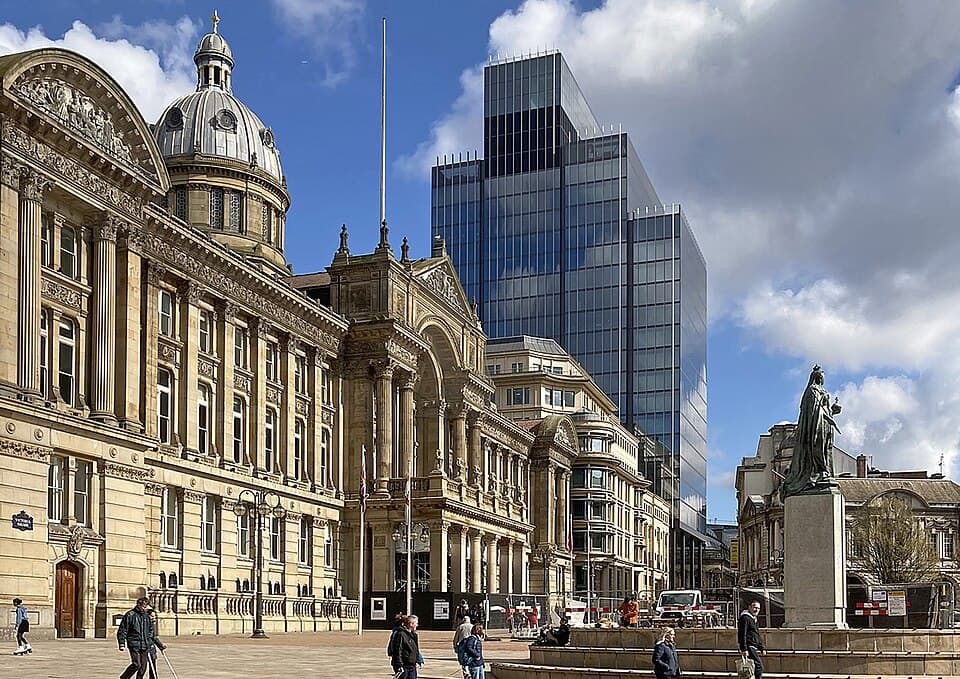
Venice: Grand Canal Art, Churches and Canalside Views
Venezia, Italia
Audio Preview
Listen to a sample of this audio tour to get a feel for the experience.
What You'll Experience
On this Venice: Grand Canal Art, Churches and Canalside Views audio tour in Venezia, you'll discover 11 carefully selected points of interest, each with its own story. The tour is designed to be completed at your own pace, with GPS navigation guiding you from one location to the next. As you approach each stop, the audio narration automatically begins, bringing history, culture, and local insights to life.
About This Tour
This tour follows the Grand Canal between the Accademia and Dorsoduro areas, focusing on major art collections, churches, and historic campos. It covers sites such as the Gallerie dell’Accademia, Santa Maria della Salute, the Peggy Guggenheim Collection (exterior), and Scuola Grande di San Rocco. Topics include Venetian painting, religious architecture, and the city’s shift from maritime power to modern cultural center.
Points of Interest
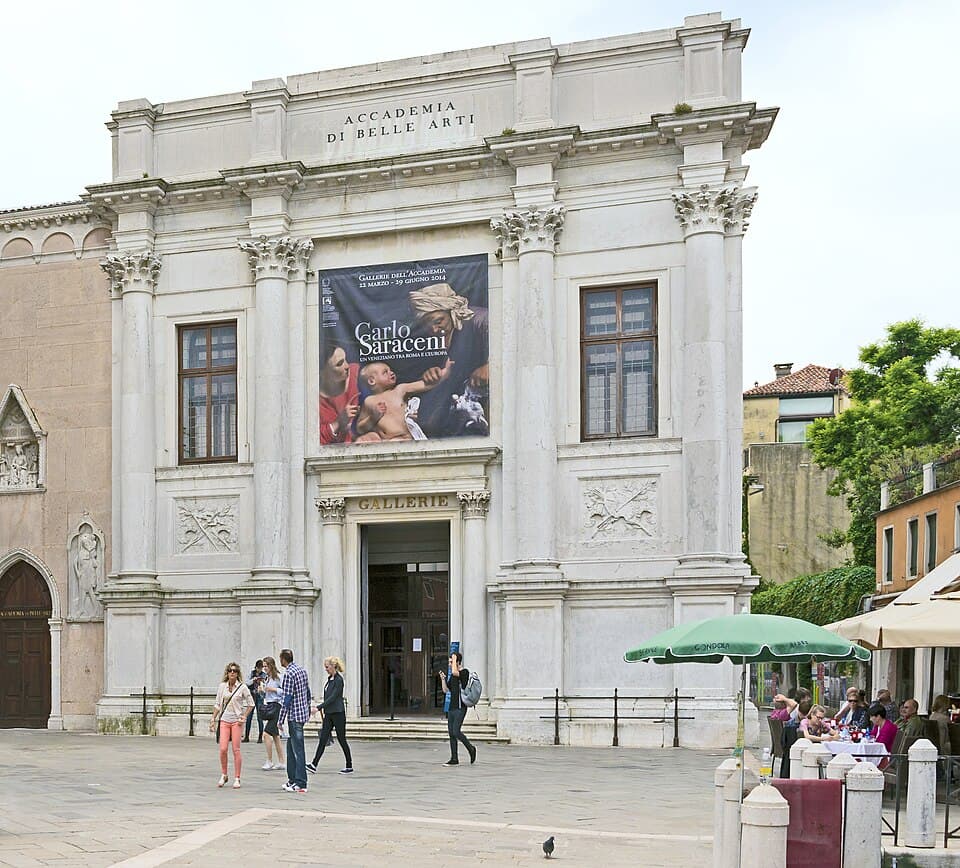
Gallerie dell’Accademia
Gateway to Venetian painting and visual traditions
This stop introduces the Gallerie dell’Accademia as Venice’s main museum of Venetian painting and a gateway to the tour’s art-historical themes. The script should sketch how the gallery grew from an art academy and religious complexes, and how its collection maps the rise of Venetian color, light, and storytelling. It should highlight a few emblematic works—such as pieces by Bellini, Carpaccio, Giorgione, Titian, Tintoretto, or Veronese—and relate them to the city’s identity and the Grand Canal nearby. An anecdote could mention how some large canvases were moved from churches, requiring ingenious methods to extract them from tight interiors without damage.
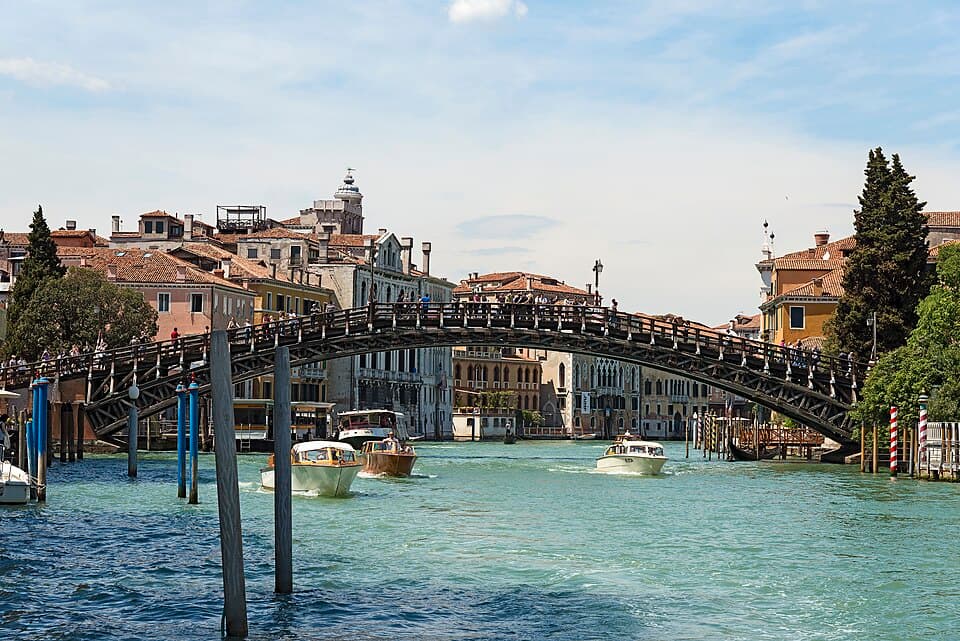
Ponte dell’Accademia
Sweeping Grand Canal panorama and palaces
This stop uses the Accademia Bridge as a dramatic viewpoint over the Grand Canal, framing Venice itself as a kind of open-air artwork. The narration should guide listeners to pick out key landmarks such as Santa Maria della Salute, Punta della Dogana, and nearby palaces, explaining how the canal served as the city’s main artery for trade and ceremony. It should touch on the history of the bridge, including its relatively modern construction and replacement of earlier structures. A distinctive anecdote could recall how the temporary wooden bridge, initially unpopular with some Venetians, became beloved for its warm material and views, influencing the decision to keep a similar form instead of a heavier stone span.
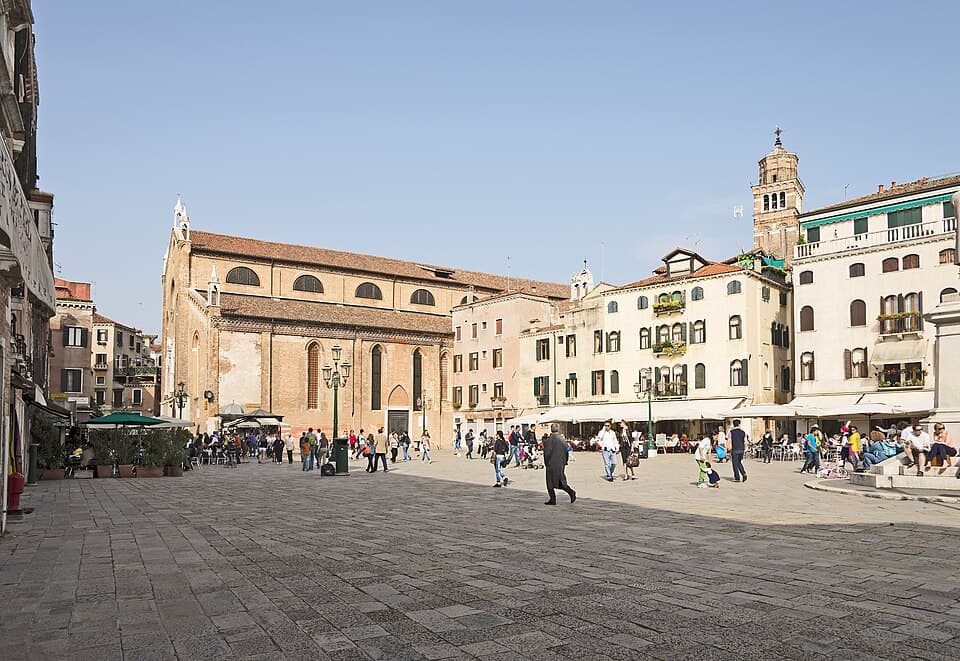
Chiesa di San Vidal
Baroque church, music venue, and paintings
This stop focuses on San Vidal as a small but layered church where sacred art, Baroque architecture, and modern concerts coexist. The narration should describe its façade and interior layout, and comment on notable artworks, such as canvases attributed to artists connected with the late Baroque period. It should explain how the church now hosts classical music performances, illustrating how historic religious spaces in Venice often adapt to cultural uses. A unique anecdote could mention how some visiting musicians have described the acoustics—shaped by stone, stucco, and vaults—as both beautiful and challenging, influencing how they arrange ensembles on the modestly sized altar area.
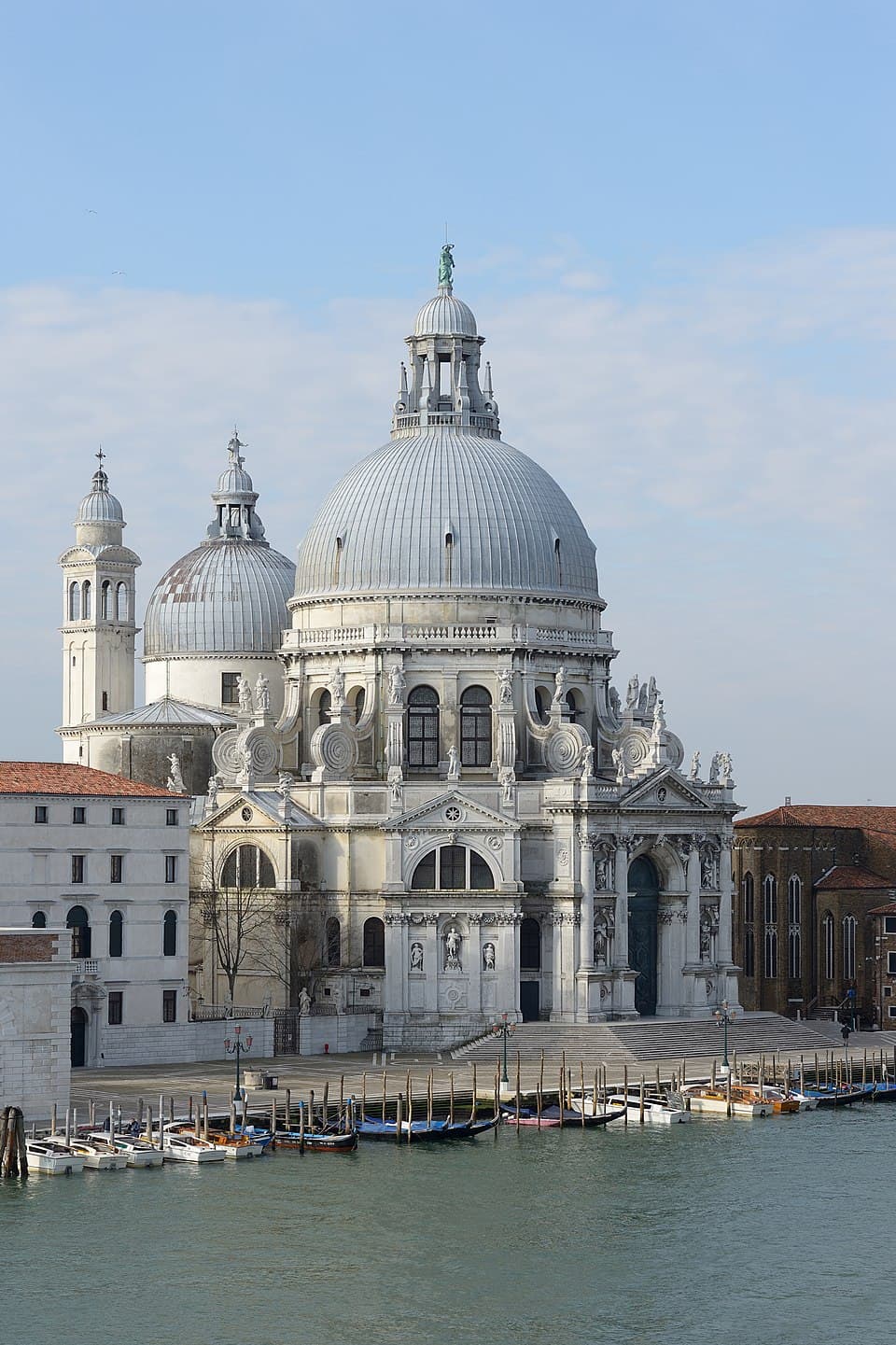
Santa Maria della Salute
Plague vow church and baroque masterpieces
This stop introduces Santa Maria della Salute as a monumental Baroque votive church built in gratitude for deliverance from a devastating plague. The script should explain its distinctive octagonal plan, grand dome, and prominent position at the entrance of the Grand Canal, as well as its role in annual religious processions. Inside, it should highlight key paintings and decorations, especially works connected to Titian and other major Venetian artists, linking them to themes of suffering, intercession, and hope. A unique anecdote could recount how huge wooden foundations and thousands of timber piles were driven into the lagoon mud to support the heavy dome, impressing contemporaries with the engineering required for such a daring site.
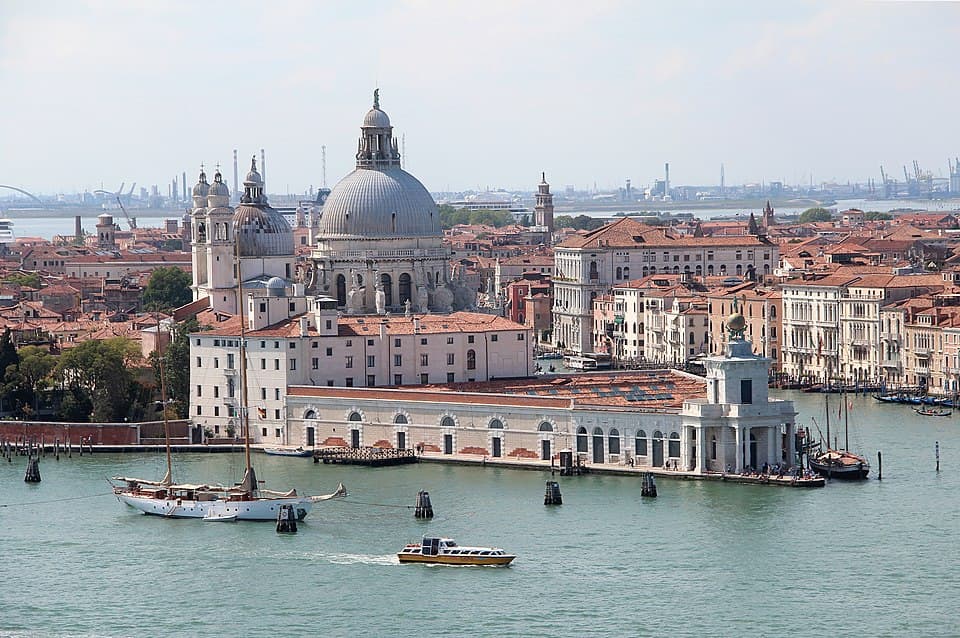
Punta della Dogana
Old customs point turned contemporary art hub
This stop presents Punta della Dogana as the historic customs house at the triangular tip between the Grand Canal and the Giudecca Canal, now repurposed as a contemporary art museum. The narration should describe its long, low form, arcades, and the distinctive tower topped by the golden globe and figures representing Fortune. It should connect the site’s original role in controlling and taxing maritime trade with Venice’s present-day role in global art exchange, including exhibitions linked to the Biennale. A distinctive anecdote could mention how, when large ships once passed by, sailors would watch the turning globe as a symbolic reminder that fortune in trade could change direction at any moment.
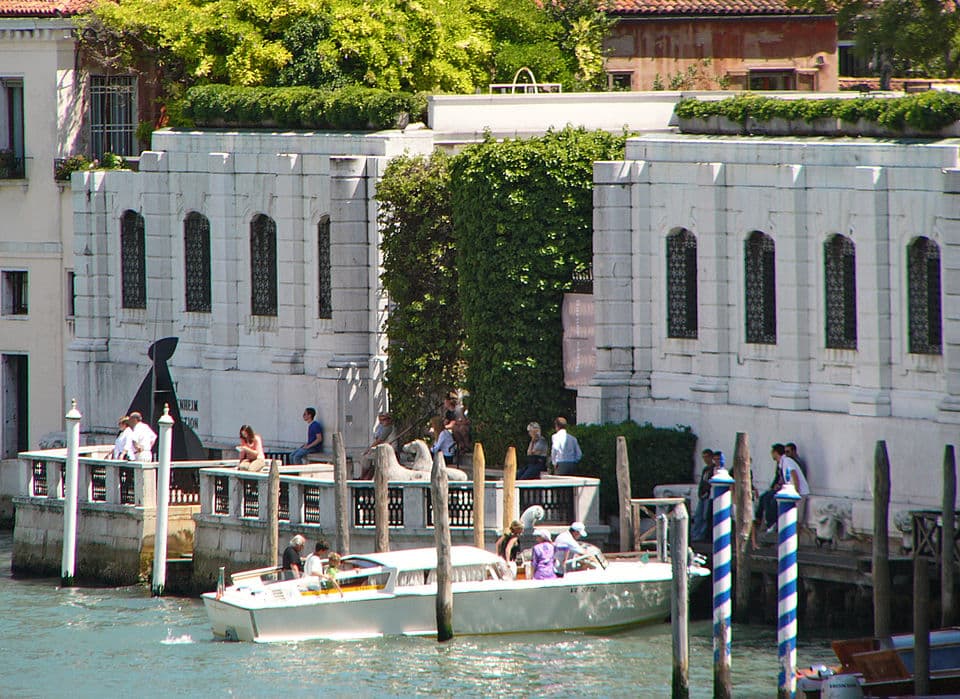
Peggy Guggenheim Collection
Modern art palace on the Grand Canal
This stop focuses on the exterior and story of the Peggy Guggenheim Collection housed in the low, unfinished Palazzo Venier dei Leoni. The script should contrast its horizontal, truncated façade with the taller neighboring palaces, explaining that grander upper floors were never built. It should outline Peggy Guggenheim’s role as a 20th-century collector who brought Surrealism, Cubism, and Abstract Expressionism to Venice, and how her home later became a public museum. A unique anecdote could note that Guggenheim was often seen along this stretch of the canal walking her beloved dogs, whose small gravestones still occupy a discreet corner of the garden inside today.
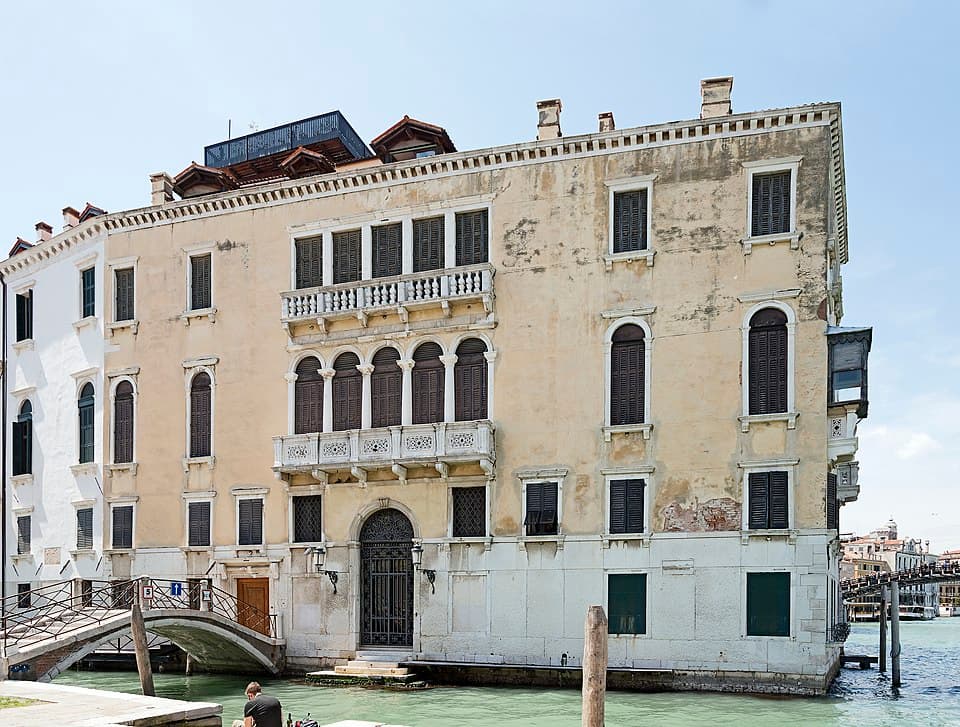
Campo San Vio
Quiet campo with intimate Grand Canal views
This stop highlights Campo San Vio as a small, tranquil square offering one of the more intimate, less crowded vistas of the Grand Canal. The narration should describe the modest church, surrounding palazzi, and the way the campo opens directly onto the water, contrasting with busier scenes near San Marco. It should reflect on everyday life in this area and how the views here shift with light, tide, and season. A unique anecdote could mention that some painters and photographers have long favored this spot as a quieter alternative to the Accademia Bridge, setting up easels or tripods to capture the canal’s bend without large crowds intruding into the frame.
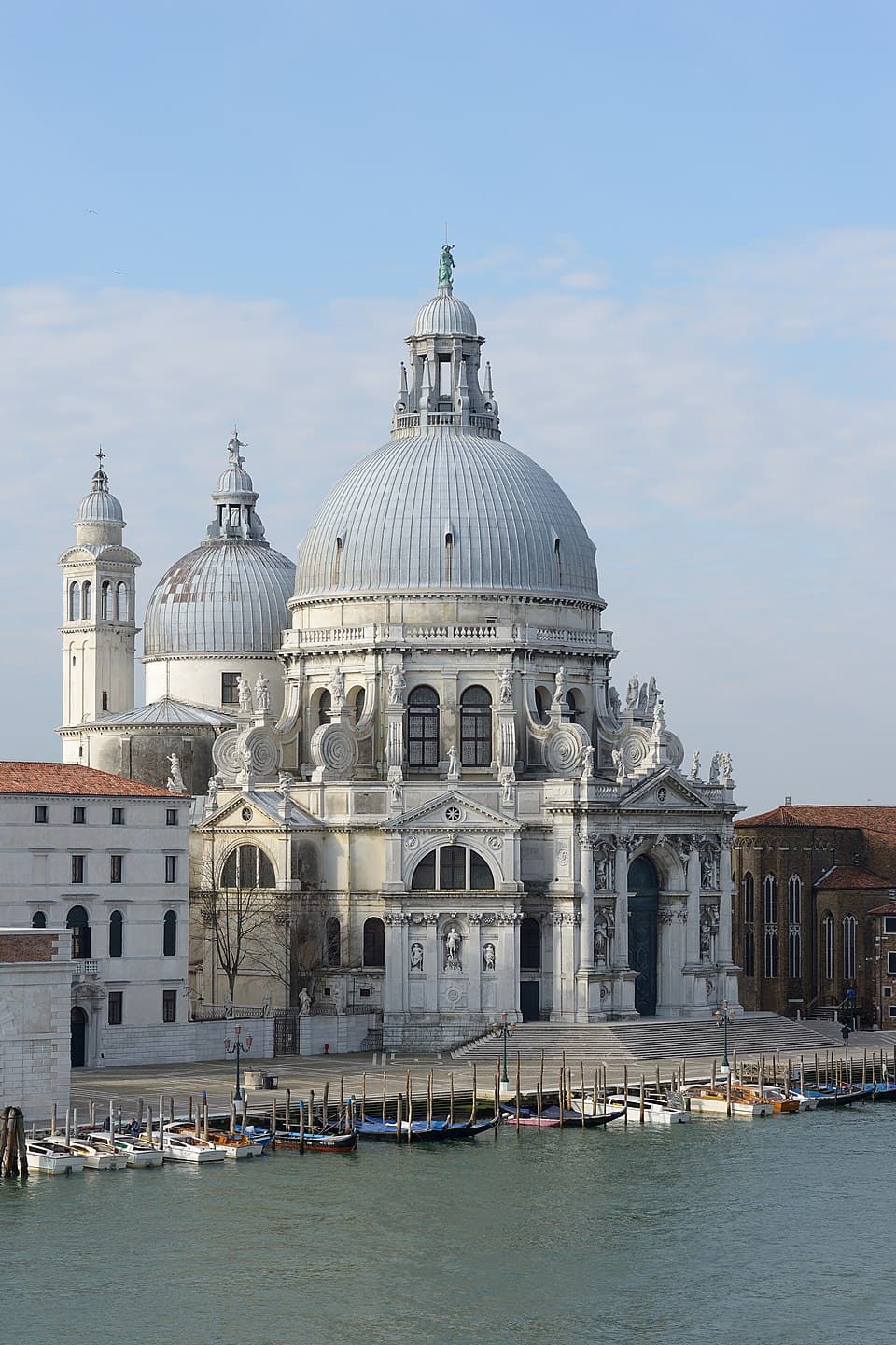
Salute Side Chapels
Intimate chapels with Titian and votive art
This stop returns to Santa Maria della Salute to focus closely on its side chapels and specific artworks within them. The script should highlight paintings by Titian and other masters, explaining how these works relate to themes like the Virgin’s intercession, Venice’s protection, and the commemoration of individual patrons. It should encourage attentive looking at altarpieces, sculpted details, and light filtering into these more intimate spaces, contrasting with the vast central dome. A unique anecdote could reference how certain canvases, darkened by centuries of candle smoke and lagoon humidity, later revealed unexpectedly vivid colors and details after careful modern restorations carried out in situ.
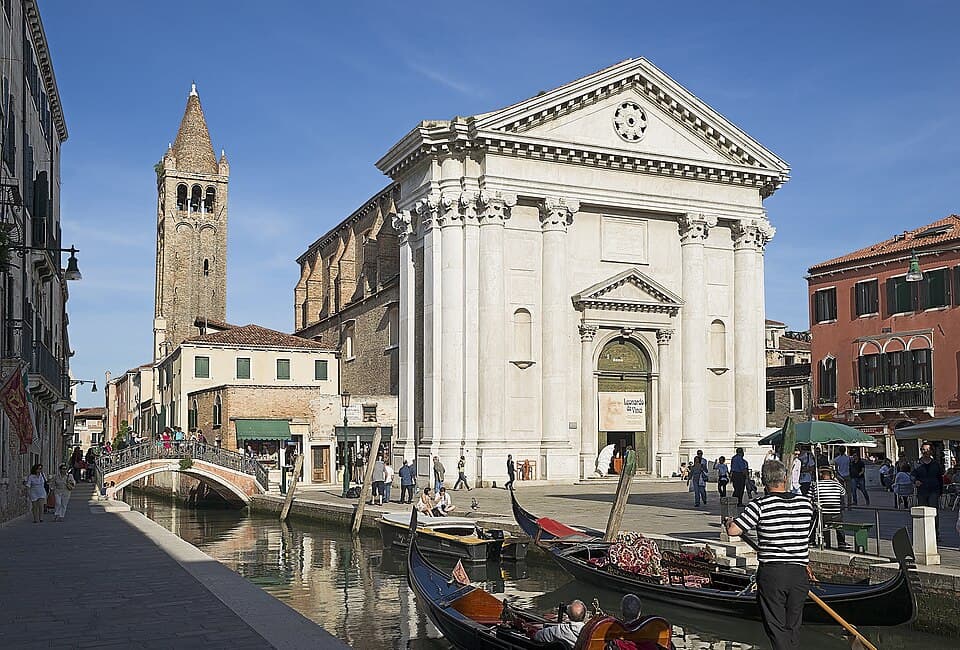
Campo San Barnaba
Lively campo with cinematic connections
This stop presents Campo San Barnaba as a lively neighborhood square framed by its church, canalside edges, and everyday Venetian life. The narration should describe the church’s neoclassical façade, the modest campanile, and the mix of cafés and small businesses around the campo. It should highlight the campo’s associations with cinema and the arts, noting that production crews have used the church exterior and canal here as locations in several well-known films. A unique anecdote could mention how locals recall the disruption—and mild amusement—when a particular movie production temporarily transformed the quiet canal beside the church into an imaginary archaeological site, complete with fake scaffolding and props.
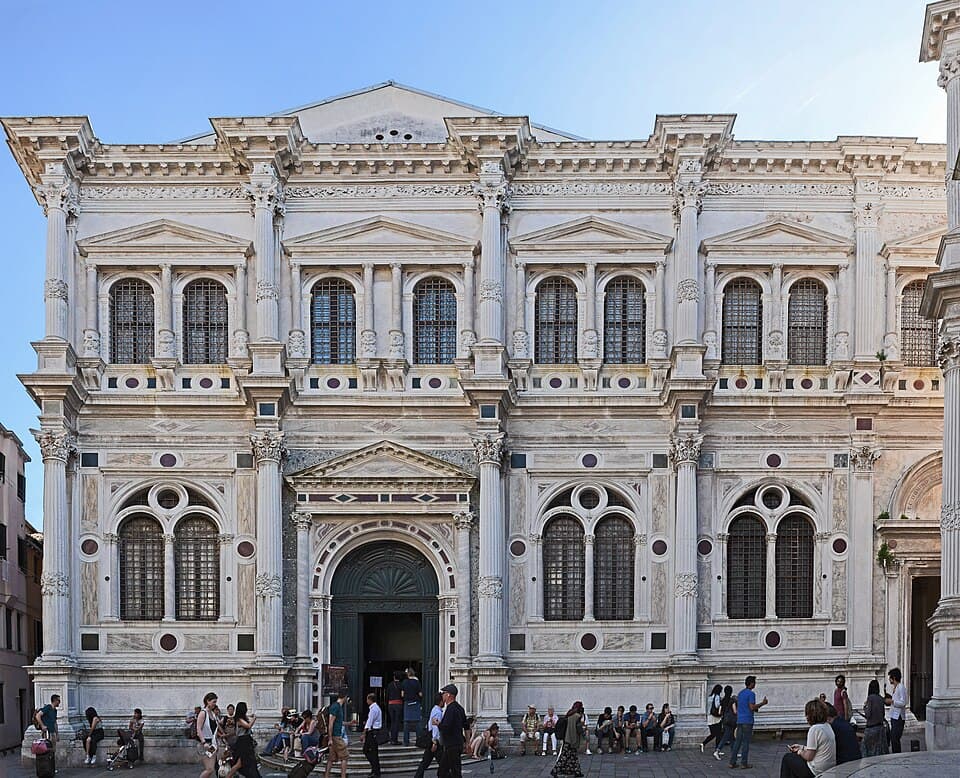
Scuola Grande di San Rocco
Tintoretto’s immersive cycles in confraternity halls
This stop focuses on the Scuola Grande di San Rocco as a powerful example of a lay confraternity’s headquarters filled with monumental cycles by Tintoretto. The script should explain what a “scuola grande” was, describe the building’s façade, and then evoke the rich interiors, especially the lower and upper halls lined with biblical scenes. It should discuss how Tintoretto secured the commission and worked for years here, shaping a unified, theatrical environment of painting and light. A unique anecdote could recount the story that, during the competition for the first major canvas, Tintoretto reportedly installed his finished painting in the ceiling space before the judging, surprising rivals who had only submitted sketches and effectively forcing the confraternity to accept his donation and style.
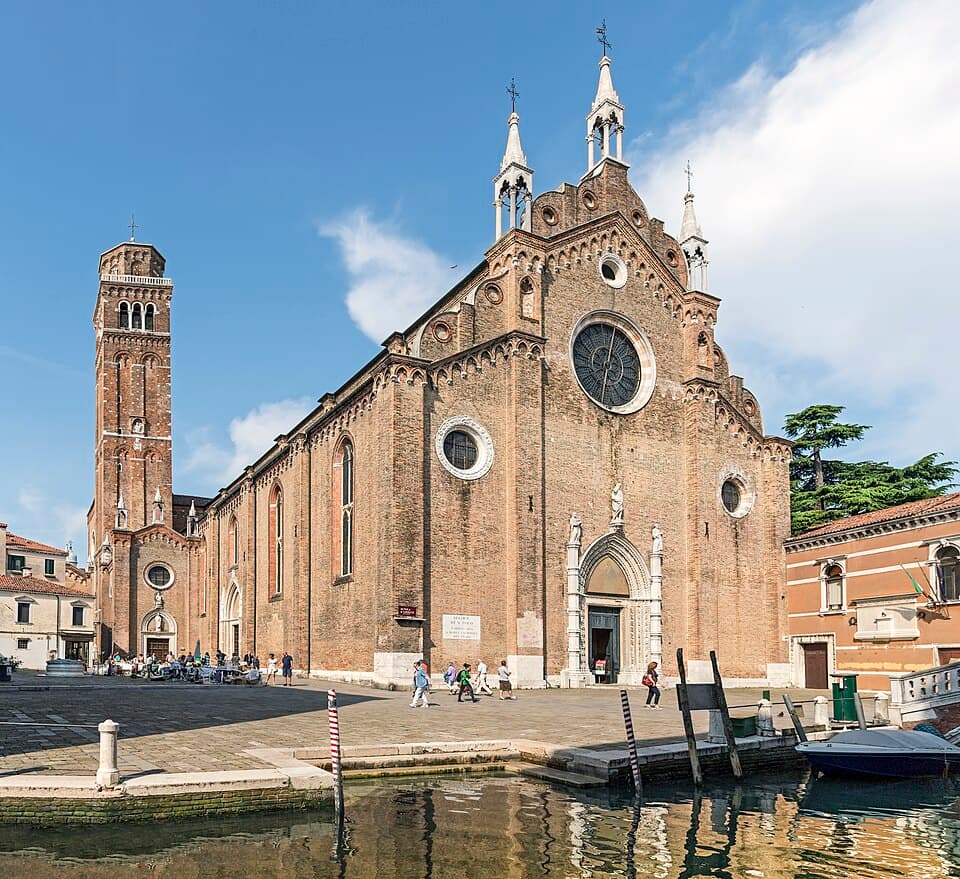
Basilica dei Frari
Gothic church with Titian and Bellini masterpieces
This final stop centers on the Basilica dei Frari as a vast Gothic church housing major works by Titian, Bellini, and others, as well as important tombs. The narration should describe its brick exterior, tall campanile, and spacious interior with multiple chapels and altars. It should highlight a few key artworks, such as a famous altarpiece by Titian and a serene Madonna by Bellini, linking them to the evolution of Venetian painting and the city’s spiritual life. A unique anecdote could mention how the church also became a kind of pantheon, with monuments to composers and statesmen, and that Titian himself was eventually buried here, making it both a gallery and a place of pilgrimage for art lovers.
Start This Tour
Download Roamway to experience this audio tour
Tour Details
Access
Free
Stops
11 points of interest
Languages
GermanEnglishSpanishFrench
More tours in Venezia
View all tours in VeneziaOther tours you might enjoy:
Venice: St. Mark’s to Rialto History & Canals
This tour explores central Venice from Piazza San Marco to the Rialto area, focusing on major civic and religious landmarks. It covers the exteriors of St. Mark’s Basilica, the Doge’s Palace, and the Bridge of Sighs, then continues along the Riva degli Schiavoni to historic campos, markets, and viewpoints, highlighting Venetian politics, trade, and architecture.
Venice: Quiet Sestieri, Canalside Life & Hidden Campi
This tour explores lesser-known areas of Venice across the Santa Croce, Dorsoduro, and Cannaregio districts, focusing on everyday urban spaces and canalside life. It includes historic campi, traditional gondola craftsmanship at Squero di San Trovaso, and neighborhood landmarks such as Campo San Polo and Madonna dell’Orto. Topics include local history, urban layout, and social life away from major monuments.
Venice: Great Churches, Relics and Renaissance Art
This tour explores major churches in Venice, including St Mark’s Basilica, Santa Maria della Salute, San Zaccaria, Zanipolo, and the Frari, along with selected smaller churches and confraternity spaces. It focuses on religious relics, Byzantine and Renaissance mosaics, architectural styles, and key artworks such as Tintoretto’s cycles at the Scuola Grande di San Rocco.
Frequently Asked Questions
How do I start this audio tour?
Download the Roamway app, search for this tour, and tap 'Start Tour'. The app will guide you to the starting point using GPS. Once you're there, the audio narration begins automatically.
Do I need an internet connection?
No! Once you've downloaded the tour in the Roamway app, it works completely offline. The GPS navigation and audio narration function without an internet connection.
Can I pause and resume the tour?
Yes! You can pause the tour at any time and resume later. Your progress is automatically saved, so you can complete the tour over multiple sessions if needed.