

Seville: Historic Tapas Streets and Riverside Barrios
Sevilla, España
Audio Preview
Listen to a sample of this audio tour to get a feel for the experience.
What You'll Experience
On this Seville: Historic Tapas Streets and Riverside Barrios audio tour in Sevilla, you'll discover 10 carefully selected points of interest, each with its own story. The tour is designed to be completed at your own pace, with GPS navigation guiding you from one location to the next. As you approach each stop, the audio narration automatically begins, bringing history, culture, and local insights to life.
About This Tour
This tour explores Seville’s central and riverside neighborhoods through traditional markets, historic taverns, and classic tapas streets. It covers areas around Las Setas, San Pedro, Santa Cruz, Triana, and El Arenal, focusing on food culture, everyday architecture, and the social history of bars, bodegas, and market life along the Guadalquivir River.
Points of Interest
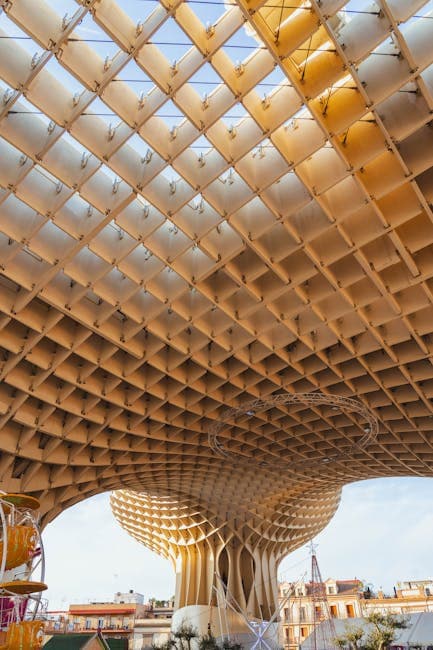
Mercado de la Encarnación (ground level of Las Setas)
Contemporary market life beneath Seville’s giant mushrooms
This stop introduces the Encarnación market at the base of Las Setas, where a traditional food market was reimagined under a striking 21st-century wooden canopy. The script should describe the contrast between the organic curves of the structure above and the down-to-earth produce, fish, and meat stalls below. It should touch on the site’s history as a long-standing market area, later a car park, and then an urban renewal project tied to Seville’s search for a new civic symbol. A useful anecdote is how some locals initially criticized Las Setas as too futuristic or unsuited to the historic center, yet the revived market quickly became a daily shopping hub and social meeting point. Another anecdote can mention how some stallholders trace their family business back through several earlier markets on this same square, emphasizing continuity beneath the new architecture.
El Rinconcillo (historic tavern exterior/stop)
Historic tiled tavern and classic Sevillian bar rituals
This stop focuses on the exterior and atmosphere of El Rinconcillo, often cited as one of Seville’s oldest taverns. The narration should highlight its characteristic features: dark wood, hanging hams, old barrels, and traditional azulejo tiles that form a kind of visual timeline of local style. Historically, the tavern represents how wine shops and grocery stores evolved into social hubs where tapas were served with drinks. The script can mention that bartenders here are known for mentally keeping track of orders and adding up bills in chalk on the counter, a practice that fascinates visitors. Another anecdote might recall how, during busy local festivals, regulars claim to have “their” section of counter that they’ve been using for decades, illustrating deep neighborhood loyalty to the bar.
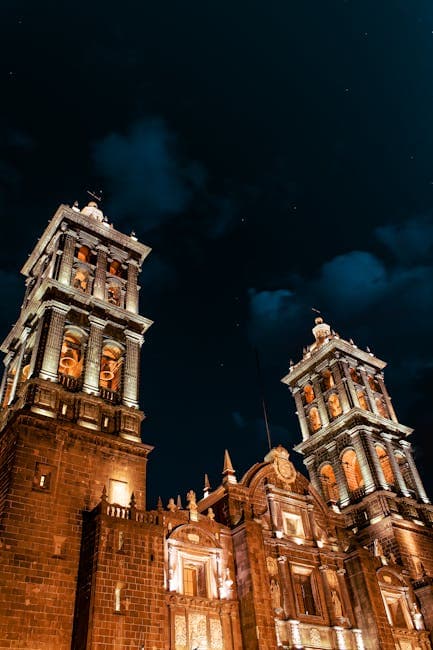
Plaza de San Pedro & surrounding tapas bars
Neighborhood square framed by everyday tapas bars
This stop explores Plaza de San Pedro as a more local-feeling square, framed by the church and a ring of modest bars and cafés. The script should describe the church’s presence, the façades of surrounding buildings, and how outdoor terraces turn the plaza into an extended living room for nearby residents. Historically, this area sits slightly off the main tourist routes, showing how Seville’s bar culture supports daily routines like morning coffee, midday menus, and evening tapas for families. One anecdote could note how some bars here are known for particular house specialties, such as a beloved montadito or stew, that draw regulars from nearby streets. Another anecdote may mention that during football matches, the plaza’s bar terraces effectively become an open-air fan zone, filled with cheers and groans echoing off the church walls.
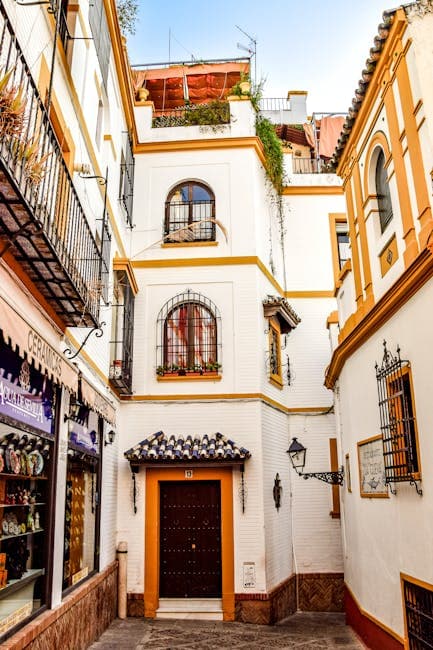
Calle Santa María la Blanca / Calle Mateos Gago tapas strip
Historic axis turned into a busy cathedral tapas strip
This stop covers the continuous tapas corridor formed by Calle Santa María la Blanca and Calle Mateos Gago, running toward the cathedral and Giralda. The narration should explain the street’s layered history, from part of the former Jewish quarter axis to a processional and commercial route leading to the city’s main religious center. Visually, it should draw attention to narrow pavements, crowded terraces, overhead balconies, and, near Mateos Gago, dramatic views of the Giralda tower. The script can explore how bars here cater to both locals and visitors, often with menus displayed outside and a quick turnover of tapas and drinks. One anecdote might describe how, on major religious feast days, bar terraces fill so completely that watching processions from a table becomes almost as important as the food. Another anecdote could note that some older locals remember when Mateos Gago had far fewer terraces and more small shops, illustrating how the tapas economy has reshaped the street over recent decades.
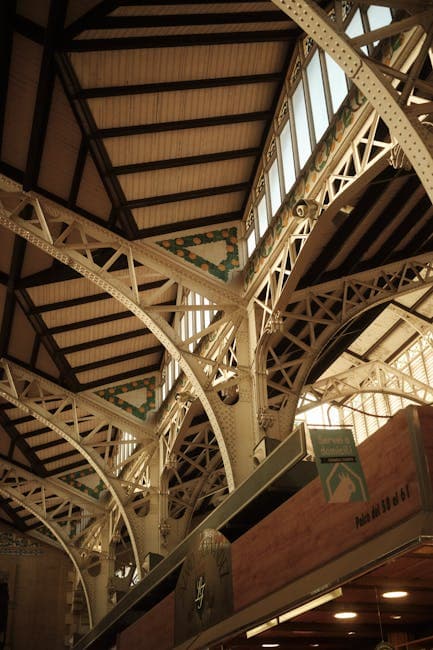
Mercado de Triana (inside the old market hall)
Riverside market rooted in Triana’s working-class traditions
This stop enters Mercado de Triana, a covered market hall built on the site of older riverside trading spaces. The script should evoke the interior: iron or concrete structure, tiled stall fronts, hanging meats, fresh fish from nearby coasts, and the noise of vendors calling out. Historically, the market reflects Triana’s identity as a neighborhood of sailors, potters, and laborers linked to the Guadalquivir and Seville’s port economy. The narration may allude to how some stalls now share space with more modern food stands and small tapas counters, showing how markets adapt while preserving routines like early-morning shopping. One anecdote could mention a long-standing fishmonger reputed among locals for saving the best cuts for familiar faces, hinting at tight neighborhood networks. Another could recall how, during floods in the past, traders had to protect their goods from rising waters, reinforcing the market’s intimate relationship with the river.
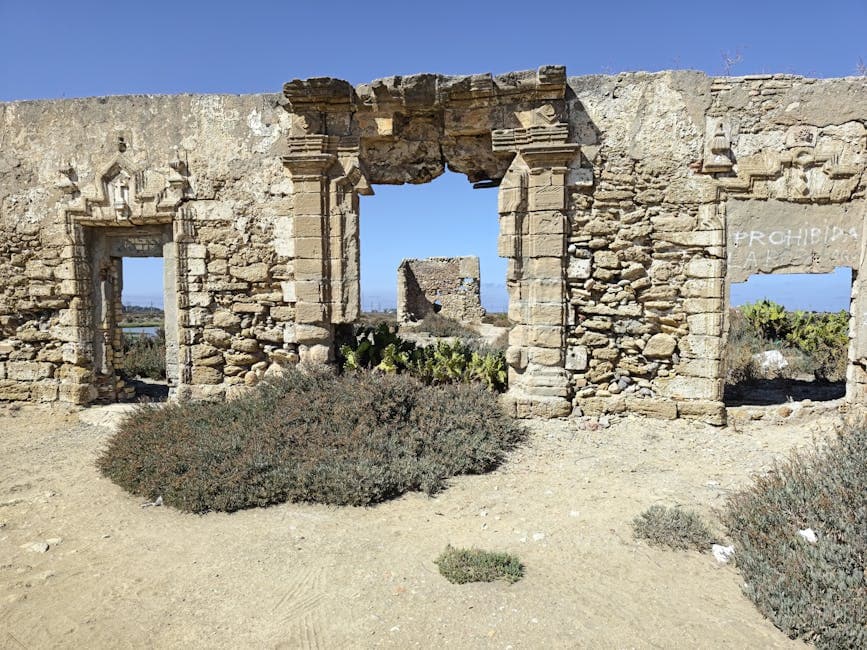
Castillo de San Jorge archaeological remains (by the market)
Inquisition fortress ruins beside today’s cheerful market
This stop uses the archaeological remains of Castillo de San Jorge, near Mercado de Triana, to explore the juxtaposition of heavy history and present-day life. The narration should explain that this was once a fortified complex linked to river control and later used as a seat of the Spanish Inquisition in Seville. Today, only foundations and fragments survive, integrated into walkways and exhibition spaces beneath or beside the modern buildings. The script should describe visible remains and how they sit almost literally underneath a lively food market and bar area. One anecdote might highlight how some local people grew up crossing this spot daily, unaware of the Inquisition prison remains beneath their feet until the site was excavated and interpreted. Another anecdote can refer to contemporary cultural events or exhibitions that intentionally contrast the site’s sombre past with open, educational use in the present.
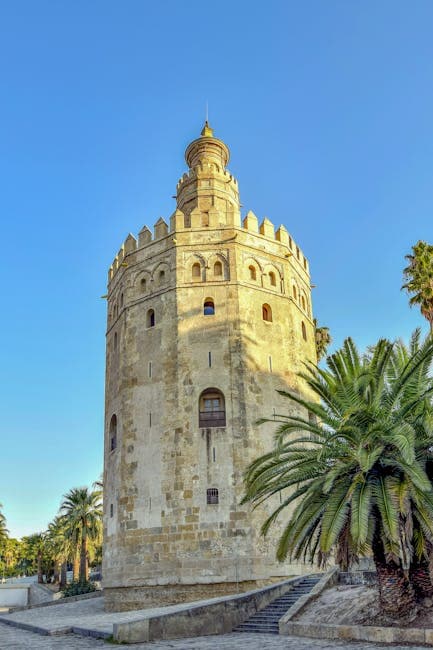
Calle Betis riverfront bars and terraces
Riverside bars facing Seville’s historic skyline
This stop focuses on Calle Betis, a colorful riverfront street lined with bars and terraces facing the old city across the Guadalquivir. The narration should emphasize the views: reflections of towers and churches in the water, the curve of the river, and the mix of low façades painted in bright tones. Historically, this bank was associated with docks, shipyards, and river trade serving Triana’s sailors and artisans. Over time, many industrial functions shifted, and leisure venues took over, especially popular at sunset and night. One anecdote might describe how locals talk about choosing a bar here based on its view of particular landmarks, treating the skyline almost like a menu. Another anecdote can mention that, on certain festival nights, improvised singing or guitar playing sometimes spills out onto the promenade, turning the riverbank into an informal stage.
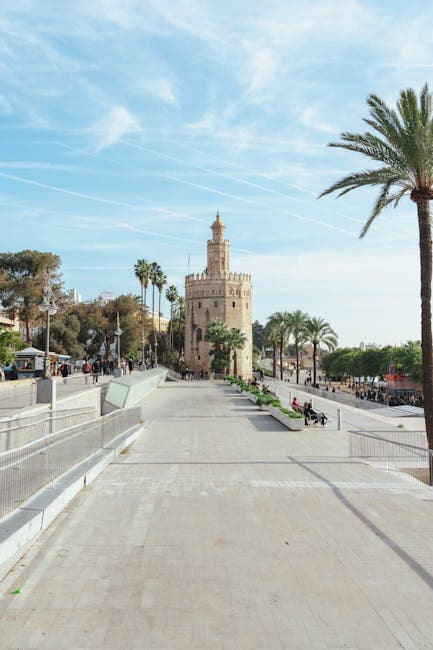
Plaza del Altozano
Triana’s gateway square between bridge, market, and Betis
This stop presents Plaza del Altozano as Triana’s main entrance square, where the bridge from Seville’s center meets Triana’s own high street and riverfront. The script should describe key visual anchors: the bridgehead of Puente de Isabel II, ceramic-tiled kiosks or monuments, surrounding buildings with balconies, and views down to Calle Betis. Historically, Altozano has functioned as a gathering and transit space, where traders, bullfighters, and flamenco artists passed between Triana and the city center. The narration can mention how the square often hosts informal meet-ups before nights out in Triana or processions during local fiestas. One anecdote might recall stories of potters and tile-makers using this square to display their wares or recruit apprentices. Another could note that during major celebrations, the square becomes a tide of people crossing back and forth over the bridge, briefly turning it into a kind of open-air theatre of arrivals and farewells.
Calle Pureza & surroundings (traditional bars and bodegas)
Backstreet Triana with traditional bars and brotherhood life
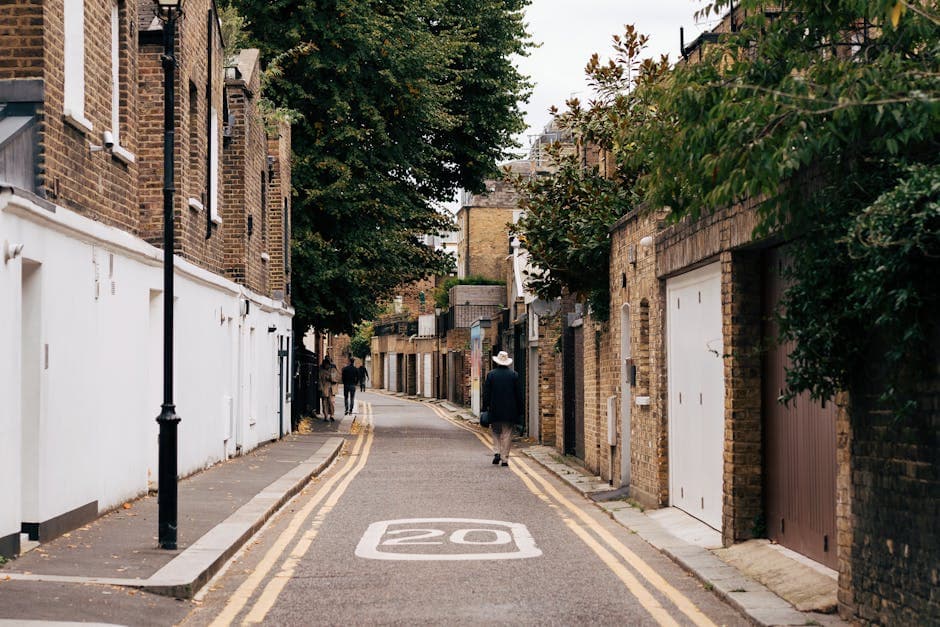
This stop explores Calle Pureza and its adjacent lanes, highlighting a quieter, more traditional side of Triana compared with the riverfront. The narration should draw attention to narrow streets, modest façades, wrought-iron balconies, and the presence of parish churches and brotherhood houses linked to Semana Santa. Bars and bodegas here often feel more intimate, with older-style counters, barrels, and neighborhood clientele. Historically, this was a deeply rooted working-class area where religious fraternities, ceramics workshops, and small bars coexisted. One anecdote might describe how, in the run-up to Holy Week, some tiny bars in this area become informal headquarters for specific brotherhoods, packed with rehearsing costaleros and musicians. Another anecdote could speak of a bodega that once allowed regulars to bring their own food from home to eat with the house wine, underlining the close-knit, almost domestic atmosphere of these streets.
Back across Puente de Isabel II to Arenal tapas streets (e.g., Calle Arfe area)
Narrow lanes of bars in Seville’s old port district
This final stop returns across Puente de Isabel II into the Arenal district, focusing on narrow streets such as Calle Arfe and nearby lanes filled with tapas bars. The script should explain Arenal’s historical role as part of Seville’s port and warehouse area during the age when American trade passed through the city, with sailors, merchants, and laborers crowding its streets. Over time, shipyards and storage spaces gave way to bars, taverns, and small restaurants serving bullring-goers and theater audiences as well as workers. Visually, the narration should note tight lanes, old stone or brick façades, signage above bar doors, and the nearness of landmarks like the bullring and the river. One anecdote might mention that certain bars here are traditionally associated with pre- or post-bullfight gatherings, drawing regulars on event days. Another could recall stories of night watchmen or dockworkers who would end their shifts in these streets, grabbing simple tapas and sherry at dawn, tying food culture back to the rhythms of port life.
Start This Tour
Download Roamway to experience this audio tour
Tour Details
Access
Free
Stops
10 points of interest
Languages
GermanEnglishSpanishFrench
More tours in Sevilla
View all tours in SevillaOther tours you might enjoy:
Seville: Historic Center, Riverside Trade & 1929 Expo
This tour explores central Seville from Puerta de Jerez through the Real Alcázar, Seville Cathedral, the Archivo de Indias, and surrounding historic streets. It continues through the former port district of Arenal, the Torre del Oro and Guadalquivir riverside, ending at Plaza de España. Themes include medieval and early modern history, maritime trade, architecture, and the 1929 Ibero-American Exposition.
Seville: Palaces, Churches and City Walls Highlights
This tour follows a route from Puerta de Jerez through Seville’s historic center to the Macarena district. It features exterior views of the Real Alcázar, Cathedral and Giralda, major Baroque churches, and noble palaces, ending at the surviving city walls. Themes include medieval, Mudéjar, Renaissance, Baroque, and 19th–20th century urban history.
Seville & Triana: Riverside History, Flamenco and Crafts
This tour explores central Seville and the historic Triana neighborhood, following the river from Plaza Nueva to Calle Betis. It covers key sites such as Puente de Isabel II, Plaza del Altozano, Mercado de Triana, and Iglesia de Santa Ana, with context on flamenco origins, Inquisition history, river trade, and local ceramic traditions.
Frequently Asked Questions
How do I start this audio tour?
Download the Roamway app, search for this tour, and tap 'Start Tour'. The app will guide you to the starting point using GPS. Once you're there, the audio narration begins automatically.
Do I need an internet connection?
No! Once you've downloaded the tour in the Roamway app, it works completely offline. The GPS navigation and audio narration function without an internet connection.
Can I pause and resume the tour?
Yes! You can pause the tour at any time and resume later. Your progress is automatically saved, so you can complete the tour over multiple sessions if needed.