
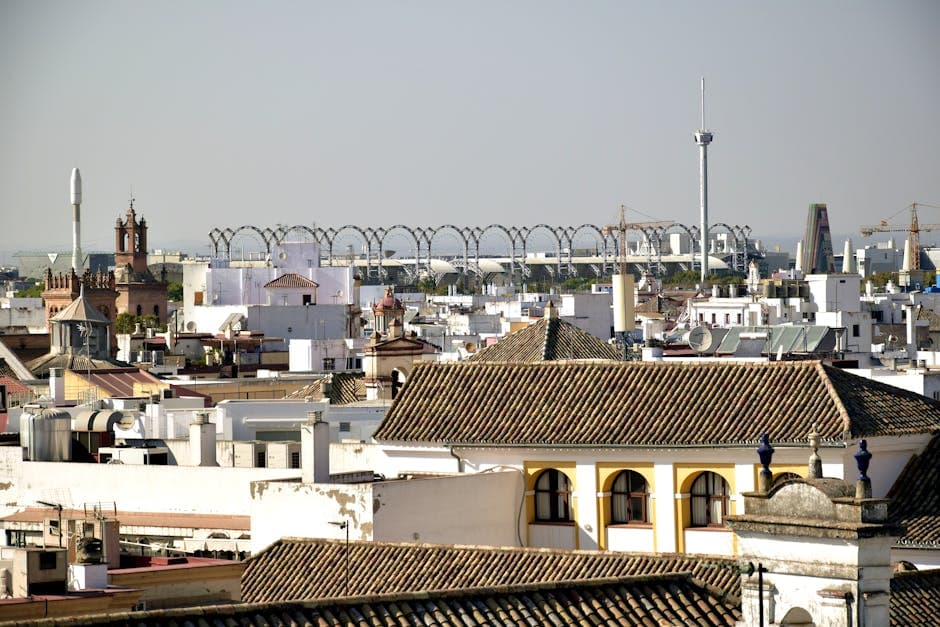
Seville: Palaces, Churches and City Walls Highlights
Sevilla, España
Audio Preview
Listen to a sample of this audio tour to get a feel for the experience.
What You'll Experience
On this Seville: Palaces, Churches and City Walls Highlights audio tour in Sevilla, you'll discover 10 carefully selected points of interest, each with its own story. The tour is designed to be completed at your own pace, with GPS navigation guiding you from one location to the next. As you approach each stop, the audio narration automatically begins, bringing history, culture, and local insights to life.
About This Tour
This tour follows a route from Puerta de Jerez through Seville’s historic center to the Macarena district. It features exterior views of the Real Alcázar, Cathedral and Giralda, major Baroque churches, and noble palaces, ending at the surviving city walls. Themes include medieval, Mudéjar, Renaissance, Baroque, and 19th–20th century urban history.
Points of Interest
Puerta de Jerez & Hotel Alfonso XIII (exterior)
Modern gateway into Seville’s historic royal quarter
This stop introduces Puerta de Jerez as a 19th–20th century urban space reshaped when the old walls and gates near the river were removed. The Hotel Alfonso XIII, built for the 1929 Ibero-American Exposition, showcases regionalist architecture drawing on Mudéjar and Renaissance motifs to frame a modern luxury hotel. The narration can explain how trams, fountains, and tree-lined avenues replaced medieval defenses and orchards, marking Seville’s shift toward tourism and spectacle. A distinctive anecdote could mention the hotel’s role in hosting foreign dignitaries and film productions, illustrating how it projected an image of “old Spain” carefully staged for modern visitors. The stop should also orient listeners to the river, the nearby Alcázar, and the general flow of the tour toward the medieval core.
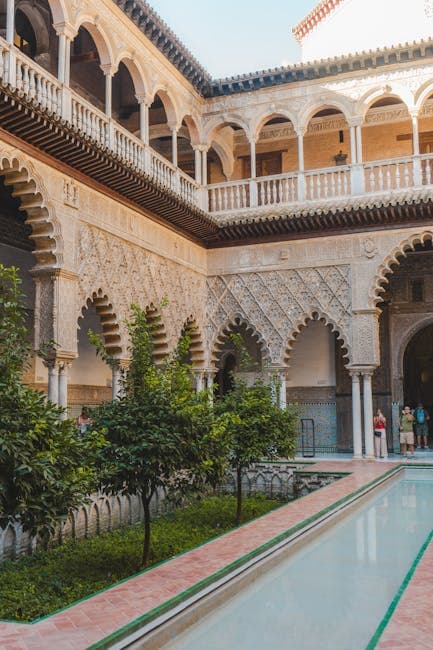
Real Alcázar de Sevilla (exterior courtyards and walls from outside / Patio de Banderas)
Layered royal palace from Islamic to Bourbon eras
This stop focuses on the Real Alcázar as a palimpsest of power, from its Islamic fortress origins through Christian adaptations and Mudéjar, Gothic, Renaissance, and later additions. From outside walls and the Patio de Banderas, the narration should highlight crenellations, towers, and contrasting stone and brick that reveal different building phases. It should explore the Alcázar’s role as a royal residence, administrative center, and symbol of Castilian authority after the conquest. One unique anecdote might recount how a Castilian king commissioned Mudéjar craftsmen to build a palace in a distinctly Islamic-inspired style to assert prestige and continuity with Andalusi sophistication. Another could reference the Alcázar’s quieter modern role as a filming location and as an official royal residence during visits, underlining its unusual continuity of use.
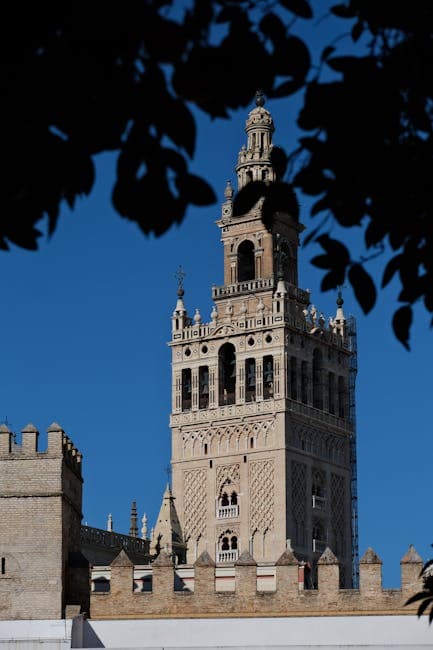
Seville Cathedral & Giralda (exterior architectural focus)
From great mosque to Gothic cathedral and bell tower
At this stop, the focus is on the immense Gothic mass of Seville Cathedral and the Giralda tower, rising on the site of the former Almohad great mosque. The script should explain how the mosque’s courtyard and minaret were absorbed and transformed, with the Giralda crowned by Renaissance bells and the cathedral built to demonstrate Christian wealth during Seville’s imperial age. Distinctive exterior elements, such as flying buttresses, portals, and the Patio de los Naranjos, can be described to show stylistic contrasts across centuries. A unique anecdote could highlight the bold ambition of the medieval chapter who reportedly proposed a church so grand that later generations would think them mad. Another might mention the story of the Giraldillo weather vane becoming a recognizable emblem of the city, swivelled by the winds high above the historic center.
Ayuntamiento de Sevilla (City Hall façades, Plaza de San Francisco side)
Renaissance civic power on Plaza de San Francisco
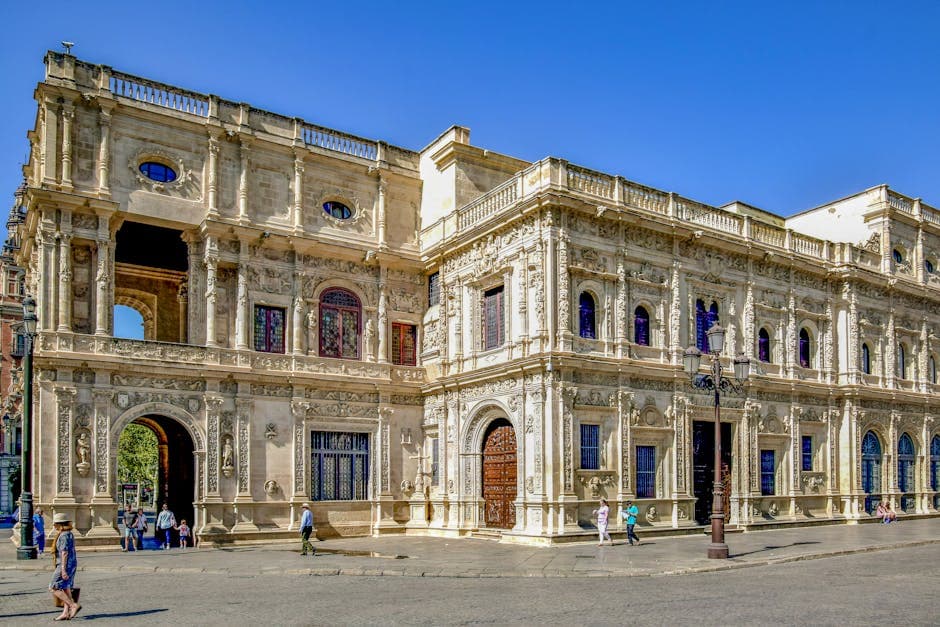
Here, the narration centers on Seville’s Ayuntamiento as an expression of civic authority facing the ceremonial space of Plaza de San Francisco. The ornate plateresque façade can be unpacked, pointing out carved reliefs, heraldry, and allegorical figures that celebrate the city’s Golden Age wealth and municipal pride. Later neoclassical expansions and alterations illustrate how the building adapted to changing tastes and political regimes. A unique anecdote might note how the plaza in front hosted public rituals ranging from festive processions to grim autos-de-fé in the early modern period, making the City Hall façade a silent backdrop to both celebration and punishment. Another could mention disputes between municipal and royal officials over precedence during ceremonies, revealing tensions between local autonomy and centralized power.
Iglesia del Salvador (Baroque church, exterior and optional interior)
Baroque church atop a former mosque site
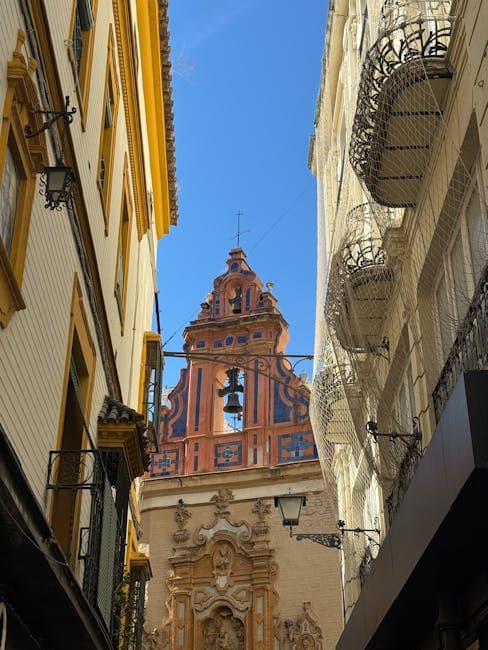
This stop examines the Iglesia del Salvador as a prime example of Sevillian Baroque raised on the foundations of a former mosque. From the outside, sculpted façades, volutes, and dynamic masses can be described, while an optional interior visit may highlight richly decorated altarpieces and polychrome sculpture. The church’s role within Seville’s network of parishes and Holy Week brotherhoods should be explained, including how confraternities use such interiors for their processional images. A unique anecdote could focus on archaeological work that revealed traces of the earlier mosque and reused columns beneath the Baroque floor, giving a tangible sense of continuity. Another might describe the custom of locals stopping here to begin penitential walks toward the Cathedral during Holy Week, making the church an emotional starting point for devotion.
Casa de Pilatos (mudéjar–Renaissance palace, exterior and patio if visiting)
Noble residence blending Mudéjar and Renaissance
At Casa de Pilatos, the narrative explores how a powerful noble family fused local Mudéjar traditions with imported Italian Renaissance ideas in a private palace. Even from the exterior, listeners can learn to read portals, coats of arms, and hints of the courtyard layout within. If they enter, the script can evoke azulejo-clad patios, classical busts, and stucco decoration as material proof of aristocratic taste and humanist interests. A unique anecdote might address the origin of the name “Casa de Pilatos,” linked to a devotional route recalling Christ’s journey in Jerusalem, which began here and imposed an imagined sacred geography on Seville’s streets. Another distinctive story could reference how the owners collected ancient statuary, occasionally restoring pieces in imaginative ways that blend authentic fragments with later additions.

Palacio de las Dueñas (exterior focus; optional interior for those with time)
Ducal palace with literary and modern aristocratic ties
This stop presents Palacio de las Dueñas as a major aristocratic residence connected to the House of Alba, contrasting with Casa de Pilatos through its more lived-in, garden-filled character and later historical associations. From the exterior, the guide can discuss its Mudéjar and Renaissance elements, gatehouse, and relationship to the surrounding working-class neighborhood. Optional interior references might include patios, orange trees, and collections that reflect centuries of noble life. A unique anecdote could recount that the poet Antonio Machado was born in a dependency of the palace, tying high nobility to modern Spanish literature. Another might mention the popular fascination with the 20th–21st century duchess who made the palace a familiar sight in gossip columns, showing how aristocratic spaces moved from closed world to public curiosity.
Iglesia de San Luis de los Franceses (Baroque church, exterior)
Jesuit Baroque jewel in a working-class district
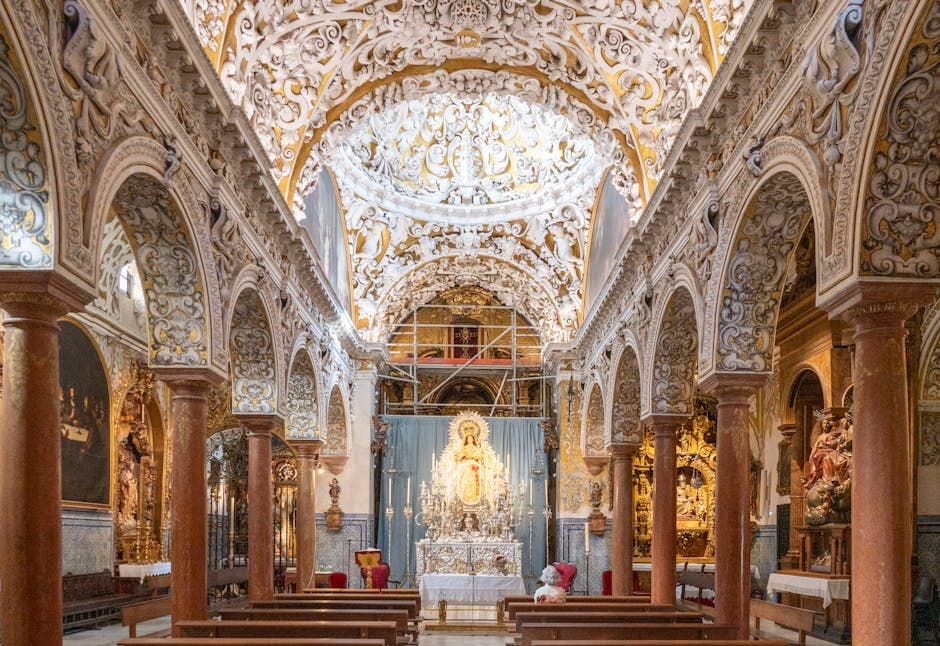
At San Luis de los Franceses, the focus is on an exuberant Baroque church built for the Jesuits on the edge of the old city fabric. The narration should describe the curving façade, rich stonework, and the centralized, domed plan that set it apart from traditional parish churches. Even from outside, listeners can imagine the interior’s painted illusions and dense sculpture typical of Jesuit persuasion. A unique anecdote might recount how, after the Jesuits were expelled in the 18th century, the complex passed through various secular and religious uses, including periods of neglect that threatened its survival. Another could highlight its more recent restoration and occasional use for cultural events, illustrating how once-elite spiritual architecture is now reinterpreted as heritage and community space.
Basílica de la Macarena (neo-Baroque / historicist façade)
Neo-Baroque shrine of a famed Marian image
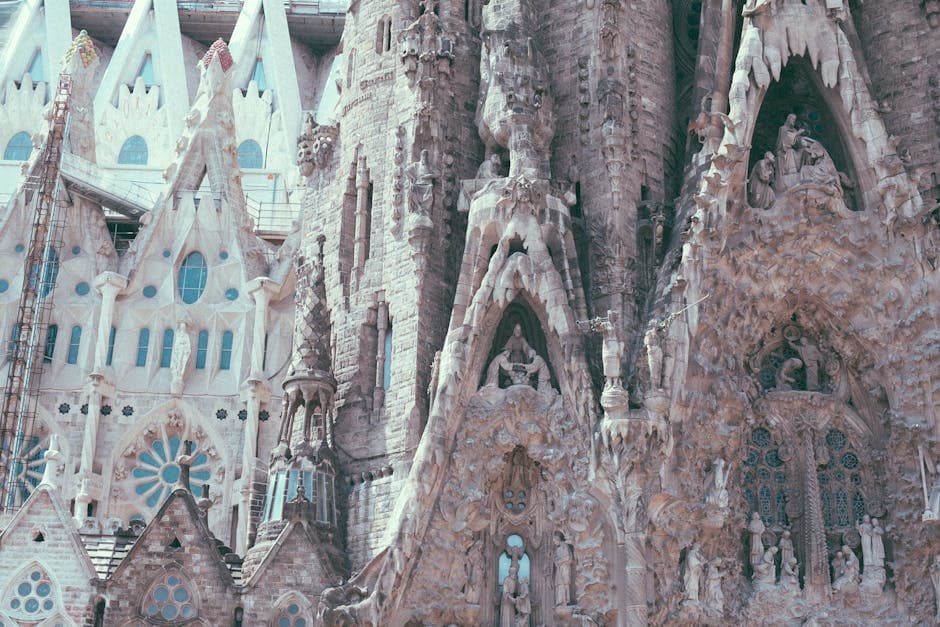
This stop introduces the Basilica of La Macarena as a 20th-century neo-Baroque church built to house one of Seville’s most venerated Marian images. The script should describe the historicist façade, exuberant ornament, and how its style consciously echoes earlier Baroque churches while sitting in a more modern urban context. The basilica’s role as headquarters of the Macarena brotherhood and its central place in Holy Week processions should be explained. A unique anecdote could focus on how the image of the Virgin, adorned with elaborate robes and jewels, has received offerings from bullfighters and other public figures, reflecting ties between popular culture and devotion. Another distinct story might mention how the Macarena procession pauses at sites associated with past tragedies or honors, creating an emotional map of the city that many residents know by heart.
Macarena city walls and Puerta de la Macarena
Surviving Almohad walls at Seville’s northern edge
The final stop highlights the Macarena section of Seville’s medieval city walls and the Puerta de la Macarena gate as rare survivals of the old defensive ring. The narration should explain their Almohad origins, later repairs, and how the walls once controlled movement of people and goods, in contrast to today’s open ring roads. Visible features such as towers, battlements, and the alignment of the walls can illustrate how the medieval city was shaped by military and fiscal concerns. A unique anecdote might describe how, in earlier centuries, processions entering or leaving through this gate symbolically crossed from protected urban space into surrounding countryside or suburbs, charging the portal with spiritual meaning. Another possible story is how sections of the walls were almost demolished in the 19th and 20th centuries during modernization, but local advocacy preserved this stretch, allowing present-day visitors to imagine Seville’s fortified past.
Start This Tour
Download Roamway to experience this audio tour
Tour Details
Access
Free
Stops
10 points of interest
Languages
GermanEnglishSpanishFrench
More tours in Sevilla
View all tours in SevillaOther tours you might enjoy:
Seville: Historic Tapas Streets and Riverside Barrios
This tour explores Seville’s central and riverside neighborhoods through traditional markets, historic taverns, and classic tapas streets. It covers areas around Las Setas, San Pedro, Santa Cruz, Triana, and El Arenal, focusing on food culture, everyday architecture, and the social history of bars, bodegas, and market life along the Guadalquivir River.
Seville: Historic Center, Riverside Trade & 1929 Expo
This tour explores central Seville from Puerta de Jerez through the Real Alcázar, Seville Cathedral, the Archivo de Indias, and surrounding historic streets. It continues through the former port district of Arenal, the Torre del Oro and Guadalquivir riverside, ending at Plaza de España. Themes include medieval and early modern history, maritime trade, architecture, and the 1929 Ibero-American Exposition.
Seville & Triana: Riverside History, Flamenco and Crafts
This tour explores central Seville and the historic Triana neighborhood, following the river from Plaza Nueva to Calle Betis. It covers key sites such as Puente de Isabel II, Plaza del Altozano, Mercado de Triana, and Iglesia de Santa Ana, with context on flamenco origins, Inquisition history, river trade, and local ceramic traditions.
Frequently Asked Questions
How do I start this audio tour?
Download the Roamway app, search for this tour, and tap 'Start Tour'. The app will guide you to the starting point using GPS. Once you're there, the audio narration begins automatically.
Do I need an internet connection?
No! Once you've downloaded the tour in the Roamway app, it works completely offline. The GPS navigation and audio narration function without an internet connection.
Can I pause and resume the tour?
Yes! You can pause the tour at any time and resume later. Your progress is automatically saved, so you can complete the tour over multiple sessions if needed.