
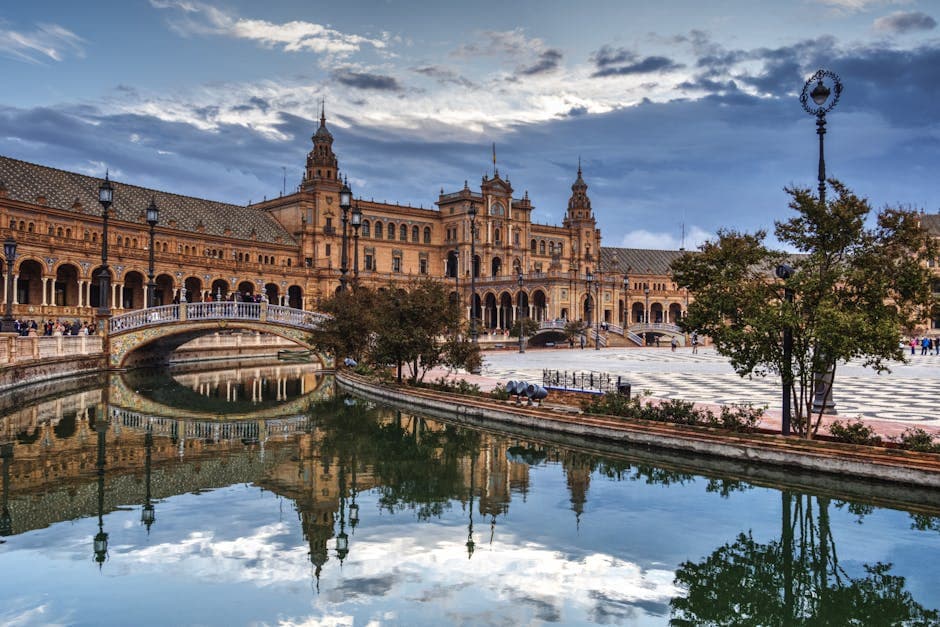
Seville & Triana: Riverside History, Flamenco and Crafts
Sevilla, España
Audio Preview
Listen to a sample of this audio tour to get a feel for the experience.
What You'll Experience
On this Seville & Triana: Riverside History, Flamenco and Crafts audio tour in Sevilla, you'll discover 11 carefully selected points of interest, each with its own story. The tour is designed to be completed at your own pace, with GPS navigation guiding you from one location to the next. As you approach each stop, the audio narration automatically begins, bringing history, culture, and local insights to life.
About This Tour
This tour explores central Seville and the historic Triana neighborhood, following the river from Plaza Nueva to Calle Betis. It covers key sites such as Puente de Isabel II, Plaza del Altozano, Mercado de Triana, and Iglesia de Santa Ana, with context on flamenco origins, Inquisition history, river trade, and local ceramic traditions.
Points of Interest
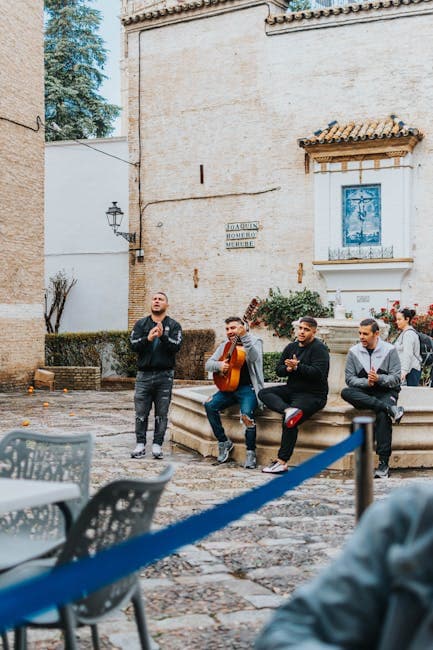
Plaza Nueva (orientation and brief intro to flamenco in Seville)
Civic square linking Seville, river, and Triana
This stop orients visitors in Plaza Nueva, a central civic square near Seville’s historic core. The narration should situate the listener between the cathedral area and the distant Guadalquivir, explaining how power, trade, and faith radiated from here. It should introduce Seville’s Golden Age as Spain’s Atlantic gateway and preview Triana as the working‑class counterpart across the river. A brief, high‑level introduction to flamenco in Seville belongs here, emphasizing its roots in marginalized communities rather than staged shows. One anecdote might highlight how modern demonstrations and celebrations in Plaza Nueva reflect centuries of civic life and shifting urban priorities.
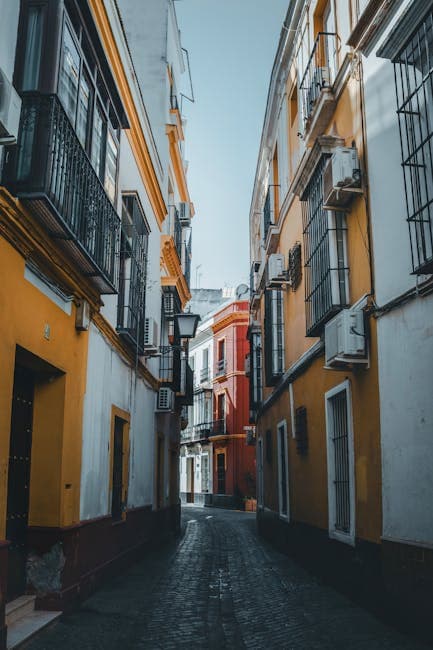
Arenal quarter streets (short walk-through with mention of old theaters/tablaos)
From civic center to old port district
This segment covers the walk from Plaza Nueva into the Arenal quarter, historically tied to the port and shipyards. The narration should evoke narrow streets once filled with sailors, warehouses, and small theaters where popular entertainment flourished. It can mention early venues that hosted singing, dance, and guitar performances, precursors to formal tablaos. The guide should highlight the contrast between the official power of Plaza Nueva and the rougher, more flexible culture of Arenal. A distinctive anecdote could describe how sailors and dockworkers reportedly packed tiny theaters after work, blurring lines between audience and performers in lively, improvised evenings.
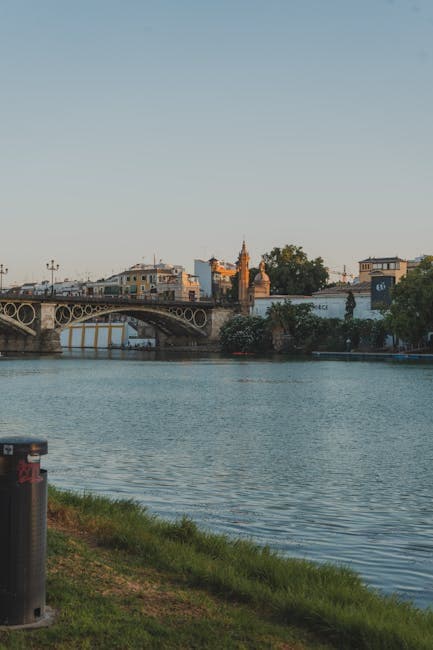
Puente de Isabel II (Triana Bridge, views and history)
Historic iron bridge linking Seville and Triana
This stop focuses on Triana Bridge (Puente de Isabel II), the 19th‑century iron structure that permanently linked Triana with the main city. The narration should use the river views to explain Seville’s role in Atlantic trade and how people once crossed by boat or earlier wooden structures. It can note that the bridge’s design reflects contemporary European engineering influences and symbolized modernization. Emphasis should be placed on how the bridge changed Triana’s isolation and daily life. A unique anecdote could recount how, before the bridge, processions and herds of animals queued at makeshift pontoons, causing delays that residents later nostalgically recalled when the iron bridge "ended an era."
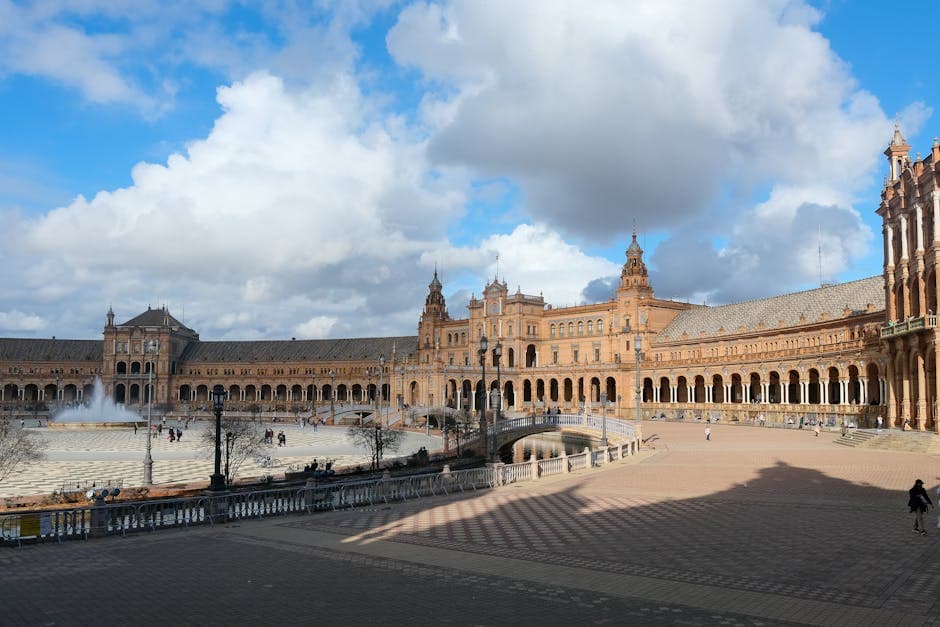
Plaza del Altozano (Triana welcome square)
Gateway square into the Triana neighborhood
This stop introduces Plaza del Altozano as Triana’s threshold at the end of the bridge. The narration should explain its strategic position where several important streets meet, including access to the market, Calle Betis, and deeper residential lanes. It should describe the mix of buildings, statues, and tilework that reflect Triana’s pride in its local figures and traditions. The square is ideal to discuss Triana’s reputation as a neighborhood of sailors, potters, and Romani families. A distinct anecdote might recall how residents once gathered here to watch visiting circuses set up by the riverbank, turning the plaza into an impromptu grandstand overlooking temporary tents and makeshift arenas.
Capilla del Carmen (on the bridge, exterior)
Riverside chapel honoring sailors and devotion
This stop highlights the small but striking Capilla del Carmen at the Triana end of the bridge. The narration should describe its brick and ceramic decoration and note its association with early 20th‑century architect Aníbal González. It is a chance to discuss popular religiosity tied to the river, including prayers for safe voyages and returns. The script can connect the chapel to broader Sevillian traditions of processions and Marian devotion. A unique anecdote may mention how boatmen and bridge workers were once said to tip their caps or briefly pause work when passing the chapel’s image, folding quick, informal gestures of faith into their daily routines.
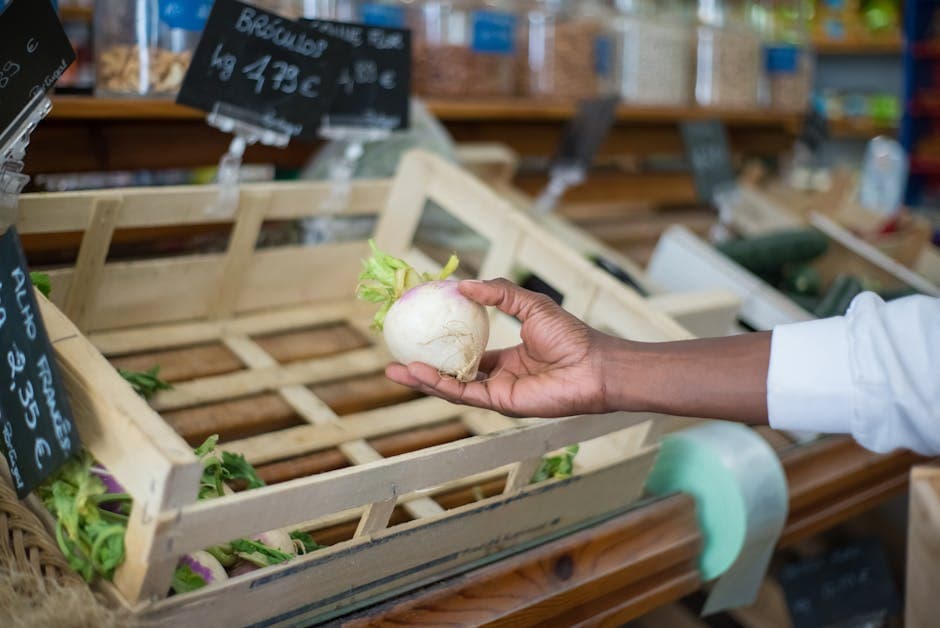
Mercado de Triana & remnants of Castillo de San Jorge (Inquisition and Romani context)
Market above the old Castillo de San Jorge
This stop explores Triana Market and the archaeological remains of Castillo de San Jorge beneath and nearby. The narration should explain the fortress’s role as a headquarters and prison for the Spanish Inquisition, including its impact on conversos, suspected heretics, and some Romani people. It should contrast today’s lively food stalls with the site’s darker past, emphasizing how memory coexists with daily commerce. The script can connect persecution and marginalization here to the later emergence of flamenco among oppressed groups. A distinct anecdote might recount how, centuries later, market vendors reportedly reacted with unease when excavation works exposed old walls and cells, suddenly confronting them with the grim history under their familiar stalls.
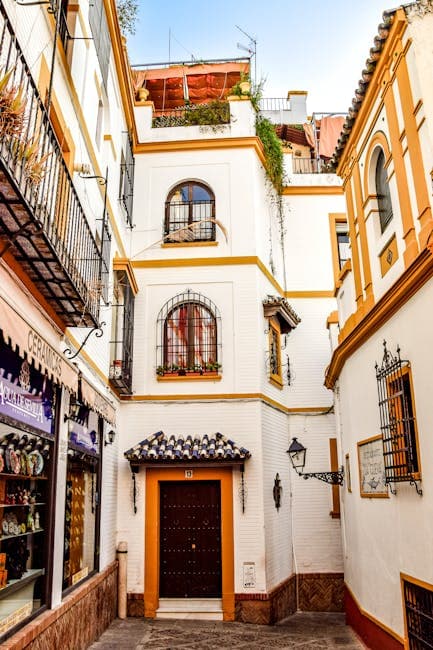
Calle Pureza (traditional Triana street)
Intimate street of brotherhoods and daily life
This stop focuses on Calle Pureza as a traditional residential artery running through Triana. The narration should describe white façades, balconies, tile plaques, and the presence of local brotherhood houses linked to Holy Week processions. It is an opportunity to explore how religious devotion, neighborhood identity, and music intersect in everyday spaces. The script can explain that some processional routes pass along this street, filling it with candles, brass bands, and saetas sung from balconies. A unique anecdote might tell how older neighbors recall children being woken late at night to watch a silent returning procession pass below, an experience retold for decades as a formative neighborhood memory.
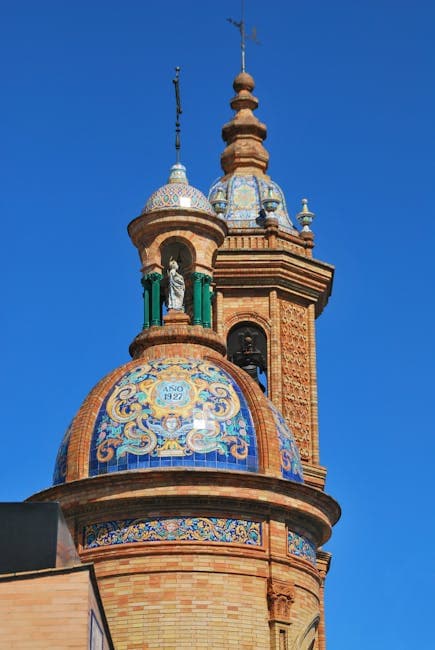
Iglesia de Santa Ana (Triana’s ‘Cathedral’, exterior and optional interior)
Triana’s main parish, known as its cathedral
This stop presents the Church of Santa Ana, Triana’s principal parish often dubbed its “cathedral.” The narration should outline its medieval origins after the Christian conquest, Gothic‑Mudejar elements, and later restorations. It can cover the church’s role in baptisms, marriages, and burials for Triana families across centuries, framing it as a spiritual anchor for sailors, potters, and Romani residents. The guide may mention interior highlights in general terms, like altarpieces and devotional images, while keeping the focus on history and community. A distinct anecdote could recall a tradition in which parents brought children with eye ailments to a particular image of Saint Anne, believing that touching a specific stone or step near the entrance might aid their recovery.
Old corrales de vecinos area around Calle Castilla (e.g., Corral de Herrera / period courtyards if accessible)
Communal courtyards shaping Triana’s social life
This stop explores the area around Calle Castilla, once filled with corrales de vecinos, communal tenement courtyards. The narration should define this housing model and describe shared kitchens, wells, and galleries that fostered intense neighborly interaction. It can explain how such spaces facilitated informal music, gossip, conflict resolution, and mutual aid, often involving working‑class and Romani families. The guide should link these courtyards to the gestation of flamenco’s social atmosphere, while avoiding romanticization. A unique anecdote might recount stories of summer nights when residents dragged chairs into the center, combining laundry lines, children’s games, and impromptu songs into a single, noisy, communal living room under the open sky.
Centro Cerámica Triana (ceramics and cultural heritage, exterior/optional visit)
Ceramic heritage in former pottery workshops
This stop introduces the Centro Cerámica Triana, housed in former tile and pottery facilities. The narration should explain Triana’s long tradition of ceramics production, from practical wares to decorative azulejos that adorn buildings across Seville and beyond. It can describe how clay from nearby banks, kilns, and family workshops created a distinct local industry. The script should note that the center preserves kilns and displays historic tiles, symbolizing how an everyday craft became curated heritage. A unique anecdote might refer to how some potters reputedly kept small, personal motifs hidden on tiles destined for prestigious commissions, leaving a discreet signature only fellow artisans would recognize.

Calle Betis (modern flamenco bars and riverfront ambience)
Triana’s riverfront of bars, views, and flamenco
This final stop covers Calle Betis, the riverfront street facing central Seville. The narration should describe colorful façades, bars, and venues where contemporary flamenco performances coexist with nightlife and river views. It is the moment to reflect on how the area evolved from working riverfront and warehouses to leisure space. The guide should connect modern tablaos and peñas here to the historical roots explored earlier: corrales, markets, artisans, and Romani communities. A distinct anecdote could mention how some older Triana singers recall their first paid performances in modest back‑room bars along this street, singing over the noise of dishes and river traffic long before stages and lighting were improved.
Start This Tour
Download Roamway to experience this audio tour
Tour Details
Access
Free
Stops
11 points of interest
Languages
GermanEnglishSpanishFrench
More tours in Sevilla
View all tours in SevillaOther tours you might enjoy:
Seville: Historic Tapas Streets and Riverside Barrios
This tour explores Seville’s central and riverside neighborhoods through traditional markets, historic taverns, and classic tapas streets. It covers areas around Las Setas, San Pedro, Santa Cruz, Triana, and El Arenal, focusing on food culture, everyday architecture, and the social history of bars, bodegas, and market life along the Guadalquivir River.
Seville: Historic Center, Riverside Trade & 1929 Expo
This tour explores central Seville from Puerta de Jerez through the Real Alcázar, Seville Cathedral, the Archivo de Indias, and surrounding historic streets. It continues through the former port district of Arenal, the Torre del Oro and Guadalquivir riverside, ending at Plaza de España. Themes include medieval and early modern history, maritime trade, architecture, and the 1929 Ibero-American Exposition.
Seville: Palaces, Churches and City Walls Highlights
This tour follows a route from Puerta de Jerez through Seville’s historic center to the Macarena district. It features exterior views of the Real Alcázar, Cathedral and Giralda, major Baroque churches, and noble palaces, ending at the surviving city walls. Themes include medieval, Mudéjar, Renaissance, Baroque, and 19th–20th century urban history.
Frequently Asked Questions
How do I start this audio tour?
Download the Roamway app, search for this tour, and tap 'Start Tour'. The app will guide you to the starting point using GPS. Once you're there, the audio narration begins automatically.
Do I need an internet connection?
No! Once you've downloaded the tour in the Roamway app, it works completely offline. The GPS navigation and audio narration function without an internet connection.
Can I pause and resume the tour?
Yes! You can pause the tour at any time and resume later. Your progress is automatically saved, so you can complete the tour over multiple sessions if needed.