
Audiotours in Sevilla — Explore at your own pace
Sevilla, Spain is a city of golden light, river breezes, and centuries of history layered in its streets, plazas, and patios. Our audio-guided, self-paced tours lead you from palace courtyards and cathedral towers to tapas bars, flamenco corners, and riverside promenades. Explore when and how you want, with immersive storytelling that adapts to your schedule.
Free Tours
7 tours available

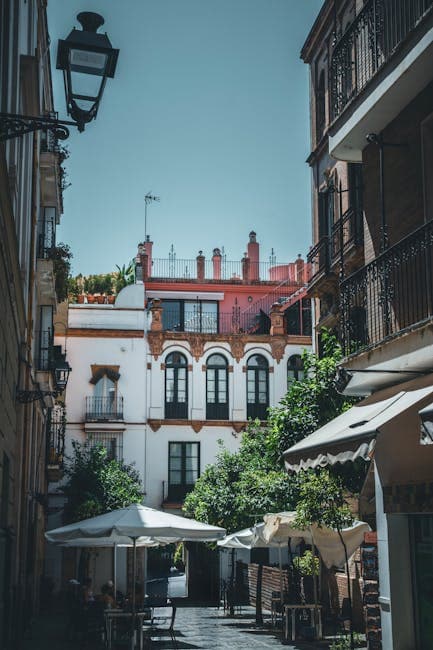
Seville: Historic Tapas Streets and Riverside Barrios
This tour explores Seville’s central and riverside neighborhoods through traditional markets, historic taverns, and classic tapas streets. It covers areas around Las Setas, San Pedro, Santa Cruz, Triana, and El Arenal, focusing on food culture, everyday architecture, and the social history of bars, bodegas, and market life along the Guadalquivir River.
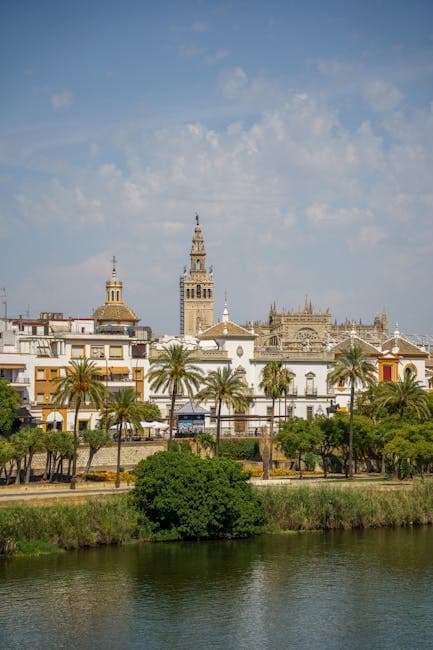
Seville: Historic Center, Riverside Trade & 1929 Expo
This tour explores central Seville from Puerta de Jerez through the Real Alcázar, Seville Cathedral, the Archivo de Indias, and surrounding historic streets. It continues through the former port district of Arenal, the Torre del Oro and Guadalquivir riverside, ending at Plaza de España. Themes include medieval and early modern history, maritime trade, architecture, and the 1929 Ibero-American Exposition.
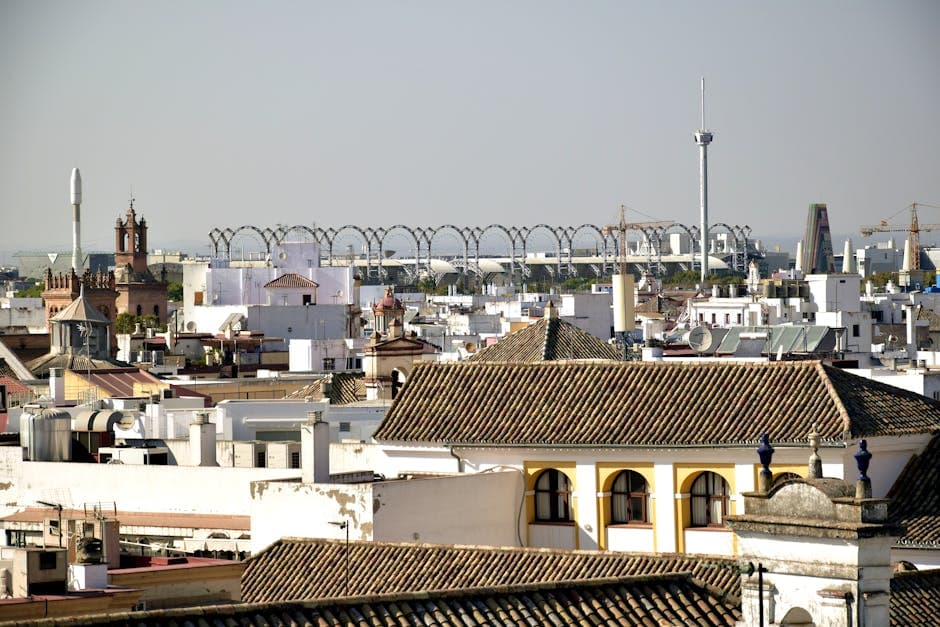
Seville: Palaces, Churches and City Walls Highlights
This tour follows a route from Puerta de Jerez through Seville’s historic center to the Macarena district. It features exterior views of the Real Alcázar, Cathedral and Giralda, major Baroque churches, and noble palaces, ending at the surviving city walls. Themes include medieval, Mudéjar, Renaissance, Baroque, and 19th–20th century urban history.
Seville & Triana: Riverside History, Flamenco and Crafts
This tour explores central Seville and the historic Triana neighborhood, following the river from Plaza Nueva to Calle Betis. It covers key sites such as Puente de Isabel II, Plaza del Altozano, Mercado de Triana, and Iglesia de Santa Ana, with context on flamenco origins, Inquisition history, river trade, and local ceramic traditions.
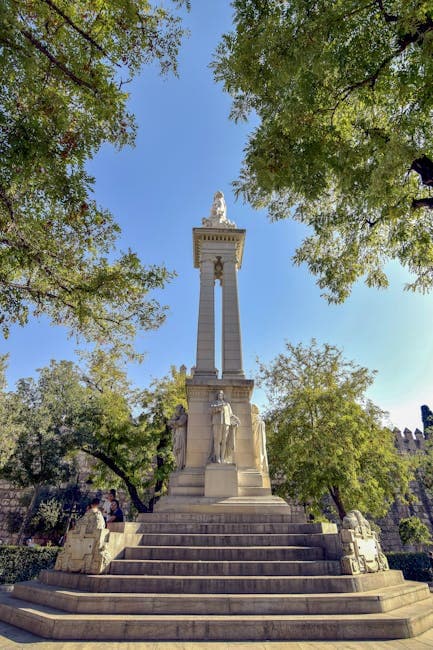
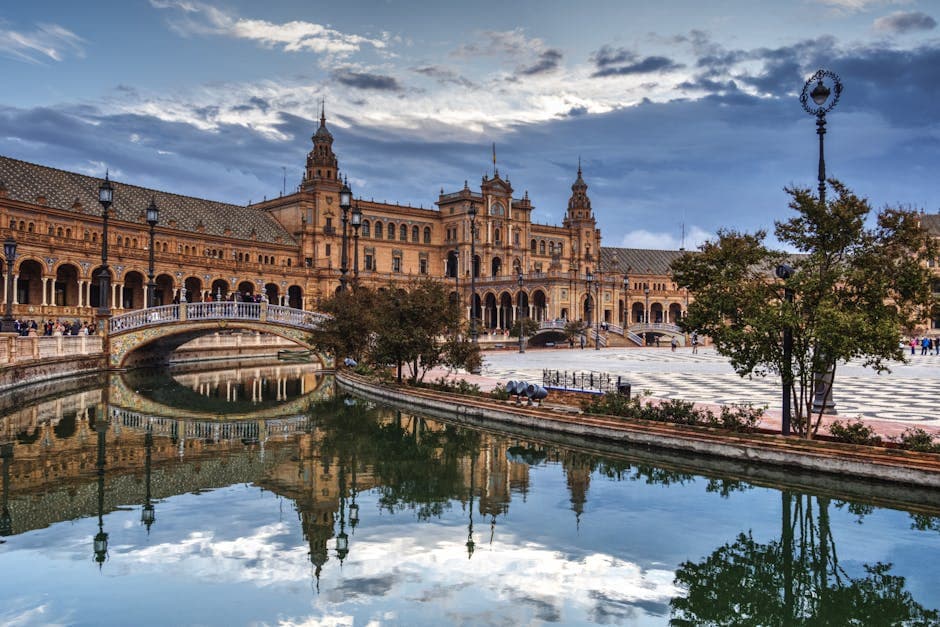
Seville Riverside and 1929 Expo Parks: History and Culture
This tour follows the Guadalquivir river from the Torre del Oro and Paseo de Colón to the Puente de San Telmo and Parque de María Luisa. It explores Plaza de España, literary monuments, and Plaza de América while examining Seville’s 1929 Ibero-American Exposition legacy, urban development, and cultural history amid gardens, pavilions, and historic façades.
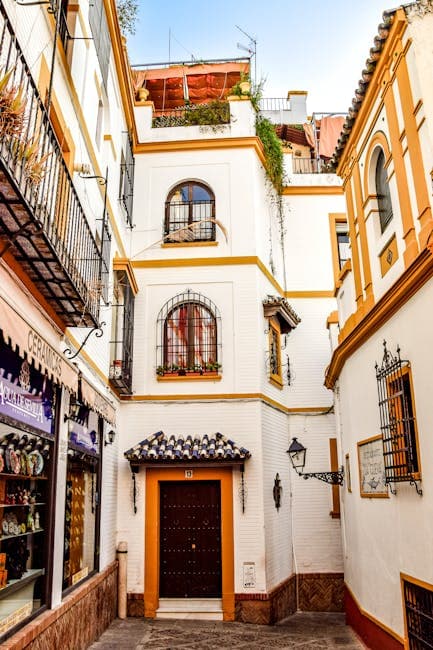
Seville Santa Cruz: Legends, Jewish Quarter and Hidden Plazas
This tour explores Seville’s historic Santa Cruz neighborhood from Puerta de Jerez to the Cathedral area. It focuses on former Jewish Quarter streets, secluded patios, and plazas such as Doña Elvira, Santa Cruz, and Santa Marta. Topics include medieval urban life, Sephardic heritage, legends, and the architecture of gardens, convents, and noble houses.
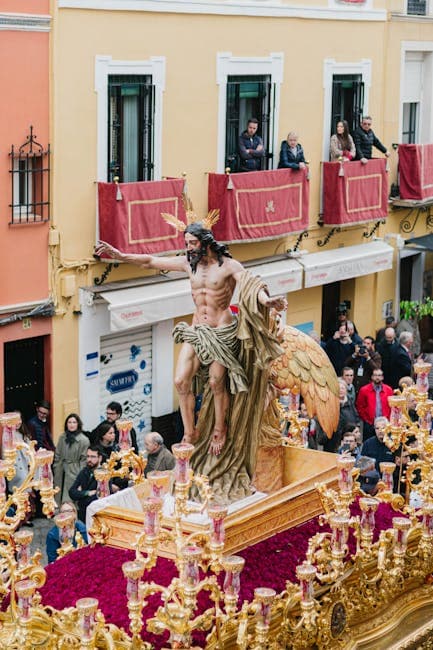
Seville: Holy Week Churches, Brotherhoods and Processions
This tour explores key Holy Week sites in Seville from the Macarena district to the historic center and the Arenal quarter. It includes basilicas, parish churches, and civic spaces linked to processions and brotherhoods. The route examines religious art, Baroque and Gothic architecture, and the social role of confraternities and charity.
About Sevilla
Top Attractions
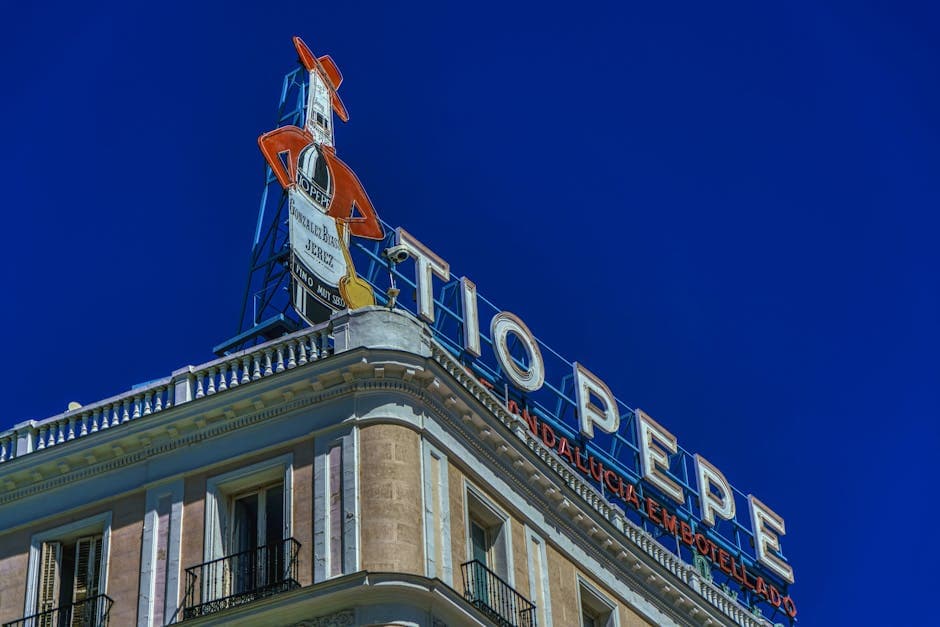
Puerta de Jerez
Historic gateway into Seville’s medieval city core
This stop introduces Puerta de Jerez as a historic entry point to Seville’s walled city and a present‑day orientation hub between the old town and the 19th–20th‑century expansions. Scripts should explain that the original city gate and walls once stood nearby, connected to the Alcázar’s defensive system and the riverside. Describe how the square evolved with modern urban reforms, tramlines, and hotels, reflecting Seville’s transition into a more modern city. An anecdote can highlight how visiting dignitaries in the 19th century often entered the city through this area, noting early travel accounts that describe their first impressions of Seville’s gardens, palaces, and orange trees.
View Tour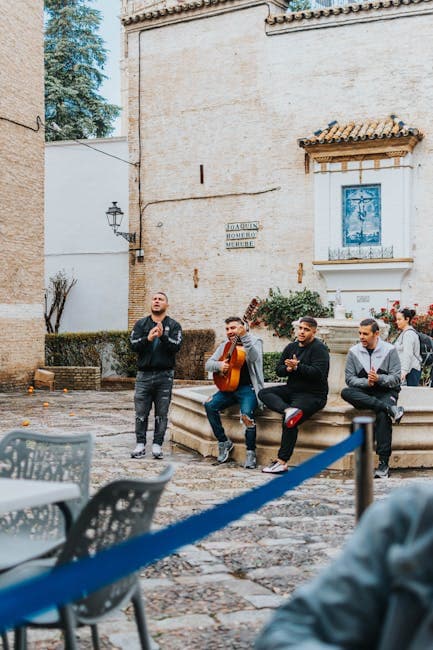
Plaza Nueva (orientation and brief intro to flamenco in Seville)
Civic square linking Seville, river, and Triana
This stop orients visitors in Plaza Nueva, a central civic square near Seville’s historic core. The narration should situate the listener between the cathedral area and the distant Guadalquivir, explaining how power, trade, and faith radiated from here. It should introduce Seville’s Golden Age as Spain’s Atlantic gateway and preview Triana as the working‑class counterpart across the river. A brief, high‑level introduction to flamenco in Seville belongs here, emphasizing its roots in marginalized communities rather than staged shows. One anecdote might highlight how modern demonstrations and celebrations in Plaza Nueva reflect centuries of civic life and shifting urban priorities.
View Tour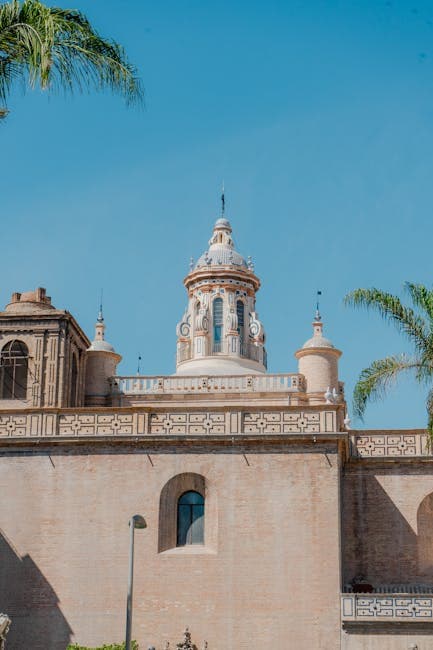
Basílica de la Macarena (starting point, exterior and optional interior)
Emblematic Marian shrine of Seville’s Holy Week
This stop introduces the Macarena Basilica as an emotional gateway to Semana Santa in Seville. Narration should describe its 20th‑century basilica façade, the attached museum/house of the Hermandad de la Macarena, and, if relevant, the richly dressed image of Nuestra Señora de la Esperanza Macarena inside. It should explain how this brotherhood processes in the Madrugá, the role of nazarenos and costaleros, and how neighborhood identity is woven around the Virgin. A distinctive anecdote could highlight the famous “tears” of the Macarena’s glass eyes or the story of her embroidered garments incorporating elements given by bullfighters, showing how popular devotion and social groups converge here.
View TourPuerta de Jerez (starting orientation)
Former city edge linking river, Alcázar and center
This stop orients listeners at Puerta de Jerez, once part of Seville’s defensive edge and now a busy square. The narration should link the area to the old city walls, the nearby Guadalquivir River, the Alcázar, and the route into Santa Cruz. It can mention how this space evolved from a gate area into a modern urban node with fountains, tramlines, and surrounding grand buildings. One anecdote can recall major processions or celebrations passing here on their way toward the Cathedral, illustrating how entrances to the city were stages for public ritual.
View Tour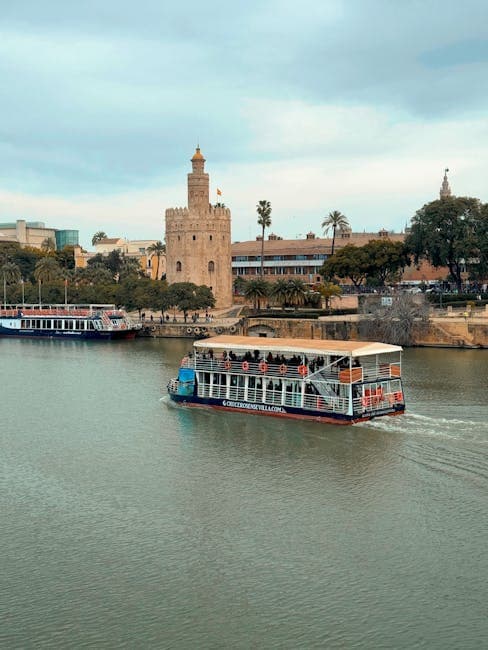
Torre del Oro (riverside starting point)
Medieval river tower guarding Seville’s historic harbor
This stop introduces the Guadalquivir riverfront through the Torre del Oro, a medieval defensive tower later linked to Seville’s role in Atlantic trade. The guide should describe its construction, materials, and how it formed part of the city walls and port control system. It should situate the listener in imperial Seville, when ships from the Americas arrived nearby, and mention the tower’s changing uses over time. An anecdote to include is the popular belief that its name may derive from golden reflections on its tiles or from storing precious cargo, highlighting how legend and economic history blend in local memory.
View TourPuerta de Jerez & Hotel Alfonso XIII (exterior)
Modern gateway into Seville’s historic royal quarter
This stop introduces Puerta de Jerez as a 19th–20th century urban space reshaped when the old walls and gates near the river were removed. The Hotel Alfonso XIII, built for the 1929 Ibero-American Exposition, showcases regionalist architecture drawing on Mudéjar and Renaissance motifs to frame a modern luxury hotel. The narration can explain how trams, fountains, and tree-lined avenues replaced medieval defenses and orchards, marking Seville’s shift toward tourism and spectacle. A distinctive anecdote could mention the hotel’s role in hosting foreign dignitaries and film productions, illustrating how it projected an image of “old Spain” carefully staged for modern visitors. The stop should also orient listeners to the river, the nearby Alcázar, and the general flow of the tour toward the medieval core.
View Tour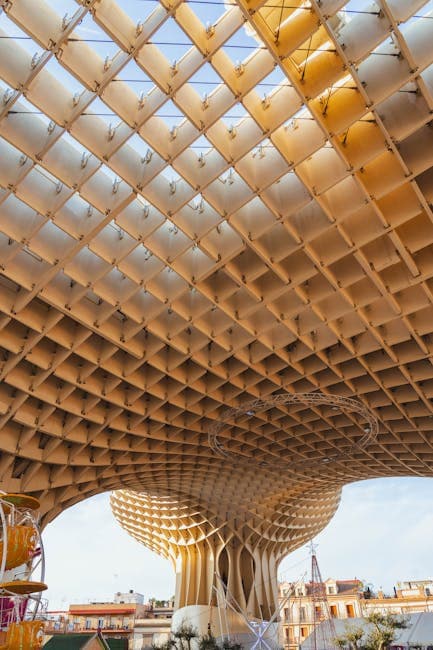
Mercado de la Encarnación (ground level of Las Setas)
Contemporary market life beneath Seville’s giant mushrooms
This stop introduces the Encarnación market at the base of Las Setas, where a traditional food market was reimagined under a striking 21st-century wooden canopy. The script should describe the contrast between the organic curves of the structure above and the down-to-earth produce, fish, and meat stalls below. It should touch on the site’s history as a long-standing market area, later a car park, and then an urban renewal project tied to Seville’s search for a new civic symbol. A useful anecdote is how some locals initially criticized Las Setas as too futuristic or unsuited to the historic center, yet the revived market quickly became a daily shopping hub and social meeting point. Another anecdote can mention how some stallholders trace their family business back through several earlier markets on this same square, emphasizing continuity beneath the new architecture.
View Tour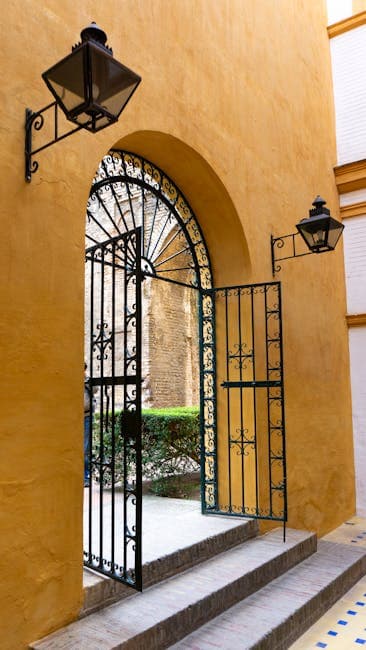
Real Alcázar de Sevilla (main entrance at Patio de Banderas)
Royal palace blending Islamic, Mudéjar and Renaissance art
This stop focuses on the Alcázar as a layered royal complex, viewed from Patio de Banderas and the main entrance area. Scripts should explain its origins under Islamic rule, its transformation after the Castilian conquest, and the remarkable Mudéjar palace commissioned by later Christian kings. Describe the exterior walls, towers, gateways, and glimpses of gardens beyond, emphasizing the mixture of decorative tilework, brick, and stone. Include references to monarchs who stayed here and decisions connected with Atlantic exploration. A unique anecdote might mention how parts of the palace were hastily re‑decorated or adapted ahead of royal weddings and ceremonies, reflecting the palace’s ongoing role as an active royal residence.
View TourEl Rinconcillo (historic tavern exterior/stop)
Historic tiled tavern and classic Sevillian bar rituals
This stop focuses on the exterior and atmosphere of El Rinconcillo, often cited as one of Seville’s oldest taverns. The narration should highlight its characteristic features: dark wood, hanging hams, old barrels, and traditional azulejo tiles that form a kind of visual timeline of local style. Historically, the tavern represents how wine shops and grocery stores evolved into social hubs where tapas were served with drinks. The script can mention that bartenders here are known for mentally keeping track of orders and adding up bills in chalk on the counter, a practice that fascinates visitors. Another anecdote might recall how, during busy local festivals, regulars claim to have “their” section of counter that they’ve been using for decades, illustrating deep neighborhood loyalty to the bar.
View Tour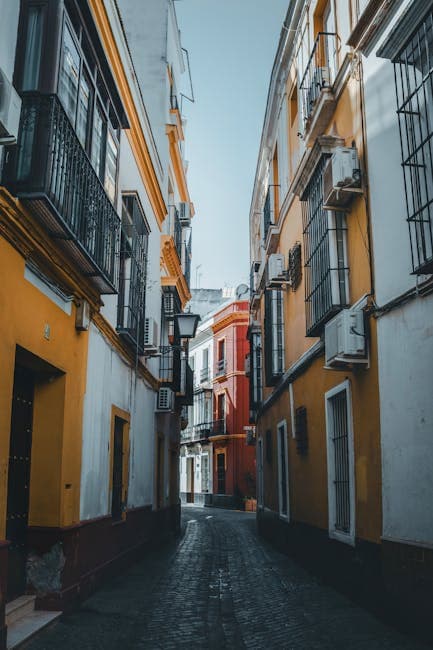
Arenal quarter streets (short walk-through with mention of old theaters/tablaos)
From civic center to old port district
This segment covers the walk from Plaza Nueva into the Arenal quarter, historically tied to the port and shipyards. The narration should evoke narrow streets once filled with sailors, warehouses, and small theaters where popular entertainment flourished. It can mention early venues that hosted singing, dance, and guitar performances, precursors to formal tablaos. The guide should highlight the contrast between the official power of Plaza Nueva and the rougher, more flexible culture of Arenal. A distinctive anecdote could describe how sailors and dockworkers reportedly packed tiny theaters after work, blurring lines between audience and performers in lively, improvised evenings.
View Tour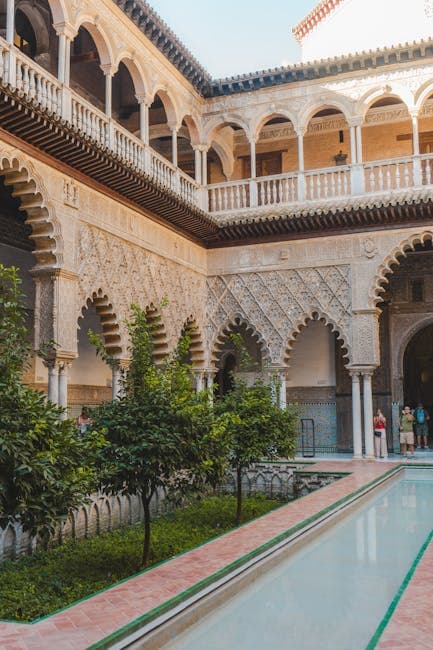
Real Alcázar de Sevilla (exterior courtyards and walls from outside / Patio de Banderas)
Layered royal palace from Islamic to Bourbon eras
This stop focuses on the Real Alcázar as a palimpsest of power, from its Islamic fortress origins through Christian adaptations and Mudéjar, Gothic, Renaissance, and later additions. From outside walls and the Patio de Banderas, the narration should highlight crenellations, towers, and contrasting stone and brick that reveal different building phases. It should explore the Alcázar’s role as a royal residence, administrative center, and symbol of Castilian authority after the conquest. One unique anecdote might recount how a Castilian king commissioned Mudéjar craftsmen to build a palace in a distinctly Islamic-inspired style to assert prestige and continuity with Andalusi sophistication. Another could reference the Alcázar’s quieter modern role as a filming location and as an official royal residence during visits, underlining its unusual continuity of use.
View Tour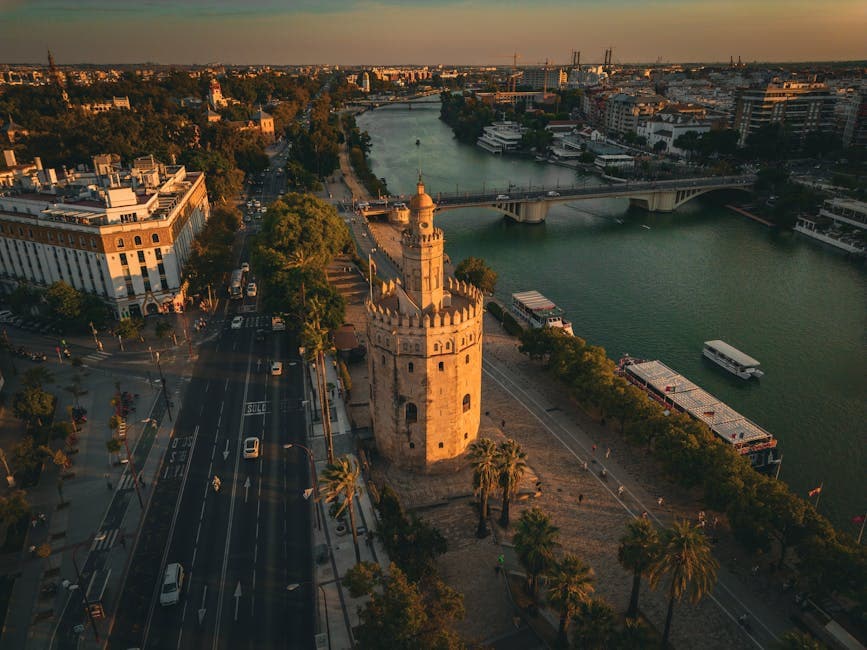
Paseo de Colón riverside promenade
Riverside walk from port city to leisure space
Here the focus shifts to how Seville’s riverfront transformed from a crowded working port into today’s landscaped promenade. The guide should evoke historic activity along the quay—warehouses, shipyards, and bustling trade—contrasted with modern joggers, cafés, and cultural venues. It should touch on 19th–20th century urban reforms, river modifications to prevent flooding, and the emergence of public promenades as symbols of bourgeois leisure. A unique anecdote could recall how temporary structures for fairs or Holy Week viewing stands have periodically turned this riverside into a theatrical backdrop for processions and festivals.
View TourFrequently Asked Questions
How do audio walking tours work in Sevilla?
Our audio walking tours in Sevilla are self-guided experiences that you can start anytime. Simply download the Roamway app, select a tour, and follow the GPS-guided route. The audio narration automatically plays as you approach each point of interest, allowing you to explore at your own pace.
Are self-guided tours better than guided tours?
Self-guided audio tours offer flexibility that traditional guided tours can't match. You can pause, rewind, or skip sections, explore at your own pace, and start whenever you're ready. Plus, our tours are available in multiple languages and work offline once downloaded.
Do I need an internet connection during the tour?
No! Once you've downloaded a tour in the Roamway app, it works completely offline. The GPS navigation and audio narration function without an internet connection, making it perfect for international travelers who want to avoid data charges.
How long do the audio tours take?
Tour durations vary, but most of our audio tours in Sevilla range from 1 to 3 hours, depending on your pace and how much time you spend at each point of interest. You can complete them in one go or split them across multiple visits.
Ready to explore Sevilla?
Download Roamway and start your audio-guided adventure today.