
Seville Santa Cruz: Legends, Jewish Quarter and Hidden Plazas
Sevilla, España
Audio Preview
Listen to a sample of this audio tour to get a feel for the experience.
What You'll Experience
On this Seville Santa Cruz: Legends, Jewish Quarter and Hidden Plazas audio tour in Sevilla, you'll discover 11 carefully selected points of interest, each with its own story. The tour is designed to be completed at your own pace, with GPS navigation guiding you from one location to the next. As you approach each stop, the audio narration automatically begins, bringing history, culture, and local insights to life.
About This Tour
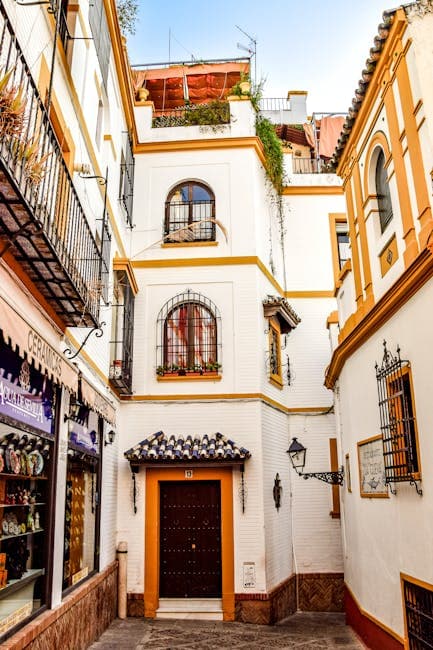
This tour explores Seville’s historic Santa Cruz neighborhood from Puerta de Jerez to the Cathedral area. It focuses on former Jewish Quarter streets, secluded patios, and plazas such as Doña Elvira, Santa Cruz, and Santa Marta. Topics include medieval urban life, Sephardic heritage, legends, and the architecture of gardens, convents, and noble houses.
Points of Interest
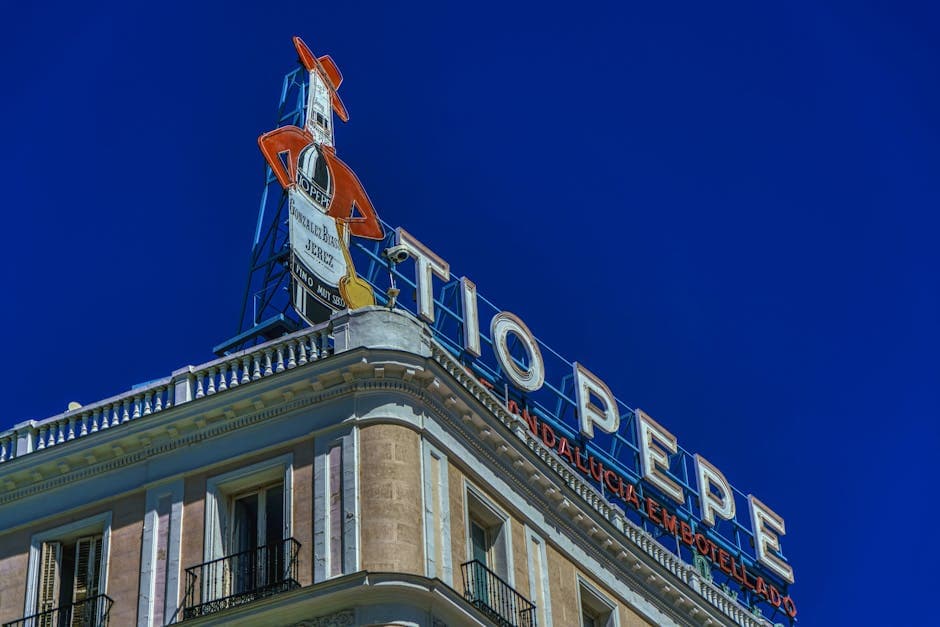
Puerta de Jerez (starting orientation)
Former city edge linking river, Alcázar and center
This stop orients listeners at Puerta de Jerez, once part of Seville’s defensive edge and now a busy square. The narration should link the area to the old city walls, the nearby Guadalquivir River, the Alcázar, and the route into Santa Cruz. It can mention how this space evolved from a gate area into a modern urban node with fountains, tramlines, and surrounding grand buildings. One anecdote can recall major processions or celebrations passing here on their way toward the Cathedral, illustrating how entrances to the city were stages for public ritual.
Jardines de Murillo (walk along the old walls edge)
Garden belt tracing old walls and Alcázar edge
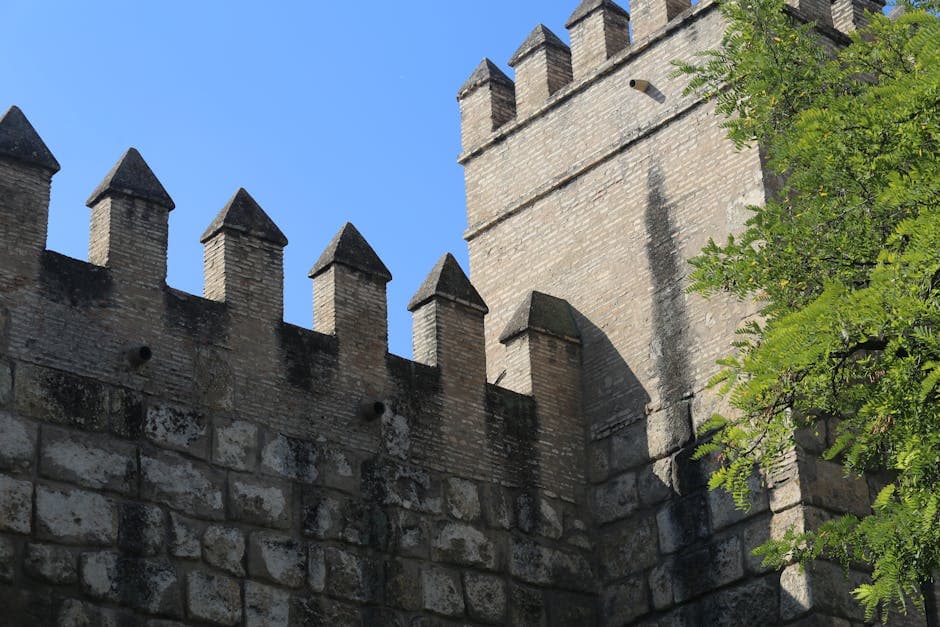
Here the focus is on the leafy Jardines de Murillo running along where the city walls and Alcázar boundaries once marked Seville’s edge. The script should describe the orange trees, tiled benches, monument to painter Bartolomé Esteban Murillo, and views toward the Alcázar walls. Historically, this area shifted from defensive and marginal land to landscaped public gardens. A distinctive anecdote can explain how parts of the former wall line were demolished and later romanticized through monuments and garden design, reflecting changing attitudes toward the city’s medieval fortifications.
Callejón del Agua (water-channel lane along the Alcázar)
Narrow lane following the Alcázar’s water channel
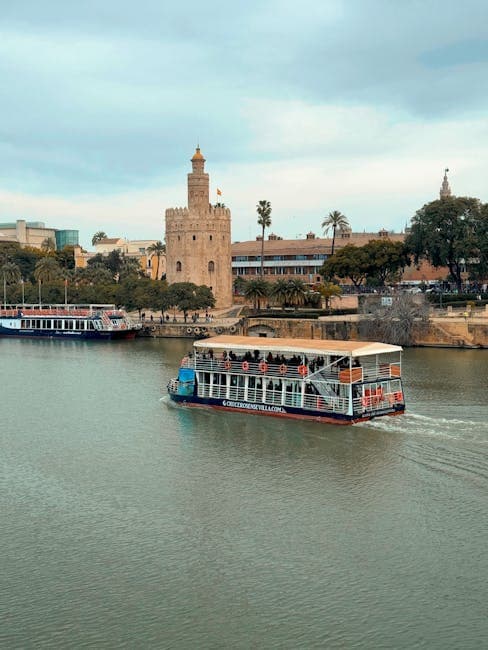
This point introduces Callejón del Agua, the tight passage running alongside the Alcázar walls where water once flowed to supply the royal complex. Narration should evoke the cool shade, high walls, and sense of enclosure while explaining the medieval hydraulic systems that brought water from outside the city. It can highlight how such infrastructure shaped nearby Jewish Quarter streets and daily routines. An anecdote might describe residents drawing water or pausing here to listen to the water’s sound against the palace wall, hinting at how practical systems became part of neighborhood life and memory.
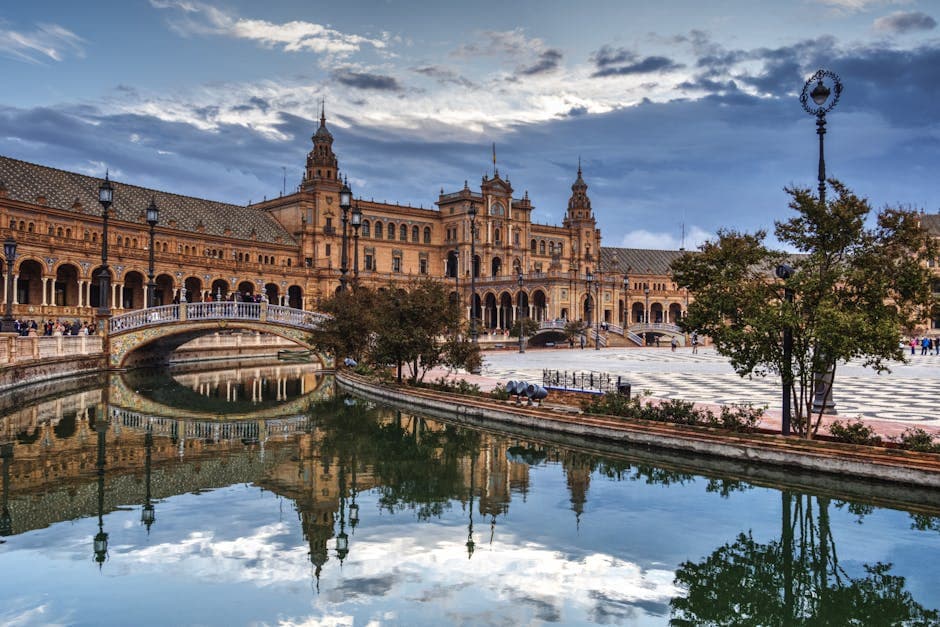
Plaza de Doña Elvira
Intimate square typifying Santa Cruz patios
This stop explores Plaza de Doña Elvira as a classic Santa Cruz square, framed by low houses, orange trees, and decorative tiles. The narration should explain how such plazas evolved from irregular medieval spaces and inner patios into formalized squares. Literary associations can be mentioned cautiously, such as later traditions linking the name or atmosphere to romantic tales, without anchoring them to a specific legend reused elsewhere. A unique anecdote could describe how, in the early 20th century, the square was redesigned to fit a crafted image of ‘typical’ Seville, showing how the city consciously staged its historic quarter.
Plaza de los Venerables
Baroque square beside former priests’ hospital
At Plaza de los Venerables, the focus shifts to a quieter, more enclosed square associated with ecclesiastical life. Narration should describe the scale of the plaza, surrounding façades, and how it formed a forecourt for the Hospital de los Venerables built for elderly priests. Historically, this area represents the Catholic reconfiguration of the former Jewish Quarter in the Baroque period. A specific anecdote may note how religious festivals or small processions once passed through this square to honor clergy or local devotions, contrasting its calm architecture with moments of intense spiritual display.
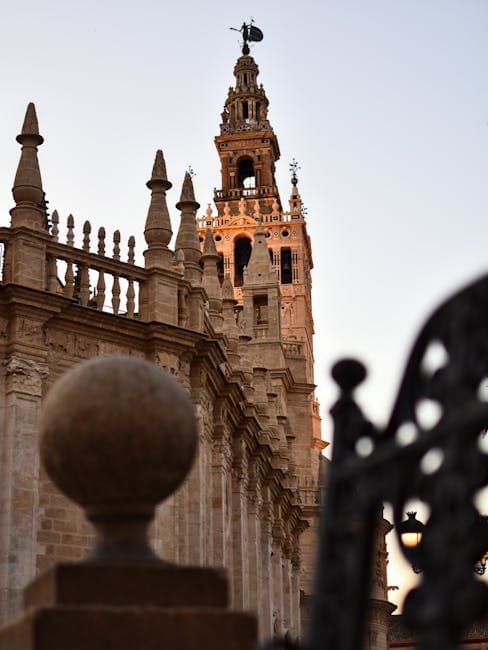
Hospital de los Venerables (exterior focus)
Baroque priests’ residence and charitable institution
This stop concentrates on the exterior of the Hospital de los Venerables, a Baroque complex for aged priests founded in the post-medieval era. Narration should note its brick-and-stucco façade, portal, and hints of the interior patio and church, using them to discuss Sevillian Baroque style and charitable foundations. The building exemplifies how religious institutions took root in former Jewish spaces, reshaping the neighborhood’s identity. A unique anecdote might reference an episode when a noted painter or musician associated with Seville contributed art or performances here, reflecting the link between religious patronage and the city’s cultural life.
Calle Vida and Calle Muerte
Contrasting lanes named for life and death
Here the guide highlights two tiny streets, Calle Vida and Calle Muerte, whose stark names invite reflection. Narration should explain medieval naming habits, possible links to local institutions such as cemeteries or charitable houses, and how these names survived urban reforms. The physical contrast between sunny, open stretches and darker, more enclosed parts can be emphasized. A distinct anecdote might recount how, in the 19th or early 20th century, writers and travelers seized on these street names to craft melancholy or romantic descriptions of Santa Cruz, shaping outsiders’ perceptions of the quarter as a place of intense emotions.
Plaza de Santa Cruz (and former synagogue/church exterior)
Square over lost church and earlier synagogue
This key stop examines Plaza de Santa Cruz, once occupied by a church that itself replaced a medieval synagogue serving Seville’s Jewish community. The narration should outline the sequence: Jewish quarter center, synagogue, later Christian church, and eventual demolition creating the current open square. It should describe the present layout, including the iron cross and surrounding buildings, while stressing how little of the Jewish past is visibly preserved. A unique anecdote can cover the church’s destruction and the relocation of notable elements, illustrating how urban reforms erased older layers while inadvertently highlighting the story of the lost synagogue beneath.
Calle Susona and Casa de la Susona legend spot
Alley tied to the tragic Susona legend
At Calle Susona, narration focuses on the famous local legend of Susona, a young woman from a prominent Jewish family whose actions, according to later stories, led to disaster for her community. The tale should be told as legend, not strict history, emphasizing themes of betrayal, remorse, and post-expulsion memory. The script should relate the alley and the so-called Casa de la Susona to how stories attach themselves to specific doors and windows. A unique anecdote centers on the reported display of Susona’s skull or memorial plaque on the house façade, illustrating how physical markers kept the legend alive across generations.
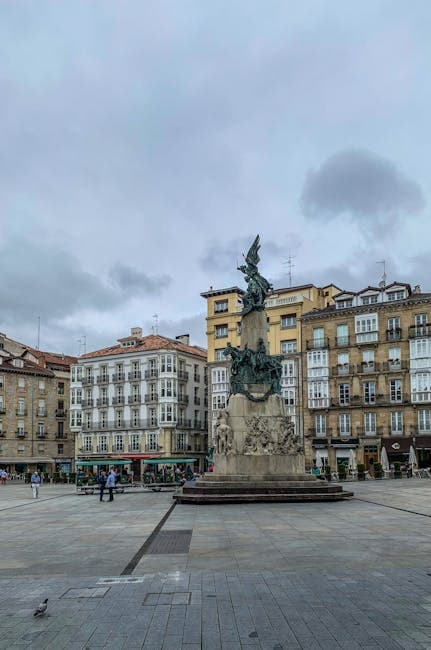
Plaza de la Alianza & surrounding alleys
Small square between Alcázar walls and Cathedral
This stop looks at Plaza de la Alianza and the web of alleys connecting Santa Cruz to the Cathedral area. Narration should describe the tight spaces, arches, and sudden views of the Giralda or Alcázar walls, stressing the proximity between the former Jewish Quarter and the Christian power centers. It can explain how small plazas like this served as everyday meeting and trading points. A distinct anecdote might reference a documented dispute or negotiation here between local residents and palace officials, symbolically matching the square’s name with moments of agreement or tension between different social groups.
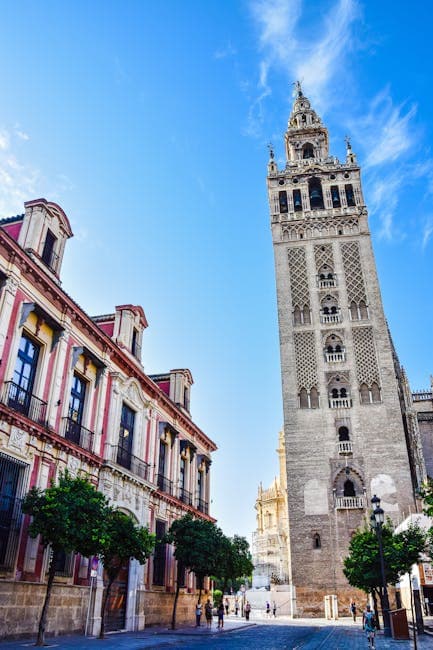
Plaza de Santa Marta (hidden patio-plaza near the Cathedral)
Secluded patio-plaza beside the Cathedral complex
The final stop, Plaza de Santa Marta, is a quiet, enclosed patio near the massive Cathedral. Narration should highlight its seclusion, central cross, surrounding walls and convent or institutional buildings, presenting it as a hidden pocket of calm just steps from one of Europe’s largest churches. Historically, it reflects how small cloistered spaces coexisted with grand public monuments. A unique anecdote may recall how locals once used this patio as a shortcut or quiet refuge after attending major religious events at the Cathedral, showing how residents navigated between spectacle and intimacy in daily life. This stop should also wrap up the tour’s themes and trajectory.
Start This Tour
Download Roamway to experience this audio tour
Tour Details
Access
Free
Stops
11 points of interest
Languages
GermanEnglishSpanishFrench
More tours in Sevilla
View all tours in SevillaOther tours you might enjoy:
Seville: Historic Tapas Streets and Riverside Barrios
This tour explores Seville’s central and riverside neighborhoods through traditional markets, historic taverns, and classic tapas streets. It covers areas around Las Setas, San Pedro, Santa Cruz, Triana, and El Arenal, focusing on food culture, everyday architecture, and the social history of bars, bodegas, and market life along the Guadalquivir River.
Seville: Historic Center, Riverside Trade & 1929 Expo
This tour explores central Seville from Puerta de Jerez through the Real Alcázar, Seville Cathedral, the Archivo de Indias, and surrounding historic streets. It continues through the former port district of Arenal, the Torre del Oro and Guadalquivir riverside, ending at Plaza de España. Themes include medieval and early modern history, maritime trade, architecture, and the 1929 Ibero-American Exposition.
Seville: Palaces, Churches and City Walls Highlights
This tour follows a route from Puerta de Jerez through Seville’s historic center to the Macarena district. It features exterior views of the Real Alcázar, Cathedral and Giralda, major Baroque churches, and noble palaces, ending at the surviving city walls. Themes include medieval, Mudéjar, Renaissance, Baroque, and 19th–20th century urban history.
Frequently Asked Questions
How do I start this audio tour?
Download the Roamway app, search for this tour, and tap 'Start Tour'. The app will guide you to the starting point using GPS. Once you're there, the audio narration begins automatically.
Do I need an internet connection?
No! Once you've downloaded the tour in the Roamway app, it works completely offline. The GPS navigation and audio narration function without an internet connection.
Can I pause and resume the tour?
Yes! You can pause the tour at any time and resume later. Your progress is automatically saved, so you can complete the tour over multiple sessions if needed.