
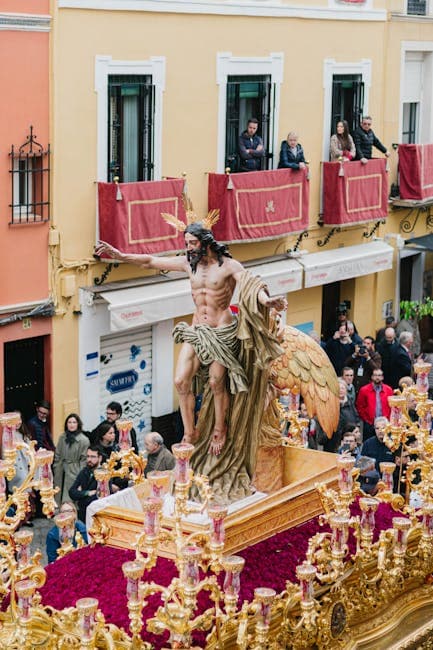
Seville: Holy Week Churches, Brotherhoods and Processions
Sevilla, España
Audio Preview
Listen to a sample of this audio tour to get a feel for the experience.
What You'll Experience
On this Seville: Holy Week Churches, Brotherhoods and Processions audio tour in Sevilla, you'll discover 10 carefully selected points of interest, each with its own story. The tour is designed to be completed at your own pace, with GPS navigation guiding you from one location to the next. As you approach each stop, the audio narration automatically begins, bringing history, culture, and local insights to life.
About This Tour
This tour explores key Holy Week sites in Seville from the Macarena district to the historic center and the Arenal quarter. It includes basilicas, parish churches, and civic spaces linked to processions and brotherhoods. The route examines religious art, Baroque and Gothic architecture, and the social role of confraternities and charity.
Points of Interest
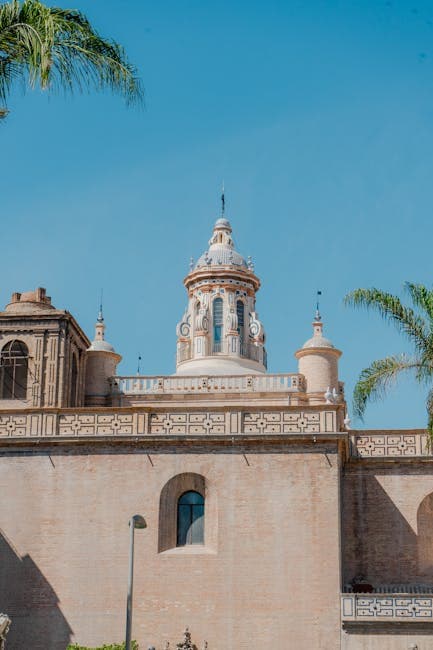
Basílica de la Macarena (starting point, exterior and optional interior)
Emblematic Marian shrine of Seville’s Holy Week
This stop introduces the Macarena Basilica as an emotional gateway to Semana Santa in Seville. Narration should describe its 20th‑century basilica façade, the attached museum/house of the Hermandad de la Macarena, and, if relevant, the richly dressed image of Nuestra Señora de la Esperanza Macarena inside. It should explain how this brotherhood processes in the Madrugá, the role of nazarenos and costaleros, and how neighborhood identity is woven around the Virgin. A distinctive anecdote could highlight the famous “tears” of the Macarena’s glass eyes or the story of her embroidered garments incorporating elements given by bullfighters, showing how popular devotion and social groups converge here.
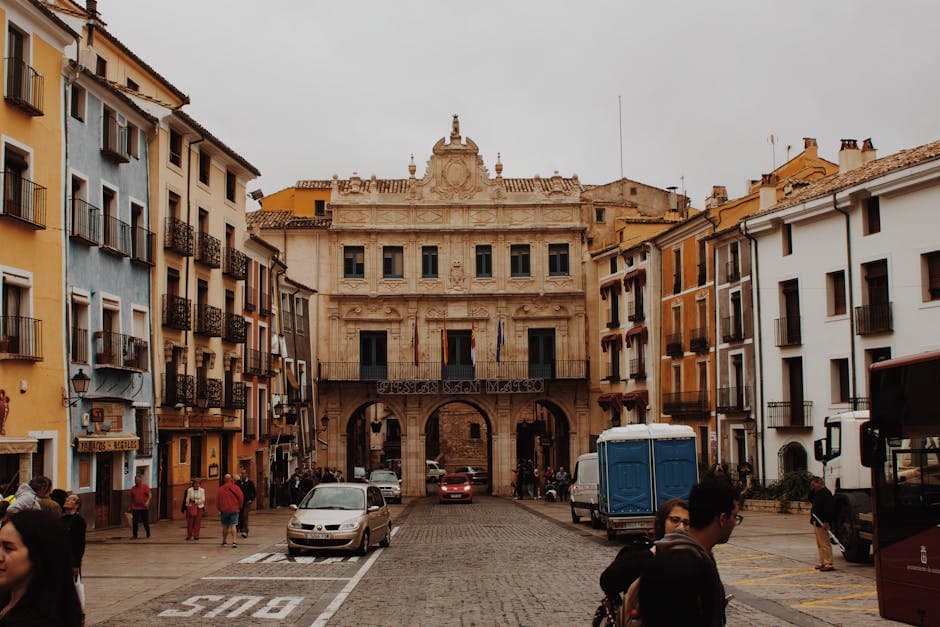
Arco de la Macarena and city walls (processional gateway)
Ancient gateway for processions into the city
This stop focuses on the Arco de la Macarena and the adjacent stretch of medieval city walls as a physical threshold for processions entering the historic core. Narration should cover the arch’s origins as part of the defensive walls, later ceremonial uses, and its bright color and crowned top as they appear today. The guide should connect how brotherhoods such as the Macarena symbolically pass from neighborhood to city through this point during Holy Week. A unique anecdote might recall how, on early Madrugá mornings, crowds gather around the arch to see the Macarena’s paso emerge to the sound of brass bands echoing off the old walls, turning this military feature into an impromptu open‑air theatre of devotion.
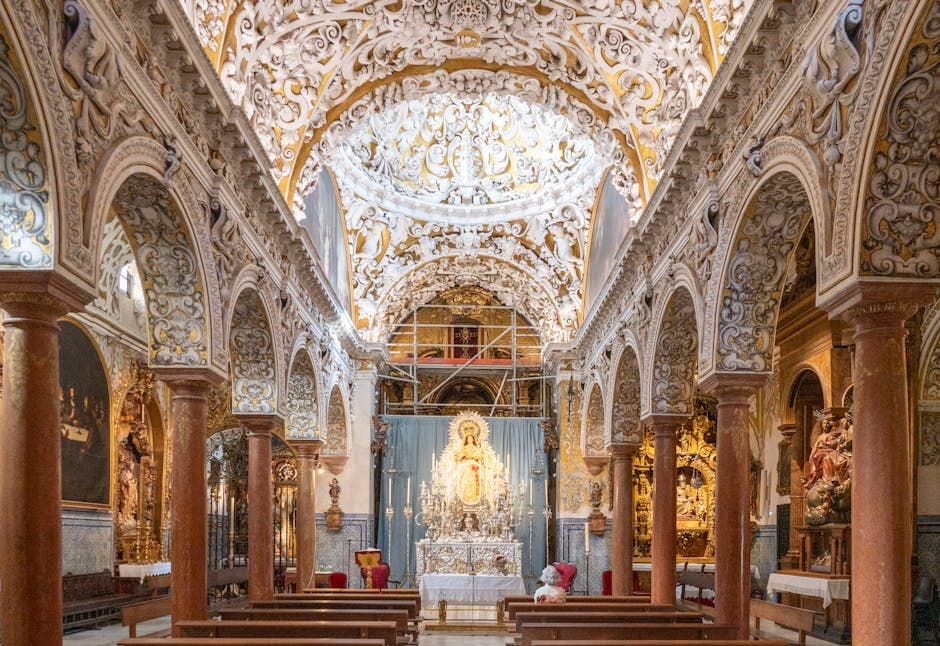
Iglesia de San Luis de los Franceses (Baroque devotion, exterior)
Baroque Jesuit church of theatrical devotion
This stop presents San Luis de los Franceses as a masterpiece of Sevillian Baroque and Jesuit spirituality. Narration should describe the richly articulated façade, dome, and tower silhouettes, and evoke the interior’s layered altarpieces, polychrome sculpture, and illusionistic decoration, even if only seen from outside. The guide should explain the Counter‑Reformation aim of using art and architecture to move believers, linking this to Holy Week’s emotional imagery. A distinctive anecdote could mention how, after the Jesuit expulsion, the church’s elaborate baroque décor survived multiple reuses and periods of abandonment, becoming a hidden jewel that locals later fought to restore, reflecting changing attitudes to religious heritage in Seville.
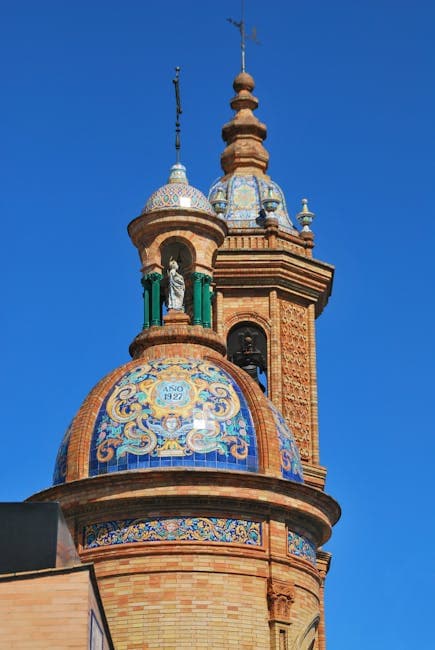
Iglesia de Santa Marina (linked to brotherhoods, exterior)
Medieval parish linked to early brotherhood life
This stop highlights Santa Marina as one of Seville’s oldest parish churches, with Gothic‑Mudejar architecture that contrasts with nearby Baroque spaces. Narration should note its brick walls, pointed arches, and simple tower, and explain how medieval parishes provided territorial bases for emerging confraternities. The guide can discuss how Holy Week devotion here has shifted over centuries as brotherhoods moved or reorganized. A unique anecdote might recount how a serious fire in the 20th century left the church scarred and closed for years, forcing images and confraternities associated with Santa Marina to seek temporary homes elsewhere, illustrating the fragility and resilience of parish devotion.
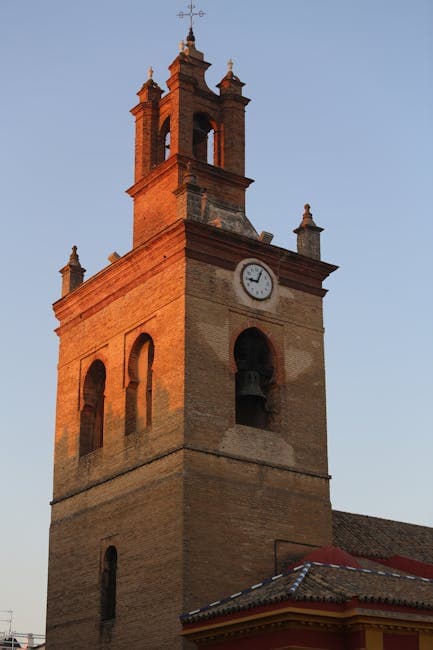
Iglesia de San Román (confraternities and history, exterior)
Parish refuge for displaced brotherhoods
This stop uses San Román to explore how parishes host and protect brotherhoods across turbulent periods. Narration should describe its modest Gothic‑Mudejar style, bell tower, and position within a traditional residential district. The guide should explain that several hermandades have used San Román as a base or refuge when their own temples were damaged or under restoration, particularly in the 20th century. A distinct anecdote could describe how, after anti‑clerical unrest damaged other churches, cherished Holy Week images were carried quietly at night into San Román for safekeeping, turning this unassuming parish into a temporary vault of Seville’s processional heritage.
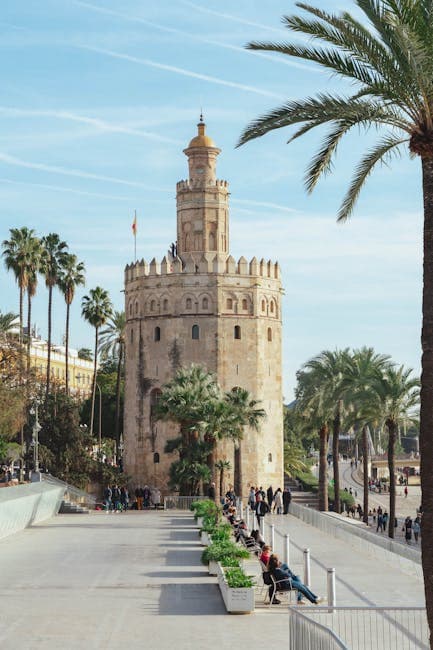
Iglesia del Salvador (major brotherhoods, exterior and optional interior)
Baroque church on former mosque site
This stop presents El Salvador as a major baroque church and Holy Week powerhouse in the historic center. Narration should explain that it stands on the site of a former mosque, noting the patio traces and how the current building expresses 17th–18th‑century tastes with its grand façade and interior altarpieces. The guide should highlight that several prominent hermandades depart from or pass through here, making its square a bustling Holy Week hub. A unique anecdote could explore how, when a major restoration closed the church, brotherhoods based at El Salvador had to adapt their processional logistics and even alter traditional departure times, revealing how dependent Semana Santa is on the physical condition of its temples.
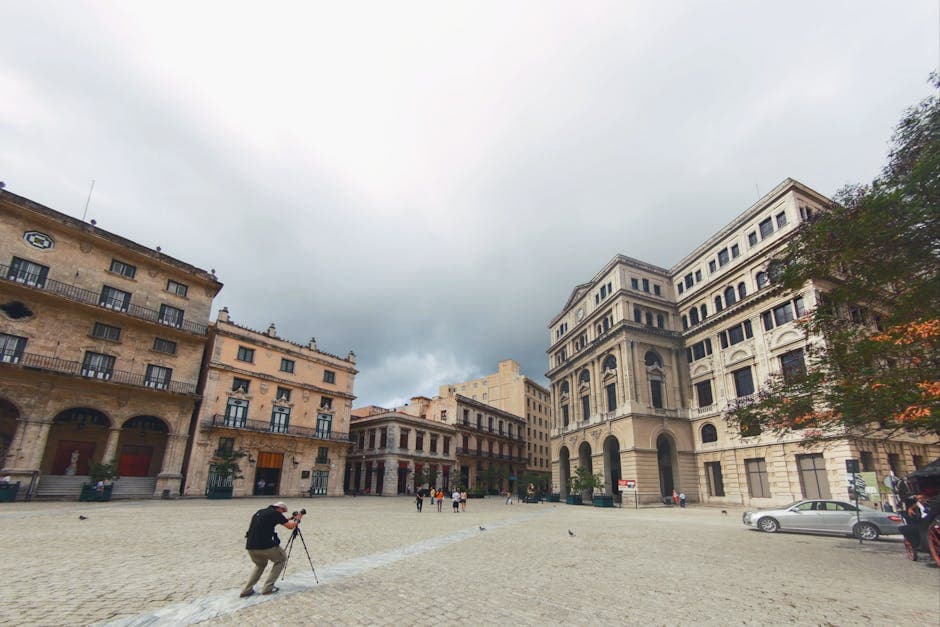
Plaza de San Francisco & Ayuntamiento (Holy Week official box seats route context)
Civic heart and official Holy Week route
This stop examines Plaza de San Francisco and the Town Hall as the civic stage of Holy Week. Narration should describe the richly carved Plateresque façade of the Ayuntamiento, the square’s elongated shape, and its role along the carrera oficial, where box seats and stands are erected. The guide should explain how municipal authorities historically regulated processional schedules, seating, and protocol, blending religious ceremony with civic order and social display. A distinct anecdote might recall how, in certain years of heavy rain, processions paused or turned back at this square after intense negotiations with city officials and church representatives, underlining how weather can disrupt carefully planned ritual and urban choreography.
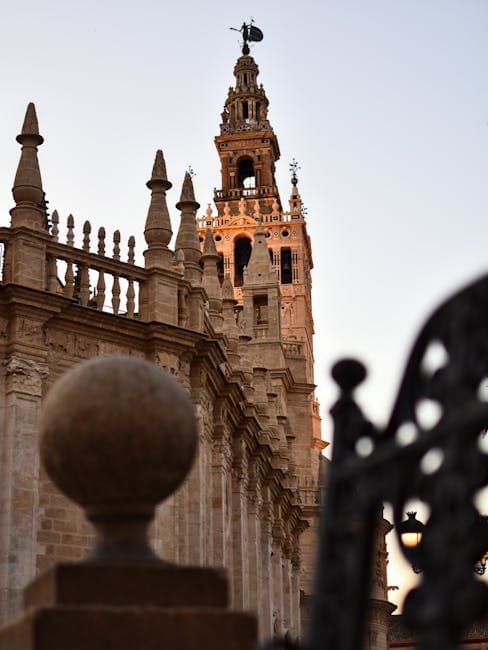
Seville Cathedral (Puerta de San Miguel / Puerta de la Asunción, focus on processional role)
Gothic backdrop to Holy Week processions
This stop focuses on Seville Cathedral’s role as the destination and liturgical center of Holy Week processions, seen from the Puerta de San Miguel and Puerta de la Asunción. Narration should briefly recall its origins on the site of a former mosque, its vast Gothic scale, and the specific portals used by brotherhoods to enter and exit for their estación de penitencia. The guide should stress the contrast between humble nazarenos and towering stone architecture. A unique anecdote could describe how, on some particularly crowded nights, the precise timing of steps and music at these doors becomes so tight that a slight delay by one brotherhood causes a chain reaction of late arrivals, forcing organizers inside the Cathedral to improvise in real time to keep the sacred ritual on track.
Capilla del Baratillo area in Arenal (exterior context of a dockside brotherhood)
Dockside brotherhood in the Arenal quarter
This stop introduces the Capilla del Baratillo and its surroundings as a window onto the Arenal’s riverside and bullfighting culture. Narration should describe the chapel’s small façade squeezed into a narrow street, its proximity to the Guadalquivir and the Maestranza bullring, and its association with a brotherhood linked to popular and working‑class devotions. The guide can contrast this intimate space with the monumental churches already seen. A unique anecdote might recall how local bullfighters have long offered capes or trophies to the chapel’s images in gratitude for surviving dangerous encounters in the ring, creating a distinctive blend of religious devotion and taurine tradition in this corner of Seville.
Hospital de la Caridad (exterior; charity, faith, and art)
Baroque charity complex of faith and art
This final stop uses the Hospital de la Caridad to highlight the charitable roots of many confraternities. Narration should describe its serene courtyard, church façade, and connection to the Brotherhood of the Holy Charity, founded to assist the poor, sick, and those condemned to death. The guide should underline the Baroque program inside, where paintings and sculptures emphasize death, mercy, and salvation, and explain how this ethos parallels Holy Week themes. A distinctive anecdote could feature the figure of Miguel Mañara, the lay leader traditionally credited with reforming the brotherhood’s charitable mission after a profound personal conversion, turning his resources and energy toward burying the abandoned dead and caring for the marginalized of Seville.
Start This Tour
Download Roamway to experience this audio tour
Tour Details
Access
Free
Stops
10 points of interest
Languages
GermanEnglishSpanishFrench
More tours in Sevilla
View all tours in SevillaOther tours you might enjoy:
Seville: Historic Tapas Streets and Riverside Barrios
This tour explores Seville’s central and riverside neighborhoods through traditional markets, historic taverns, and classic tapas streets. It covers areas around Las Setas, San Pedro, Santa Cruz, Triana, and El Arenal, focusing on food culture, everyday architecture, and the social history of bars, bodegas, and market life along the Guadalquivir River.
Seville: Historic Center, Riverside Trade & 1929 Expo
This tour explores central Seville from Puerta de Jerez through the Real Alcázar, Seville Cathedral, the Archivo de Indias, and surrounding historic streets. It continues through the former port district of Arenal, the Torre del Oro and Guadalquivir riverside, ending at Plaza de España. Themes include medieval and early modern history, maritime trade, architecture, and the 1929 Ibero-American Exposition.
Seville: Palaces, Churches and City Walls Highlights
This tour follows a route from Puerta de Jerez through Seville’s historic center to the Macarena district. It features exterior views of the Real Alcázar, Cathedral and Giralda, major Baroque churches, and noble palaces, ending at the surviving city walls. Themes include medieval, Mudéjar, Renaissance, Baroque, and 19th–20th century urban history.
Frequently Asked Questions
How do I start this audio tour?
Download the Roamway app, search for this tour, and tap 'Start Tour'. The app will guide you to the starting point using GPS. Once you're there, the audio narration begins automatically.
Do I need an internet connection?
No! Once you've downloaded the tour in the Roamway app, it works completely offline. The GPS navigation and audio narration function without an internet connection.
Can I pause and resume the tour?
Yes! You can pause the tour at any time and resume later. Your progress is automatically saved, so you can complete the tour over multiple sessions if needed.